Overwatering might seem like a simple mistake, but it can cause serious damage to your plants. When plants get too much water, their roots are deprived of oxygen, which can lead to root rot and other issues. The good news? With quick action and some TLC, you can often save an overwatered plant before things go too far.

Let’s break down how to spot the signs of overwatering, what you should do about it, and how to prevent it from happening again.

Signs Your Plant is Overwatered

Unlike underwatering, where plants dry out and crisp up, overwatered plants show different symptoms. Here’s what to look for:

  • Yellowing leaves: One of the most common signs. If the lower leaves are turning yellow and feel soft, it’s often a sign of too much water.
  • Wilting, even in wet soil: It’s counterintuitive, but overwatered plants can look wilted. This happens because the roots are waterlogged and can’t take in oxygen or nutrients, causing the plant to wilt.
  • Mushy stems or soft spots: When stems or the base of the plant feel soft or squishy, it’s a sign that rot has started to set in.
  • Soggy or compacted soil: If the soil feels soggy days after watering or is compacted and heavy, it’s not draining properly, which leads to waterlogged roots.
  • Foul-smelling soil: A bad, musty smell is a big warning sign that there’s bacteria or fungus growing in the soil due to excess moisture. Learn more about root rot and how to stop it here!
  • Dropping leaves: If your plant is losing leaves, especially green ones, this can indicate that it’s trying to shed extra parts to reduce the strain on its roots.


If you’re seeing any of these signs, your plant is likely suffering from overwatering, and it’s time to take action!

overwatered plant causing mushy, yellowing leaves, shiny texture
overwatered plant causing yellowing leaves and wilting
overwatered plant causing mushy base
overwatered plant causing root rot

How to Save an Overwatered Plant

If you’ve identified that overwatering is the problem, here’s how you can rescue your plant:


  1. Assess the Damage

First, gently remove the plant from its pot to inspect the roots. Be careful when handling the plant—especially if it’s already fragile. Healthy roots will be white or tan and firm. Rotten roots will be brown, black, mushy, and may give off a bad smell.


  1. Prune Damaged Roots and Leaves
  • Trim away any rotten roots: Using clean scissors or pruning shears, cut away the mushy, discolored roots. Make sure to disinfect your tools before and after trimming to prevent the spread of bacteria or fungus.
  • Remove damaged leaves: If the plant has yellow, wilted, or dead leaves, trim them off as well. This helps the plant focus its energy on new growth instead of trying to sustain damaged parts.


  1. Let the Plant Dry Out

Before repotting, give the roots some time to air out and dry. Lay the plant on a paper towel or clean surface and let it rest for a few hours. This will allow any remaining moisture to evaporate and prevent further rot.

  1. Repot in Fresh, Well-Draining Soil

Once the plant has had a chance to dry out, repot it in fresh, well-draining soil. Here are a few tips for success:

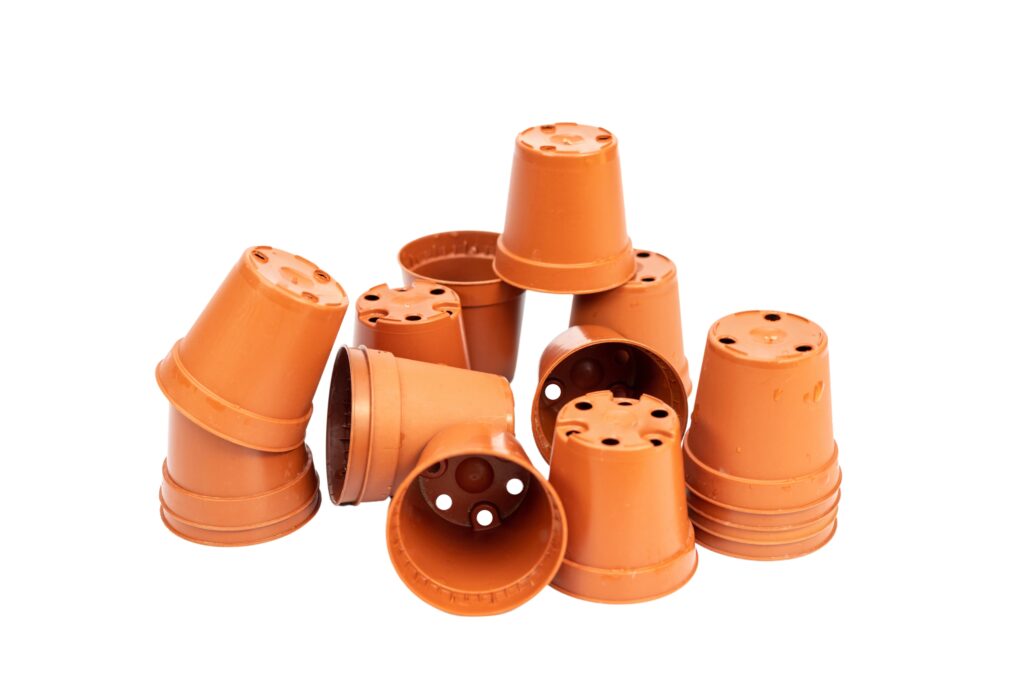
  • Choose a pot with drainage holes: This is crucial to preventing future overwatering. If water can’t escape the bottom of the pot, it will sit at the bottom and suffocate the roots.
  • Use a well-draining soil mix: Look for a mix that includes perlite, sand, or orchid bark to improve drainage and prevent the soil from becoming waterlogged. You can even mix in a little extra perlite to lighten the soil.
  • Don’t pack the soil too tightly: When repotting, gently press the soil around the roots but don’t pack it down too much. Tightly compacted soil can restrict airflow and trap moisture.
  1. Water Sparingly

After repotting, resist the urge to immediately give your plant a big drink. Instead, wait a few days to let the roots settle and recover from the shock of overwatering and repotting. Once you start watering again, do it lightly, making sure to only water when the top inch of soil feels dry.


  1. Improve Air Circulation and Light

Moving your plant to a well-ventilated spot with bright, indirect light will help it dry out faster and give it the energy it needs to recover. However, avoid placing it in direct sunlight, as this can stress the plant further. Proper airflow helps the soil dry out between waterings and prevents fungal growth.

How to Prevent Overwatering in the Future

Now that you’ve saved your plant, let’s make sure it doesn’t end up waterlogged again! Here’s how you can keep it healthy and happy:


  1. Water Based on Soil Moisture, Not a Schedule

One of the most common causes of overwatering is sticking to a rigid watering schedule. Instead of watering every few days automatically, get into the habit of checking the soil before watering. A good rule of thumb: stick your finger into the top 1-2 inches of soil—if it feels dry, it’s time to water. If it’s still moist, hold off.


  1. Use a Pot with Drainage Holes

This point can’t be stressed enough—drainage holes are essential for healthy roots. Without them, excess water has nowhere to go, and your plant’s roots will sit in stagnant water, which leads to rot. If your favorite decorative pot doesn’t have drainage, you can use it as a cover pot by placing a plastic nursery pot (with drainage holes) inside.


  1. Choose the Right Potting Mix

Different plants have different soil needs, so make sure you’re using the right type of soil for your specific plant. For most houseplants, a well-draining mix that includes components like perlite, pumice, or bark chips will help prevent water from sitting in the soil too long. Succulents and cacti need a sandy mix, while tropical plants may prefer a peat-based soil that retains a bit more moisture without getting waterlogged.


  1. Water Less in Winter

Most indoor plants go dormant during the cooler months, meaning they don’t need as much water as they do in the active growing season (spring and summer). Cut back on watering during the winter, and always check the soil before adding more.


  1. Use a Moisture Meter

If you’re unsure about when to water, a moisture meter can be a helpful tool. It measures the moisture levels deep in the soil, so you can avoid guessing whether your plant needs water. This is especially useful for larger pots where the top of the soil may feel dry, but the deeper layers are still wet.

Overwatering can be tricky to spot at first, but with a little attention to your plant’s signals and some careful watering habits, you can prevent it from happening again. Remember, it’s easier to recover from underwatering than overwatering—so if you’re ever unsure, it’s always better to let the soil dry out a bit before watering again.

If your plant has been overwatered, don’t give up! With the right steps—drying out the roots, trimming the damaged parts, and repotting in fresh soil—your plant can make a full recovery. ?


Need repotting supplies or help choosing the right soil?
Visit us at any of our 7 locations! We’ve got everything you need to rescue overwatered plants, from moisture meters to fresh potting mix. Let us help you keep your plants thriving!