Home / Blog
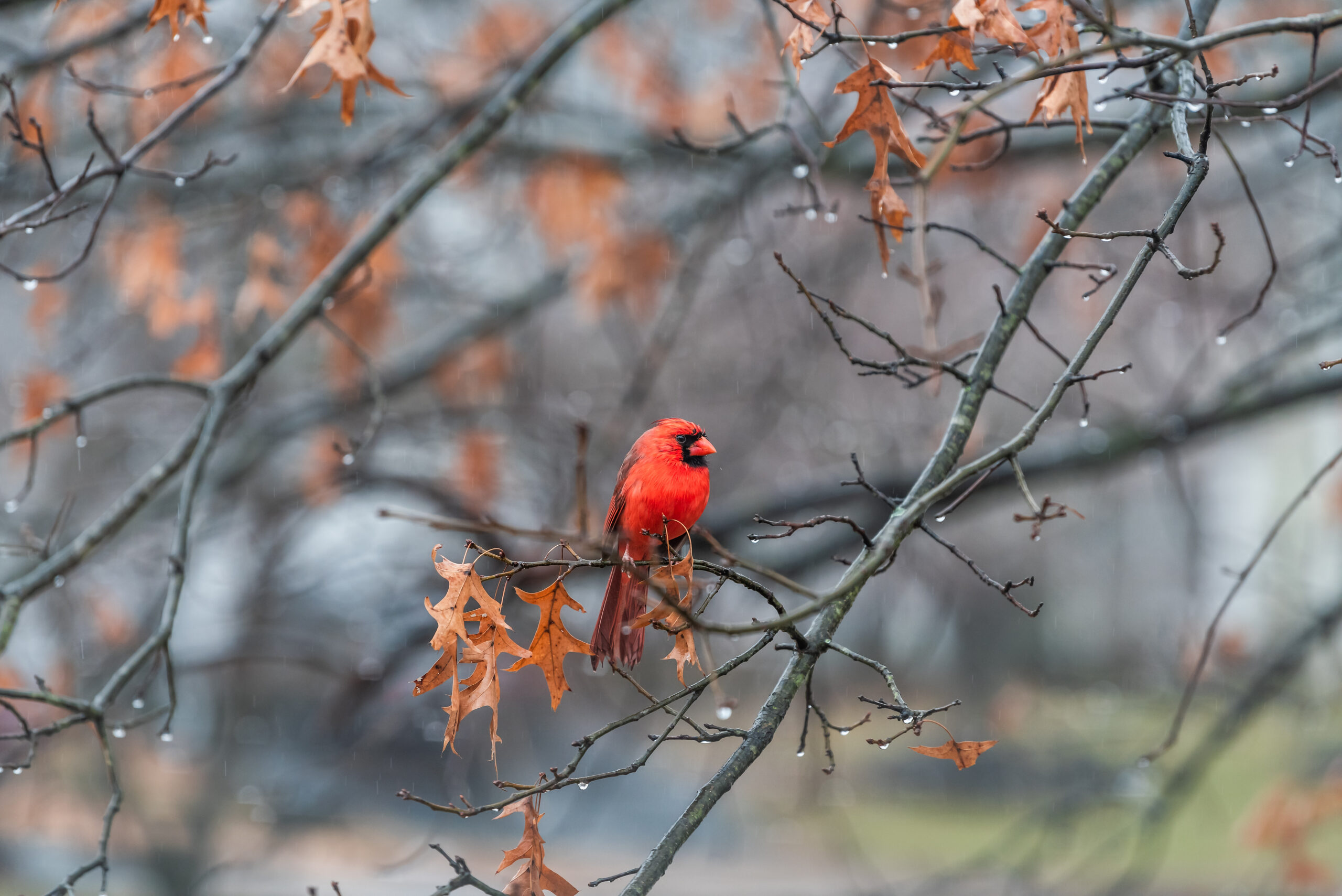
by Amanda Rose Newton, Ph.D. Winter has a way of reminding us who’s really in charge of the garden. One day, the landscape is looking tidy and ready for its winter rest. A few snowstorms, gusty winds, and hungry rabbits...
by Amanda Rose Newton, Ph.D. If your bird feeder is the busiest spot in the yard, imagine what could happen if the rest of the landscape joined in. Bird feeders are a great way to bring feathered visitors closer, but...
With their graceful fronds and incredible texture, ferns can bring something special to nearly any space. Indoors, they add lush greenery to shelves, hanging baskets, and bright corners. Outdoors, hardy ferns can transform shady areas of the garden into layered,...
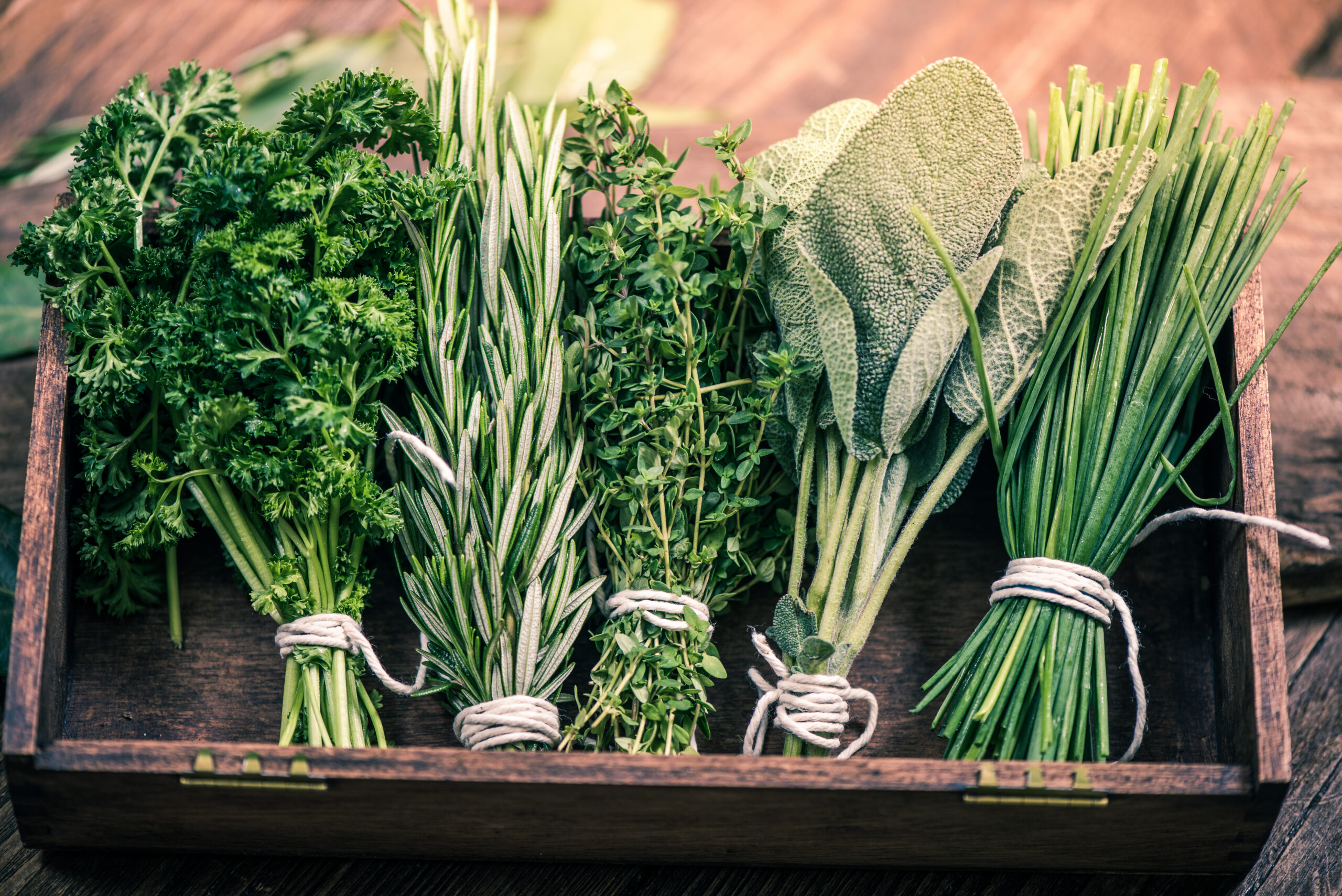
A productive herb garden can keep giving long after the growing season winds down. By harvesting and preserving herbs before cold weather arrives, you can enjoy the flavors of basil, rosemary, thyme, oregano, sage, mint, parsley, and more throughout the...

Libra season (September 23–October 22) is associated with balance, beauty, and connection. Represented by the Scales, Libra is known for being charming, social, and diplomatic, with a natural appreciation for harmony and aesthetics. This zodiac-inspired floral arrangement brings those qualities...
When choosing a tree for your landscape, there are plenty of reasons to look close to home. Native trees are species that have grown naturally in our region for generations, making them an important part of New England’s forests, wildlife...
You’ve probably heard us say that fall is for planting, and September is one of the best months to put that advice into action. Cooler days put less stress on many plants, while the soil is still warm enough to...
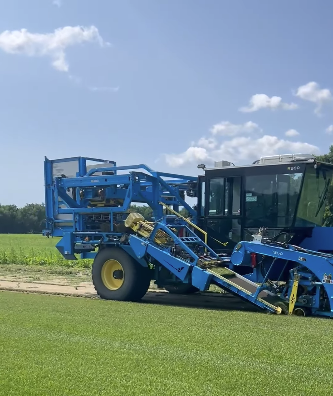
If you’re starting a new lawn, replacing tired turf, or repairing an area that has seen better days, sod gives you one big advantage: an established lawn almost instantly. But the type of sod you choose can make a big...
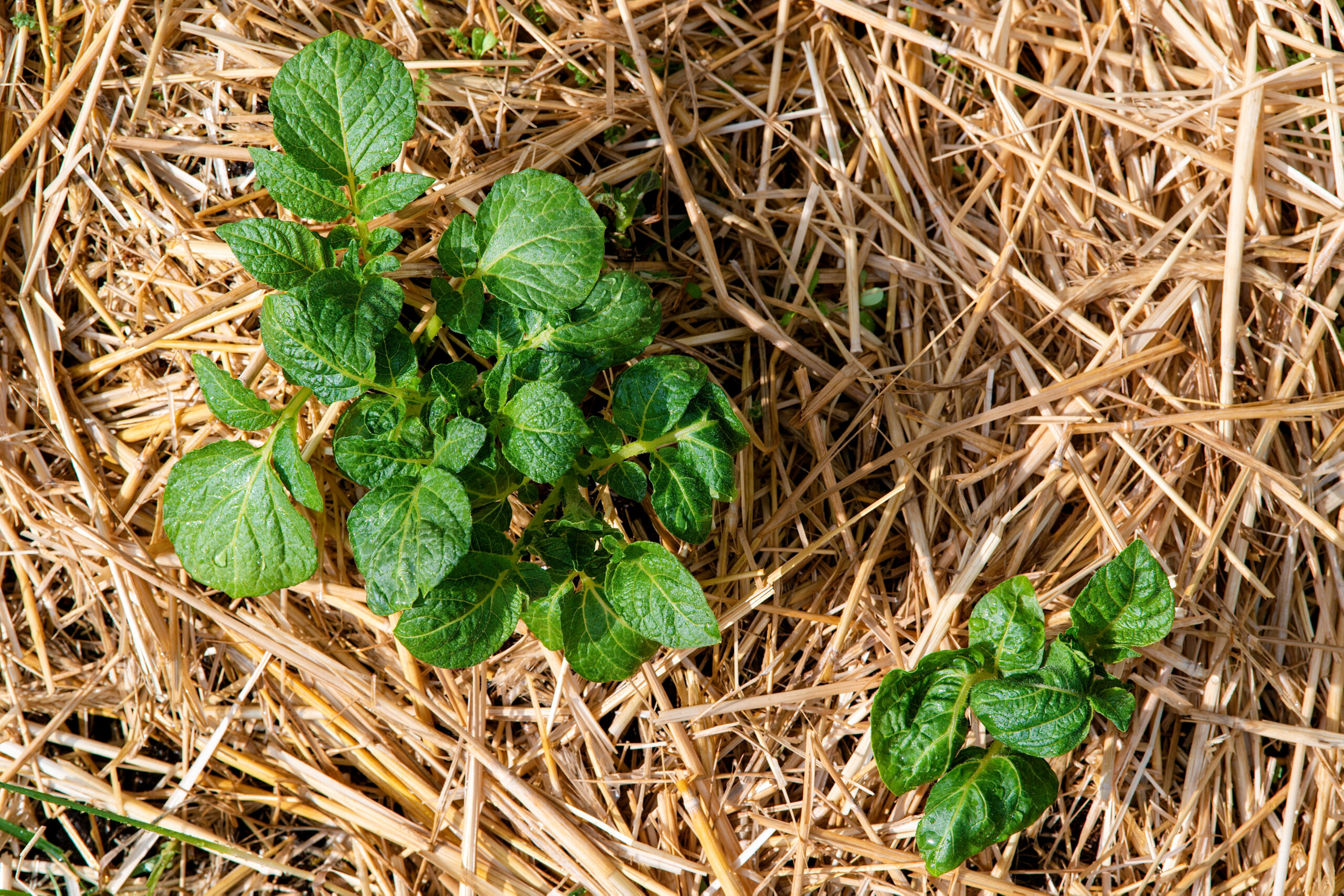
Straw is generally better than traditional field hay for garden mulch because it contains fewer viable seeds and is less likely to introduce weeds. Salt Marsh Hay is the exception. Although technically hay, its seeds are adapted to salty coastal...