- Rinse the Roots
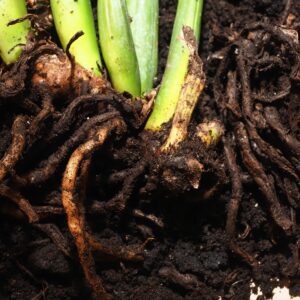
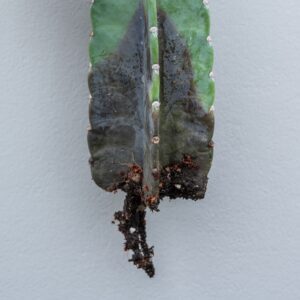
After trimming, rinse the remaining healthy roots under lukewarm water to wash away any lingering soil and fungal spores. This helps clear out any remaining pathogens that might still be clinging to the roots. You can also use the product Revitalize by Bonide on the roots, which helps stimulate an immuno-response in the plant, to fight off the pathogen.
- Let the Roots Dry
Lay the plant on a clean paper towel or cloth and let the roots dry out for a few hours. This step is important to allow the cut roots to callous over and to remove excess moisture, which will help prevent further fungal growth.
- Repot in Fresh, Well-Draining Soil
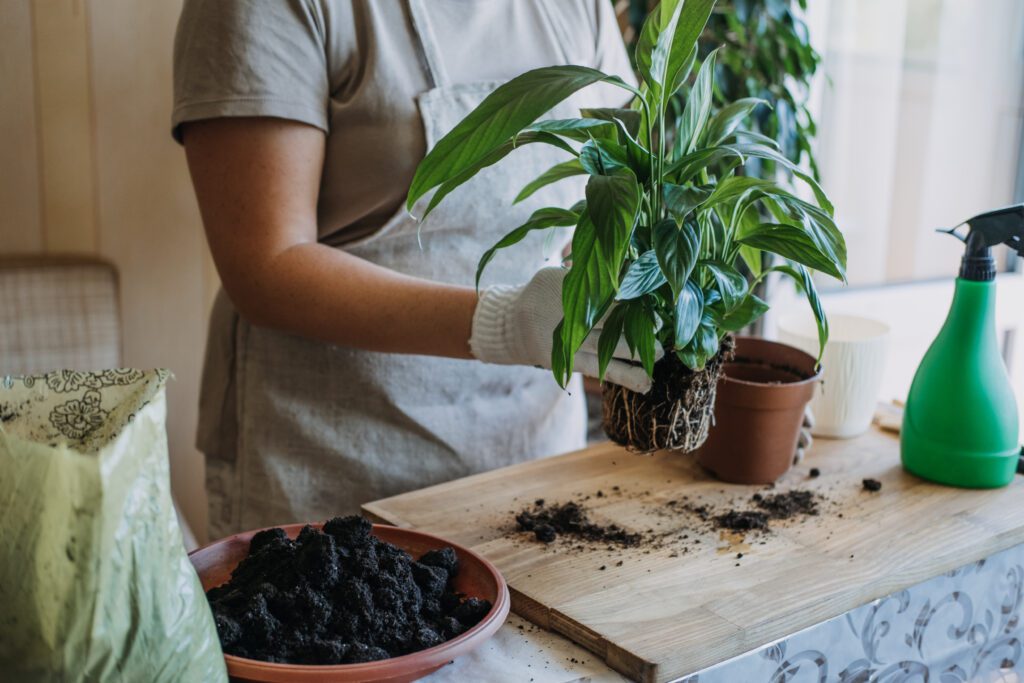
Once the roots have dried, it’s time to repot your plant. Here’s how to do it right:
- Choose a clean pot with drainage holes: If you’re using the same pot, make sure to thoroughly clean and disinfect it to kill any remaining pathogens. A pot with good drainage is essential to prevent water from pooling at the bottom.
- Use fresh, well-draining soil: Opt for a high-quality potting mix that drains well and won’t stay soggy. You can add perlite, pumice, or orchid bark to the mix to improve drainage. Avoid reusing the old soil, as it could still contain fungal spores.
- Water Sparingly
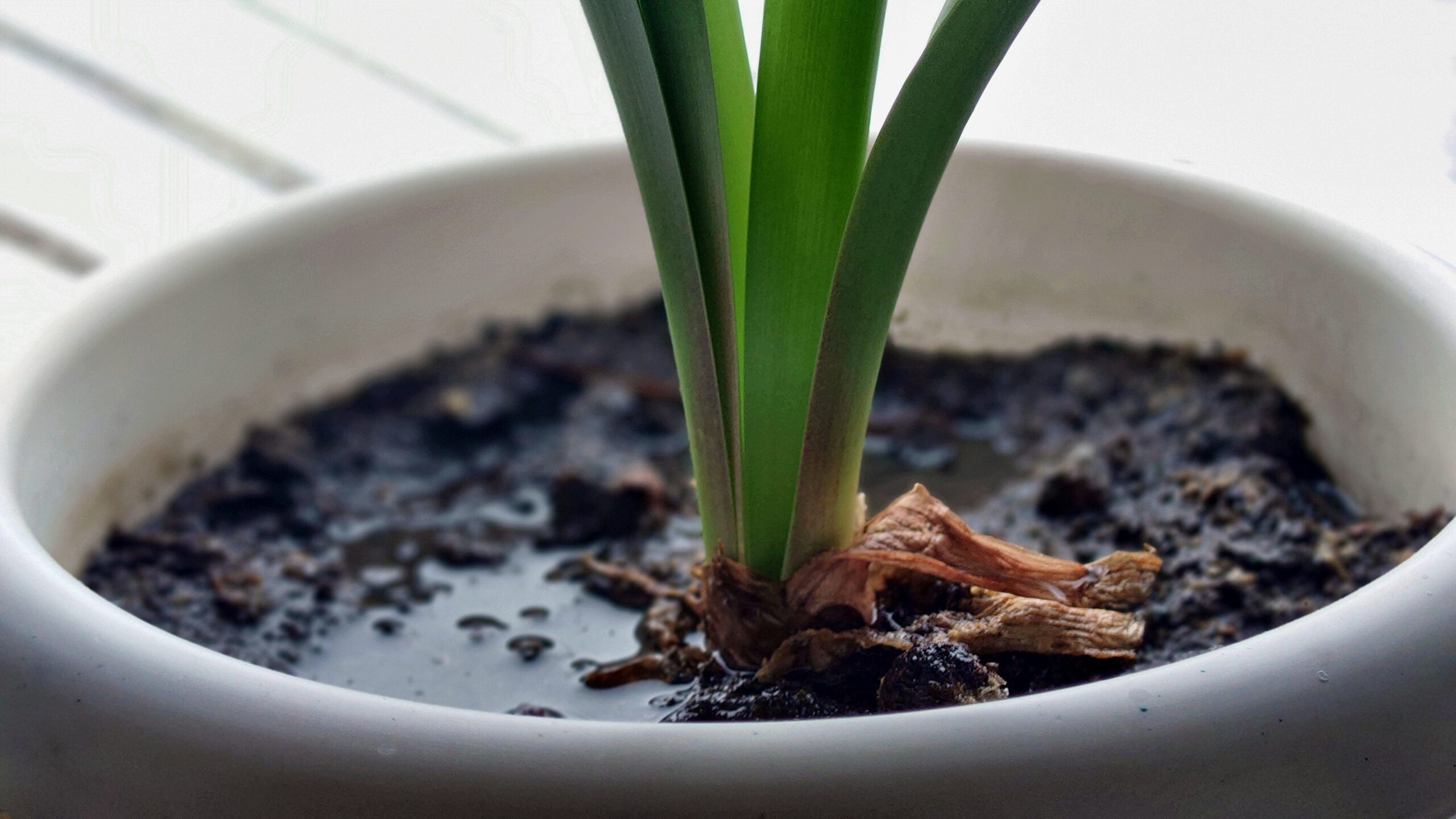
After repotting, don’t water the plant right away. Let it sit in its new pot for a few days to allow the roots to settle and recover. Once you do start watering, do it sparingly—wait until the top 1-2 inches of soil are dry before watering again. Overwatering at this stage could reintroduce the problem.
- Place in a Well-Lit Area
While your plant recovers, place it in a bright spot with indirect light. Avoid direct sunlight, which can stress the plant further. Good lighting helps encourage new growth, which will be key to your plant’s recovery.