Pests are a common problem for indoor gardeners, and they can turn your once-lush plants into stressed, wilting victims. The good news? Most pests are treatable, and with the right approach, you can clear them out and restore your plants to good health.

Let’s go over some of the most common indoor plant pests, how to identify them, and the best methods for treating and preventing infestations.
Common Indoor Plant Pests and How to Treat Them

Spider Mites

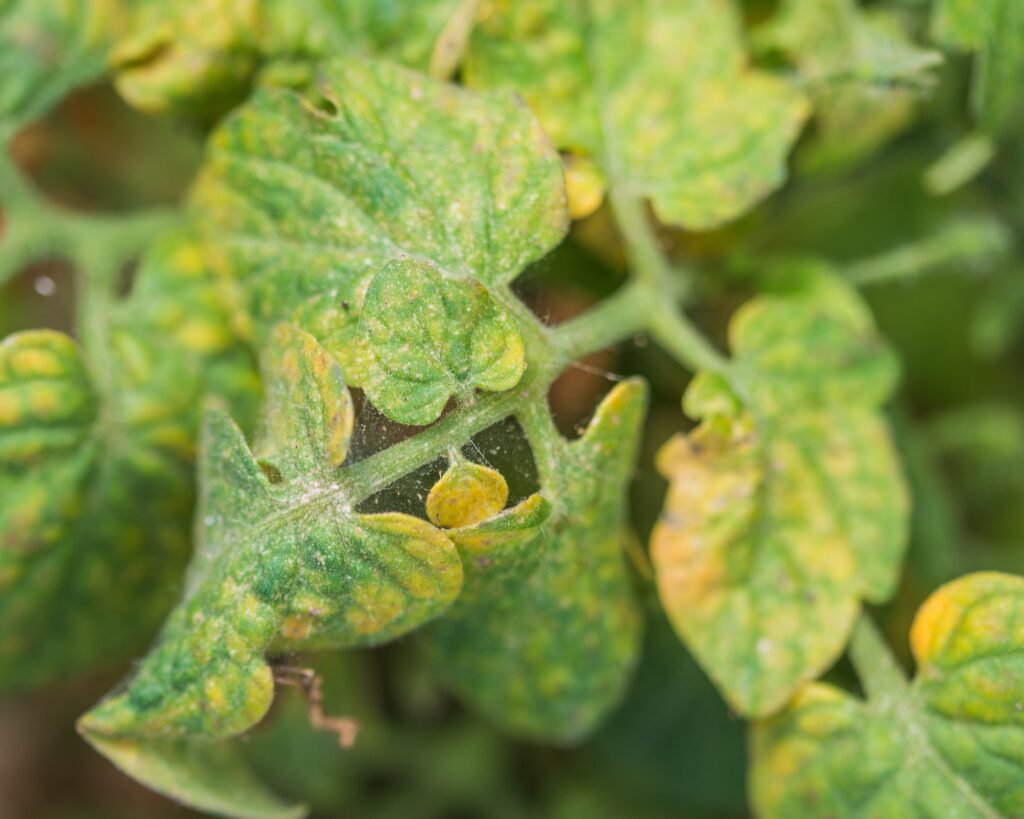
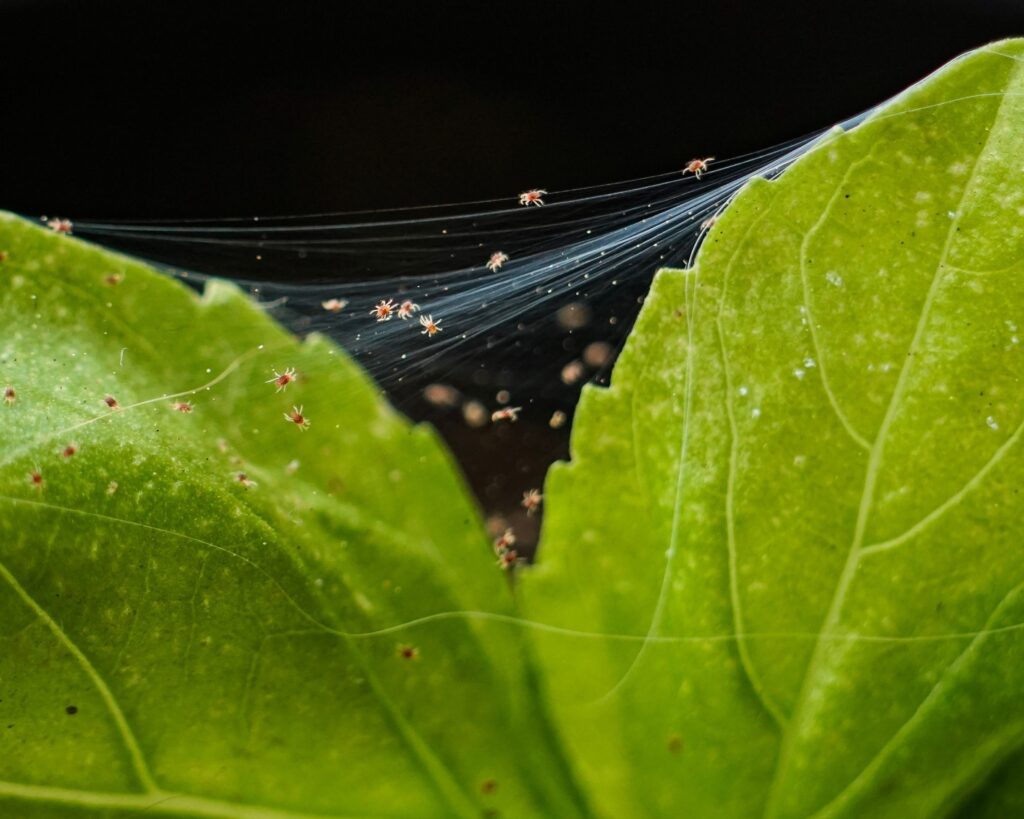
Spider mites are tiny, almost invisible pests that can do a lot of damage if left unchecked. They thrive in dry, warm conditions and tend to hide on the undersides of leaves.

How to spot spider mites:

  • Fine webbing: One of the telltale signs of spider mites is the delicate webbing they leave between leaves and stems.
  • Yellow or speckled leaves: Leaves will develop tiny yellow or brown spots, often looking stippled or speckled as the mites suck the sap from the plant.
  • Wilting or curled leaves: Over time, the leaves may dry out, curl, or drop off due to the loss of nutrients.
indoor plant pests spider mites

How to treat spider mites:

  1. Isolate the plant: Move the affected plant away from other plants to prevent the mites from spreading.
  2. Wash the plant: Rinse the plant thoroughly with a strong stream of water, especially focusing on the undersides of the leaves. This will knock off many of the mites and webbing.
  3. Use insecticidal soap or neem oil: Spray the plant with insecticidal soap or neem oil, making sure to coat both sides of the leaves. Reapply weekly until the infestation is under control.
  4. Increase humidity: Spider mites hate humidity. Misting your plant or placing a humidifier nearby can create an environment where they struggle to thrive.

Mealybugs

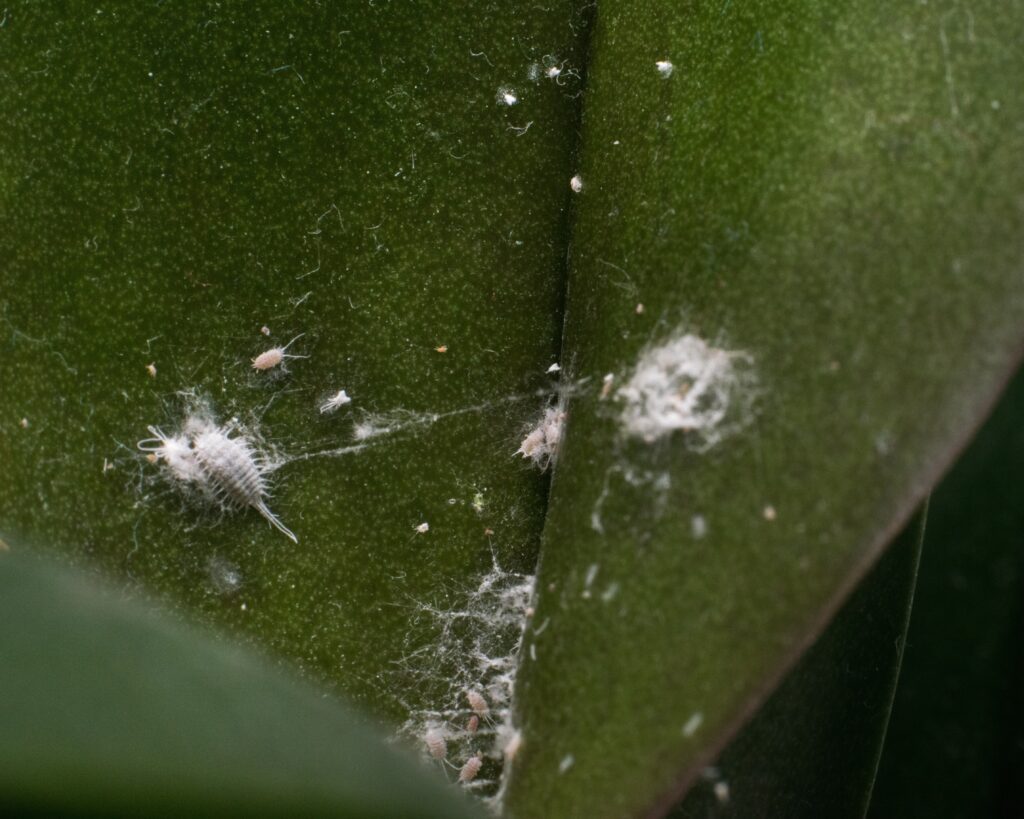
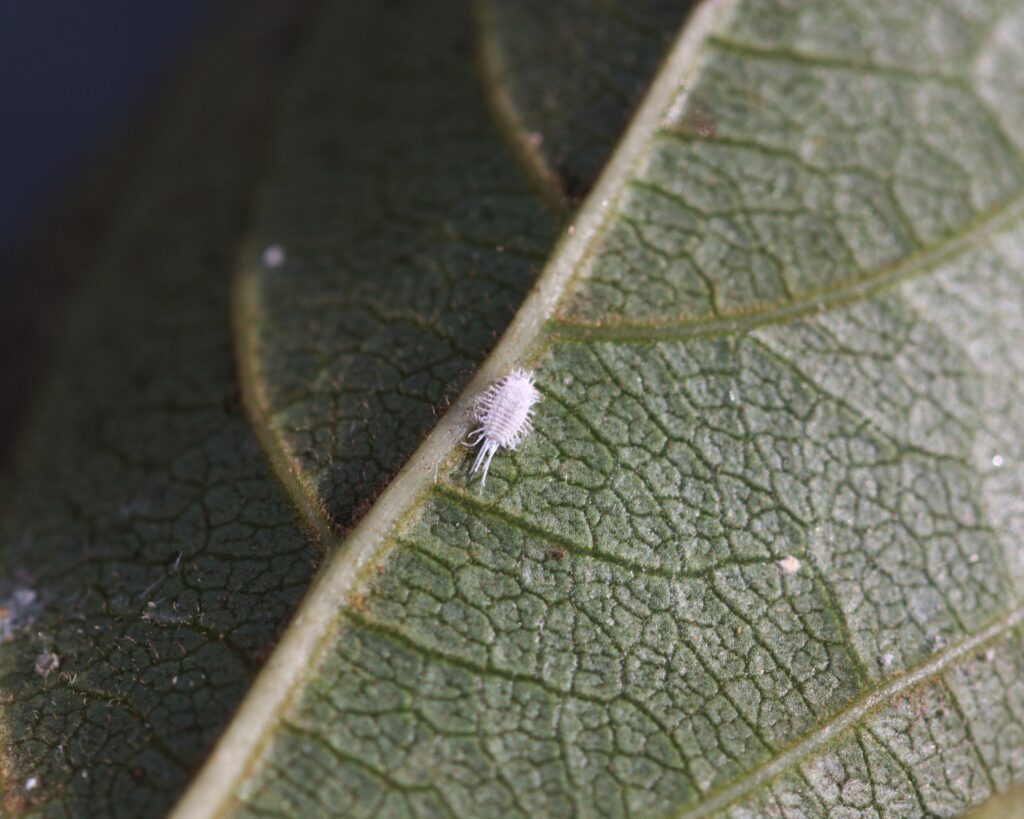
Mealybugs are small, white, cotton-like pests that feed on plant sap and can multiply quickly if not addressed. They’re often found in the joints of stems or on the undersides of leaves.

How to spot mealybugs:

  • White, fluffy clusters: Mealybugs look like small, cottony masses. You’ll often find them in the nooks where leaves meet stems.
  • Sticky residue: Mealybugs excrete a sugary substance called honeydew, which can leave your plant feeling sticky and attract ants.
  • Yellowing or wilting leaves: As mealybugs drain the sap, the plant’s leaves may turn yellow, wilt, or drop.
mealybugs
indoor plant pests mealybugs
indoor house plant pests mealybugs
mealybugs

How to treat mealybugs:

  1. Isolate the plant: Mealybugs spread easily, so move your plant away from others to prevent them from infesting nearby plants.
  2. Wipe them off: Use a cotton swab dipped in rubbing alcohol to wipe away the mealybugs. The alcohol will kill them on contact.
  3. Spray with insecticidal soap or neem oil: After removing as many bugs as you can, spray the plant with insecticidal soap or neem oil to target any remaining bugs or eggs. Repeat weekly until the problem is under control.
  4. Keep an eye on them: Mealybugs are persistent, so keep checking your plant regularly and treat it as needed.

Fungus Gnats

Fungus gnats are tiny black flies that hover around the soil of indoor plants. They’re more of an annoyance than a serious threat to your plant’s health, but their larvae can damage young roots if left unchecked.

How to spot fungus gnats:

  • Tiny black flies: Adult fungus gnats look like small black flies hovering near the soil surface or flying around the plant.
  • Slow plant growth: If the larvae are feeding on the roots, you may notice stunted or slower growth in your plant.
  • Damp soil: Fungus gnats are attracted to consistently moist soil, where they lay their eggs.
indoor plant pests fungus gnats

How to treat fungus gnats:

  1. Let the soil dry out: Fungus gnats thrive in moist environments. Let the top 2 inches of soil dry out completely before watering again to disrupt their breeding cycle.
  2. Use yellow sticky traps: Place sticky traps near the plant to catch adult gnats. This helps reduce the population over time.
  3. Treat the soil: The best way to get rid of fungus gnats is two hit them with a two pronged approach: yellow sticky traps to get the adults and treating the soil to get rid of the larvae.  You can do this by treating the soil with neem oil, mosquito bits, or captain jack’s dead bug brew.
  4. Repot if needed: If the infestation is severe, repot the plant in fresh soil, discarding the old soil where the larvae are breeding.

Aphids

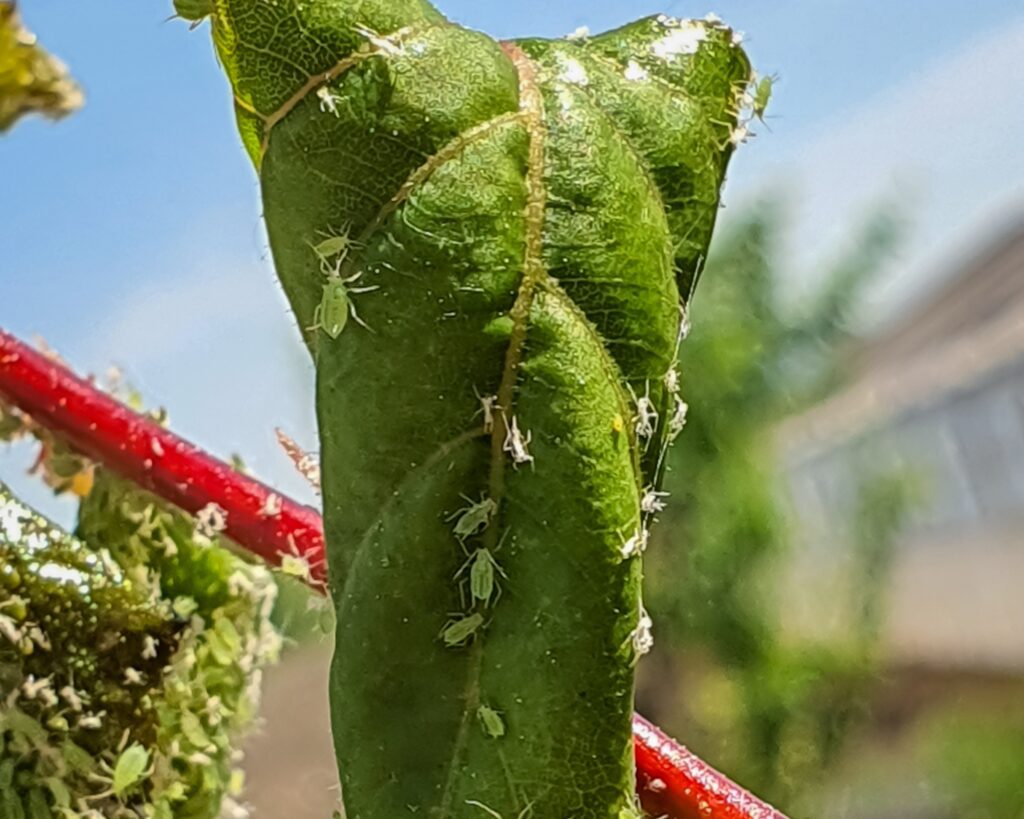
Aphids are small, soft-bodied insects that can be green, black, yellow, or white. They feed on plant sap, usually gathering on new growth or flower buds. Aphids can multiply rapidly, making them tricky to control if not addressed early.

How to spot aphids:

  • Clusters of small insects: Aphids typically cluster on the stems, new leaves, or flower buds.
  • Sticky honeydew: Like mealybugs, aphids excrete honeydew, leaving a sticky residue on the plant. This can also lead to sooty mold growth.
  • Distorted or curling leaves: As aphids feed on the plant’s sap, the new growth may become misshapen, and the leaves may curl or crinkle.
aphids
honeydew pest damage
aphid
aphids

How to treat aphids:

  1. Blast them with water: Rinse the plant with a strong stream of water to knock off as many aphids as possible. Do this regularly to keep the population in check.
  2. Use insecticidal soap or neem oil: Spray the plant thoroughly with insecticidal soap or neem oil. Aphids are soft-bodied and die quickly when exposed to these treatments. Be sure to coat both the top and bottom of the leaves.
  3. Introduce beneficial insects: If you’re growing plants outdoors or in a greenhouse, releasing ladybugs or lacewings can help keep aphids under control naturally.
  4. Prune heavily infested areas: If a section of the plant is severely infested, you can trim away the affected parts to help stop the spread.

Scale

Scale insects are tricky to spot because they look like small, raised bumps on the stems and leaves of your plants. These pests attach themselves to plants and suck out the sap, leaving behind sticky honeydew and weakening the plant over time.

How to spot scale:

  • Hard, brown, or gray bumps: Scale insects look like small, immobile bumps on the stems, branches, or leaves of the plant. They can be brown, gray, or even yellow, depending on the species.
  • Sticky honeydew: As with aphids and mealybugs, scale excretes honeydew, which can lead to sooty mold or attract ants.
  • Yellowing or dropping leaves: Scale insects weaken the plant by feeding on its sap, causing the leaves to yellow, wilt, or drop.
scale
scale

How to treat scale:

  1. Manually remove them: Gently scrape the scale insects off the plant using a soft toothbrush, cotton swab dipped in rubbing alcohol, or your fingernail.
  2. Spray with horticultural oil or neem oil: After removing as many as you can, treat the plant with horticultural oil or neem oil, which smothers the remaining scale. Reapply weekly until the infestation is under control.
  3. Prune infested areas: If the infestation is severe, it may be best to prune the heavily infested parts of the plant to prevent the scale from spreading further.

How to Prevent Indoor Plant Pests

Once you’ve treated an infestation, it’s important to take steps to prevent pests from returning. Here’s how to keep your indoor plants pest-free:

  1. Inspect new plants: Always inspect new plants before bringing them inside. Look closely for signs of pests, especially on the undersides of leaves and around the stems.
  2. Quarantine new plants: Keep new plants isolated for a week or two before placing them near your other plants. This gives you time to spot any hidden pests.
  3. Wipe down the leaves regularly: Dust and dirt can attract pests, so give your plants a regular wipe-down with a damp cloth to keep their leaves clean and pest-free.
  4. Avoid overwatering: Many pests, like fungus gnats, are attracted to damp soil. Water your plants only when the top 1-2 inches of soil are dry to discourage pests.
  5. Increase humidity: Some pests, like spider mites, thrive in dry conditions. Increase humidity around your plants by misting or placing them on a tray with pebbles and water.
  6. Regularly check for pests: Make it a habit to regularly check your plants for signs of pests. Early detection is key to preventing an infestation from getting out of control.

While dealing with pests can be frustrating, most infestations can be managed with the right approach. Whether it’s aphids, spider mites, or scale, catching the problem early and taking quick action will help your plants stay healthy and thriving.

Remember, prevention is the best method—keeping your plants clean, well-watered, and regularly inspected will go a long way in preventing future pest problems. 🌿


Need help treating a pest problem?
Visit us at any of our locations for pest control products, insecticidal soaps, and expert advice on keeping your indoor plants pest-free!