
February 9, 2026
Citrus Trees at Home: Winter Care Tips for Lemons, Limes & More
There’s something deeply cheering about a citrus tree in winter. Glossy green leaves, fragrant blossoms, and the hope of homegrown lemons or limes can feel downright magical when everything outside is frozen solid. But if you garden in New England, you already know: citrus trees don’t exactly love our winters.
The good news? With a few winter-specific strategies, you can keep your citrus healthy, happy, and well-positioned for flowering and fruiting once spring returns. And once it does, you can check out our blog on year round care for your citrus plants here!

First, a Quick Reality Check (New England Edition)
Citrus trees are tropical to subtropical plants. That means:
- They must come indoors once temperatures dip below about 45–50°F.
- Winter is naturally a rest period, not peak growth or fruit production.
- Fruit drop, slowed growth, or leaf shed can happen—and that doesn’t mean you’re failing.
The goal of winter care isn’t to push growth. It’s to maintain health so your tree is ready to perform when the days lengthen again.
Light Is Everything (And Winter Light Is Tricky)
Short days and weak winter sun are the biggest challenges for citrus indoors.
Winter tips that really matter:
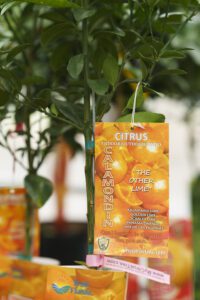
- Place citrus in your brightest south- or southwest-facing window.
- Rotate the pot every week or two so growth stays even.
- If natural light is limited, a grow light for 10–12 hours a day can make a noticeable difference, especially for flowering varieties like lemons and limes.
In New England, supplemental light often separates a tree that merely survives winter from one that rebounds beautifully in spring.
 Temperature: Stable Beats Warm
Citrus prefers cooler nights and mild days—but hates sudden changes.
Aim for:
- Daytime temps: 60–70°F
- Nighttime temps: 55–65°F
Avoid:
- Heat vents, radiators, or fireplaces
- Drafty doors or windows
- Frequent room-to-room moves
Consistency helps prevent leaf drop and stress, which are common winter complaints.
Water Less—But Don’t Forget It
Growth slows dramatically in winter, so citrus uses less water.
Winter watering rules of thumb:
- Let the top inch or two of soil dry out before watering again.
- Water thoroughly, then let excess drain away.
- Never let the pot sit in standing water.
Overwatering in winter is one of the fastest ways to cause root issues, especially indoors where evaporation is slow. Click here to learn more about overwatering, including how to avoid it and how to help an overwatered plant!
Humidity Helps More Than You Think
Indoor winter air in New England is dry. Citrus notices.
Simple humidity boosts:
- Group plants together
- Use a pebble tray with water beneath the pot
- Run a small humidifier nearby
Healthier humidity levels help prevent leaf curl, crispy edges, and spider mite problems.
Fertilizing: Ease Off (Mostly)
If your citrus is actively growing or holding fruit, light feeding may be okay—but winter is not the time to push it.
- Reduce feeding frequency significantly.
- Skip fertilizing altogether if growth has slowed or stopped.
- Resume regular feeding in early spring as light and growth increase.
Think “maintenance mode,” not “growth mode.”
About Flowers and Fruit Indoors
Many New England citrus trees drop flowers or young fruit in winter, even under good care. This is normal.
To improve your chances long-term:
- Make sure the plant gets strong light year-round
- Keep temperatures steady
- Hand-pollinate indoor flowers with a soft brush if blooms appear
Even if fruit doesn’t mature this winter, healthy foliage and spring flowering are wins.
 Watch for Winter Pests
Dry indoor conditions are prime territory for spider mites and scale.
Check:
- Leaf undersides
- Stem joints
- Any sticky residue or fine webbing
Early detection and prompt treatment make a huge difference during the slower winter months. Click here to learn about how to prevent and treat common houseplant pests.
The Big Picture: Winter Is a Holding Pattern
In New England, overwintering citrus is about patience. You’re keeping the tree strong, stress-free, and ready to thrive once it can head back outdoors after the last frost.
A calm, healthy winter often leads to better flowering, stronger growth, and improved fruiting in the seasons that follow.
If you have questions about overwintering citrus—or want help choosing grow lights, fertilizer, or the right pot—stop by and talk with our team. We’re always happy to help you keep a little sunshine growing indoors all winter long.