
A productive herb garden can keep giving long after the growing season winds down. By harvesting and preserving herbs before cold weather arrives, you can enjoy the flavors of basil, rosemary, thyme, oregano, sage, mint, parsley, and more throughout the winter.
The best preservation method depends on the herb. Some herbs retain their flavor beautifully when dried, while others are much better frozen. With a little preparation, you can stock your kitchen with homegrown herbs and make the most of everything you grew this season.
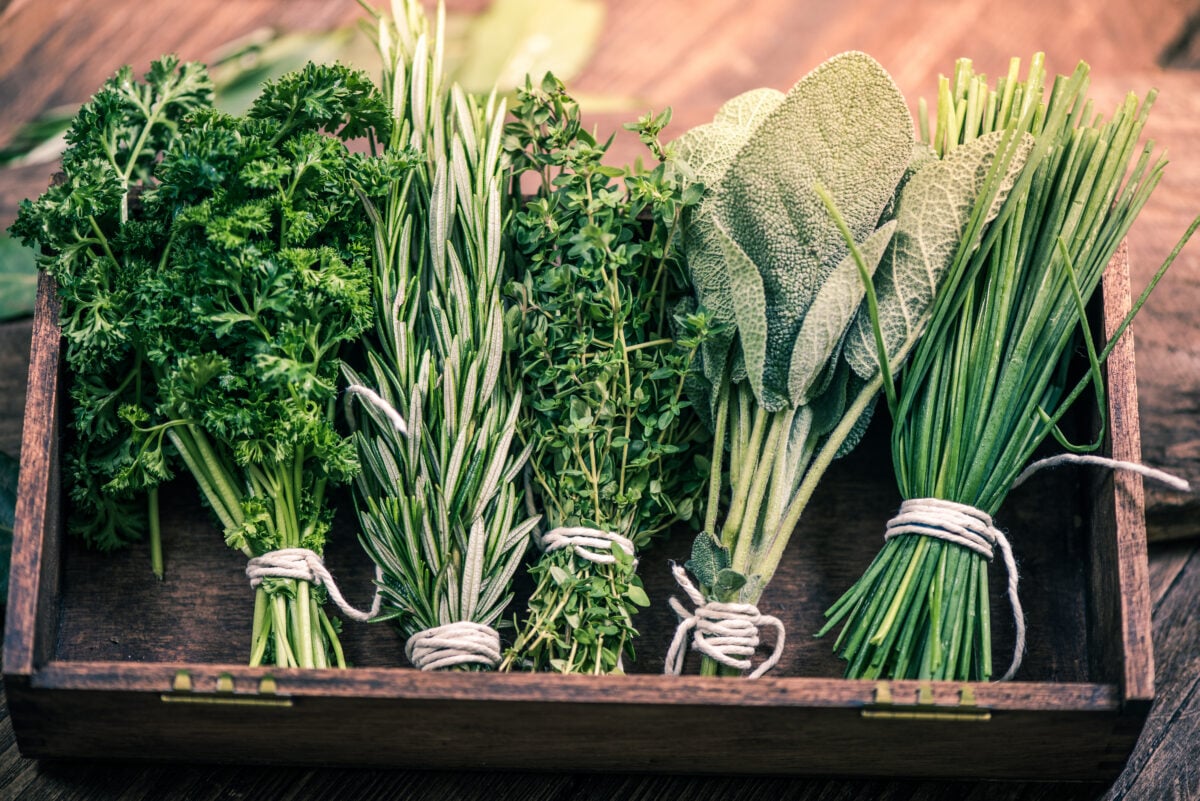
When Should You Harvest Herbs?
For the best flavor, harvest herbs while the plants are healthy and actively growing, ideally before they are damaged by frost. Many herbs contain their highest concentration of flavorful oils shortly before flowering.
Morning is usually the best time to harvest, after the dew has dried but before the heat of the day. Use clean, sharp scissors or pruners and choose healthy leaves and stems without signs of disease, insect damage, or discoloration.
For perennial herbs such as thyme, oregano, sage, mint, and chives, avoid removing so much growth late in the season that the plant has difficulty heading into winter. A moderate final harvest is usually better than cutting the entire plant back heavily.
Tender herbs such as basil should be harvested before temperatures become too cold, since they can quickly decline once chilly weather arrives.
Should You Wash Herbs Before Preserving Them?
If your herbs are clean, they may only need a gentle inspection to remove insects or debris. Herbs that do need washing can be rinsed carefully under cool water.
The important part is making sure they are completely dry afterward. Excess moisture can slow the drying process and encourage mold.
Gently pat herbs dry with a clean towel or use a salad spinner, then spread them out until no surface moisture remains before drying or storing them.
Which Herbs Are Best for Drying?
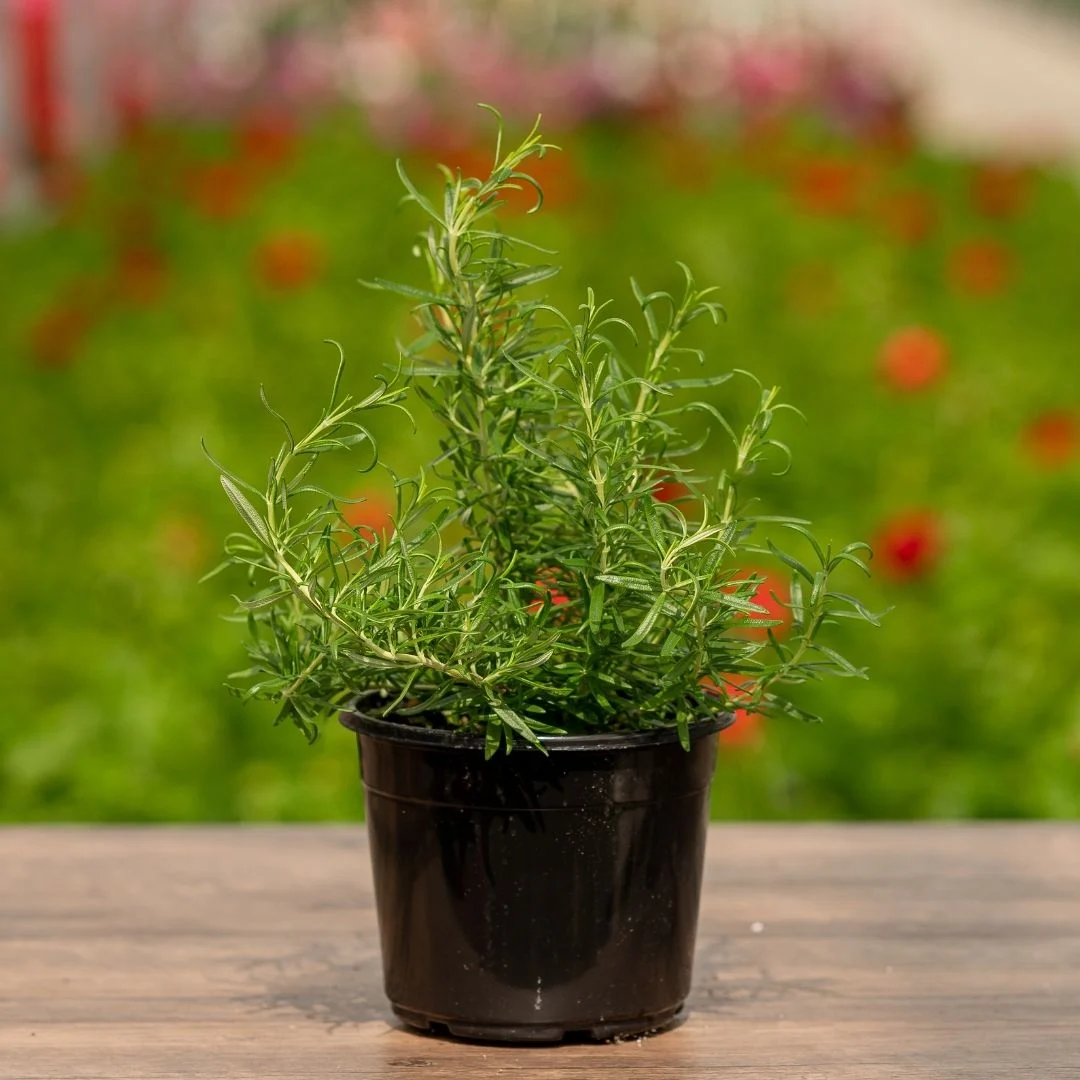
Basil, parsley, cilantro, chives, and similar tender herbs can also be dried, but they often lose more of their fresh flavor and color. Freezing is usually a better choice when you want to preserve their brighter flavor.
How Do You Air-Dry Herbs?
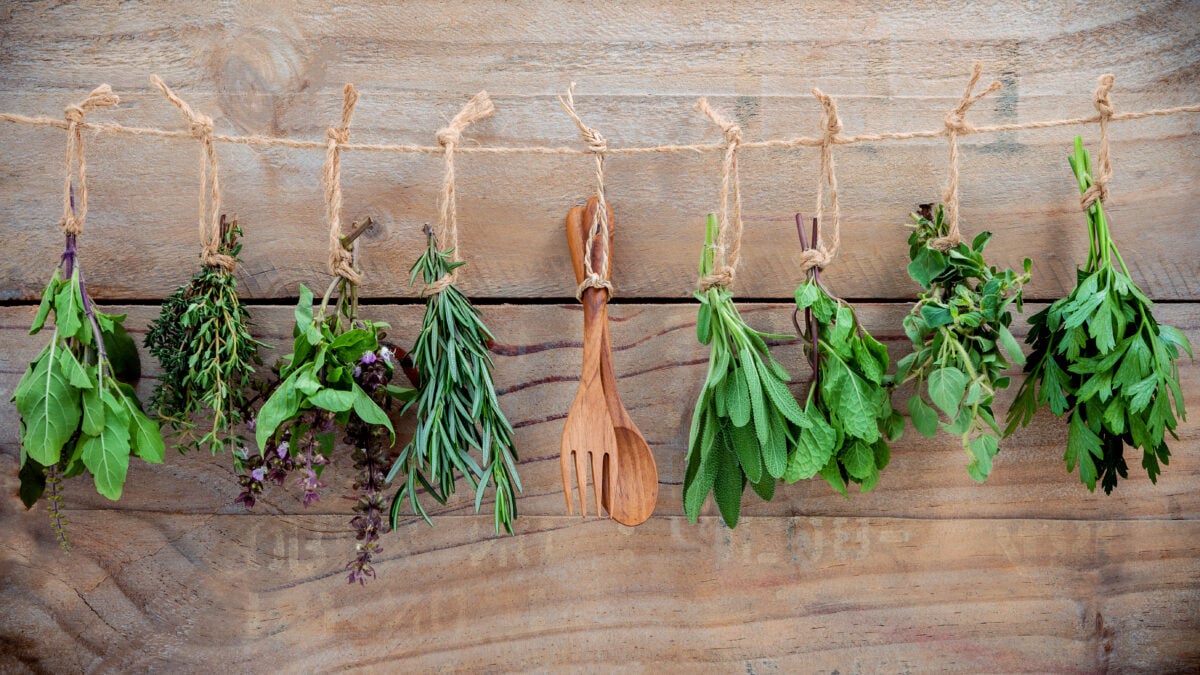
Air-drying is one of the simplest preservation methods, particularly for herbs such as rosemary, thyme, oregano, and sage.
Gather several small stems together and loosely tie them into bundles. Avoid making the bundles too large, since good airflow helps prevent mold.
Hang them upside down in a dry, well-ventilated area away from direct sunlight. Depending on the herb and conditions in the room, drying may take approximately one to several weeks.
The herbs are ready when the leaves feel crisp and crumble easily between your fingers.
You can also place individual leaves or short stems in a single layer on a drying screen or rack if you prefer not to hang them.
Can You Dry Herbs in the Oven?
Yes, although very low heat is important. High temperatures can quickly reduce the oils responsible for an herb’s flavor and aroma.
Spread the herbs in a single layer on a baking sheet and use your oven’s lowest available temperature. Keep a close eye on them and remove them once the leaves are completely dry and crisp.
Because ovens vary significantly in their lowest temperature settings, drying time will vary as well.
A food dehydrator can also work well because it provides consistent airflow and controlled low temperatures. Follow your dehydrator manufacturer’s recommendations for herbs.
What Is the Best Way to Freeze Fresh Herbs?
Freezing is especially useful for herbs such as basil, parsley, cilantro, dill, and chives.
One simple option is to wash and completely dry the herbs, chop them if desired, and freeze them in a freezer-safe container or bag. Remove as much excess air as possible before sealing.
Another convenient method is freezing chopped herbs in ice cube trays. Add the herbs to each compartment and cover them with water or olive oil, depending on how you plan to cook with them. Once frozen, transfer the cubes to a labeled freezer container.
Herb cubes can be added directly to soups, sauces, stews, sautés, and other cooked dishes.
Keep in mind that frozen herbs generally become softer after thawing, so they are usually better for cooking than for fresh garnishes.
Can You Preserve Basil for Winter?
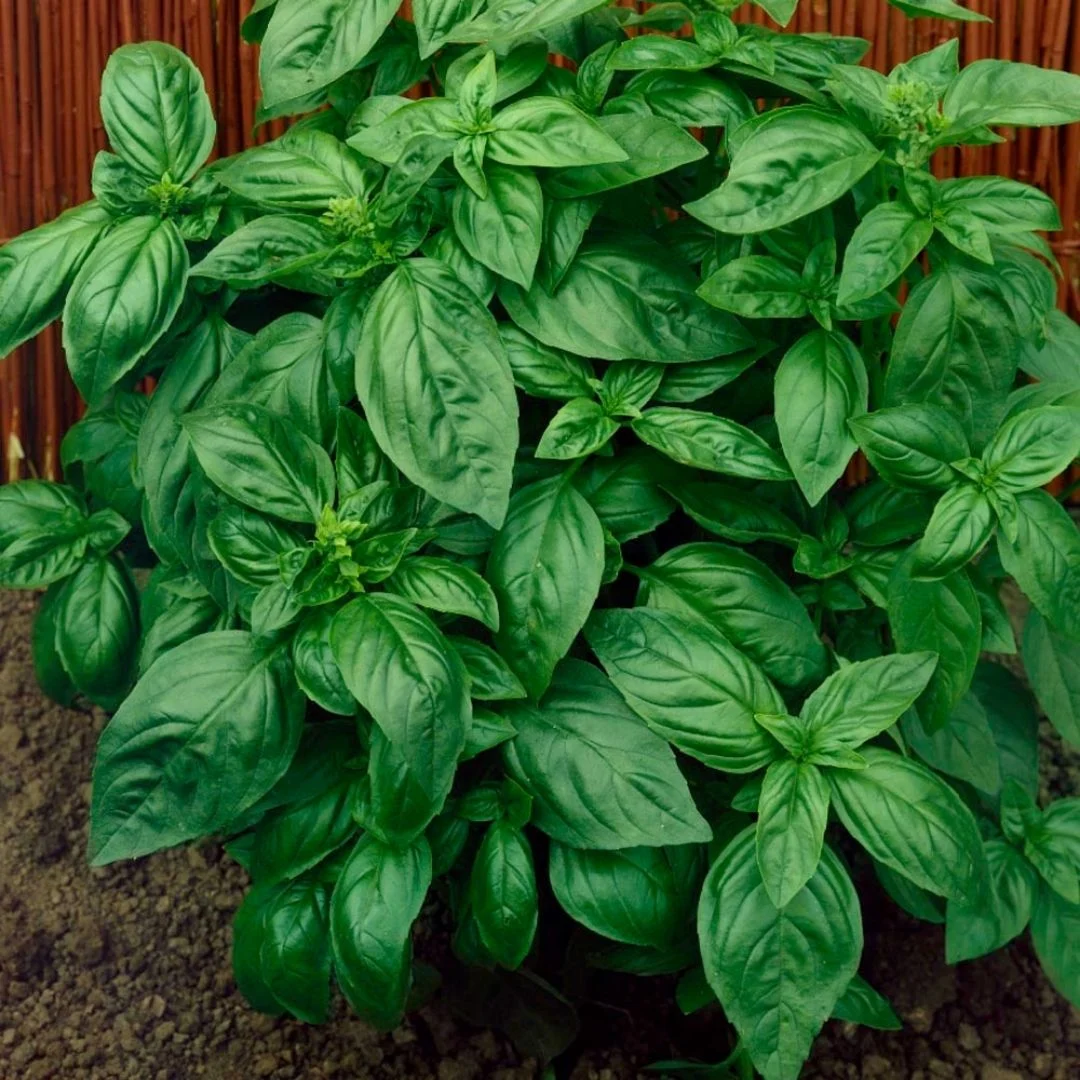
Basil deserves special attention because drying can significantly change its flavor.
Freezing is one of the easiest ways to preserve that fresh basil character. Leaves can be chopped and frozen in olive oil, blended with a small amount of oil before freezing, or made into pesto and frozen in small portions.
This is also a great way to use up a large basil harvest before cool fall temperatures arrive.
How Should You Store Dried Herbs?
Once herbs are completely dry, remove the leaves from their stems and store them in airtight containers.
Keep the containers in a cool, dark, dry location such as a pantry or cabinet. Light, heat, air, and moisture gradually reduce flavor and quality.
Label each container with the herb and the date it was preserved. It can be surprisingly difficult to identify a jar of dried green leaves several months later!
For maximum flavor, consider storing leaves as whole as possible and crushing them shortly before cooking. Whole dried leaves generally retain their aroma longer than herbs that have already been finely ground.
Before storing a batch for the season, check that the herbs are completely dry. Any remaining moisture can encourage mold and spoil the entire container.
How Long Do Home-Dried Herbs Last?
Dried herbs do not suddenly become unusable on a particular date, but their flavor gradually fades.
Check your herbs occasionally by rubbing a small amount between your fingers and smelling them. If the aroma has become very faint, it is probably time to replace them with a fresher batch.
Labeling containers with the harvest year makes it much easier to keep track.
What Else Can You Do With Extra Herbs?
If your garden produced more herbs than you can dry or freeze, there are plenty of other ways to use them.
Fresh herbs can be turned into pesto, compound butter, herb salt, sauces, marinades, or infused vinegars. Check out our recipes here! Dried herbs can also be blended into homemade seasoning mixes.
And if you still have more than you need, sharing a bundle of homegrown herbs with friends or neighbors is a pretty good problem to have.
Make the Most of Your Herb Garden
Preserving herbs is a simple way to extend the harvest and enjoy something from your garden even in the middle of winter. Experiment with both drying and freezing to see which methods preserve the flavors you use most often.
Before the first hard freezes bring the herb-growing season to an end, stop by Mahoney’s Garden Centers for harvesting tools, storage supplies, fresh herbs, and advice on getting your garden ready for winter.
FAQs About Harvesting and Preserving Herbs
Should I harvest herbs before the first frost?
Tender herbs such as basil should be harvested before frost or prolonged cold weather damages them. Hardy perennial herbs can tolerate colder temperatures, but harvesting healthy foliage before winter gives you better material for drying or freezing.
Is it better to dry or freeze fresh herbs?
It depends on the herb. Rosemary, thyme, oregano, and sage generally dry very well, while basil, parsley, cilantro, dill, and chives often retain more of their fresh flavor when frozen.
How do I know when dried herbs are ready to store?
Leaves should feel completely dry and crisp and should crumble easily when rubbed between your fingers. If they still feel flexible or cool and moist, allow them to continue drying before placing them in an airtight container.
Why did my dried herbs develop mold?
Mold usually indicates that moisture remained in the herbs or that they were stored before they were fully dry. Poor airflow during drying can also contribute, particularly when herbs are tied into bundles that are too large.
Can I use frozen herbs directly from the freezer?
Yes. For most cooked dishes, frozen herbs can go directly into soups, sauces, stews, and sautés without thawing. Because freezing changes their texture, they are generally best used in cooking rather than as a fresh garnish.