
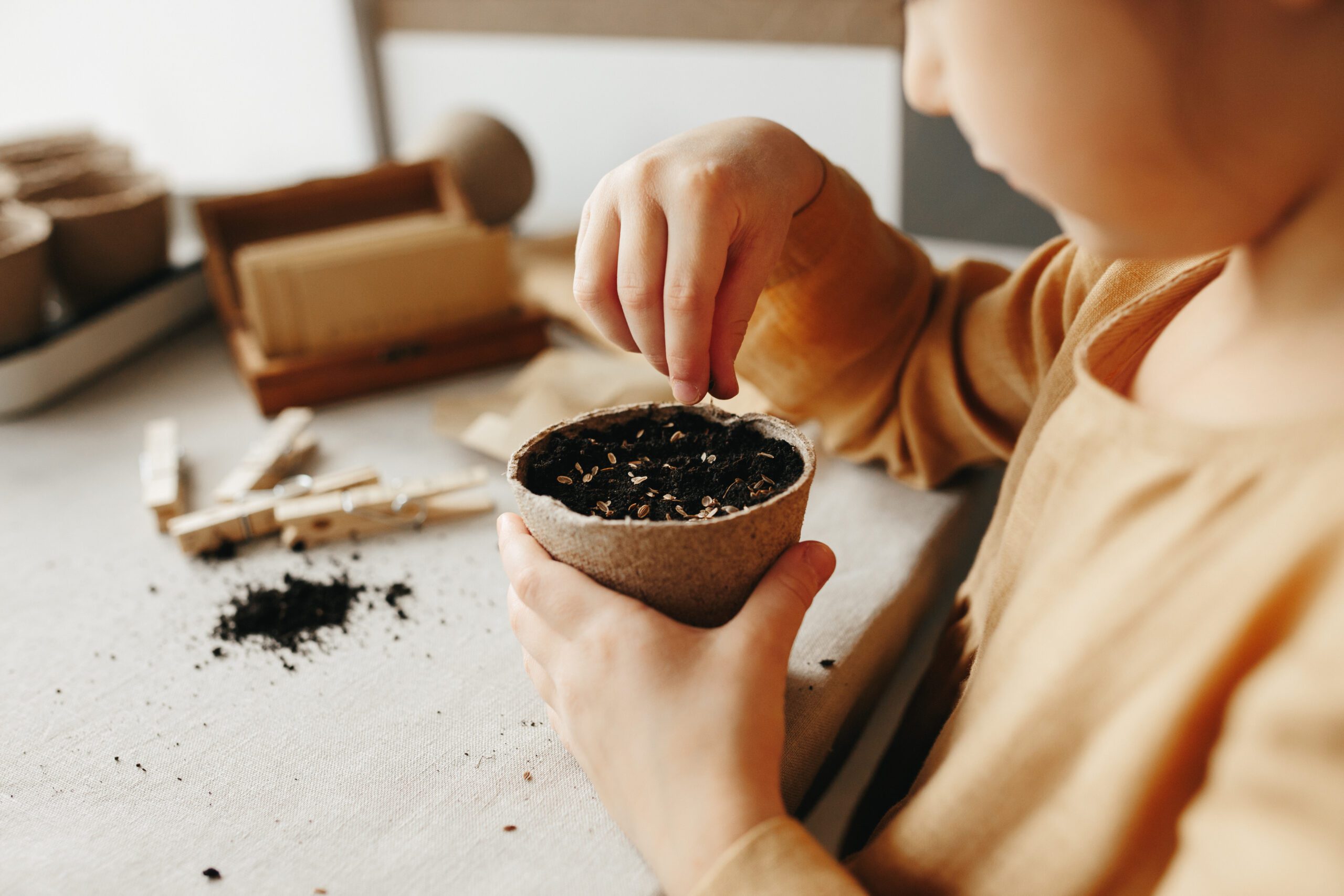
Mahoney’s is proud to be a sponsor of the KidsGardening Garden Youth Grant Program, an initiative that aligns with our mission to create opportunities for kids to play, learn, and grow through gardening. Check out some of the activities below to bring that mission into your own life!
When it’s cold outside and the garden beds are resting under snow, it can feel like growing season is a long way off. But here’s the good news: you can grow your own fresh salad indoors — even in the middle of winter.
Through our partnership with KidsGardening, we’re excited to share a simple, hands-on activity that’s perfect for families, classrooms, and anyone craving a little green during the colder months.
Why Grow Greens Indoors?
Leafy greens are some of the easiest crops to grow inside. Lettuce, spinach, mesclun mix, mustard greens, and kale don’t need much space — and you can start harvesting in just a few weeks.
Unlike fruiting vegetables like tomatoes or cucumbers (which need more room and stronger light), greens are happy with:
- A bright window (south-facing is best)
- Or a simple grow light setup
- A pot or recycled container
- Potting soil
- Seeds
It’s simple, satisfying, and incredibly rewarding — especially for kids who get to watch their food grow from seed to salad.
 What You’ll Need
- Seeds (look for quick-maturing varieties like ‘Tom Thumb’ or ‘Black Seeded Simpson’ lettuce, or try arugula or mesclun mix)
- Growing containers (pots or recycled clear salad containers work great!)
- Soilless potting mix
- A sunny window or grow lights
Tip: If you’re using recycled containers, be sure to poke drainage holes in the bottom and place a dish underneath.
Step-by-Step: Planting Your Indoor Salad
1. Moisten the Soil
Before filling your container, mix water into the potting soil until it feels like a damp sponge — moist but not dripping.
2. Sow the Seeds
Sprinkle seeds about 1 inch apart across the surface. Lightly cover them with a thin layer of soil. (Greens have tiny seeds, so younger gardeners may need a little help here.)
3. Give Them Light
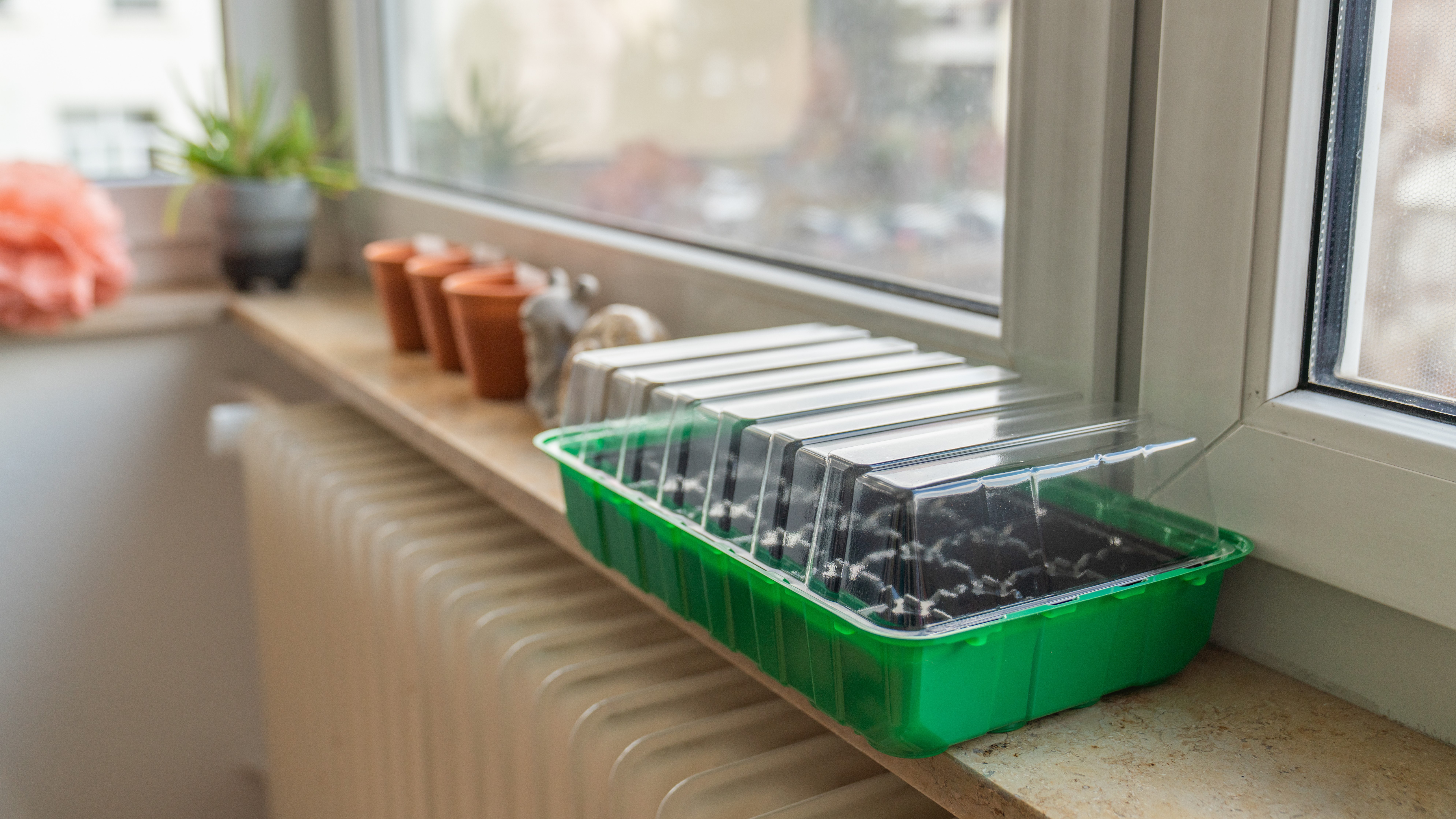
Place your container in the sunniest window you have. South-facing windows provide the most light, followed by west-facing.
In winter, natural light is weaker and days are shorter. A simple 2- or 4-bulb shop light or grow light system can make a big difference. Keep lights on for about 14 hours per day and position them just a few inches above the seedlings, adjusting as they grow.
If growing on a windowsill, rotate the container every few days so plants grow evenly.
4. Water as Needed
Keep the soil consistently moist. If leaves begin turning pale green or yellow, a diluted liquid fertilizer can help give plants a boost.
How to Harvest (and Keep Harvesting!)
Once your greens are a few inches tall, it’s time to harvest.
Instead of pulling up the entire plant, use scissors to cut leaves about 1 inch above the soil line. Leave a few larger leaves in the center so the plant can keep growing.
This “cut-and-come-again” method allows you to harvest multiple times from the same planting.
After a few rounds of harvesting, stems may thicken and new leaves may get smaller — that’s your signal to compost the soil and start fresh.
Make It a Learning Moment
This activity is more than just growing food. It’s an opportunity to start conversations about:
- Where food comes from
- The difference between local and shipped produce
- How sunlight affects plant growth
- Why fresh greens taste different
For extra fun, try a blind taste test! Pick up a container of store-bought greens and compare them to your homegrown harvest. Can you taste the difference?
A Little Green Goes a Long Way
Growing salad indoors during winter brings life into your home, builds confidence for young gardeners, and gives everyone something fresh to look forward to.
Even better? It’s quick, simple, and works in almost any space.
If you’re ready to get started, stop by your local Mahoney’s for seeds, potting mix, containers, and grow lights — and let us help you grow your own winter salad.