
With their graceful fronds and incredible texture, ferns can bring something special to nearly any space. Indoors, they add lush greenery to shelves, hanging baskets, and bright corners. Outdoors, hardy ferns can transform shady areas of the garden into layered, woodland-inspired spaces.
And while ferns have a reputation for being a little particular, understanding what type of fern you have makes their care much easier. Some enjoy life as houseplants, some are hardy enough to spend a New England winter in the garden, and others can enjoy the summer outside but need to come back indoors before temperatures drop.
Whether you’re looking for a fern for your home, porch, or shade garden, here’s what you need to know.
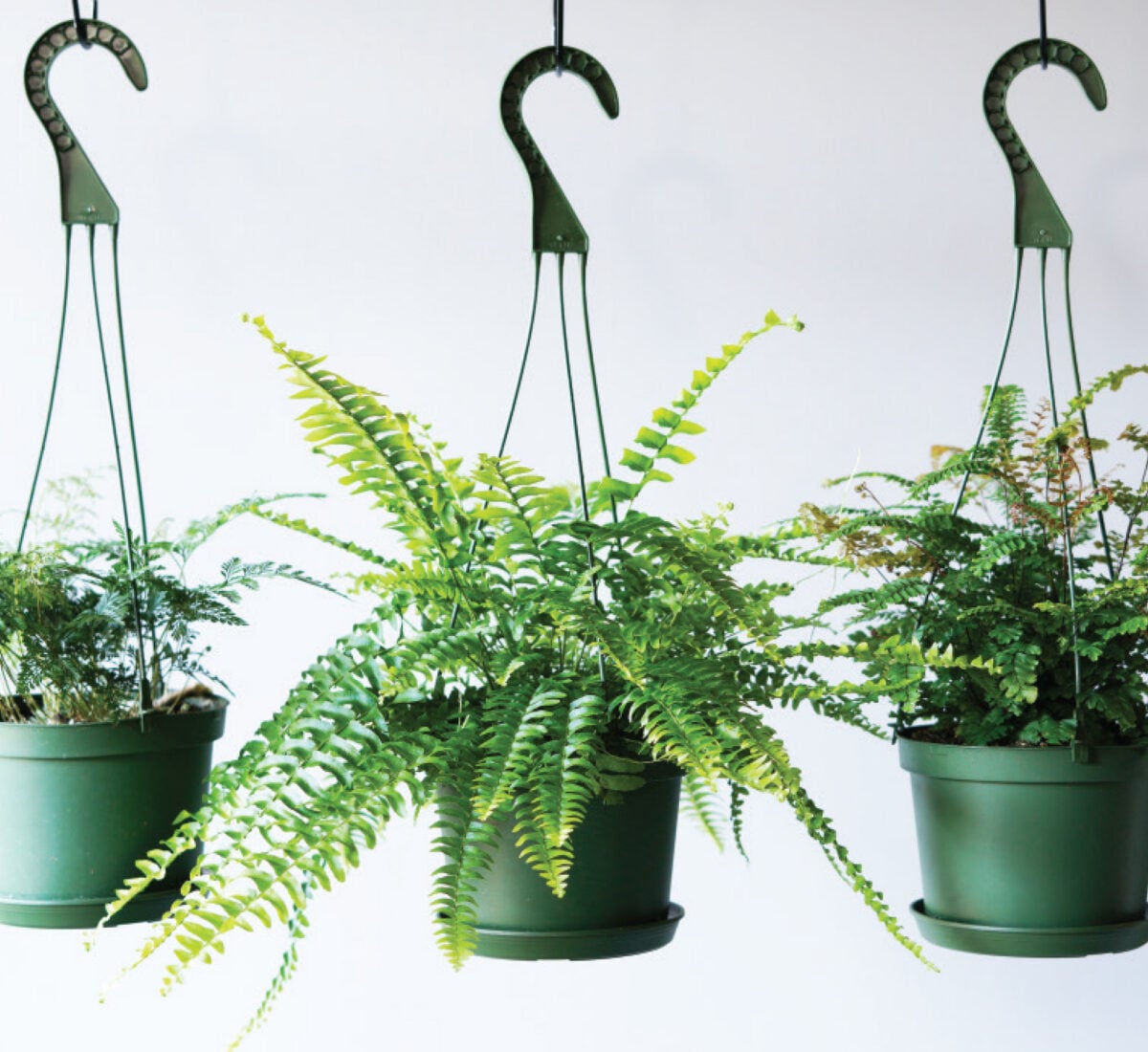
Growing Ferns Indoors
Many of the ferns we grow as houseplants naturally come from environments with filtered light, consistent moisture, and relatively high humidity. Recreating some of those conditions at home can go a long way toward keeping them looking their best.
Light
Most indoor ferns prefer bright, indirect light rather than strong, direct sun. An east- or north-facing window can work well, or you can place your fern a little farther back from a brighter window.
Too much direct sunlight can scorch delicate fronds, while very low light can result in slower, thinner growth.
Water
The key with many indoor ferns is consistency. They generally don’t want their potting mix to completely dry out, but they shouldn’t remain soggy either.
Check the soil regularly and water thoroughly when it begins to feel dry, allowing excess water to drain from the bottom of the pot. Exactly how often you’ll need to water depends on the type of fern, the size of its container, and conditions in your home, so checking the soil is more reliable than watering on a strict schedule.
Humidity
Dry indoor air—especially once the heat comes on—is one of the biggest challenges for many ferns. Crispy tips or edges can sometimes be a sign that conditions are too dry, although watering issues and other stresses can cause similar symptoms.
If your home is particularly dry, consider running a humidifier nearby or placing plants together around a pebble tray with water. Just make sure the bottom of the fern’s pot sits above the water rather than directly in it.
A Few Indoor Ferns to Know
While individual care varies, these are a few favorites to consider:
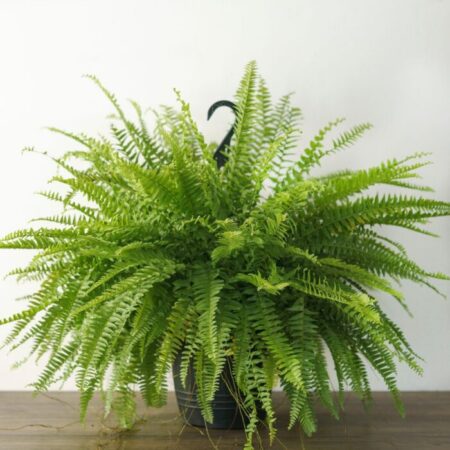
Boston Fern (Nephrolepis exaltata)
A classic for a reason! Boston Ferns produce long, arching green fronds that look especially beautiful in hanging baskets. They appreciate bright, indirect light, consistent moisture, and good humidity.
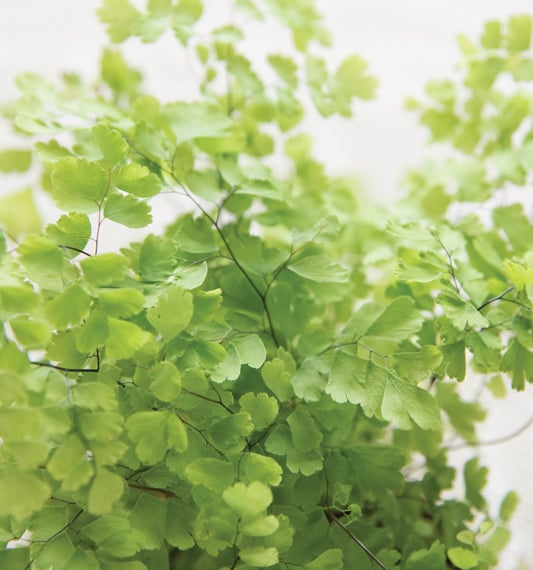
Maidenhair Fern (Adiantum spp.)
With delicate, fan-shaped leaflets held on slender dark stems, Maidenhair Ferns have a distinctive, airy appearance. They’re beautiful, but they can be less forgiving of inconsistent watering. Try to keep their soil evenly moist without leaving the roots waterlogged.
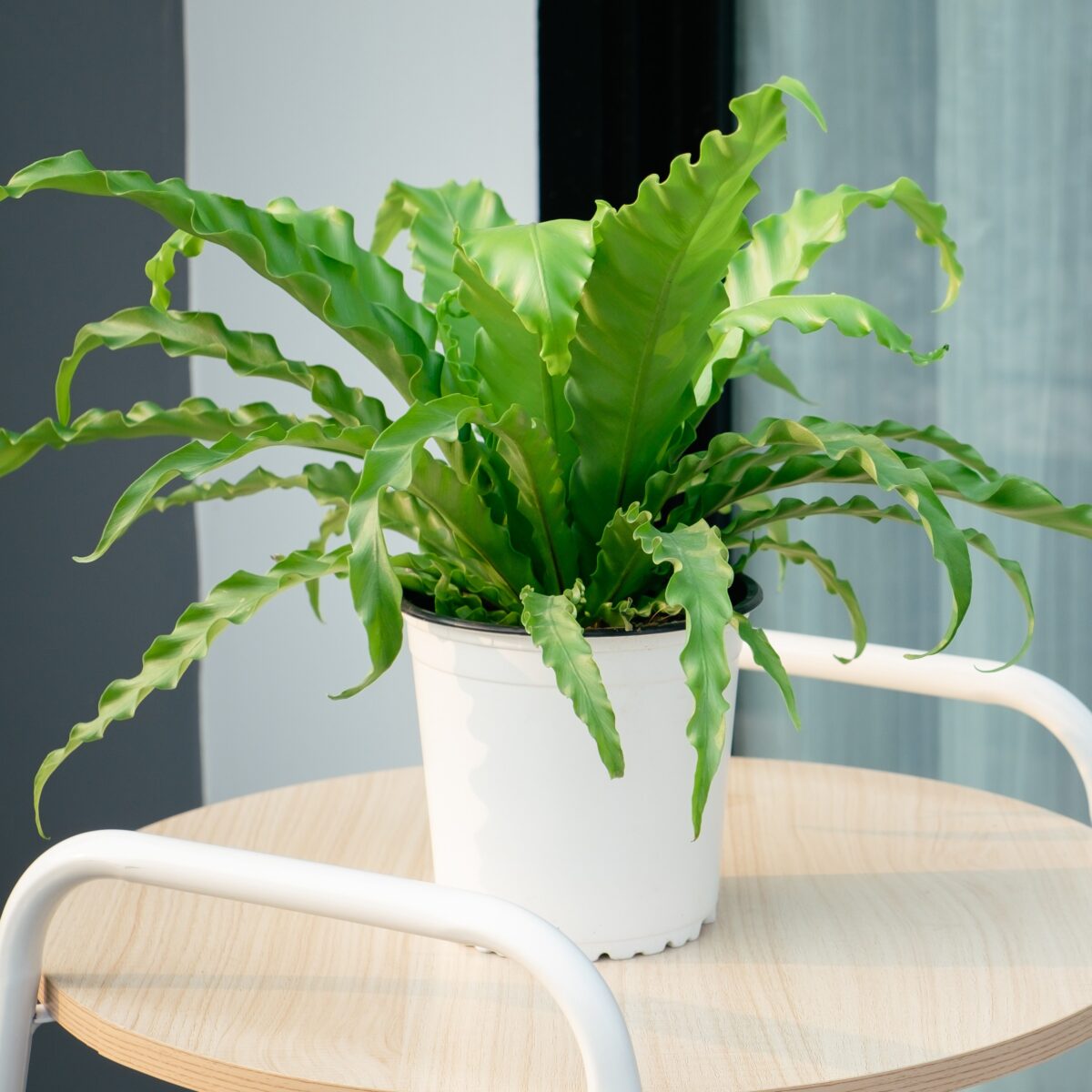
Bird's Nest Fern (Asplenium nidus and related cultivars)
Not all ferns have feathery foliage. Bird’s Nest Ferns grow broad, wavy fronds from a central rosette, giving them a bold, tropical look. They appreciate indirect light and consistent moisture. When watering, aim for the soil rather than continually pouring water into the center of the crown.
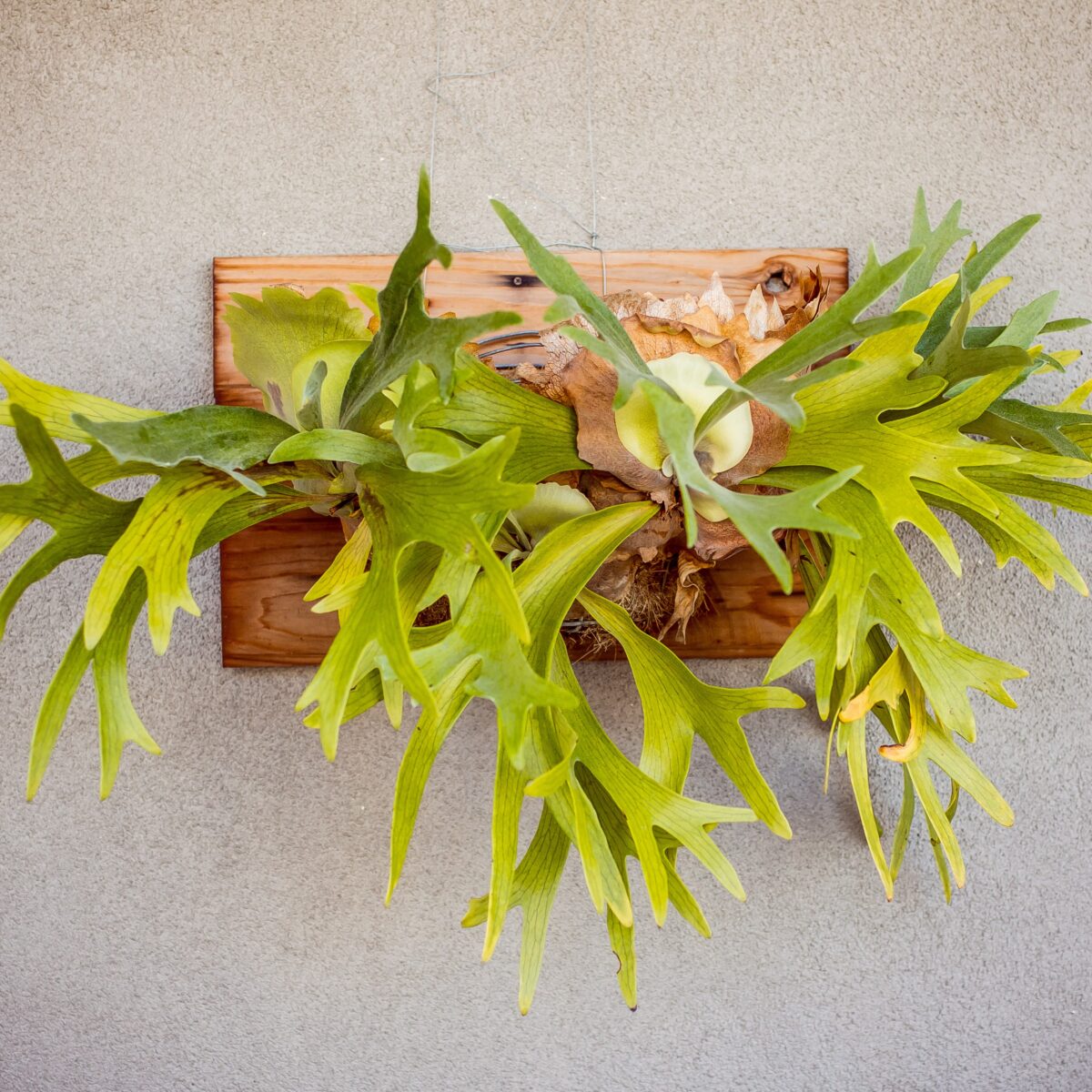
Staghorn Fern (Platycerium spp.)
One of the most unusual ferns, Staghorn Ferns are epiphytes—plants that naturally grow attached to other plants rather than rooted in the ground. Their distinctive antler-like fronds make them a fun choice for hanging or mounted displays. Their watering needs are a little different from traditional potted ferns, so pay attention to how your particular plant is being grown.

Lemon Button Fern (Nephrolepis cordifolia ‘Duffii’)
Compact and charming, Lemon Button Fern has small, rounded leaflets and a much more petite habit than a traditional Boston Fern. Its size makes it an easy way to add fern texture to smaller indoor spaces.
Can You Put Indoor Ferns Outside for Summer?
Absolutely! Many tropical ferns make beautiful additions to shaded porches, patios, and outdoor living spaces during the warmer months.
Just don’t move a houseplant directly from your home into strong outdoor sunlight. Even a location that seems shady can be substantially brighter than conditions indoors. Introduce your fern to outdoor conditions gradually and keep it protected from hot afternoon sun.
Then remember: a tropical fern spending summer outdoors hasn’t suddenly become winter-hardy.
That distinction becomes very important in fall.
How to Overwinter Tropical Ferns
Boston Ferns and other tropical ferns can spend the warmer months outside in Massachusetts, but they won’t survive our freezing winter temperatures outdoors. If you’d like to keep yours for another year, bring it inside before frost.
Before making the move, thoroughly inspect the foliage, stems, and soil for insects or other hitchhikers. Remove dead or damaged foliage and clean the plant as needed before bringing it into your home.
Once inside, give your fern plenty of indirect light and keep it away from heating vents and cold drafts. You may also need to adjust your watering schedule—the plant will typically use water differently indoors than it did outside during summer.
Don’t be surprised if your fern sheds some foliage after the move. The dramatic change in light, temperature, and humidity can be stressful. Focus on giving it consistent conditions while it adjusts.
Growing Hardy Perennial Ferns Outdoors
If you have a shady part of the yard where flowering plants struggle, hardy ferns may be exactly what you’re looking for.
Most garden ferns perform best in partial to full shade, although the ideal amount of light depends on the species. Soil conditions matter, too. Many prefer moist, organically rich soil, but some tolerate drier conditions better than others.
That makes choosing the right fern for the specific spot more important than treating every fern alike.
Ferns can be particularly beautiful beneath trees, along woodland edges, in shaded borders, and mixed with other shade-loving perennials. Their finely textured foliage also creates great contrast against plants with larger leaves.
Outdoor Ferns to Try
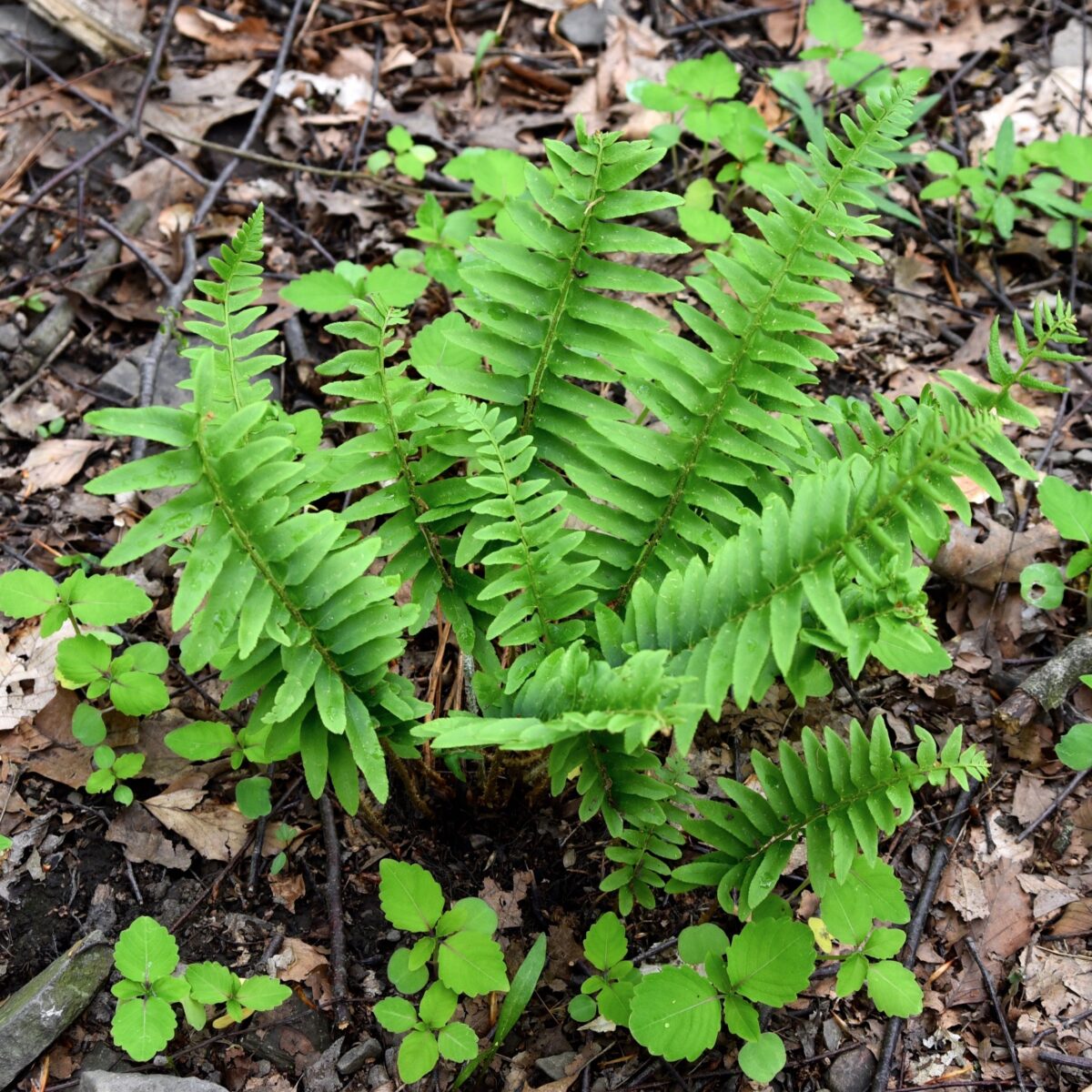
Christmas Fern (Polystichum acrostichoides)
A native fern with glossy, deep-green foliage, Christmas Fern is especially useful because it tolerates somewhat drier shade once established and its evergreen foliage provides interest beyond the growing season.
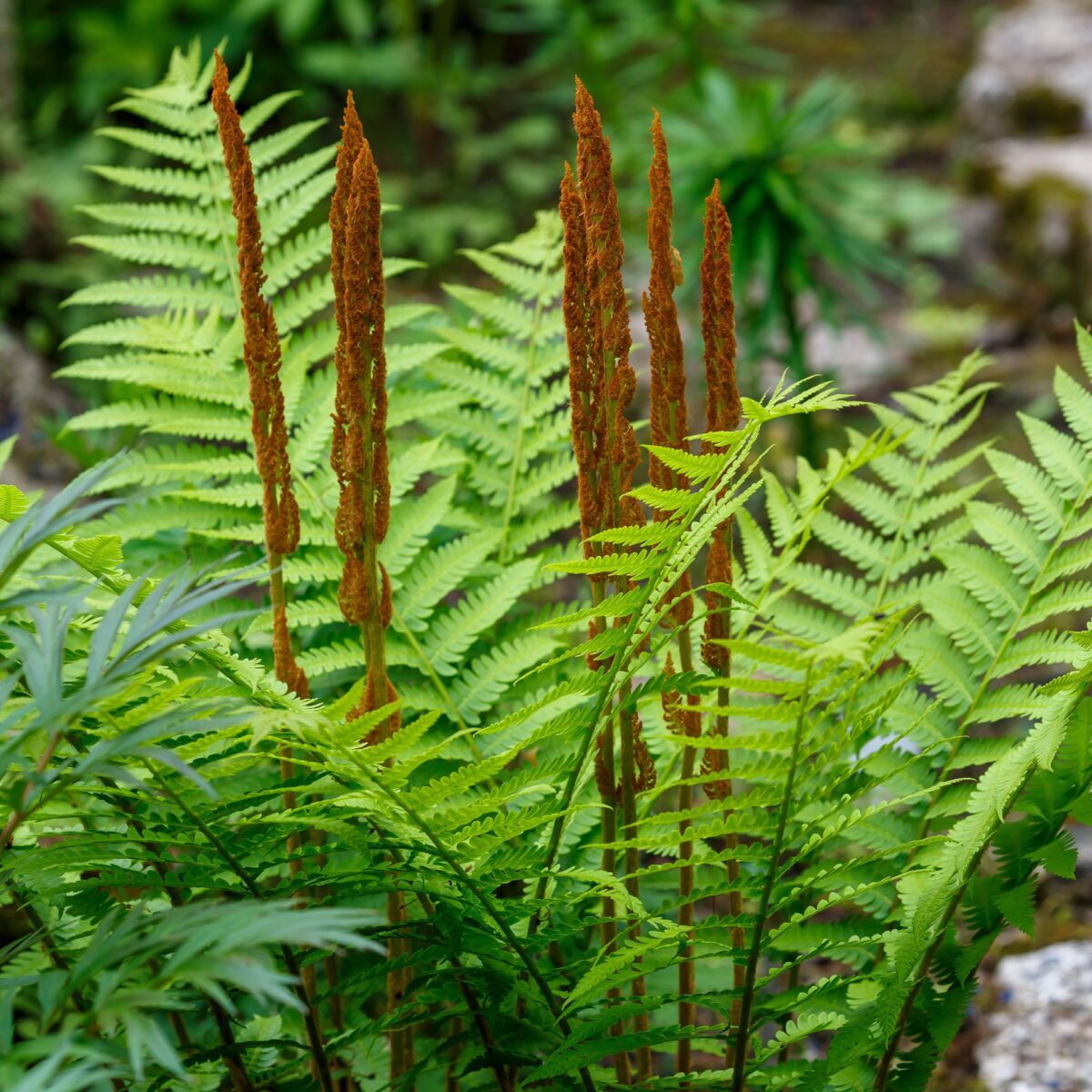
Cinnamon Fern (Osmundastrum cinnamomeum)
If you have a moist area, Cinnamon Fern is a standout. This New England native forms substantial clumps of green fronds with distinctive cinnamon-colored fertile fronds rising through the center. It naturally occurs in places such as forests, wetlands, and along shores and can reach roughly 2–4 feet tall.
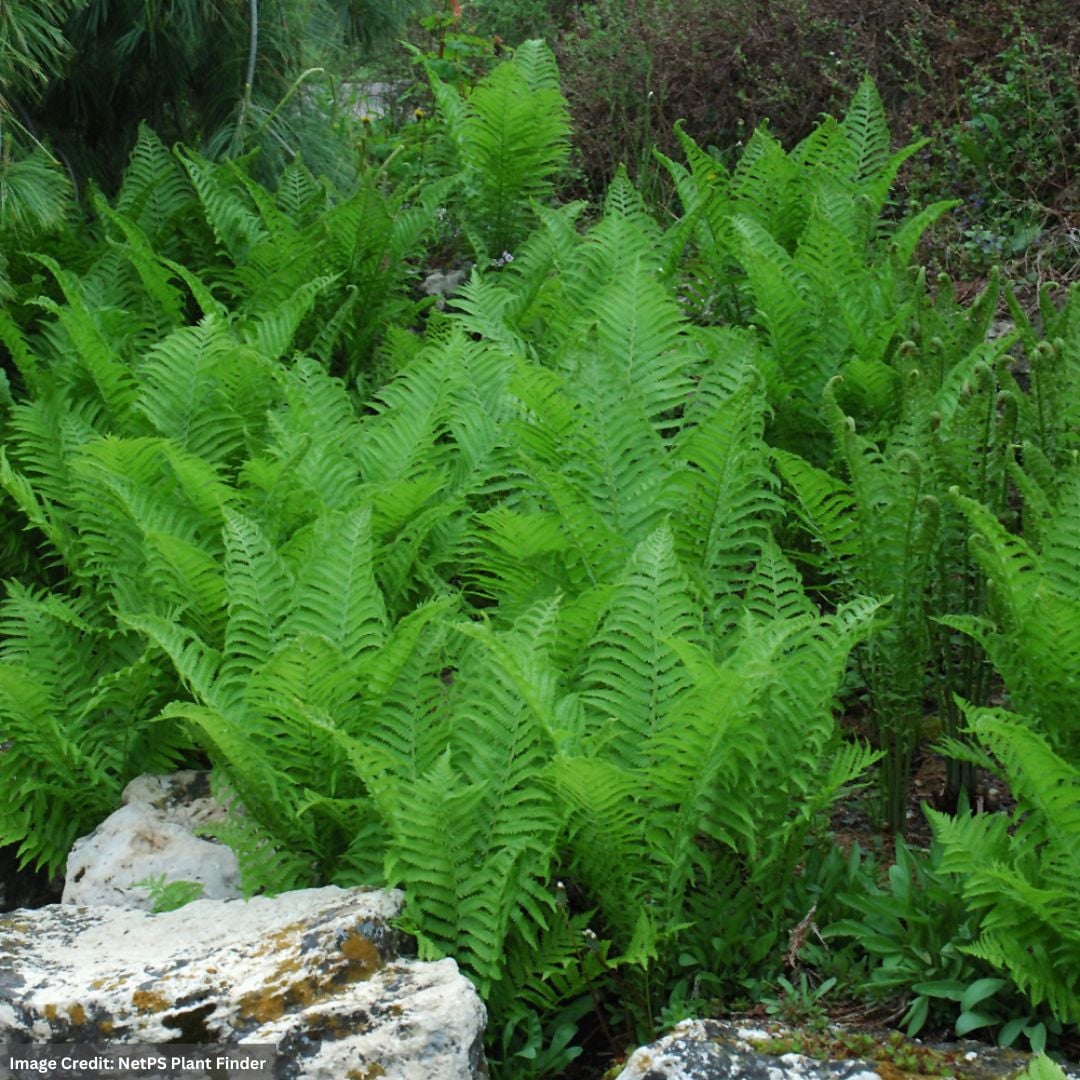
Ostrich Fern (Matteuccia struthiopteris)
Tall, upright fronds give Ostrich Fern its namesake plume-like appearance. It’s an excellent choice when you’re looking for a fern with more height and presence, particularly in a moist, shady area. The species is native to Massachusetts and other parts of New England.
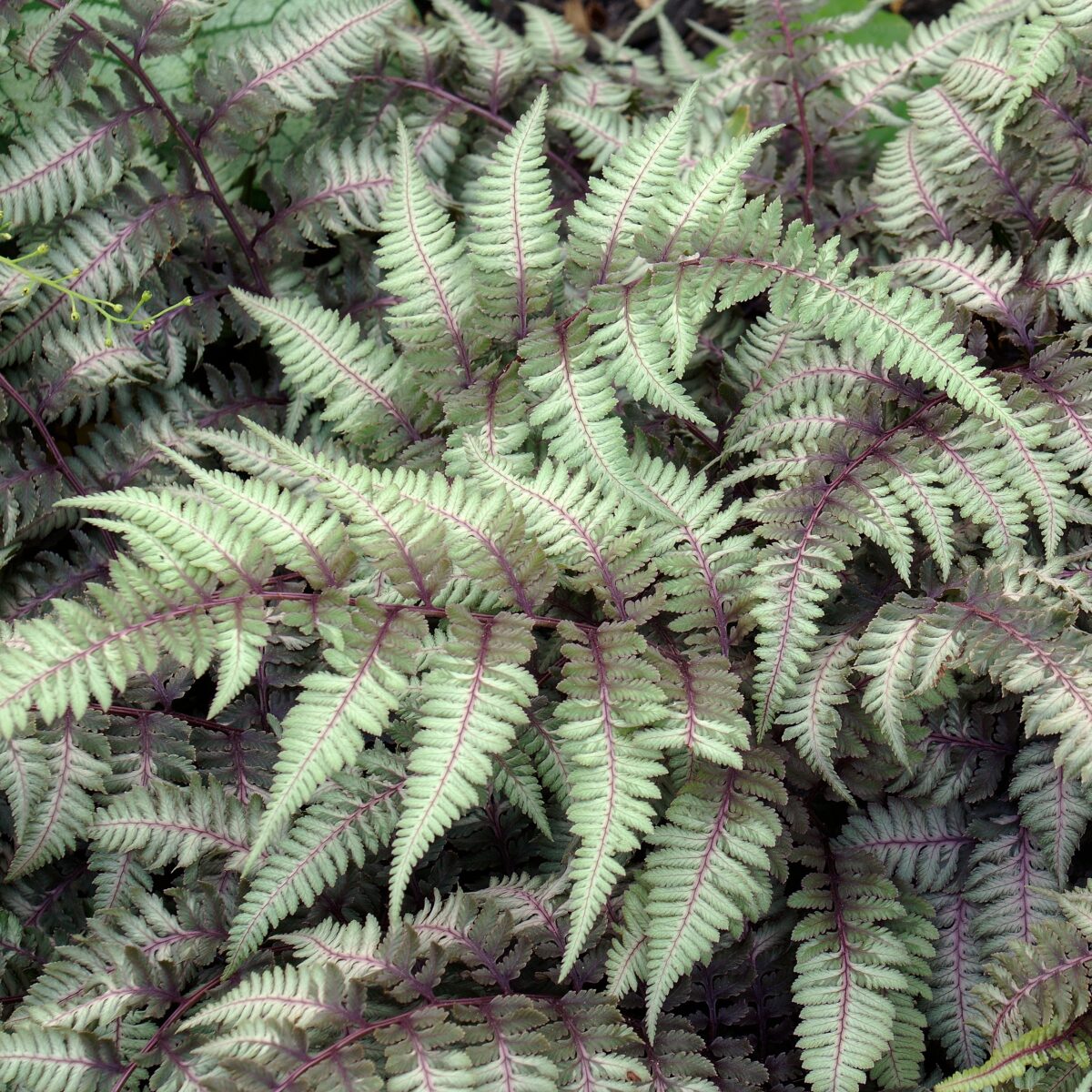
Ghost Fern (Athyrium ‘Ghost’)
For something a little different, Ghost Fern brings silvery-gray foliage and contrasting darker midribs to the shade garden. Its upright habit can reach around 30 inches, and unlike evergreen ferns, it is deciduous.
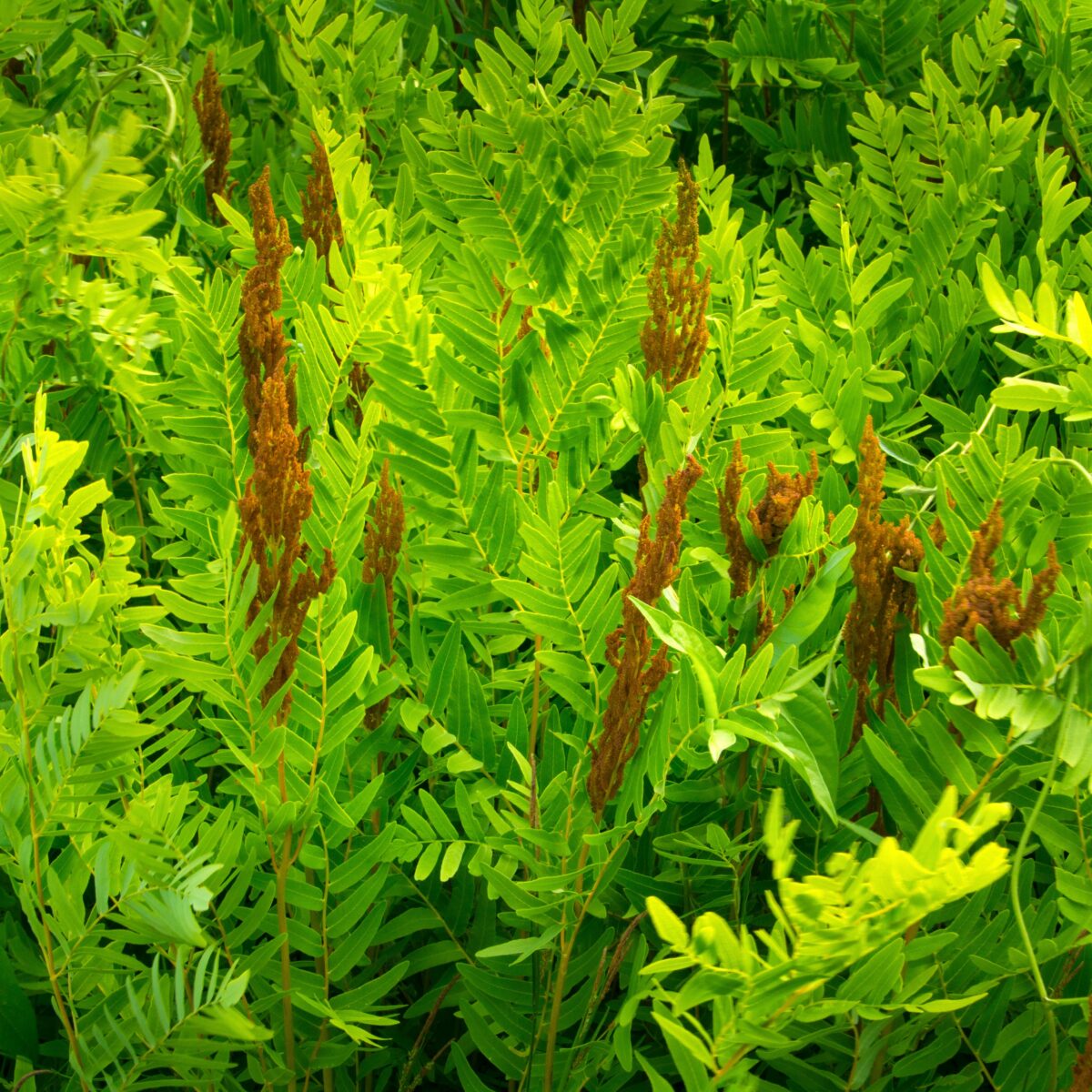
Royal Fern (Osmunda regalis)
Royal Fern has an open, almost shrub-like appearance that sets it apart from more traditional-looking ferns. It’s another option worth considering for moist areas and is among the fern species native to Massachusetts.
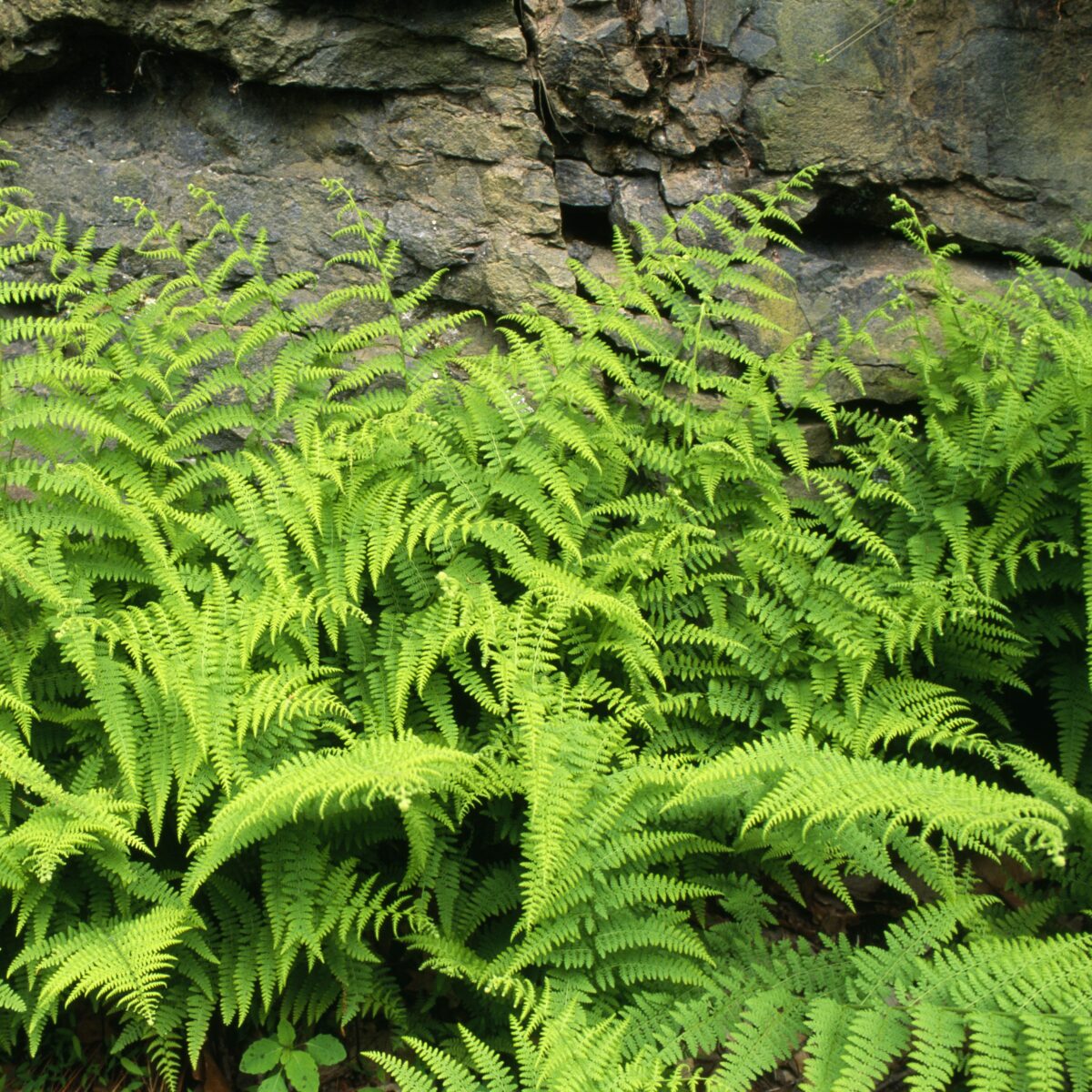
Hay-Scented Fern (Dennstaedtia punctilobula)
This native fern produces soft, finely textured foliage and can spread to form colonies, making it particularly useful when you’re trying to naturalize a larger woodland-style area. It is also native to Massachusetts.
What Should You Do With Outdoor Ferns in Winter?
Here’s the good news: hardy perennial ferns planted in the ground don’t need to be brought inside for winter.
Many hardy ferns are deciduous, meaning their fronds naturally yellow or brown and die back as the growing season ends. That doesn’t mean the plant itself has died. The crown and roots remain dormant underground and produce fresh growth in spring.
You can leave the old fronds in place through winter, where they can provide some protection around the crown, and clean them up in late winter or early spring before new growth emerges. A layer of mulch can also help insulate the root zone, particularly around newly planted ferns. Avoid piling mulch directly over the crown.
Evergreen ferns behave differently. Christmas Fern, for example, can retain green foliage through winter, although those older fronds may look a little weathered by the time spring arrives. New growth will emerge as conditions warm.
So if your outdoor fern turns brown this fall, don’t immediately assume you’ve lost it! Knowing whether you have a deciduous, evergreen, or tropical fern will tell you what to expect.
A Few Common Fern Problems
Brown, crispy edges: Check moisture levels and indoor humidity first. Ferns growing indoors can struggle with particularly dry air during heating season.
Yellowing fronds: A few older yellow fronds aren’t necessarily concerning. Widespread yellowing, however, can be associated with overly wet soil, poor drainage, watering stress, or other growing conditions.
Pale or scorched foliage: Your fern may be receiving too much direct sunlight, particularly if the damage is concentrated on the side facing a bright window or exposed area.
A fern that disappears over winter: If it’s a hardy deciduous fern, that’s usually normal! Give it time in spring before assuming it hasn’t survived.
Find the Right Fern for Your Space
From the cascading fronds of a Boston Fern to the silvery foliage of a Ghost Fern or the woodland character of our native Cinnamon and Christmas Ferns, there’s much more variety in this plant family than you might expect.
The biggest secret to success is simply choosing the right fern for the right environment. Consider how much light the space receives, how moist the soil stays, and—most importantly—whether you’re choosing a tropical houseplant or a hardy perennial.
Stop by your local Mahoney’s Garden Center to explore our selection of indoor and outdoor ferns, and ask our team for help finding the right variety for your home or garden. With the right spot and a little consistent care, these beautiful plants can bring lush greenery and texture to your space for years to come.