
If you’re looking for a perennial that’s beautiful, tough, pollinator-friendly, and incredibly easy to care for, it’s hard to beat Catmint (Nepeta). Despite its name, catmint isn’t just for cats—it has become one of the most popular garden perennials thanks to its long bloom season, drought tolerance, and ability to thrive in a wide variety of New England gardens.
Whether you’re creating a pollinator garden, filling a sunny border, or simply looking for a low-maintenance plant that provides months of color, catmint deserves a spot in your landscape.
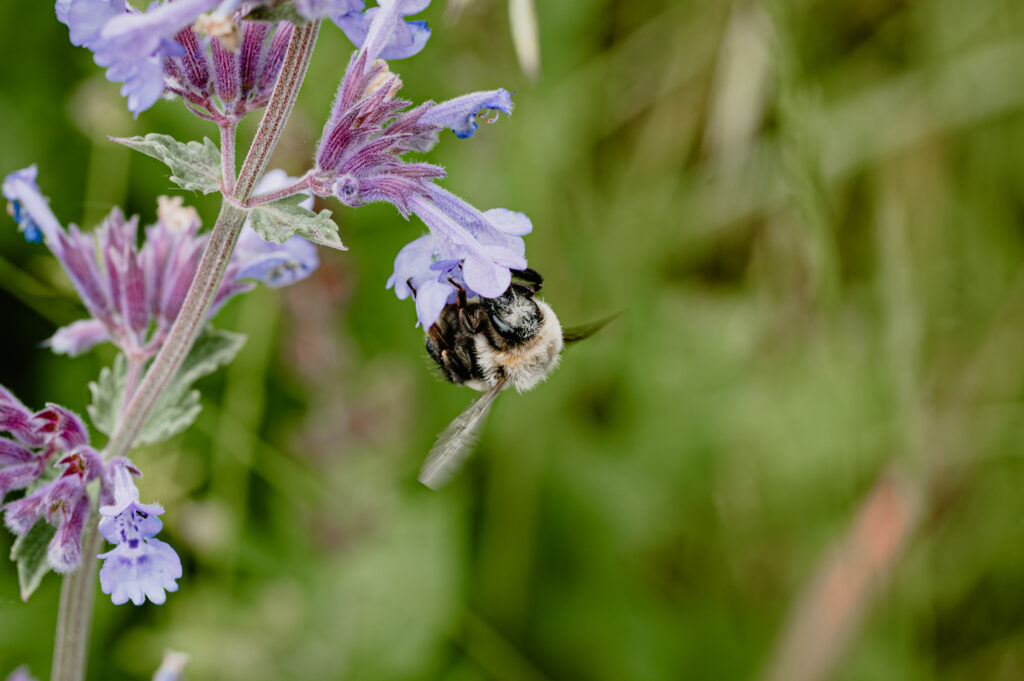
what is catmint
Catmint is a hardy perennial known for its soft, gray-green foliage and abundant spikes of lavender-blue, violet, pink, or white flowers. Blooming from late spring well into summer—and often reblooming after a quick trim—it’s a reliable performer that looks beautiful in both formal and cottage-style gardens.
While catmint belongs to the same plant family as mint, it isn’t invasive like culinary mint. Instead, it forms tidy clumps that gradually increase in size over the years without taking over your garden.
why gardeners love catmint
Catmint has earned its reputation as one of the easiest perennials to grow because it checks nearly every box.
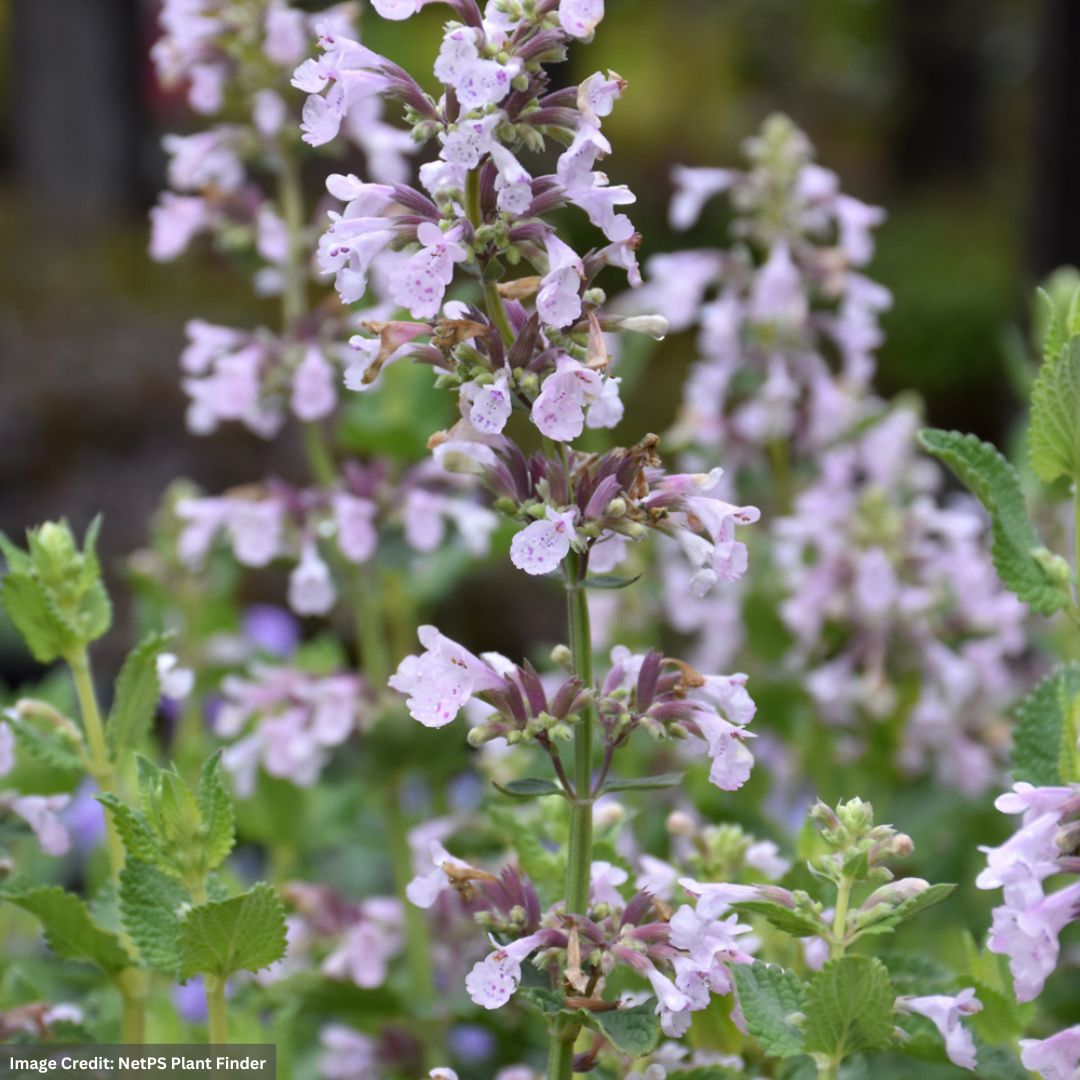
Some of its biggest benefits include:
- Long-lasting blooms from late spring through summer
- Attracts bees, butterflies, and other beneficial pollinators
- Deer and rabbits typically leave it alone
- Drought tolerant once established
- Fragrant foliage
- Low maintenance
- Great for borders, walkways, rock gardens, and containers
Its soft mounding habit also makes it an excellent companion plant, helping soften the edges of pathways, garden beds, and larger shrubs.
Is catmint the same thing as catnip?
This is one of the most common questions we hear. While catmint and catnip are closely related members of the same genus, they aren’t quite the same plant.
Catnip (Nepeta cataria) contains higher concentrations of the compound that many cats find irresistible, making it the classic choice for feline toys and treats.
The ornamental catmints commonly grown in gardens—such as ‘Walker’s Low‘, ‘Cat’s Pajamas‘, ‘Junior Walker‘, and ‘Purple Prelude‘—may still attract some cats, but they were selected primarily for their exceptional flowers, tidy growth habit, and garden performance.
So while your neighborhood cat may stop by for a visit, these varieties are grown for gardeners first.
where should you plant catmint?
Catmint performs best in:
- Full sun (at least 6 hours of direct sunlight)
- Well-drained soil
- Garden borders
- Pollinator gardens
- Rock gardens
- Along pathways
- Mixed perennial beds
One of catmint’s greatest strengths is its ability to tolerate poorer soils. In fact, overly rich soil can cause plants to become floppy and produce fewer flowers. Good drainage is much more important than highly fertile soil.
how do you care for catmint?
One reason catmint is so popular is because it asks for very little in return.
WATERING
Water newly planted catmint regularly while it establishes a healthy root system.
Once established, it becomes remarkably drought tolerant and typically only needs supplemental watering during extended dry periods.
As with most perennials, it’s best to water deeply rather than frequently to encourage deeper root growth.
FERTILIZING
Catmint generally doesn’t require heavy fertilizing.
If your soil is especially poor, a light application of a balanced fertilizer or compost in spring is plenty. Too much fertilizer often leads to lush foliage at the expense of flowers.
PRUNING
One of the easiest ways to keep catmint looking its best is to give it a haircut after its first major flush of blooms.
Simply trim the plant back by about one-third.
Within a few weeks, you’ll usually be rewarded with fresh foliage and another round of flowers that can continue into late summer or even early fall.
Leave the remaining stems standing through winter if you’d like—they can provide seasonal interest and help protect the crown until spring cleanup.
IS CATMINT GOOD FOR POLLINATORS?
Absolutely.
Catmint is one of the best nectar sources for many pollinators, especially.
- Honeybees
- Native Bees
- Bumblebees
- Butterflies
- Hoverflies
Because it blooms for such a long period, it provides a reliable food source when many other spring perennials have already finished flowering.
If you’re building a pollinator-friendly garden, catmint pairs beautifully with plants like salvia, coneflowers, yarrow, alliums, Russian sage, and ornamental grasses.
FAQ
does catmint spread?
Yes, but it generally isn’t aggressive. Catmint forms gradually expanding clumps rather than spreading rapidly through underground runners like true mint.
will deer eat catmint?
Catmint is considered deer and rabbit resistant. While no plant is completely immune to browsing, its fragrant foliage is generally less appealing to deer and rabbits.
does catmint bloom all summer?
Many catmint varieties bloom from late spring into summer. Trimming the plant after its first flush of flowers can encourage another round of blooms later in the season.
can you grow catmint in containers?
Yes! Compact catmint varieties grow well in containers when given plenty of sun and well-draining soil.
is catmint the same as catnip?
Not exactly. Catmint and catnip both belong to the Nepeta genus, but catnip (Nepeta cataria) is a different species. Ornamental catmints are typically grown for their flowers, foliage, and landscape performance, while catnip is best known for its effect on cats.
a reliable favorite year after year
Few perennials work as hard as catmint. It asks for very little while providing months of colorful blooms, attracting countless pollinators, and standing up to heat, drought, deer, and rabbits.
Whether you’re just beginning your gardening journey or looking to add another dependable performer to your landscape, catmint is one of those plants you’ll wonder how you ever gardened without.
Visit your local Mahoney’s Garden Center to explore our selection of catmint varieties and other pollinator-friendly perennials. Our knowledgeable team is always happy to help you find the perfect plants for your garden.