How to Cut and Dry Hydrangea Flowers: A Step-by-Step Guide for Beautiful Dried Blooms

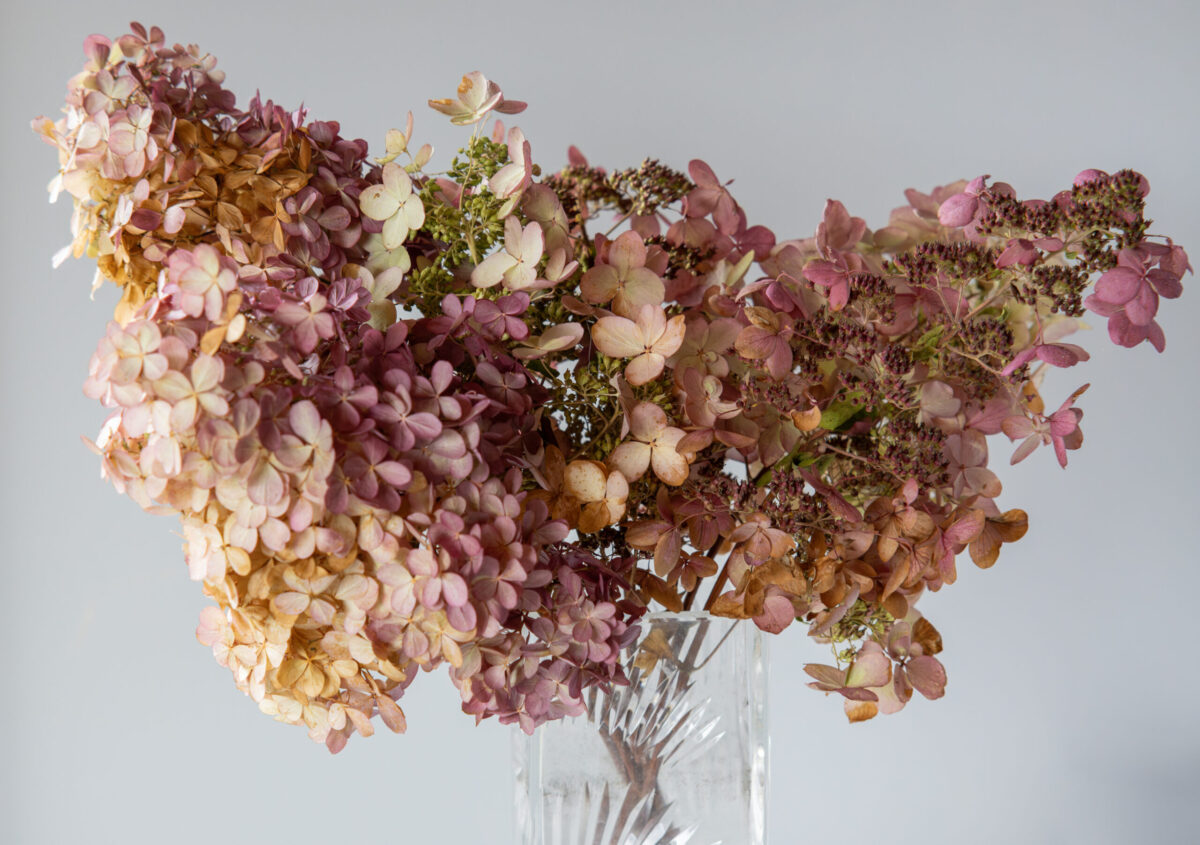
Dried hydrangea flowers in soft pink and tan tones arranged in a glass vase on a table.

How to Cut and Dry Hydrangea Flowers: A Step-by-Step Guide for Beautiful Dried Blooms

Hydrangeas are known for their spectacular summer flowers, but their beauty doesn’t have to end when the growing season does. With just a few simple steps, you can preserve your favorite blooms to enjoy throughout fall, winter, and beyond. Whether you’d like to create a dried bouquet, decorate a wreath, or add a natural touch to your home, drying hydrangeas is an easy project that delivers lasting results.


The key is knowing when to cut your flowers and how to dry them properly. Here’s everything you need to know. 

Why dry hydrangeas?

Dried hydrangeas offer a timeless, natural look that works beautifully in nearly any home décor style. Unlike many fresh flowers, hydrangeas retain much of their shape, texture, and even some of their color when dried correctly. 

Dried hydrangeas are perfect for:


  • Vase arrangements
  • Seasonal centerpieces
  • Holiday decorating
  • Wreaths and garlands
  • DIY crafts and gifts


Even better, it’s an excellent way to enjoy blooms you’ve grown yourself long after the garden season has ended. 

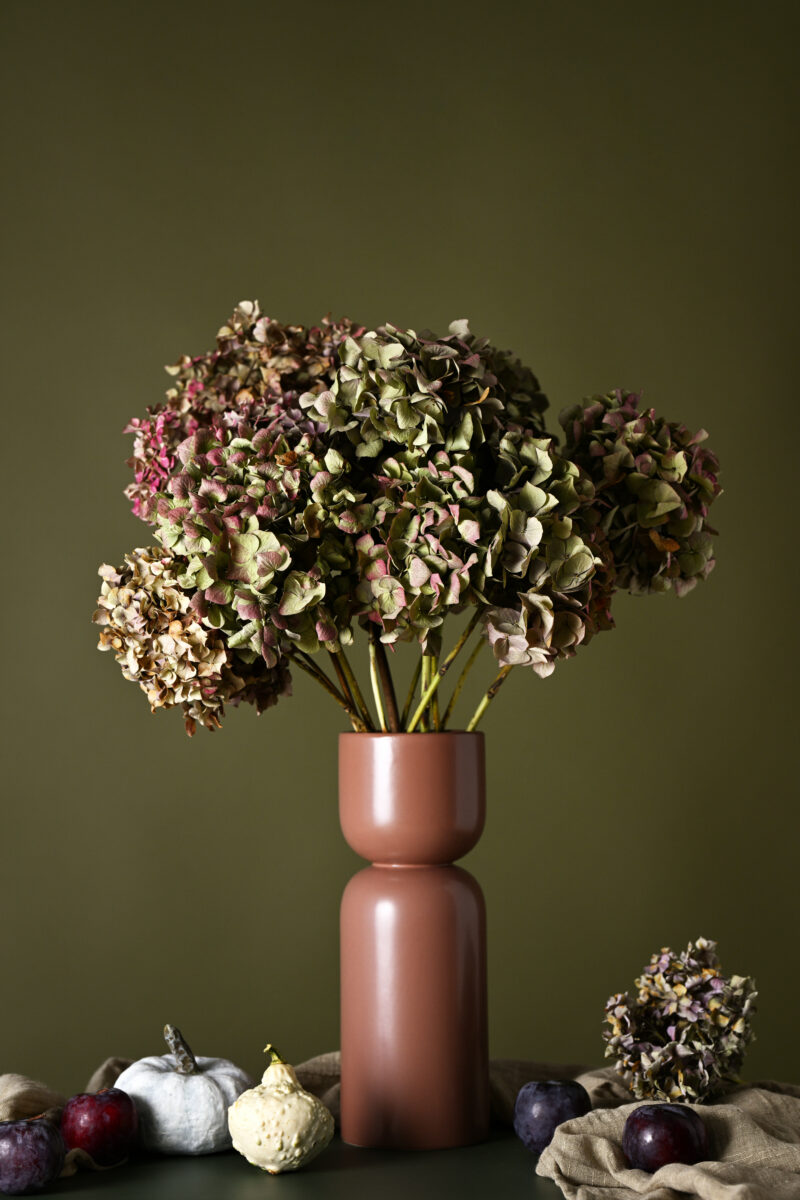
Dried hydrangea flowers arranged in a tall vase with decorative pumpkins and fall accents.

Dried hydrangeas bring lasting color and texture to seasonal arrangements and fall décor.

when should you cut hydrangeas for drying?

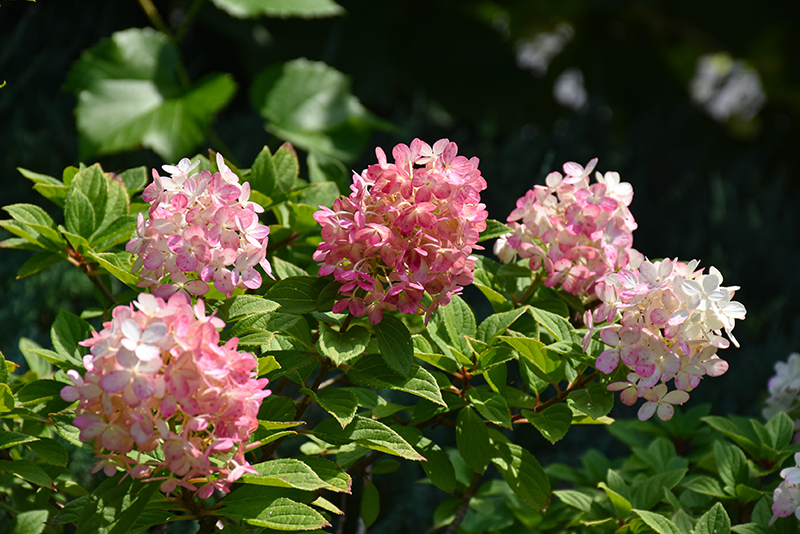
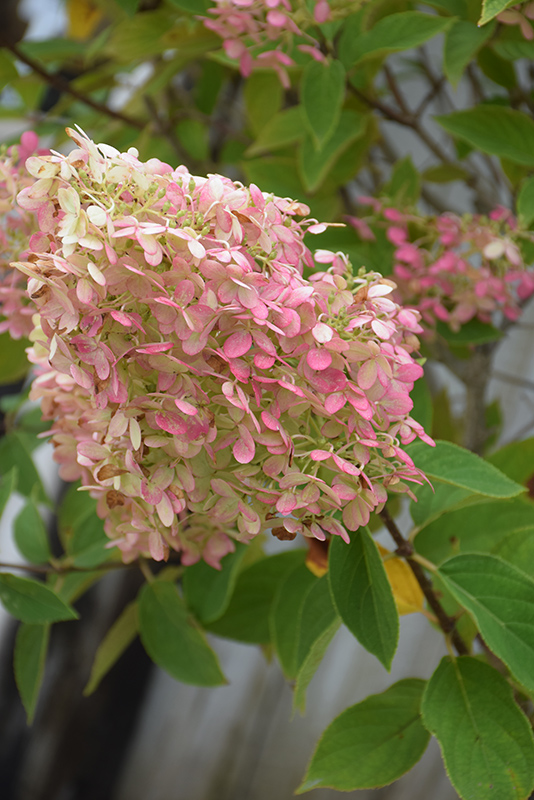
Little Lime Punch panicle hydrangea (Hydrangea paniculata 'Little Lime Punch') with pink and white flower clusters blooming in the garden.

Timing is everything. 


Fresh, newly opened blooms contain too much moisture and are much more likely to wilt or shrivel instead of drying beautifully. Instead, wait until the flowers have begun to mature on the plant. 

You’ll know they’re ready when: 

  • The petals (technically sepals) feel slightly papery instead of soft.
  • The bloom has developed richer, deeper color or begun taking on antique tones.
  • The flower feels firm and holds its shape. 


In New England, this is often sometime between late summer and early fall, depending on the variety and the weather.


If possible, cut your flowers on a dry morning after any dew has evaporated.

different hydrangea bloom shapes

One of the reasons hydrangeas are so fun to dry is the incredible variety of flower shapes available. Each creates a unique look in dried arrangements.

mophead hydrangeas

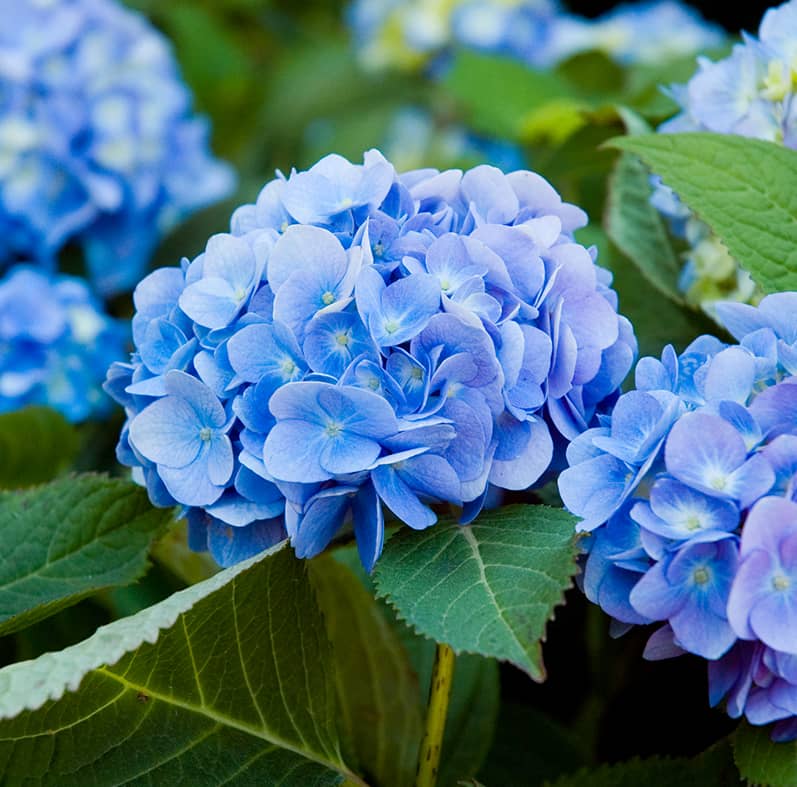
Hydrangea macrophylla. Large, rounded flower heads made up of tightly packed florets create the classic hydrangea look. These are excellent for bold dried bouquets and centerpiece arrangements.

  • Endless Summer® hydrangea varieties
  • Let’s Dance® hydrangea varieties

lacecap hydrangeas

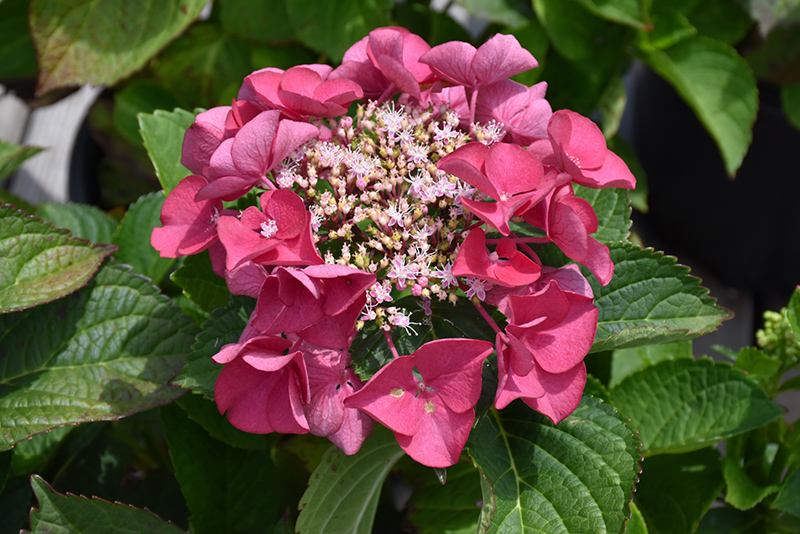
Lacecap hydrangeas are another kind of Hydrangea macrophylla, they feature delicate, flattened blooms with showy outer flowers surrounding a center of tiny fertile flowers. They add a more natural, airy texture to dried arrangements. 

Cherry Explosion lacecap hydrangea with deep pink outer florets surrounding small central flowers.
Limelight panicle hydrangea with large conical flower clusters aging from pale green and cream to pink.

panicle hydrangeas

Panicle hydrangeas produce cone-shaped flower clusters that often transition from white to shades of pink, red, or burgundy as the season progresses. They dry exceptionally well and maintain excellent structure. 


Panicle Hydrangeas include:


  • Limelight® 
  • Limelight Prime® 
  • Little Lime® 
  • Pinky Winky Prime®

oakleaf hydrangea

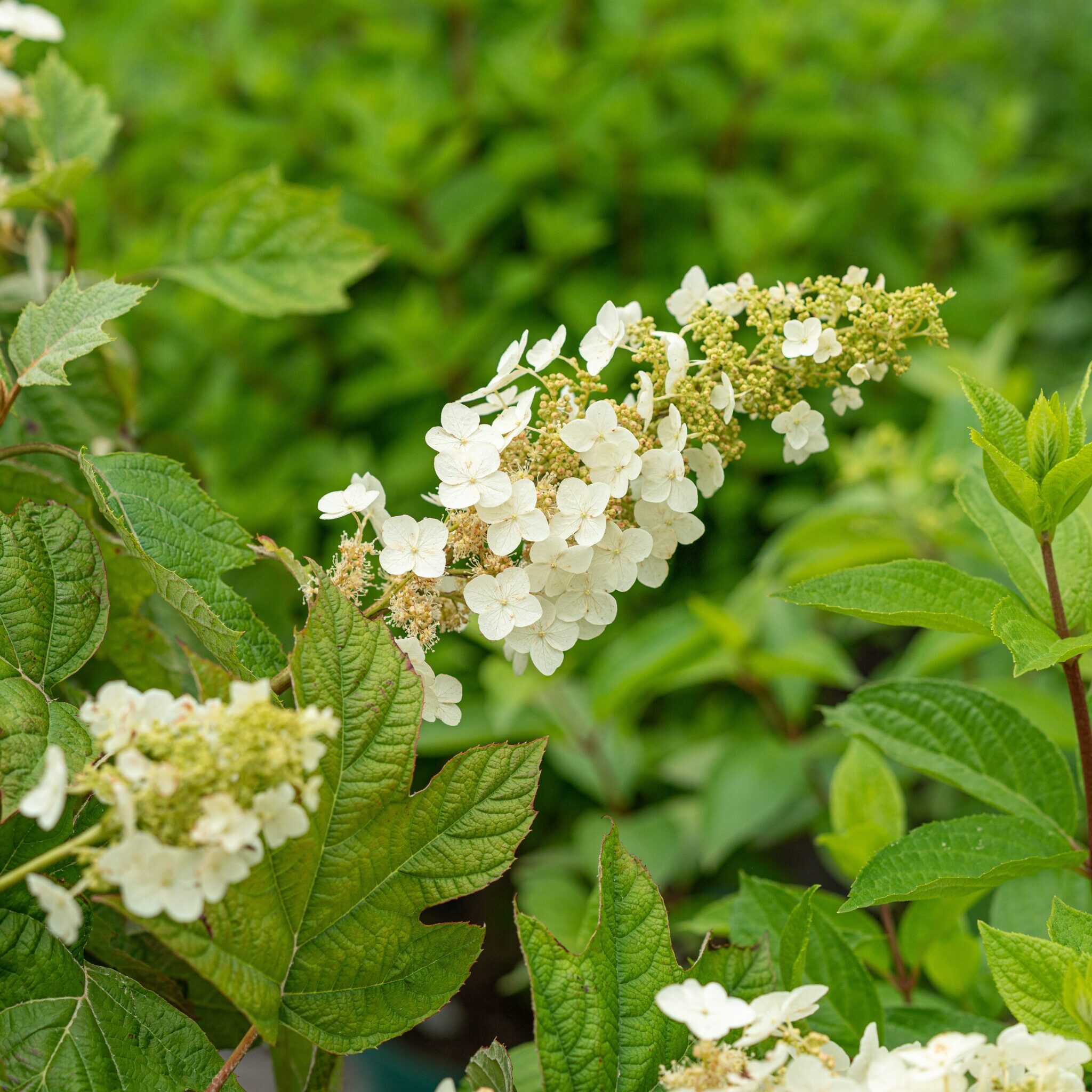
Oakleaf hydrangeas (Hydrangea quercifolia) feature elongated flower clusters that often age to beautiful shades of rosy pink, bronze, and tan before drying. Their dramatic foliage also provides outstanding fall interest in the landscape. 


how to cut hydrangea flowers

Once you’ve selected mature blooms, it’s time to harvest them. 


  1. Use clean, sharp pruners. 
  2. Cut stems about 12–18 inches long, depending on how you’ll display them. 
  3. Remove all of the leaves from the stem.*
  4. Place the stems into water immediately if you aren’t drying them right away. 
 
*Removing the leaves helps prevent excess moisture during the drying process. 

how to dry hydrangeas

One of the easiest methods is surprisingly simple. 


Step 1: Fill a Vase 

Add just 1–2 inches of water to a clean vase or container. 


Step 2: Arrange the Stems 

Place the hydrangea stems into the vase, making sure the blooms have plenty of space around them for air circulation. 


Step 3: Let Nature Do the Work 

Place the vase in a cool, dry location away from direct sunlight. 


Do not refill the water. 


As the water slowly evaporates over the next two to three weeks, the flowers gradually dry while maintaining their shape. 


Step 4: Enjoy 

Once the blooms feel papery and completely dry, they’re ready to display. 
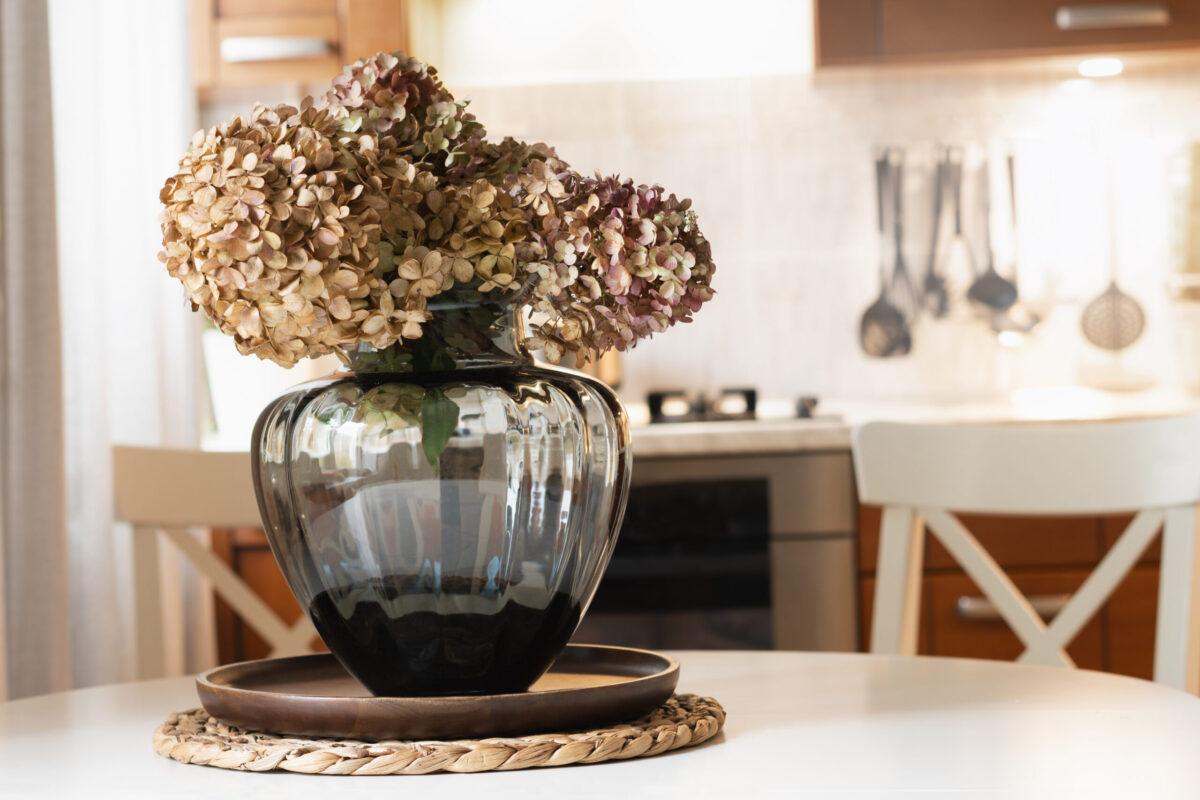
Close-up of dried hydrangea blooms in shades of dusty pink, cream, green, and warm brown.