
February 16, 2026
Dormant Pruning 101: What (and What Not) to Prune in Winter
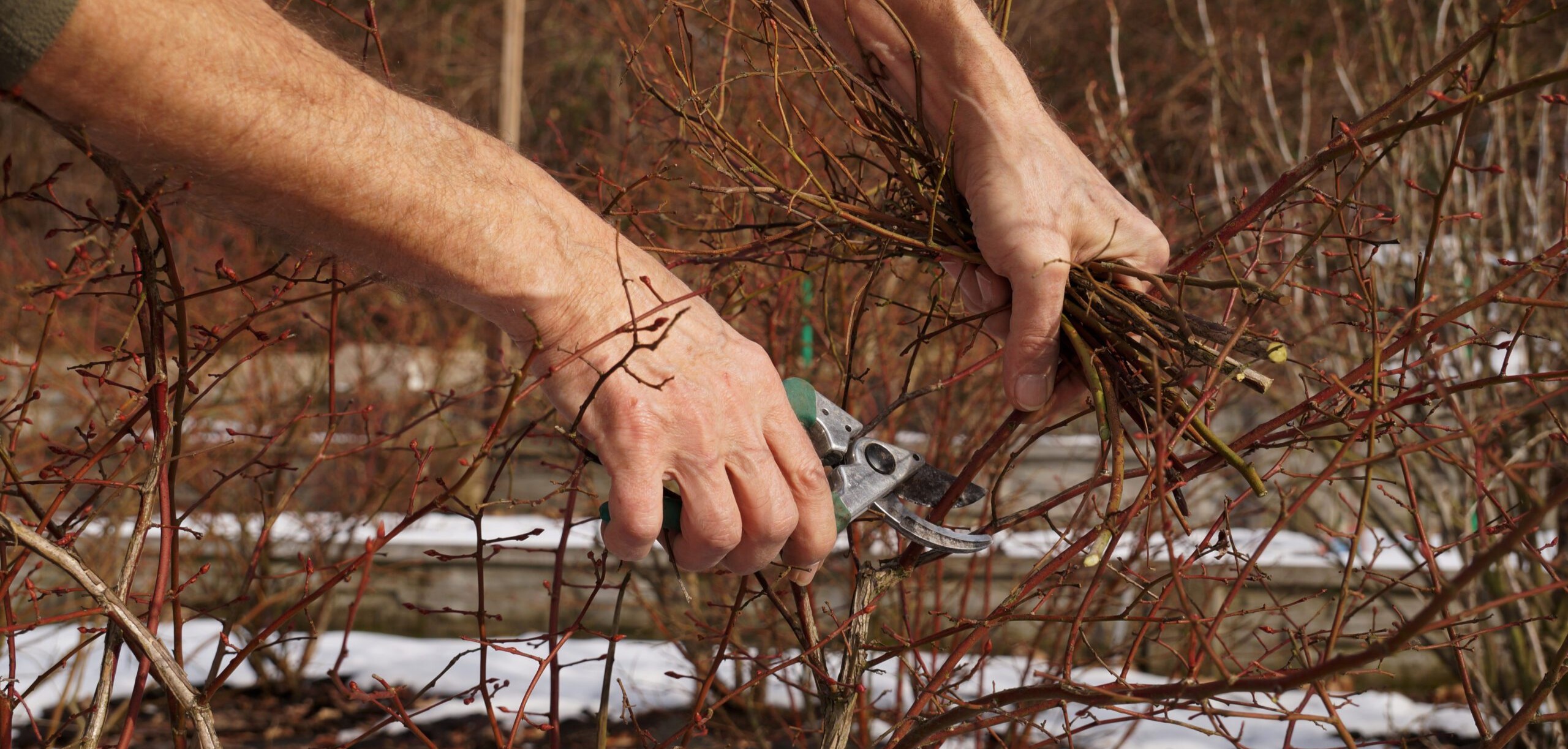
When winter settles in across New England and the garden goes quiet, it might seem like there’s nothing left to do outside. But for many trees and shrubs, winter is actually the best time to prune. Dormant pruning—done while plants are resting—helps shape growth, remove damage, and set the stage for a healthier, more beautiful spring.
That said, not everything should be pruned in winter. Knowing what to cut and what to leave alone is the difference between encouraging blooms and accidentally removing them. Here’s how to prune smartly in a New England climate.
Why Does Dormant Pruning Work In New England?
Our cold winters force most deciduous plants into dormancy, which makes winter pruning especially effective. Without leaves in the way, you can clearly see a plant’s structure, identify damaged or crossing branches, and make clean, intentional cuts. Because insects and diseases are inactive during winter, there’s also less risk of spreading problems from plant to plant.
The sweet spot for dormant pruning in New England is usually late winter, once the coldest temperatures have passed but before buds begin to swell—typically January through early March, depending on the year and location.
What Can You Prune in Winter?
Fruit Trees (Apples, Pears, and More)
 Dormant pruning is essential for most fruit trees grown in New England. Apples and pears especially benefit from winter pruning, which improves airflow, sunlight penetration, and overall structure—leading to better fruit quality and easier harvesting.
Best time: Late winter, before buds swell
What to do:
- Remove dead, broken, or diseased branches
- Thin crowded growth to open the canopy
- Remove crossing or inward-growing branches
Avoid pruning fruit trees too early in winter during extreme cold, as fresh cuts can be damaged by deep freezes.
Roses
 Many roses grown in New England—such as hybrid teas, floribundas, and modern shrub roses—can be lightly pruned during dormancy. Winter pruning focuses more on cleanup and structure than heavy shaping.
Best approach:
- Remove dead, weak, or damaged canes
- Cut back canes that were winter-killed
- Save major shaping cuts for early spring, especially in colder zones
Climbing roses and once-blooming roses should generally wait until after flowering to be pruned. Check out this helpful video on how to best prune your roses, with our rose expert, Jeannette!
Hydrangeas (This One Depends on the Type!)
 Hydrangeas are where many gardeners get tripped up. In New England, knowing which hydrangea you have is crucial before making a single cut.
Safe to prune in winter (bloom on new wood):
- Panicle hydrangeas (Hydrangea paniculata)
- Smooth hydrangeas (Hydrangea arborescens, like ‘Annabelle’)
These can be pruned in late winter to control size and encourage strong new growth and flowers.
Do NOT prune in winter (bloom on old wood):
- Bigleaf hydrangeas (mophead & lacecap)
- Oakleaf hydrangeas
Pruning these in winter removes next season’s flower buds. Wait until after they bloom—or only remove dead wood in spring. Need help identifying what you have? Click here!
What Can’t You Prune in Winter?
Some plants are better left untouched during New England winters:
- Spring flowering shrubs – Such as Lilacs and Forsythia set flower buds the year before, so winter pruning means fewer (or no) blooms in spring. Prune right after flowering instead.
- Azaleas, Rhododendrons, Andromeda – Also fall into this category. Winter pruning will remove the flower buds.
- Evergreens – Heavy winter pruning can lead to cold damage and desiccation. Minor shaping is better done in late spring or early summer.
Winter Pruning Tips for Cold Climates
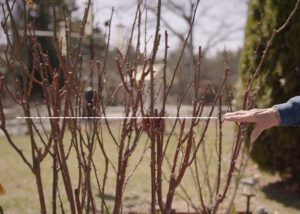 Prune on days above freezing when possible
 - Use sharp, clean tools for smooth cuts
- Start with dead or damaged wood before shaping
- Never remove more than about one-third of the plant at one time
- Avoid pruning during extreme cold snaps
Dormant pruning is one of the most valuable winter tasks for New England gardeners. When done correctly, it improves plant health, encourages better flowering and fruiting, and makes spring growth stronger and more manageable. The key is knowing which plants benefit from winter pruning—and which are better left alone until warmer weather arrives.
If you’re not sure what type of hydrangea you have, need the right pruning tools, or want help deciding what to cut back this winter, stop into one of our stores and ask our team—we’re always happy to help you prune with confidence.
FAQ
What is dormant pruning?
Dormant pruning means cutting back trees and shrubs while they are not actively growing, typically in late winter before buds swell. In New England, this timing makes it easier to see branch structure and reduces the spread of insects and diseases.
What can I safely prune in winter?
You can safely prune most fruit trees like apples and pears, many roses, and hydrangeas that bloom on new wood (such as panicle and smooth hydrangeas). Focus on removing dead, damaged, diseased, crossing, or crowded branches and lightly shaping the plant’s structure.
What should I avoid pruning in winter?
Avoid pruning spring‑flowering shrubs (like lilacs and forsythia), azaleas, rhododendrons, and andromeda, as well as heavily cutting evergreens in winter. These plants either set their flower buds the previous year or are more vulnerable to cold damage after strong winter cuts.
When is the best time to do dormant pruning?
The best time for dormant pruning in New England is late winter—generally January through early March, after the worst cold has passed but before buds begin to swell. Choose days above freezing, use sharp, clean tools, start with dead wood, and avoid removing more than about one‑third of the plant at once.
How do I know if my hydrangea is safe to prune in winter?
Hydrangeas that bloom on new wood—such as panicle hydrangeas (Hydrangea paniculata) and smooth hydrangeas (Hydrangea arborescens like ‘Annabelle’)—are generally safe to prune in late winter to control size and encourage strong growth.