
March 30, 2026
Easter Cactus: A Cheerful Bloom for Early Spring
If you’re looking for a plant that bridges the gap between winter and spring, the Easter cactus is a perfect pick. With its star-shaped blooms and fresh, vibrant colors, it brings a much-needed pop of life just as the seasons begin to shift.
Unlike some of its holiday cactus cousins, Easter cactus tends to bloom a little later—right around (you guessed it) Easter—making it a great seasonal centerpiece or gift.
What Makes Easter Cactus Special?
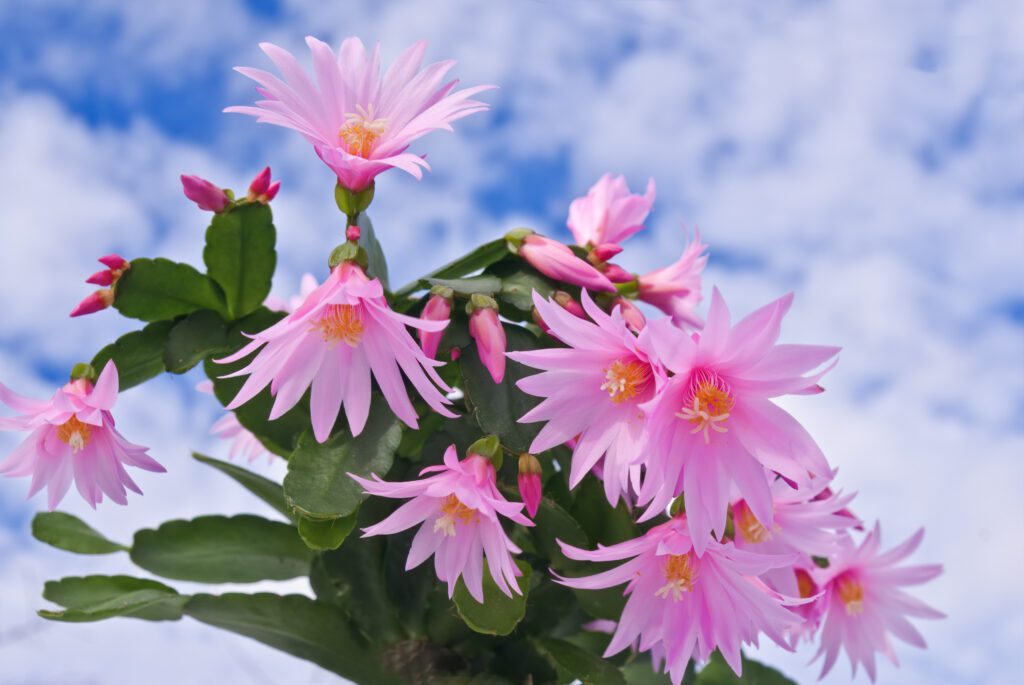
Easter cactus (Rhipsalidopsis gaertneri) is loved for its soft, star-like flowers that appear in shades of pink, red, orange, and white. The blooms feel a bit more delicate and symmetrical compared to other holiday cacti, giving it a refined, spring-ready look.
What many people don’t realize is that Easter cactus isn’t a desert plant at all. It’s native to the rainforests of Brazil, where it grows nestled in tree branches and rocky crevices. In its natural habitat, it lives more like an orchid than a cactus—enjoying filtered light, higher humidity, and consistent moisture.
This unique background is what gives Easter cactus its softer, more graceful appearance. Instead of spines, it has smooth, rounded segments, and its blooms open wide into almost perfect star shapes—something you don’t typically see in other holiday cacti.
There’s also a bit of seasonal symbolism tied in. Because it blooms right around Easter, it’s often associated with renewal and new beginnings—making it a meaningful plant to display or gift during the spring season.
It’s also a relatively easy plant to care for once you understand its rhythm. Think of it as a plant that appreciates a little consistency—steady light, moderate watering, and a bit of rest before bloom time.
Light, Water, and Care Basics
Easter cactus thrives in bright, indirect light. A sunny window is great, but avoid harsh, direct sun which can scorch the leaves.
When it comes to watering, aim for balance. Despite the name, Easter cactus aren’t true desert cacti—they’re tropical plants that naturally grow in more humid environments, so they appreciate more consistent moisture than you might expect:
- Let the top inch of soil dry out between waterings
- Water thoroughly, then allow excess water to drain
- Avoid letting it sit in soggy soil
Temperature matters too—this plant prefers typical indoor conditions but benefits from slightly cooler nights, especially when preparing to bloom.
To encourage flowers year after year, a short rest period in late winter (cooler temps and reduced watering) helps trigger bud development.
A Tiny Trick: How to Tell Easter Cactus Apart
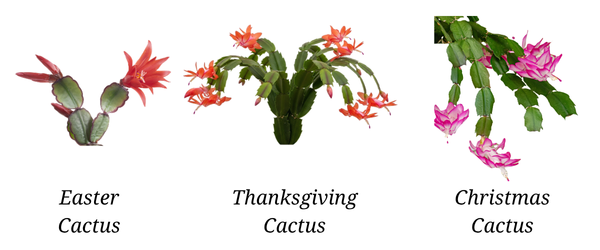
Holiday cacti can look pretty similar at first glance, but there’s a simple way to tell them apart:
- Easter cactus → Rounded, smooth leaf segments with soft edges
- Christmas cactus → Slightly scalloped edges (gentle curves)
- Thanksgiving cactus → Pointed, tooth-like edges
If the plant feels softer and more rounded overall, you’re likely looking at an Easter cactus.
Why Isn’t My Easter Cactus Blooming?
If your Easter cactus looks healthy but isn’t flowering, it likely hasn’t had the rest period it needs.
To set buds, Easter cactus benefit from a short dormancy period in late winter:
- Cooler temperatures (around 50–60°F at night)
- Slightly reduced watering
- Consistent light/dark cycles (longer nights help trigger buds)
After a few weeks of this rest, you can return it to normal conditions—and that’s when you’ll typically start to see buds forming.
Why It’s Perfect for Spring
Easter cactus fits beautifully into early spring décor. It pairs well with other seasonal favorites like daffodils, hyacinths, and hellebores, and adds a living element to your Easter table or windowsill.
Plus, unlike cut flowers, it keeps going—often blooming again year after year with the right care.
Whether you’re gifting it or keeping it for yourself, Easter cactus is a simple way to welcome spring indoors. Stop by and take a look at what’s in bloom—we’re always happy to help you pick out the perfect plant or answer any questions you have.