
February 16, 2026
Exotic Orchids: A Tropical Treasure for Your Home
When people hear the phrase “exotic orchids,” they often picture vibrant, long-lasting blooms in saturated tropical colors. And it’s true — many of the orchids we grow at home originate from tropical and subtropical regions around the world, where bright light, warmth, and humidity create the perfect environment for bold, dramatic flowers.
Although these orchids come from diverse climates and continents, many share similar care needs indoors. Each type has its own personality and subtle differences, but once you understand the basics, they’re far more approachable than they appear. Here’s a closer look at some popular varieties and how to help them thrive.
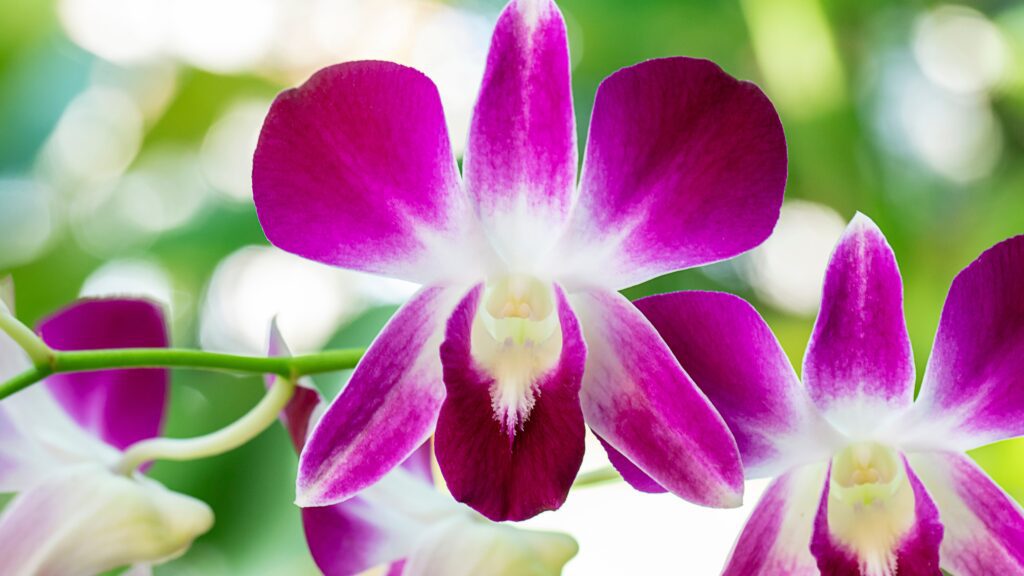
Dendrobium: The Classic Tropical Orchid
Dendrobiums are often what people envision when they think of tropical orchids. With upright canes and clusters of flowers along the stems, they feel both structured and dramatic.
You may see different forms, including:
- Dendrobium nobile
- Antelope-type dendrobiums
- Other hybrid varieties
Care Tips:
Light:
Very bright, indirect light is essential for reblooming. An east window is ideal; south or west works with light filtering. Dark green leaves often mean not enough light.
Water:
Water thoroughly, then allow the bark mix to dry about halfway down before watering again. In most homes, that’s roughly every 5–10 days. Never let the pot sit in water.
Seasonal Rest (especially nobile types):
In fall, provide cooler nights (around 55–60°F if possible) and reduce watering slightly once canes mature. This helps trigger flower spikes instead of leafy growth.
With strong light and proper drainage, dendrobiums are reliable rebloomers with long-lasting flowers.

Paphiopedilum: The Slipper Orchid
Paphiopedilums are instantly recognizable by their pouch-shaped blooms, often called “slipper orchids.” Their flowers are long-lasting and elegant, and many varieties have beautifully mottled foliage even when not in bloom.
Care Tips:
Light:
Low to medium indirect light. An east window or a few feet back from a south window works well. They need less intense light than dendrobiums.
Water:
Keep the potting mix evenly moist. Water when the surface feels just slightly dry — typically every 5–7 days in most homes. Do not allow them to fully dry out.
Temperature:
They prefer steady indoor temperatures (65–75°F) and do not require a cool rest period to rebloom.
Paphiopedilums are ideal for growers who prefer a consistent routine rather than a wet–dry cycle.

Zygopetalum & Miltoniopsis: Bold Patterns and Fragrance
Zygopetalums are known for dramatic purple and green blooms, often with a sweet, spicy fragrance. Miltoniopsis (sometimes called pansy orchids) produce wide, flat-faced flowers with intricate markings and a softer, romantic look.
Care Tips:
Light:
Bright, indirect light — similar to an east window or a bright room without direct midday sun. Too much sun can cause leaf burn quickly.
Water:
Keep the potting mix evenly moist. Water when the top layer begins to feel dry, usually every 4–7 days depending on your home. Do not allow them to dry out completely.
Humidity:
They prefer moderate humidity (around 50% or higher) and benefit from good airflow to prevent root or leaf issues.
With consistent moisture and gentle light, these orchids reward steady care with highly fragrant, eye-catching blooms.
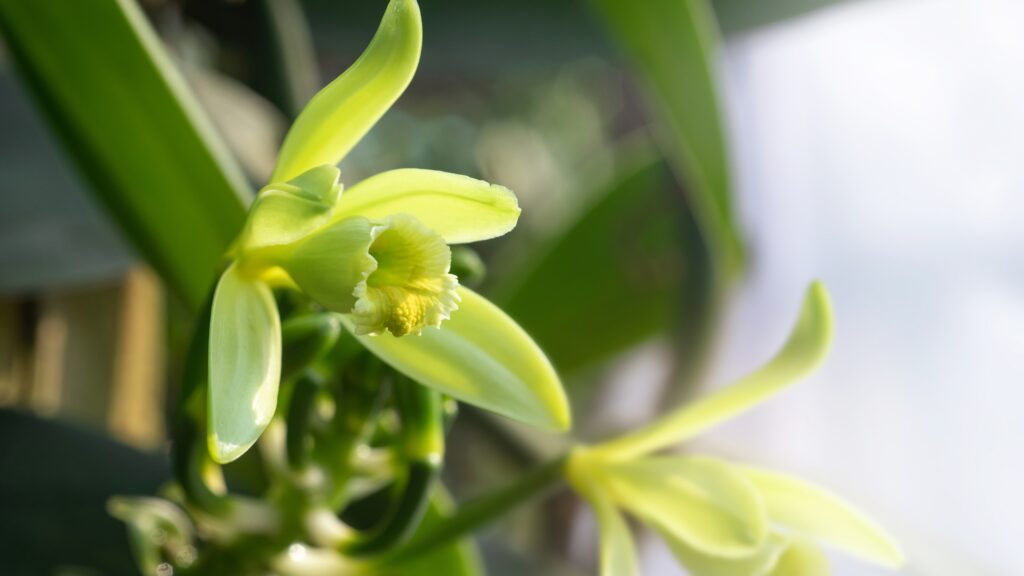
Vanilla planifolia: The Orchid Behind Vanilla
Vanilla planifolia is a vining orchid species responsible for real vanilla beans. In tropical climates it can flower and produce pods, but indoors it’s typically grown for its lush, climbing foliage and architectural look.
Care Tips:
Light:
Very bright, indirect light. A south or west window with light filtering works well. Insufficient light leads to slow, leggy growth.
Water:
Keep the mix lightly and consistently moist. Water when the top inch feels dry, but never allow roots to sit in water.
Support & Humidity:
Provide a moss pole or trellis for climbing. Higher humidity (50% or more) encourages stronger growth and aerial root development.
While flowering indoors is uncommon without greenhouse-level light and humidity, it’s a striking and rewarding plant to grow for its tropical presence alone.
General Care for Exotic Orchids
Although care varies slightly by type, most orchids share a few important principles:
Light
Bright, indirect light is key. Too little light often prevents blooming, while direct midday sun can scorch leaves. Healthy foliage should be medium green.
Water
Most orchids prefer to be watered thoroughly and then allowed to approach dryness before watering again. Always ensure excess water drains freely.
Airflow & Humidity
Orchids appreciate humidity, but airflow is just as important to prevent rot. Grouping plants together or placing them in naturally humid rooms can help.
Feeding
Use a diluted, balanced orchid fertilizer during active growth to support strong roots and future blooms.
Tropical Beauty, Surprisingly Manageable
Exotic Orchids are known for vibrant color, sturdy roots, and impressive bloom life. While they may look exotic, their needs are often simpler than expected: bright light, proper drainage, and a consistent routine.
If you’re considering adding an orchid to your collection or want help choosing the right variety for your space, stop by and talk with our team — we’re always happy to answer questions and help you grow with confidence.