
March 23, 2026
From Easter Table to Garden Bed: Getting the Most Out of Ranunculus
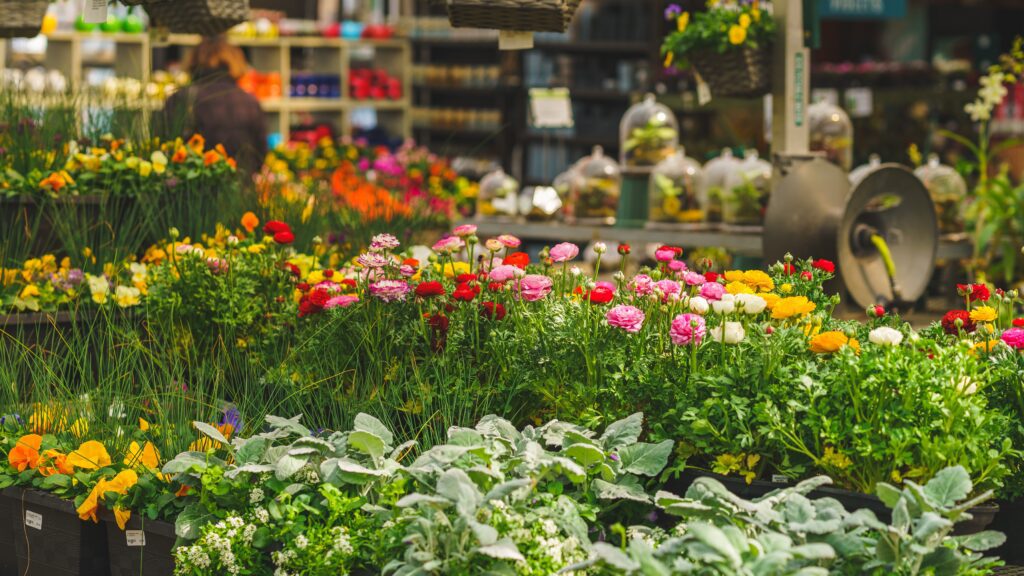
Ranunculus are one of those flowers that instantly elevate a space. With their layers of delicate, paper-thin petals and vibrant spring colors, they’re a natural choice for Easter centerpieces, hostess gifts, or simply brightening up your home after a long winter.
But here’s the best part—your ranunculus don’t have to stop at the table. With a little care and timing, you can transition them from indoor décor to outdoor garden stars and enjoy them well beyond the holiday.
A Spring Showstopper Indoors
Ranunculus thrive in the cooler temperatures of early spring, which makes them perfect for indoor enjoyment during Easter. Whether arranged in a vase or planted in a decorative pot, they bring soft color and texture to your space.
To keep them looking their best indoors:
- Place them in bright, indirect light
- Keep them in a cool room (they prefer it slightly chilly!)
- Water when the soil feels dry, but avoid overwatering
With proper care, you’ll get a longer bloom time—and set yourself up for success when it’s time to move them outside.
Can Ranunculus Be Planted Outside?
Yes—but timing is everything.
Ranunculus are cool-season growers, but they’re not fully frost hardy, especially once they’ve been growing in the warmth of a greenhouse or your home. Before planting them outside, you’ll want to wait until:
- The threat of hard frost has passed
- Nighttime temperatures are consistently above freezing
In Massachusetts and similar climates, this usually means mid to late spring. Check out the Farmer’s Almanac to see when your town’s last expected frost date is.
 How to Transition Them Outdoors
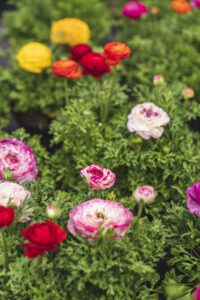
Moving ranunculus from indoors to the garden isn’t as simple as placing them straight outside. A gradual transition—called hardening off—helps prevent shock.
Here’s how:
- Start by placing them outside in a protected, shaded spot for a few hours a day
- Gradually increase their exposure to sunlight over 5–7 days
- Once acclimated, plant them in a sunny, well-drained garden bed or pot
This step is key to helping your plants adjust and continue thriving.
 Planting Tips for Success
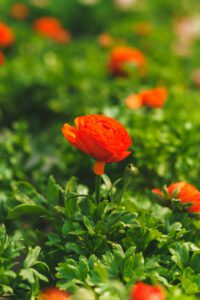
Once your ranunculus are ready for the garden, give them the conditions they love:
- Sun: Full sun to light shade
- Soil: Well-draining soil is essential (they dislike soggy roots)
- Water: Keep soil evenly moist, but not wet
- Spacing: Give them room for airflow to prevent disease
You can plant them directly in the ground or tuck them into patio pots, window boxes, or mixed containers for a layered spring look.
 What to Expect After Planting
Ranunculus will continue blooming through the cool part of the season, often putting on an even better show outdoors than they did inside. As temperatures rise into summer, the plants will naturally begin to fade.
At that point, you can:
- Treat them as seasonal color, or
- Let the foliage die back and save the corms to replant next season (for more experienced gardeners)
A Second Life for Your Easter Flowers
What makes ranunculus so special is their versatility—they’re not just a one-moment flower. With a little planning, your Easter centerpiece can become part of your garden, extending the life of something beautiful and making it even more meaningful.
So when the holiday wraps up, don’t toss those blooms—plant them.
Stop by in store or shop online to explore our ranunculus and get everything you need to bring your Easter flowers from table to garden bed this season.