March 30, 2026
March 30, 2026
After a long New England winter, your lawn has been through a lot. Snow cover, ice, salt, and fluctuating temperatures can leave grass looking tired, patchy, and slow to bounce back. The good news? With a little early-season care, you can help your lawn wake up strong and set the stage for a thick, healthy green space all season long.
Here’s how to ease your lawn out of winter dormancy and into spring.
Take a walk around your yard and look for:
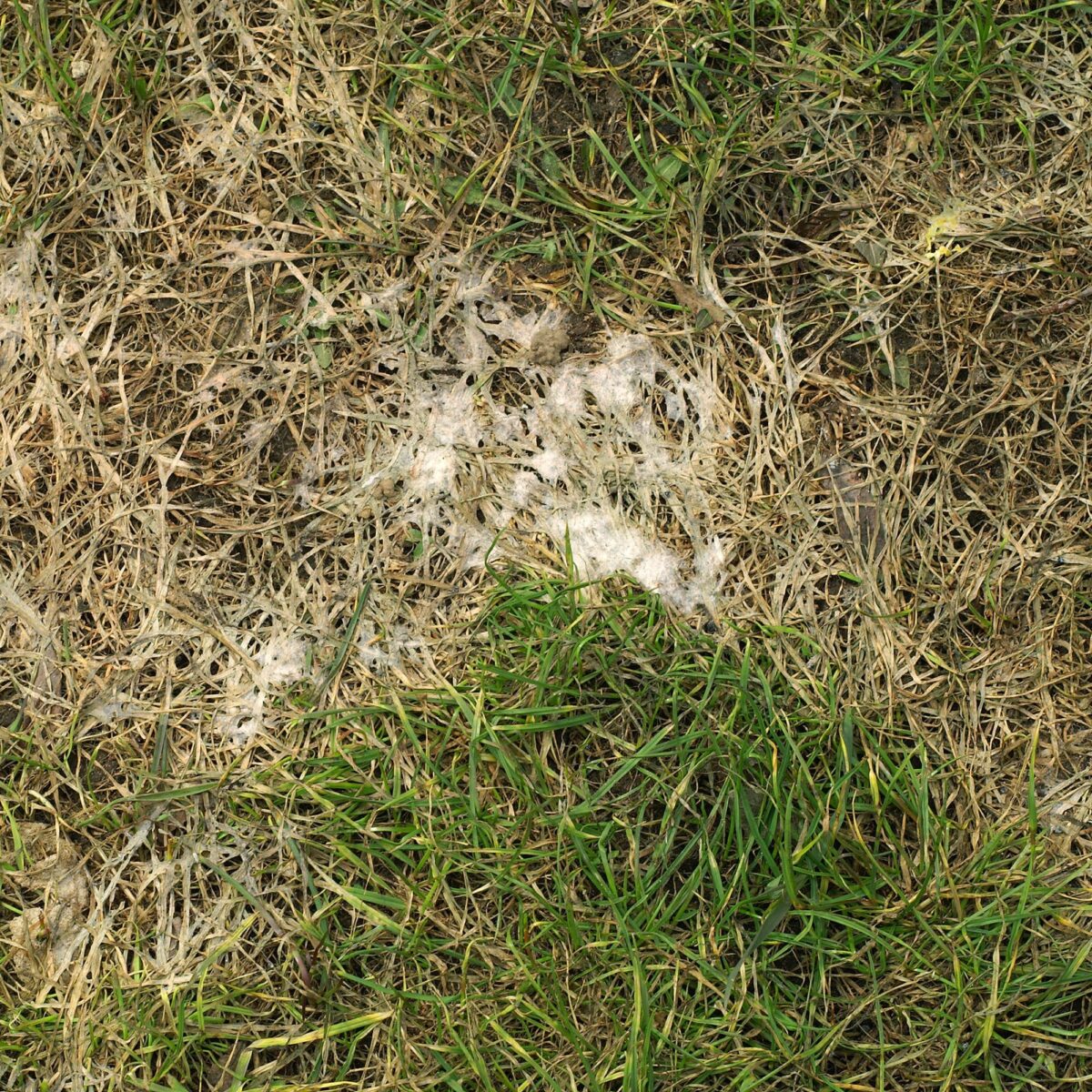
Snow mold is one of the most common issues after a long, snowy winter. White snow mold is mostly cosmetic and typically clears up on its own as temperatures warm and the lawn dries out. Pink snow mold, however, can be more aggressive and may require treatment with a fungicide such as Infuse.
Salt damage is another common issue, especially along driveways and walkways. Flush the area with deep watering once the ground has thawed, remove debris, and rake out dead grass. Applying a soil conditioner like Love Your Soil can help restore balance.
Don’t panic—most lawns recover well with time and proper care.
As the snow melts and the ground begins to dry out, resist the urge to jump in too quickly. Walking on overly wet soil can compact it and damage fragile grass roots.
Once the ground firms up:
This step helps your lawn “breathe” again.
Early spring lawns are vulnerable. Grass is just starting to grow and roots are weak.
A little patience now prevents long-term damage.
Avoid aggressive dethatching in early spring.
The goal is to encourage growth without stress.
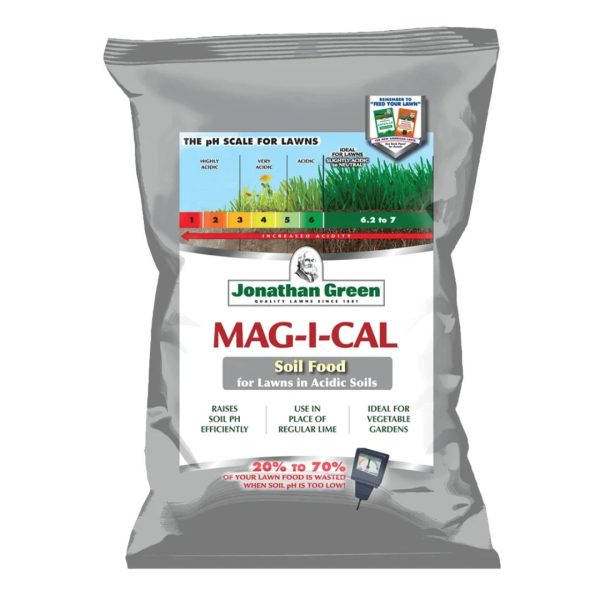
Before fertilizing, check your soil pH. Ideal lawn pH is around 6.5, but many New England soils are more acidic.
If your soil is too acidic, your lawn cannot properly absorb nutrients.
Correct pH sets the foundation for a healthy lawn.
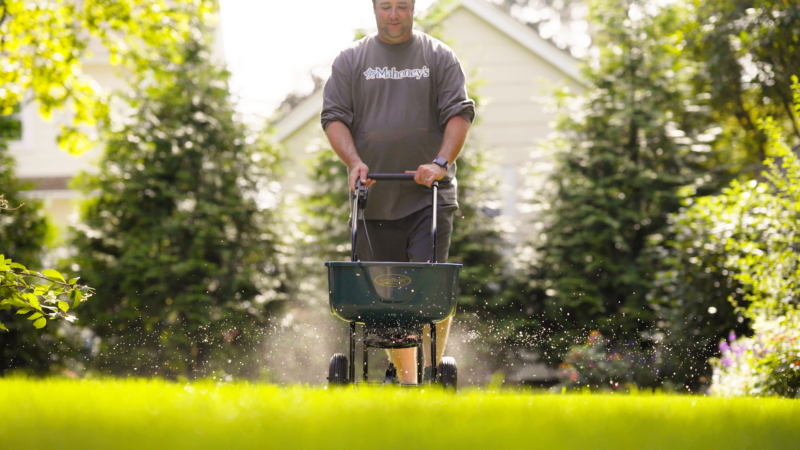
Once your lawn begins actively growing, it’s time to fertilize.
Organic option:
A well-fed lawn fills in faster and resists weeds.
Apply pre-emergent when soil temperatures reach about 55°F.
Recommended:
Organic option:
Overseed when temperatures are consistently above 55°F.
Jonathan Green blends are a strong option for durability and color.
When grass reaches 3–4 inches, mow for the first time.
A clean cut promotes thicker growth.
Spring lawn care is about timing and consistency. With the right approach, your lawn will reward you all season.
If you need help choosing products, visit your local store and talk with the team.
Early spring lawns are vulnerable. Grass is just starting to grow and roots are weak.
A little patience now prevents long-term damage.
Wait until the ground has thawed and dried out before doing any lawn work. Walking on wet or frozen soil can compact it and damage fragile grass roots, which slows spring recovery.
Snow mold is a common lawn fungus that appears as gray, white, or pink patches after snow melts. In most cases, especially with white snow mold, it’s mostly cosmetic and will clear up on its own as the lawn dries and temperatures rise.
es, but only lightly. Use a soft rake to remove debris and lift matted grass. Avoid aggressive dethatching early in the season, as it can stress the lawn when it’s just starting to grow.
Soil pH affects how well your lawn absorbs nutrients. If the soil is too acidic (below ~6.5), fertilizer won’t work as effectively. Adjusting pH with lime helps your lawn use nutrients properly and grow stronger.
When should I apply crabgrass preventer in spring?
Apply pre-emergent weed control when soil temperatures reach about 55°F, which usually aligns with mid-spring or when forsythia begins to bloom. Applying too early can reduce its effectiveness.