
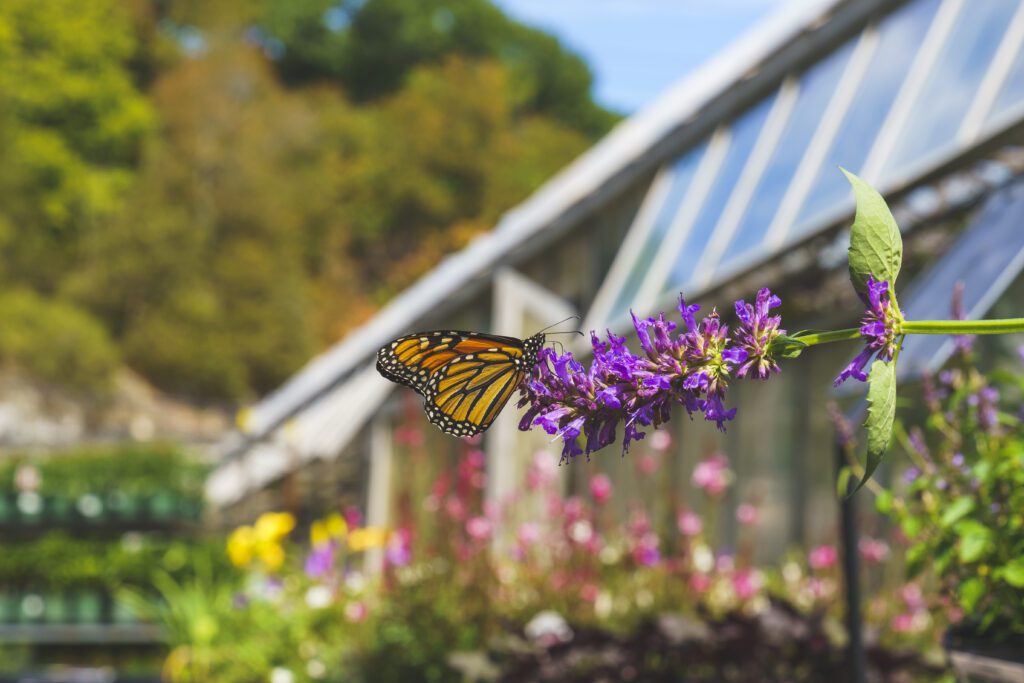
If you’ve ever watched a garden come alive with butterflies, bees, or hummingbirds, you already know how rewarding pollinator gardening can be. The good news? You don’t need a huge native meadow to support pollinators. Even a few containers, window boxes, or flower beds filled with the right annuals can help provide food and habitat throughout the growing season.
Annual flowers are especially valuable because many bloom continuously from spring through frost, offering a reliable nectar source during the busiest pollinator months in Massachusetts and across New England.
Why Are Pollinators Important?
Pollinators play a major role in healthy gardens and ecosystems. Bees, butterflies, hummingbirds, moths, and even bats help pollinate flowers, fruits, and vegetables by moving pollen from plant to plant.
Unfortunately, many pollinator populations are under pressure from habitat loss, pesticides, and changing weather patterns. Adding pollinator-friendly plants to your garden is one simple way to help support them right at home.
What Makes a Flower Attractive to Pollinators?
Different pollinators are drawn to different flower shapes, colors, and scents.
- Butterflies often prefer flat-topped or clustered blooms in shades of pink, purple, orange, yellow, and red.
- Bees are attracted to shallow flowers in blue, purple, white, and yellow.
- Hummingbirds love tubular blooms, especially in red, orange, and deep pink tones.
- Night pollinators like moths and bats are often drawn to fragrant evening-blooming flowers.
Which Annuals Attract Butterflies?
Butterflies love easy landing pads and nectar-rich blooms. Many classic cottage garden flowers are favorites.
 Zinnias
Zinnias are one of the easiest and most rewarding pollinator annuals you can grow. Their bright blooms attract butterflies all summer long, and they thrive in sunny New England gardens with minimal fuss.
 Lantana
Lantana produces clusters of nectar-rich flowers that butterflies flock to. It also handles heat and humidity especially well during tough New England summers.
 Cosmos
Cosmos add airy movement to gardens while providing an excellent nectar source for butterflies and bees. They also make wonderful cut flowers.
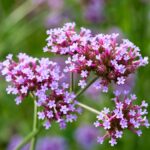 Verbena bonariensis
With tall, airy stems topped by clusters of purple flowers, Verbena bonariensis is a magnet for butterflies and beneficial insects while adding height and movement to garden beds.
What Annuals Help Support Bees?
Bees are some of the hardest-working pollinators in the garden, and annual flowers can provide an important food source throughout the season.
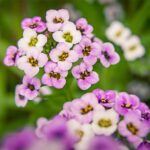 Alyssum
Sweet alyssum may look delicate, but it’s incredibly useful for pollinators. Its tiny flowers provide easy access to nectar for bees and other beneficial insects, especially in containers and borders.
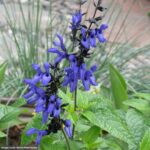 Salvia
Salvia is one of the best annuals for pollinators overall. Bees and hummingbirds both love its colorful flower spikes, and many varieties bloom continuously from late spring into fall.
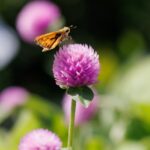 Gomphrena
Also known as globe amaranth, gomphrena produces long-lasting blooms that pollinators appreciate during the heat of summer. It’s also drought tolerant once established.
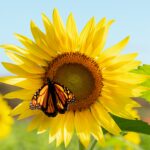 Sunflowers
Sunflowers provide pollen and nectar for bees while also supporting birds later in the season when seeds develop. Even a few sunflowers can make a big impact in a pollinator garden.
What Flowers Attract Hummingbirds?
Hummingbirds are especially drawn to tubular flowers and bold colors.
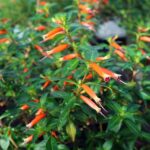 Cuphea ‘Vermillionaire’
This plant has become a favorite for hummingbird gardeners, and for good reason. Its bright orange tubular flowers bloom continuously and are constantly visited by hummingbirds during summer.
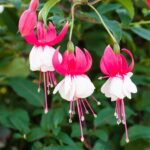 Fuchsia
Fuchsia’s dangling blooms are perfectly shaped for hummingbirds. They work especially well in hanging baskets and shaded patios.
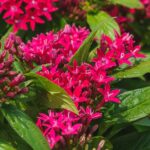 Pentas
Pentas produce star-shaped flower clusters that attract both butterflies and hummingbirds. They thrive in containers, raised beds, and sunny borders.
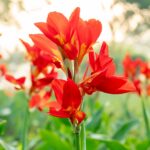 Canna
Canna
Cannas bring tropical color and bold foliage to the garden while providing hummingbirds with easy access to nectar-rich blooms.
Can Annuals Support Night Pollinators Too?
Yes! Evening pollinators like moths and bats are often attracted to fragrant or night-blooming flowers.
Moonflower vine, four o’clocks, evening primrose, and cleome are all known for attracting nighttime pollinators. These plants can add another layer of activity and interest to summer gardens, especially near patios or outdoor seating areas.
One important note: Angel’s trumpet is highly poisonous and should be planted carefully around pets and children.
How Can You Create a More Pollinator-Friendly Garden?
A few simple gardening practices can make your annual plantings even more supportive for pollinators:
- Plant flowers in clusters so pollinators can find them more easily
- Include a variety of flower shapes and colors
- Choose plants with long bloom periods
- Avoid spraying pesticides while plants are in bloom
- Add shallow water sources like bee cups or bird baths
- Let some flowers mature naturally instead of deadheading every bloom
Pollinator Gardens Can Be Beautiful and Helpful
One of the best parts of pollinator gardening is that it doesn’t have to look wild or messy. Pollinator-friendly annuals work beautifully in containers, window boxes, hanging baskets, vegetable gardens, and landscape beds.
Whether you’re planting a few zinnias in a sunny pot or creating an entire hummingbird garden, even small additions can help support pollinators throughout the season.
Visit your local Mahoney’s Garden Center to explore pollinator-attracting annuals, talk with our plant experts, and discover easy ways to create a garden buzzing with life all summer long.