
Straw is generally better than traditional field hay for garden mulch because it contains fewer viable seeds and is less likely to introduce weeds. Salt Marsh Hay is the exception. Although technically hay, its seeds are adapted to salty coastal soil and typically do not germinate in ordinary garden beds.
For New England gardeners, both Salt Marsh Hay and clean, heat-treated wheat straw work well around vegetables, strawberries, garlic, perennials, and other plants. Heat-treated straw is the better choice for seeding or patching a lawn because it spreads evenly and helps hold grass seed in place.
In this guide, we compare traditional field hay, Salt Marsh Hay, and Healthistraw® to help you choose the right natural mulch and apply it correctly.
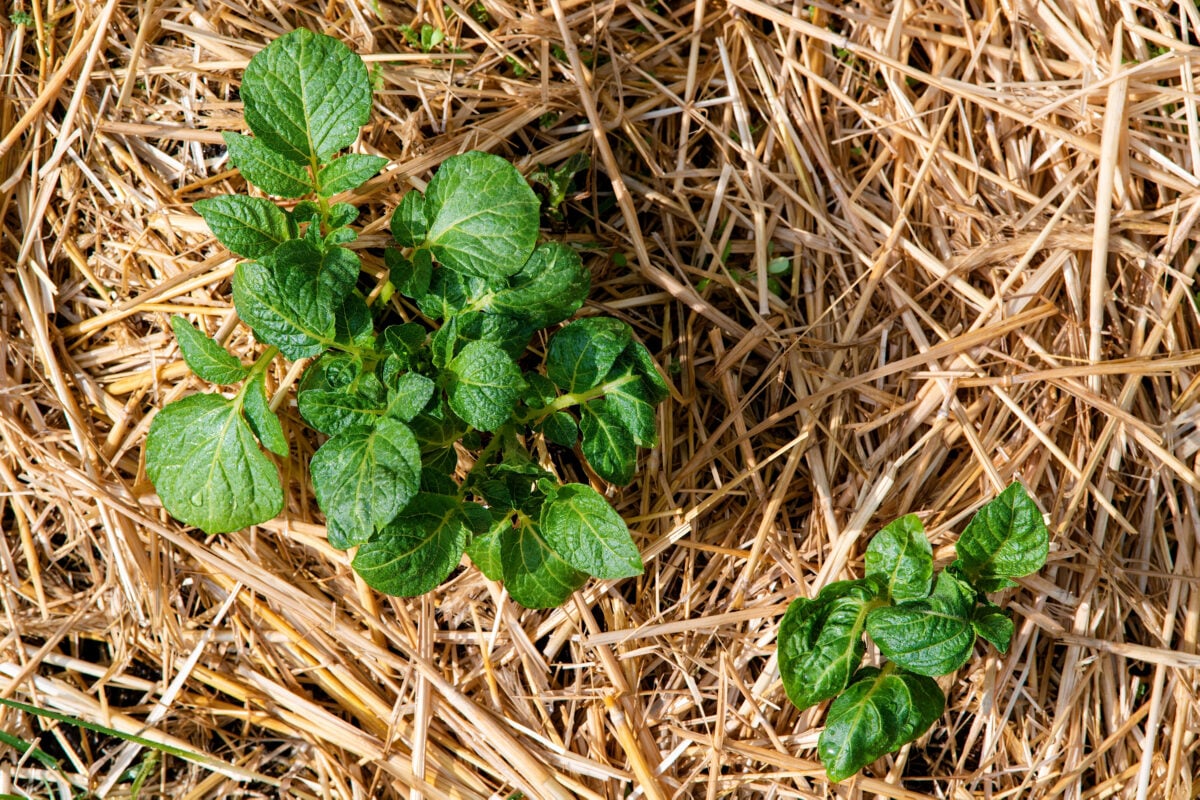
What's the Difference Between Straw and Hay?
Although people often use the terms interchangeably, straw and hay are made for different purposes.
Straw is the dry stalk left behind after grain crops like wheat have been harvested. Since the grain has already been removed, quality straw contains very few viable seeds, making it an excellent mulch for gardens.
Traditional field hay is harvested while grasses or legumes are still green and is primarily grown as livestock feed. Because it often contains mature grass and weed seeds, using it as mulch can introduce unwanted plants into your garden.
Salt marsh hay is a unique exception. Harvested from coastal salt marshes, it does contain seeds, but they’re from plants adapted to growing in salty coastal environments. Those seeds generally require saline conditions to germinate, so they typically won’t sprout in the average home garden. That’s one reason salt marsh hay has been a trusted mulch in New England vegetable gardens for generations.
Why Mulch with Straw or Salt Marsh Hay?
Whether you choose Salt Marsh Hay or Healthistraw, both provide many of the same benefits for your garden.
Conserves Moisture
A layer of mulch helps reduce evaporation, allowing the soil to stay moist longer between waterings. This is especially helpful during the heat of summer and can reduce how often you’ll need to irrigate.
Helps Prevent Weeds
A 2–3 inch layer blocks sunlight from reaching many weed seeds, reducing germination and making your garden easier to maintain.
Keeps Soil Temperatures More Consistent
Mulch acts as insulation, helping keep the soil cooler during hot days and reducing rapid temperature swings that can stress plant roots.
Helps Reduce Soil-Borne Diseases
When rain or sprinklers splash soil onto leaves, fungal and bacterial diseases can spread more easily. Mulch creates a barrier between the soil and your plants, helping keep foliage cleaner—especially on vegetables like tomatoes, peppers, cucumbers, and squash.
Improves Soil Over Time
As natural mulches slowly break down, they add organic matter back into the soil, improving soil structure and supporting beneficial organisms like earthworms and microbes.
Salt Marsh Hay vs. Healthistraw®
Both products are excellent choices, but they’re designed with slightly different uses in mind.
Salt Marsh Hay
Salt Marsh Hay has been used by New England gardeners for generations and remains a favorite for:
- Vegetable gardens
- Perennial beds
- Strawberry patches
- Garlic plantings
- Winter protection around hardy plants
It’s a simple, natural mulch that does an excellent job conserving moisture, suppressing weeds, and protecting the soil throughout the growing season. Not to mention, our salt marsh hay is locally grown in Newbury by Colby Farm.
Healthistraw®
Healthistraw is a heat-treated, 100% non-GMO wheat straw that’s been specially processed for gardening.
It features enhanced filtration to remove wheat seeds, and the straw is cut, split, and bent so it stays in place better without the use of a tackifier.
It’s ideal for:
- Raised beds
- Vegetable gardens
- Herb gardens
- Flower beds
- Containers and pots
- Fruit trees and berry bushes
- Lawn seeding and patch repair
Healthistraw gives gardeners all the benefits of traditional straw while minimizing the risk of stray wheat seeds germinating in the garden.
How to Mulch Your Garden
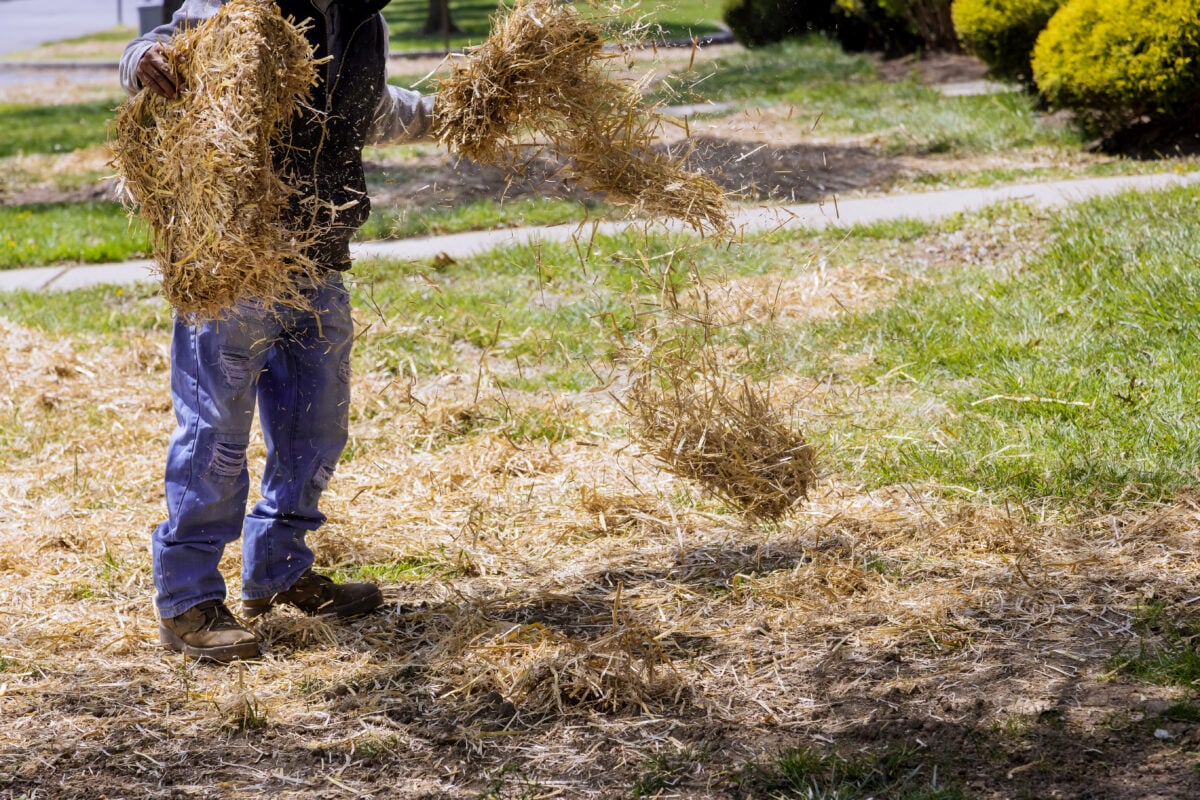
Whether you’re using Salt Marsh Hay or Healthistraw, the process is essentially the same.
- Remove any existing weeds and prepare your garden bed as usual.
- Spread a 2–3 inch layer of mulch over the soil.
- Keep the mulch about 1 inch away from plant stems and crowns to prevent excess moisture from collecting around the base of the plant.
- Water over the mulch to help settle it into place, especially if conditions are dry or windy.
- Add more mulch throughout the season as it naturally breaks down.
At the end of the growing season, you can either leave the mulch in place to protect the soil over winter or work it into the soil, where it will continue decomposing and add organic matter back to your garden.
Using Healthistraw for Lawn Seeding
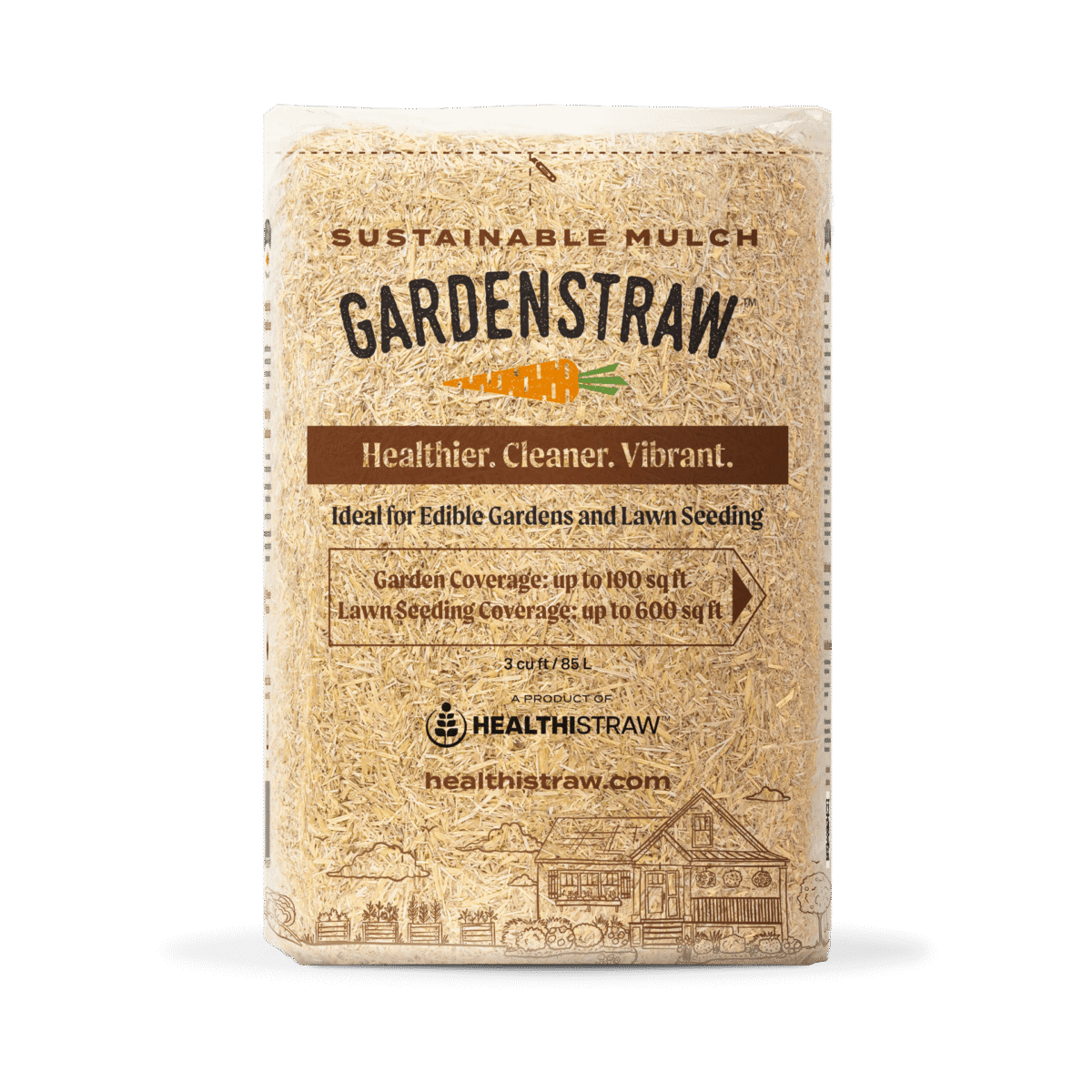
While both products are excellent garden mulches, Healthistraw is the better choice for new lawn seed and patch repairs.
A thin layer helps:
- Hold grass seed in place during watering
- Discourage birds from eating newly sown seed
- Reduce moisture loss while seeds germinate
To use it:
- Prepare the area with topsoil and grass seed as usual.
- Apply a light layer about ¼ inch deep—just enough to lightly cover the seed while still allowing plenty of soil to show through.
- Water thoroughly.
There’s no need to remove the straw after the grass germinates. The new grass will grow through it, and the mulch will naturally decompose into the soil.
Using Natural Mulch for Winter Protection
Both Salt Marsh Hay and Healthistraw can also help protect plants during the winter months.
After the ground has begun to freeze, apply a thicker layer around:
- Garlic
- Hardy herbs
- Perennial flowers
- Newly planted perennials
This insulating layer helps reduce repeated freeze-and-thaw cycles that can heave plants out of the ground over winter.
Healthistraw also has a few bonus uses, including insulating stored flower bulbs and absorbing moisture in indoor compost pails.
Which One Should You Choose?
For vegetable gardens, perennial beds, strawberries, or garlic, either Salt Marsh Hay or Healthistraw will provide excellent moisture retention, weed suppression, and soil protection. Salt Marsh Hay is a time-tested choice for gardeners who prefer a traditional New England mulch, while Healthistraw offers a processed wheat straw designed specifically for gardening. For lawn seeding and patch repair, Healthistraw is the better choice.
No matter which you choose, adding a natural mulch is one of the simplest ways to conserve water, reduce weeds, improve soil health, and help your plants thrive.
Stop by your local Mahoney’s Garden Center to see both options in person. Our team is always happy to help you choose the right mulch for your garden, lawn, or landscaping project and answer any questions along the way.
FAQ
What is the difference between straw and hay?
Straw consists of the dry stalks left after grain crops are harvested, while hay is made from grasses or legumes grown primarily as livestock feed. Straw usually contains fewer viable seeds, making it a better choice for garden mulch than traditional field hay.
Is salt marsh hay a good mulch for vegetable gardens?
Yes. Salt marsh hay helps retain soil moisture, suppress weeds, regulate soil temperature, and reduce soil splash onto plants. Its seeds typically require salty conditions to germinate, so they are unlikely to sprout in an average garden.
Should I use salt marsh hay or Healthistraw in my garden?
Either works well in vegetable gardens, perennial beds, strawberry patches, and garlic plantings. Salt marsh hay is a traditional New England mulch, while Healthistraw is processed wheat straw designed to minimize seeds and stay in place. Healthistraw is the better choice for lawn seeding and patch repair.
How thick should straw or salt marsh hay mulch be?
Apply a 2–3-inch layer over the soil, keeping it approximately 1 inch away from plant stems and crowns. Water the mulch after applying it to help it settle, and add more during the season as it decomposes.
Can Healthistraw be used over newly planted grass seed?
Yes. Apply Healthistraw approximately ¼ inch deep so it lightly covers the grass seed while leaving some soil visible. It helps retain moisture, hold seed in place, and discourage birds. The straw does not need to be removed after the grass begins growing.