
If you’re starting a new lawn, replacing tired turf, or repairing an area that has seen better days, sod gives you one big advantage: an established lawn almost instantly. But the type of sod you choose can make a big difference in how that lawn performs in the years ahead.
At Mahoney’s, we carry RTF® Sod from Savage Farms in Deerfield, Massachusetts. RTF stands for Rhizomatous Tall Fescue, a turf-type tall fescue that combines deep roots and durability with the ability to spread underground.
The result is a dense, resilient lawn that’s well suited to everyday use and the changing conditions of a New England growing season.
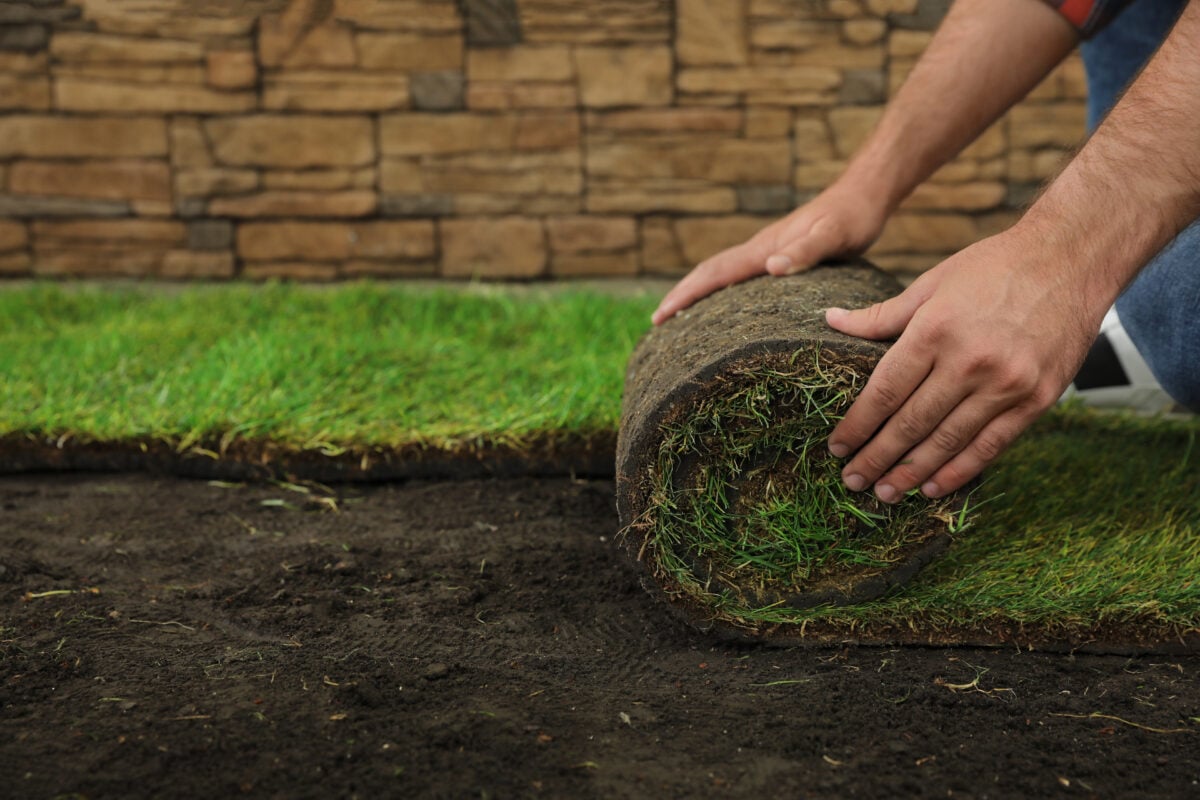
What Is RTF Sod?
The biggest difference between RTF and traditional tall fescue is right in its name: rhizomatous.
Most traditional tall fescues are bunch-type grasses. Individual plants grow in clumps but have a limited ability to spread into neighboring areas. RTF produces true underground rhizomes—horizontal stems that can travel beneath the soil and produce new shoots.
This allows established RTF to gradually fill smaller thin or damaged areas and maintain a denser, more uniform lawn. It can mean fewer bare patches, less of the clumpy appearance sometimes associated with tall fescue, and less reliance on overseeding to maintain density.
A thick lawn also leaves less open space for weeds to establish, making healthy turf itself an important part of long-term weed management.
Made to Handle New England Conditions
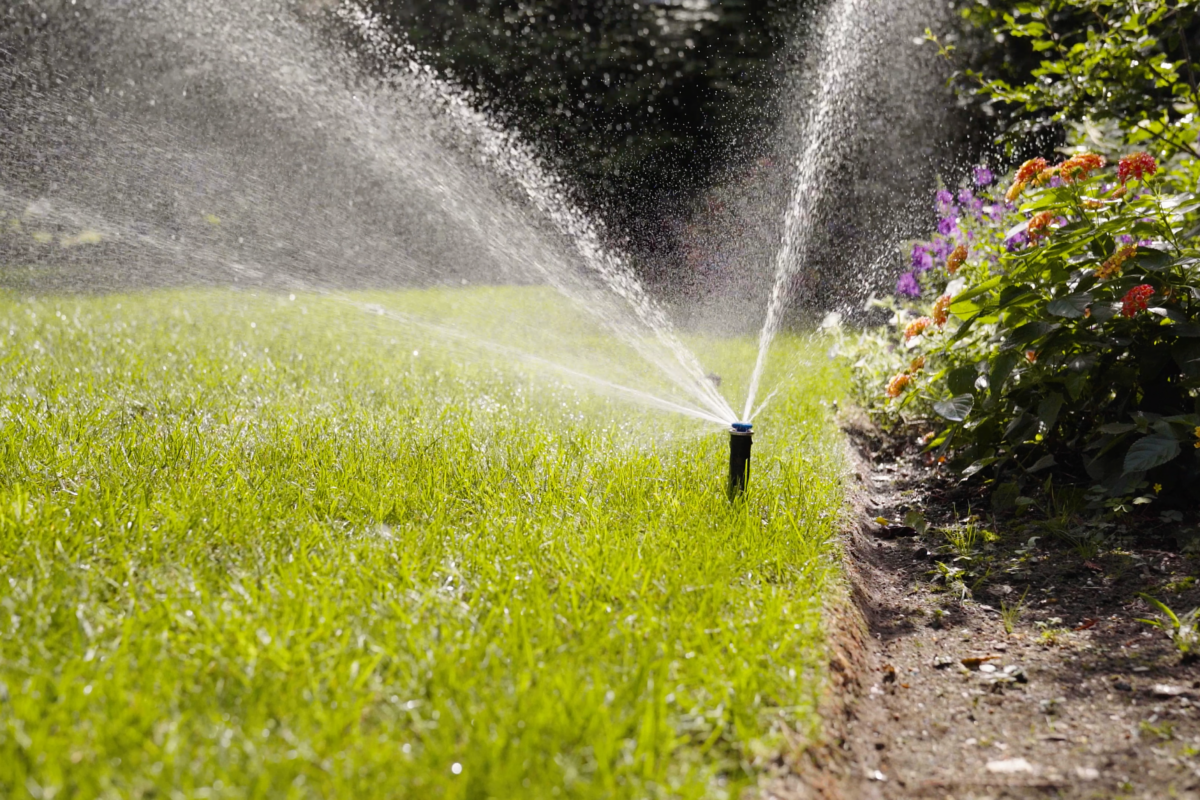
New England lawns have a lot thrown at them. We can go from cool, wet spring weather to hot, dry stretches in summer, followed by freezing temperatures in winter. Choosing a grass that can tolerate a range of conditions can make maintaining a healthy lawn considerably easier.
One of RTF’s biggest advantages is its deep, extensive root system. Those roots help the grass access moisture deeper in the soil and withstand periods of heat and drought better than more shallow-rooted turf.
Barenbrug, the developer of RTF technology, reports that RTF can use up to 30% less water than comparable cool-season turfgrasses while maintaining turf quality.
That doesn’t mean you can skip watering—especially with newly installed sod—but once established, RTF is designed to make better use of available moisture and hold up through periods of summer stress.
Sun, Shade, and Everything in Between
Very few yards have exactly the same growing conditions from one end to the other. One section may bake in afternoon sun while another gets filtered light from nearby trees.
RTF is adaptable to full sun and moderate shade, giving it more flexibility for residential landscapes with varying light conditions.
It also performs across a range of soil conditions. As with any lawn, good soil preparation and drainage will give it the best start, but RTF’s adaptability makes it a practical choice for many different properties.
Built for Everyday Life
A lawn isn’t always just something to look at. It might be where the kids play, the dog runs, friends gather, or everyone cuts across the yard on the way to the driveway.
RTF is valued for its toughness, resilience, and traffic tolerance, which is why tall fescue turf is used not only for residential lawns but also in demanding settings such as parks, athletic fields, golf courses, and commercial landscapes.
RTF also has a fine-bladed, dense appearance, so that durability doesn’t have to come at the expense of looks. You get turf designed to stand up to regular use while still creating the lush, uniform appearance most homeowners want from a lawn.
RTF from Savage Farms is also endophyte-enhanced. Endophytes are naturally occurring fungi that live within certain turfgrasses and can help improve resistance to some surface-feeding insects.
Locally Grown at Savage Farms
Another reason we’re excited about our RTF sod is where it comes from.
Our sod is grown by Savage Farms in Deerfield, Massachusetts, a local farm whose history dates back to 1910. Today, Savage Farms grows premium turfgrass right here in Massachusetts, including RTF Tall Fescue.
Choosing locally grown sod means you’re getting turf that has already been growing in our region rather than something produced under completely different conditions hundreds or thousands of miles away.
Want to meet the sod farmer behind it all, Jay Savage? Check out our video on instagram!
Getting Your New RTF Sod Off to a Good Start
One of the benefits of sod is its instant transformation, but remember that a newly laid lawn still needs time to establish roots in its new home.
Before installation, remove old turf, weeds, rocks, and debris and create a smooth, level soil surface. Sod should be installed as soon as possible after you receive it so the rolls don’t dry out.
Once installed, water thoroughly so moisture reaches through the sod and into the soil beneath it. During the initial establishment period, keep the sod and underlying soil consistently moist without leaving the area waterlogged.
As roots begin growing into the soil, gradually transition from frequent watering to deeper, less frequent irrigation. This encourages the deep rooting that helps established tall fescue handle periods of dry weather.
It’s also a good idea to minimize heavy traffic while your new lawn is getting established. Once you can gently tug on the sod and feel resistance, that’s a sign that the roots are beginning to take hold.
Is RTF Sod Right for Your Yard?
RTF is a great option for homeowners who want the immediate results of sod along with a turfgrass selected for long-term durability.
It’s particularly worth considering for lawns that experience summer heat, periods of drought, a mixture of sun and moderate shade, regular foot traffic, or recurring thin spots. Its combination of deep roots, adaptability, durability, and spreading growth gives it several advantages in one lawn.
No turfgrass is maintenance-free, of course. Proper watering, mowing, soil care, and seasonal lawn maintenance are still important. But starting with turf that is well suited to our climate can make maintaining a healthy lawn much easier.
If you’re thinking about replacing your lawn or tackling a new lawn project, stop by your local Mahoney’s Garden Center to learn more about our locally grown RTF Sod from Savage Farms. Our team can help you determine how much sod you’ll need and answer questions about preparation, installation, and care.
RTF Sod FAQs
1. What does RTF stand for?
RTF stands for Rhizomatous Tall Fescue. It’s a type of tall fescue that produces underground rhizomes, allowing established turf to spread into smaller thin or damaged areas.
2. Does RTF Sod grow in shade?
RTF performs well in full sun to moderate shade. Like any lawn grass, its performance will decline in areas with very little usable sunlight.
3. Is RTF Sod drought tolerant?
Yes. Tall fescue is known for its deep roots and good heat and drought tolerance. Once established, RTF is designed to use available moisture efficiently. Newly installed sod still requires consistent watering while its roots establish.
4. Is RTF good for lawns with kids and pets?
RTF’s durability and ability to tolerate regular traffic make it a good option for active residential lawns. Like any turf, however, heavily worn areas can still become damaged and may occasionally need some extra attention.
5. Where does Mahoney’s RTF Sod come from?
Our RTF Sod is grown locally at Savage Farms in Deerfield, Massachusetts, giving our customers a locally grown turf option produced right here in New England.