
Shrubs add beauty and structure to our gardens. During the first few years after planting, a shrub requires little to no pruning. As it matures, selective pruning can increase bloom, improve shape and or reduce size. Whatever your objective, intentional pruning helps produce a natural looking shrub with a graceful form. Below we’ll walk through the basics of spring pruning from tools to technique!
Choose the right tools.
Use clean, sharp hand tools rather than electric shears. Shearing a shrub promotes dense growth at the branch tips. This blocks light and inhibits air circulation inside the shrub, which can eventually lead to the shrub’s decline, either by disease or lack of foliage for photosynthesis. And remember to always disinfect your tools with rubbing alcohol before you begin. Need a new pair for the new season? Check out our selection here.
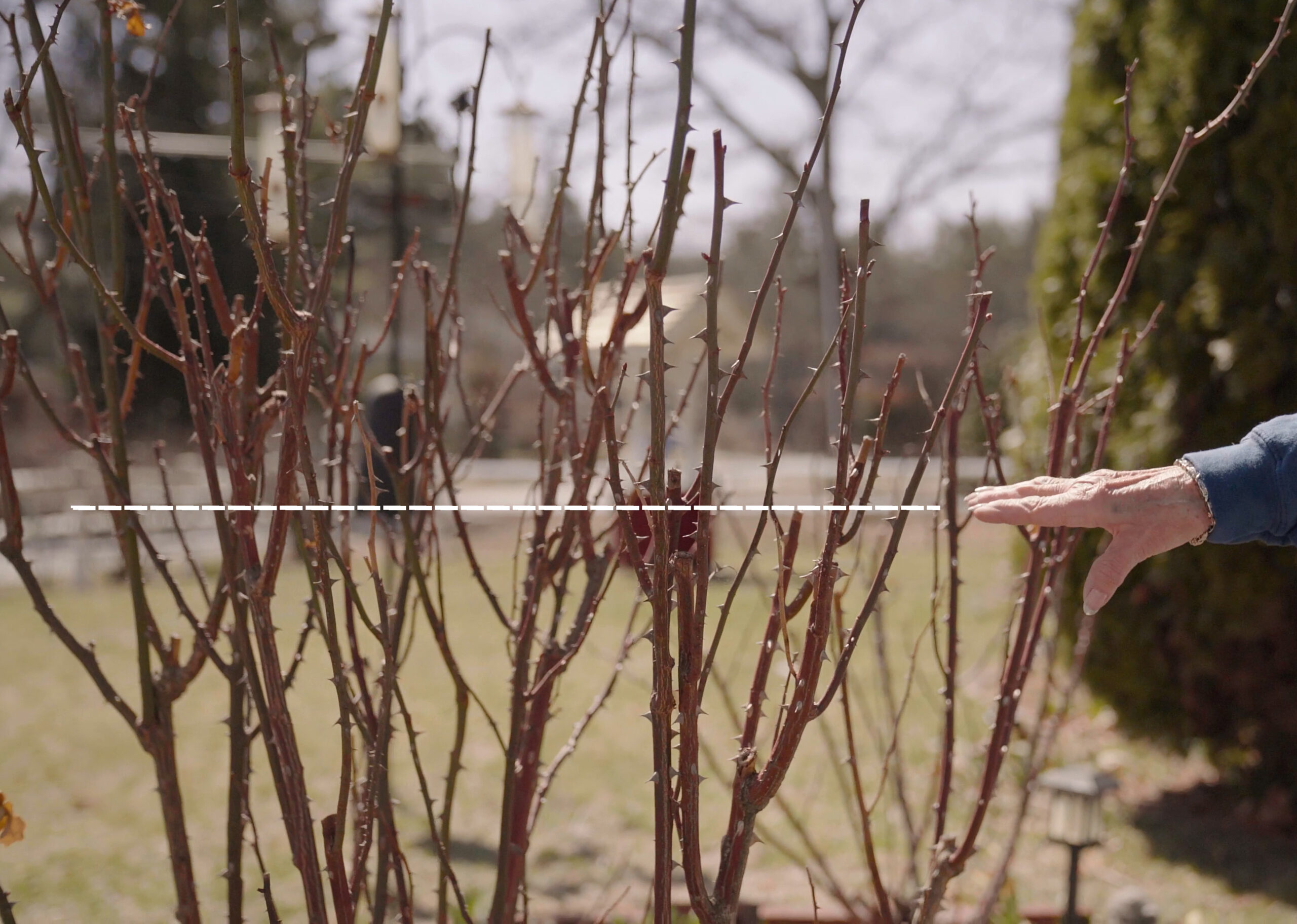
Keep two thirds!
A shrub is not a poodle. Never remove more than one-third of the shrub’s mass in any given year. This preserves enough foliage for the plant to make sufficient food to stay robust and generate new growth quickly.
Choose a pruning method that meets your goals and the plant’s needs.
A “heading cut” is used to shorten a branch. The direction in which the top remaining bud is pointing will determine the direction of new growth. Prune one quarter inch above the bud, making the cut at a slight angle.
A “thinning cut” reduces the density of the shrub by removing branches at their point of origin from the center of the shrub.
Clean up.
Always remove dead, diseased or broken branches as soon as you notice them.
With few exceptions, you should avoid coating pruning cuts on shrubs or trees with wound dressing or paint. Trees and shrubs have their own mechanisms to heal a wound and need oxygen for proper recovery. In some cases wound dressings inhibit the availability of oxygen which is needed for proper recovery.
Know when to prune.
Different shrubs should be pruned at different times of the year depending on their individual biological make-up and bloom season. Read our blog on Nine Shrubs to Prune in April for some of the common favorites who would benefit from an early trim!