Spring Starts Early: What to Plant Now in Cool New England Weather

If you’ve been waiting for consistently warm weather to start planting, you don’t have to. Many plants actually thrive in the cool, unpredictable conditions of early spring—making now one of the best times to get started. From fresh herbs and early vegetables to colorful flowers and dependable perennials, these cool-tolerant plants are ready to go in the ground and grow strong, even when the weather can’t quite make up its mind.

What Vegetables Can Be Planted in Cold Weather?

Many vegetables thrive in cool soil and crisp air. These early-season crops don’t just tolerate the cold—they perform best in it.

cold crops
Swiss Chard, Broccoli, and Peas

Look for:

These crops germinate well in cooler soil and often taste better in spring conditions. Planting now means earlier harvests and less stress from summer heat.

What Herbs Grow Well in Early Spring?

Not all herbs need warm weather to get going. Many popular kitchen staples actually prefer cool, steady spring conditions.

Chives, Thyme & Parsley

Great choices include:

These herbs establish quickly in cool weather and continue producing as temperatures rise.

What Flowers Can Handle Cold Spring Temperatures?

If you’re ready for color after winter, there are plenty of flowers that can go in the ground now.

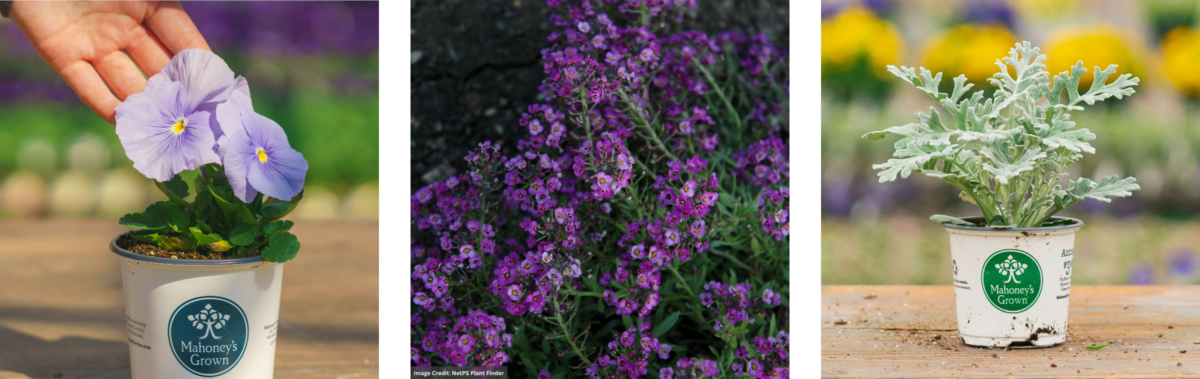
Cold Weather Flowers
Pansies, Alyssum, and Dusty Miller

If you’re ready for color after winter, there are plenty of flowers that can go in the ground now.


Look for early-season annuals like:

These plants handle cool days and light frosts while continuing to look great.

What Perennials Can You Plant Now That Handle Cold Spring Weather?

Many perennials are well-suited for early spring planting and tolerate unpredictable weather.

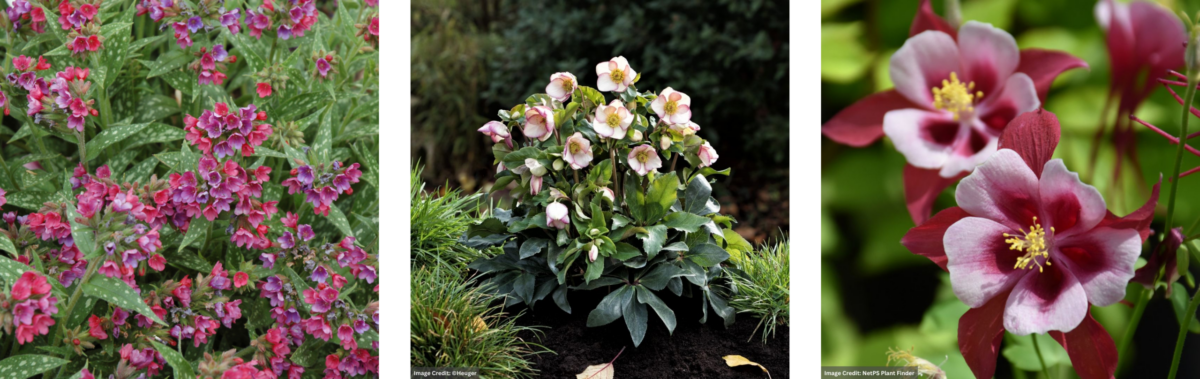
Lungwort, hellebore, and columbine
Lungwort, Hellebore, and Columbine

Look for:

Planting now helps establish strong roots early for better growth and blooms later.

How Cold Is Too Cold to Plant?

Most cold crops can handle:

  • Daytime temperatures in the 40s and 50s
  • Nighttime temperatures near or slightly below freezing
  • Light frosts

If the ground is workable and not frozen, you’re generally good to plant.

Why Should You Start Planting Now Instead of Waiting?

Planting early helps you work with the season instead of against it.

  • Extend your growing season
  • Let plants establish in ideal conditions
  • Reduce the rush of peak spring planting
  • Enjoy a fuller, more productive garden sooner

And after a long winter, it just feels good to get your hands in the soil again.

Ready to Get Growing This Spring?

Even with unpredictable weather, many plants are ready to go in the ground now. From herbs and vegetables to flowers and perennials, cold crops help you start the season with confidence.


Visit a Mahoney’s location
to explore what’s ready to plant—our team can help you get started.

FAQ

What are cool-tolerant plants?

Cool-tolerant plants are varieties that can grow in lower temperatures, including early spring conditions and light frost. Many vegetables, herbs, and flowers are adapted to cooler weather and can be planted before the last frost.

What vegetables can I plant in early spring?

You can plant cool-season vegetables like lettuce, spinach, kale, peas, broccoli, and Swiss chard. These crops germinate well in cooler soil and often perform better before summer heat arrives.

Can plants survive frost in early spring?

Yes, many cool-tolerant plants can handle light frost and chilly temperatures. Some even improve in flavor or color when exposed to cold conditions, making them ideal for early planting.

When is it safe to plant cool-tolerant plants?

You can plant cool-tolerant plants as soon as the soil is workable and not frozen. Many varieties thrive in temperatures ranging from the 40s to 50s and can tolerate brief dips near freezing.

Why should I plant cool-tolerant plants early?

Planting early helps extend your growing season, allows plants to establish in ideal conditions, and reduces stress from summer heat. It also leads to earlier harvests and longer-lasting blooms.