
July 27, 2026
Uncle Mike’s Monthly Gardening Tips: August
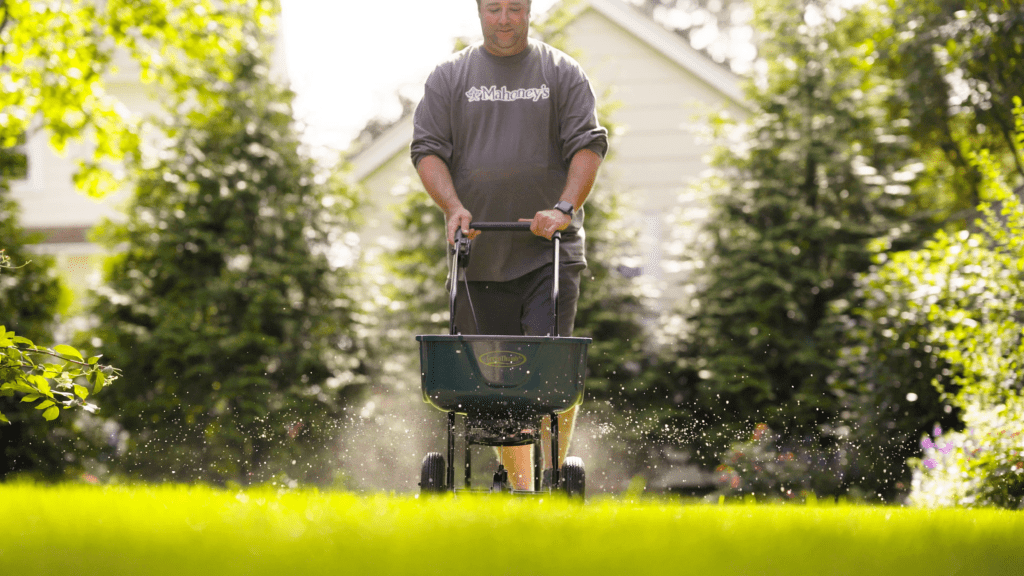
Why Is Late Summer an Important Time for Grub Control?
If grubs have been a problem in your lawn, timing matters. In late summer, newly hatched grubs are small and actively feeding on grass roots. This makes August an important time to address them before they grow larger, move deeper into the soil for winter, and return to feed again in spring.
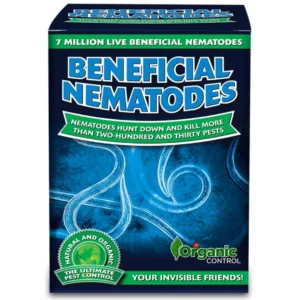 For gardeners looking for a natural approach, Beneficial Nematodes are a great place to start. These microscopic organisms live in the soil and target a wide range of soil-dwelling pests, including grubs, without harming plants, people, pets, or beneficial insects. They’re mixed with water and applied to the soil, where they get to work below the surface.
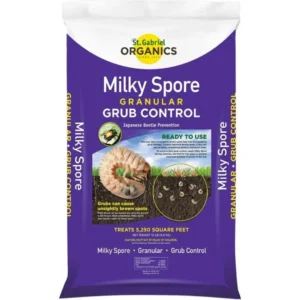 Milky Spore offers another natural option, specifically for Japanese beetle grubs. The beneficial bacteria establish in the soil and are ingested by feeding Japanese beetle grubs. Because it builds up in the soil over time, Milky Spore is better thought of as a longer-term approach to managing Japanese beetle populations rather than a quick knockdown treatment.
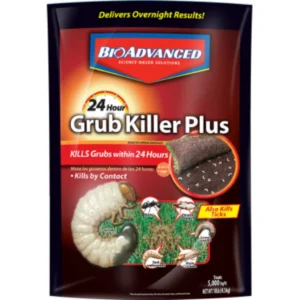 If you’re already dealing with a significant active grub infestation and need a faster rescue treatment, a synthetic grub killer such as BioAdvanced 24 Hour Grub Killer Plus may be appropriate. Products containing Dylox are designed to kill actively feeding grubs quickly, so Uncle Mike recommends reserving this type of treatment for situations where faster control is really needed.
Uncle Mike’s Tip: Check your lawn before treating. If sections of turf are browning and pull up easily like a loose carpet, take a look underneath for grubs. Knowing what’s actually causing the damage will help you choose the right treatment.
How Can You Protect Yourself from Mosquitoes and Ticks?
August means plenty of time spent outside, whether you’re gardening, hiking, camping, or simply relaxing in the backyard. Unfortunately, mosquitoes and ticks aren’t taking the month off either.
 For those who prefer a plant-based repellent, I’m Not Gonna Get Tick’ed uses essential oils including rose geranium, lemon eucalyptus, and lemongrass and can be used when spending time outdoors.
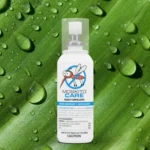 Moskinto Care offers another option with 20% picaridin, an alternative to DEET that provides long-lasting protection against mosquitoes, ticks, and other biting insects without an oily or greasy feel. They also offer great itch relief patches!
 Personal protection is only one part of mosquito management. You can also help reduce populations around your home by eliminating standing water wherever possible and using a mosquito larvicide in standing water that cannot be emptied. Larvicides target mosquitoes during their aquatic larval stage, before they develop into biting adults.
Uncle Mike’s Tip: Walk around the yard after rain and look for forgotten sources of standing water. Plant saucers, buckets, toys, tarps, and other small containers can all hold enough water for mosquitoes to reproduce.
How Can You Prevent Fungal Diseases During Humid August Weather?
Heat combined with high humidity can create ideal conditions for fungal diseases, especially on fruits and vegetables that have been growing all summer.
 Revitalize BioFungicide Concentrate is an organic-approved biofungicide containing Bacillus amyloliquefaciens. It helps control a range of blights, molds, rots, leaf spots, and mildews while supporting the plant’s own defenses by triggering the plant’s immune response.
It can be used on vegetables, fruits, flowers, shrubs, ornamentals, and even houseplants, either as a foliar spray or soil drench. It’s also labeled for use up to the day of harvest, making it especially useful when your vegetable garden is producing heavily in August.
As with most garden diseases, catching a problem early is much easier than trying to bring a severely affected plant back later.
Uncle Mike’s Tip: Check your vegetable garden regularly, including the undersides of leaves. Remove badly diseased plant material when appropriate and avoid overhead watering when possible. Directing water to the root zone helps keep foliage dry and reduces conditions that can encourage disease.
When Is the Best Time to Overseed Your Lawn?
You might not be thinking about grass seed while it’s still hot outside, but late August into September is one of the best windows for lawn renovation in New England.
As temperatures begin to moderate, cool-season grasses have favorable conditions for germination and establishment. That makes this a great time to overseed a thin lawn or repair bare patches left behind by summer heat, drought, traffic, or pest damage.
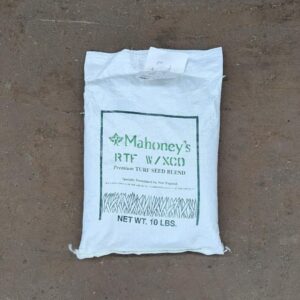 Mahoney’s RTF Grass Seed is designed for both new lawns and overseeding. RTF stands for rhizomatous tall fescue, a type of tall fescue capable of spreading through underground rhizomes to help fill damaged or thinning areas.
Its deep root system also provides good heat and drought tolerance once established. Our blend combines elite turf-type tall fescues with RTF and features Foliar-Pak XCD coating to support early rooting and establishment.
Before seeding, prepare bare or thin areas so the seed makes good contact with the soil. For best results, pair your seed with Rooted Goods Top Soil and an appropriate starter fertilizer to support root development and establishment.
Uncle Mike’s Tip: Don’t just throw grass seed over compacted soil and hope for the best. Good seed-to-soil contact and consistent moisture during germination make a huge difference.