
by Amanda Rose Newton, PhD
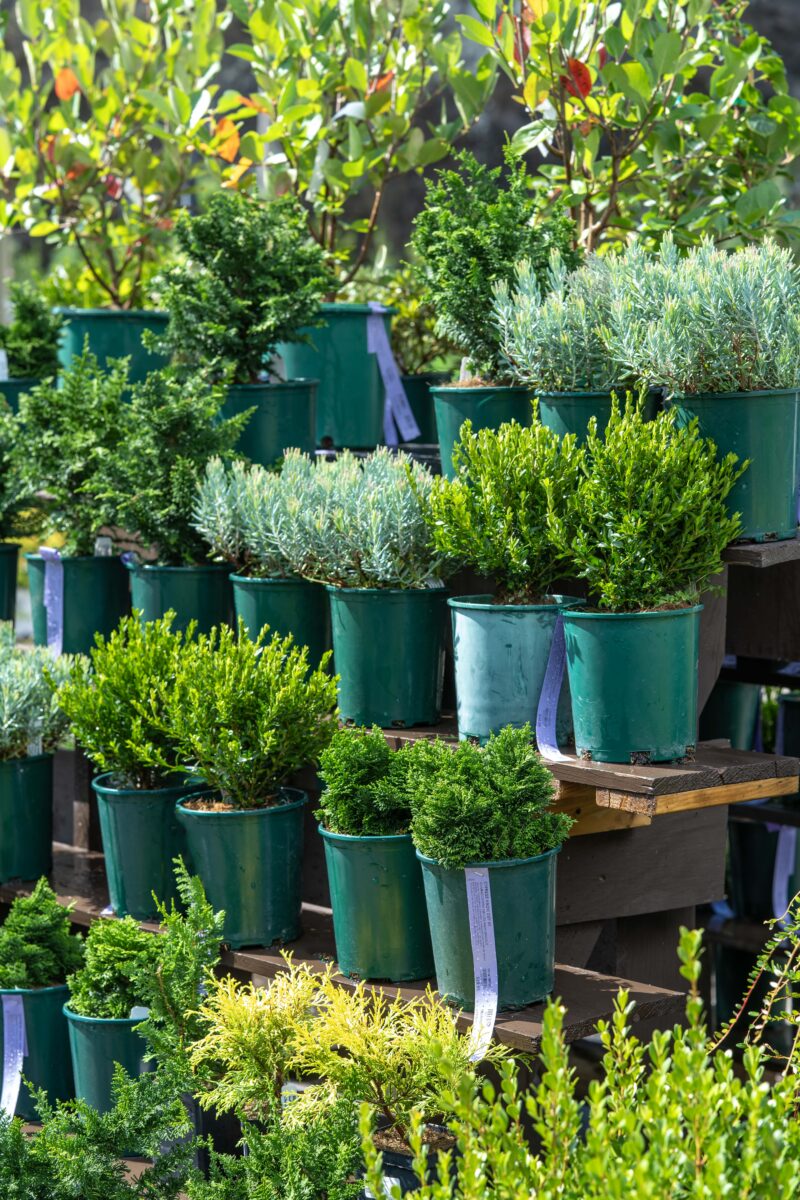
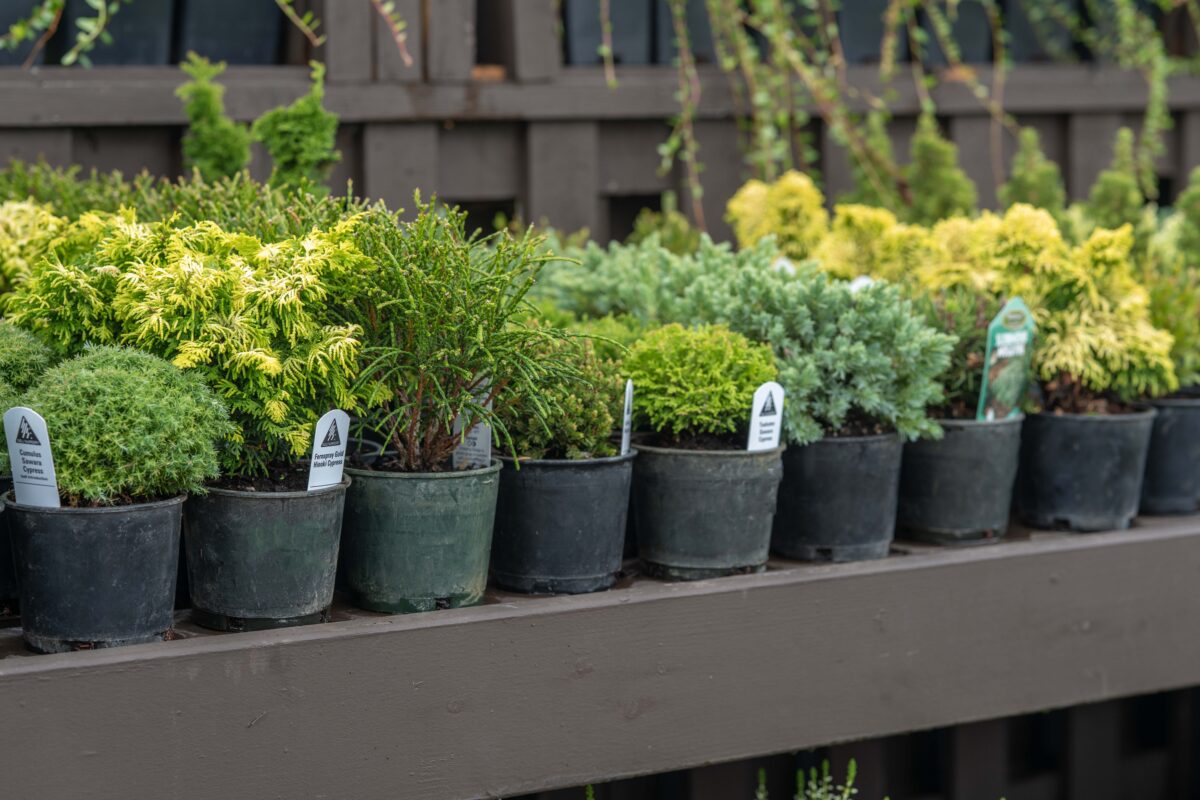
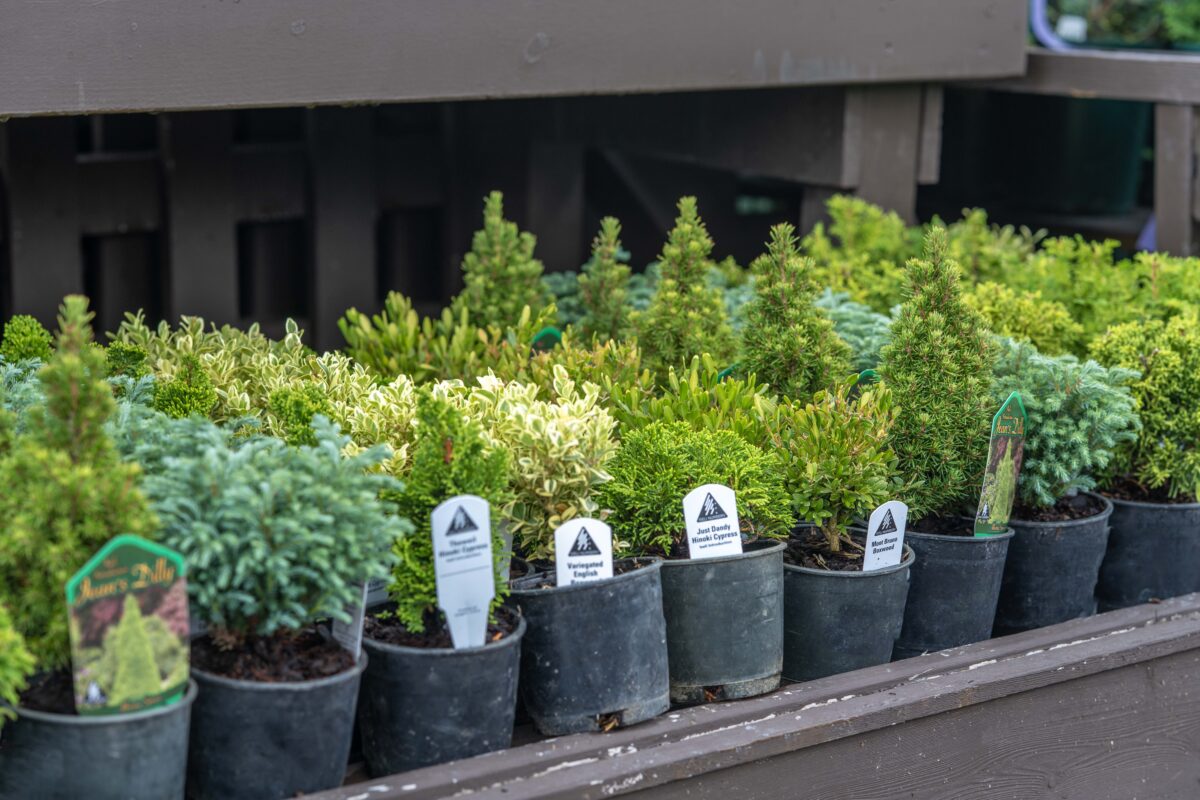
Holiday containers are a wonderful way to bring color and texture to your doorstep during the colder months. While traditional arrangements often feature cut evergreen branches, a container planted with living miniature evergreens offers something a little different. With proper care, many of these plants can continue growing long after the decorations have been put away.
In our step-by-step guide to creating your own holiday mini conifer container, we demonstrate how to combine miniature conifers and other evergreen plants into a festive arrangement. But what happens after the holidays? With a little planning and winter protection, many of these plants can survive in their containers and eventually find permanent homes in your garden.
Which Plants Make the Best Holiday Mini Conifer Arrangements?
Although we call these mini conifer containers, not every plant in the arrangement is technically a conifer. Combining needled conifers with broadleaf evergreens and low-growing plants creates a much more interesting display, with contrasting colors, textures, and growth habits.
The arrangement pictured features eight plants, each with its own characteristics:
‘Little Heath’ Andromeda (Pieris japonica ‘Little Heath’): This compact broadleaf evergreen features attractive variegated foliage, with green leaves edged in creamy white. Its slow growth and colorful leaves make it a wonderful contrast to darker conifers. In the garden, it prefers acidic, well-drained soil and some protection from intense afternoon sun.
American Cranberry (Vaccinium macrocarpon): A low-growing native evergreen best known for its edible red berries. Its trailing stems add a natural, woodland appearance to the arrangement. Cranberries prefer acidic soil and consistent moisture, making them somewhat different from the conifers in their growing requirements.
‘Boulevard’ Cypress (Chamaecyparis pisifera ‘Boulevard’): This selection of Sawara cypress is prized for its soft, feathery, blue-silver foliage. It adds a cool-toned contrast to the greens and golds of other evergreens. Although compact when young, it can eventually become a substantial shrub or small tree.
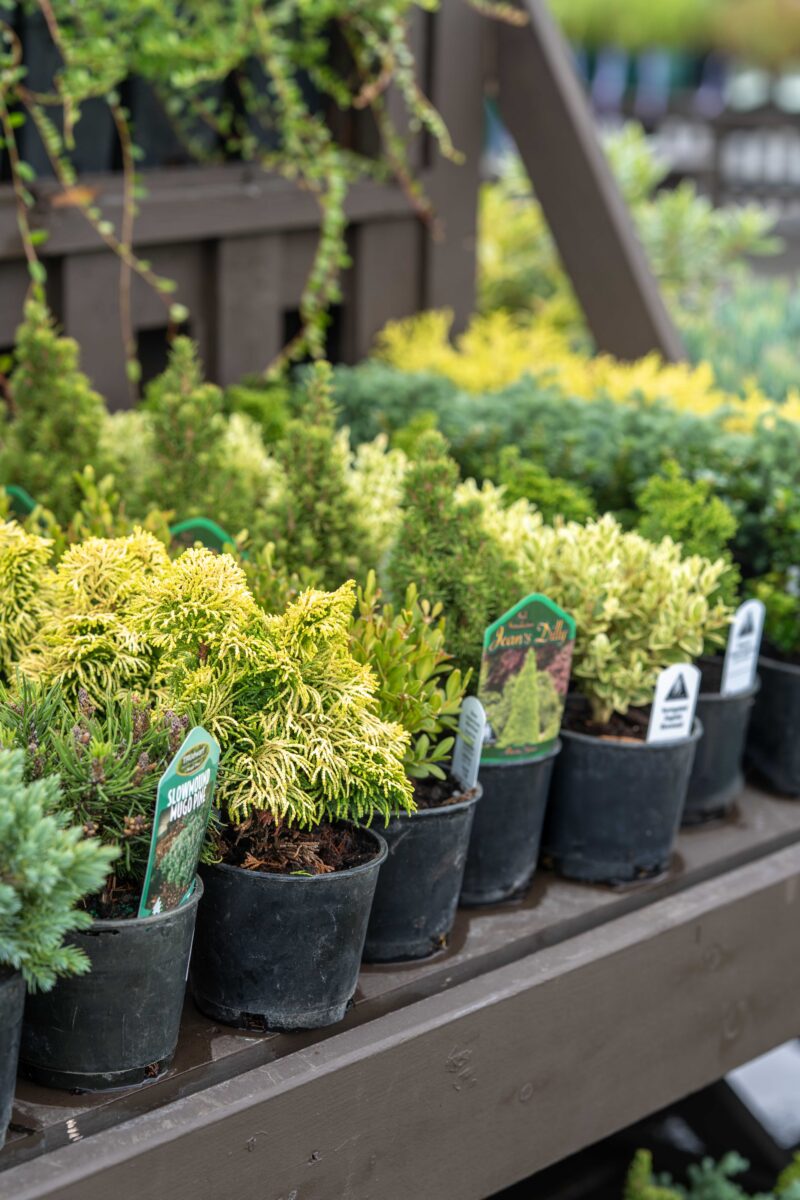
‘Bright Gold’ Cypress (Chamaecyparis pisifera ‘Bright Gold’): With bright golden foliage, this cypress adds warmth and color to a winter arrangement. Its fine texture contrasts beautifully with broader evergreen leaves, and its golden tones are particularly attractive during the holiday season.
Fernspray Hinoki Cypress (Chamaecyparis obtusa ‘Filicoides’): This unusual conifer has flattened sprays of foliage that resemble delicate fern fronds. Its distinctive branching pattern adds architectural interest to the arrangement. Given time and space, it can develop into a much larger landscape specimen.
- ‘Jean’s Dilly’ Dwarf Alberta Spruce (Picea glauca ‘Jean’s Dilly’): This slow-growing spruce has a naturally compact, conical form that resembles a miniature Christmas tree. Its dense green needles make it an ideal centerpiece for holiday containers, and it can later become a charming accent in the landscape.
Compact Drooping Leucothoe (Leucothoe ‘Compacta’): This broadleaf evergreen adds graceful, arching stems and glossy foliage. Its leaves may develop attractive bronze or reddish tones during colder weather. Leucothoe prefers acidic soil and a sheltered location with partial shade.
Wintergreen (Gaultheria procumbens): A low-growing native evergreen with glossy leaves and bright red berries. Wintergreen adds seasonal color near the edge of the container and prefers acidic, moist but well-drained soil.
Together, these plants create a beautiful combination of colors and textures. However, they won’t necessarily remain miniature forever. Many are simply young plants or slow-growing selections that will eventually need more room.
How Do You Care for Your Mini Conifer Container Through Winter?
Living evergreen containers can survive outdoors through winter, but they need more protection than the same plants would receive growing in the ground.
The biggest concern isn’t always the foliage. It’s the roots.
When trees and shrubs grow in the landscape, the surrounding soil helps insulate their roots from extreme temperatures. In a container, the root system is exposed to cold air from every direction, making it much more vulnerable to freezing and thawing.
A few simple precautions can improve your plants’ chances of surviving until spring:
Choose a protected location. Place the container near a sheltered entrance or another location protected from strong winter winds. Avoid exposed areas where winter sun and wind can dry out evergreen foliage.
Protect the roots. Insulate the container with straw, leaves, or other protective materials. For particularly cold locations, grouping pots together or placing them in a sheltered, unheated structure may offer additional protection.
Monitor moisture. Evergreens continue to lose some water through their foliage during winter, even when growth has slowed. Check the soil during thawed periods and water when needed, allowing excess moisture to drain.
Avoid waterlogged soil. Good drainage is essential, particularly during periods of freezing and thawing. Never leave the container sitting in a saucer of water.
Skip winter fertilizing. These plants don’t need encouragement to produce new growth during the coldest months. Wait until spring to consider fertilizing.
It’s also important to remember that not all decorative containers can withstand freezing temperatures. Terracotta and certain ceramic pots may crack as moisture freezes and expands. Using a frost-resistant container with drainage holes, or placing the plants in a removable nursery pot inside a decorative container, can help prevent damage.
Can You Plant Your Holiday Conifers in the Garden Come Spring?
Absolutely! With suitable plants and successful winter care, your holiday arrangement can become a collection of permanent landscape plants.
In fact, that’s one of the most appealing aspects of using living evergreens for seasonal decorating. Rather than discarding the arrangement after the holidays, you may be able to enjoy the same plants in your garden for years to come.
Once the ground has thawed and the soil is workable in spring, you can begin separating the plants and finding permanent locations for them.
Check the mature size. A miniature cypress or spruce may eventually grow several feet tall or more. Be sure to give each plant enough room for its mature height and spread.
Match plants to their preferred conditions. While many of these selections enjoy acidic, well-drained soil, their sunlight and moisture requirements differ. Cranberry and wintergreen, for example, generally prefer more consistent moisture than many conifers.
Separate the roots carefully. Gently remove the plants from the container and separate their root balls, minimizing damage to fine roots. If roots have become tightly intertwined, work slowly rather than pulling the plants apart.
Plant at the proper depth. Position each plant so the top of its root ball is level with the surrounding soil, taking care not to bury the crown or trunk.
Water during establishment. Even cold-hardy plants need regular watering while developing roots in their new locations.
Winter can be surprisingly drying for evergreens. Even when temperatures are cold, conifers continue to lose moisture through their foliage, particularly when exposed to wind and winter sunshine. An antidesiccant spray, such as WiltStop, can help reduce this moisture loss by forming a thin, protective coating on the foliage. This can be especially helpful for miniature conifers spending the winter outdoors in containers, where roots are more exposed to freezing temperatures.
One important exception: avoid applying antidesiccants to conifers with blue or silvery foliage. These plants often owe their distinctive coloring to a natural waxy coating, and products like WiltStop can alter their appearance, making the foliage look greener.
It is also worth checking the hardiness of each selection before planting. Not every miniature evergreen sold for seasonal arrangements is equally well suited to every Massachusetts garden, and conditions can vary considerably between coastal and inland locations.
If a plant has suffered some winter browning, don’t assume it’s dead immediately. Wait until spring growth begins before removing damaged branches. Some plants may recover from limited winter injury.
Can You Keep Mini Conifers in Containers Year-Round?
You don’t necessarily need to plant everything in the ground. Many dwarf and slow-growing conifers make excellent long-term container plants.
The key is providing enough room for their roots and protecting them from extreme winter temperatures. As plants grow, they may need to be moved into larger containers with fresh potting mix.
You can also rearrange the plants into individual pots or smaller groupings after the holidays.
This allows you to accommodate their different growing requirements while continuing to enjoy them on a patio, porch, or balcony. Just remember that container-grown evergreens will generally need more winter protection than those established in the ground.
Why Choose Living Evergreens for Holiday Decorating?
There’s something especially satisfying about creating a holiday arrangement that continues growing after the season ends.
Miniature conifers offer the familiar colors and textures of traditional holiday greenery, while broadleaf evergreens, berries, and contrasting foliage add interest. The result is a festive display that feels natural and welcoming.
And with a little planning, the plants can become part of your garden rather than a temporary decoration.
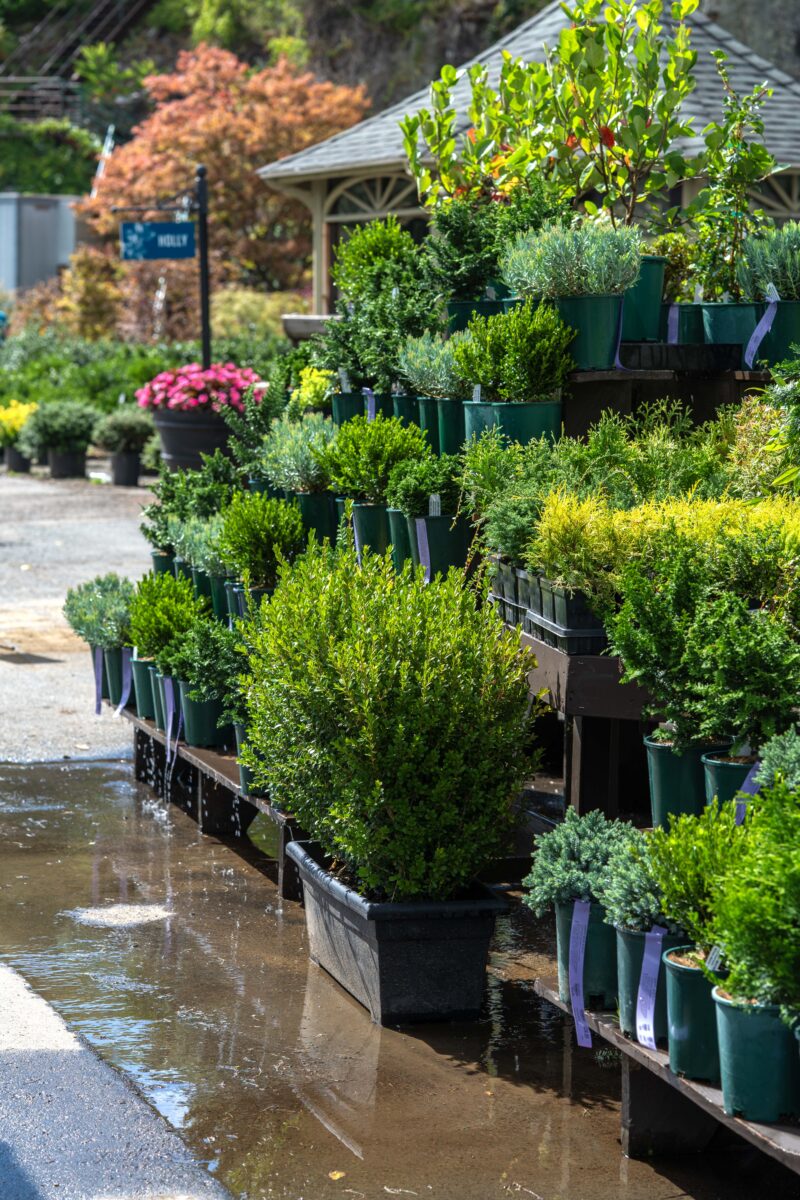
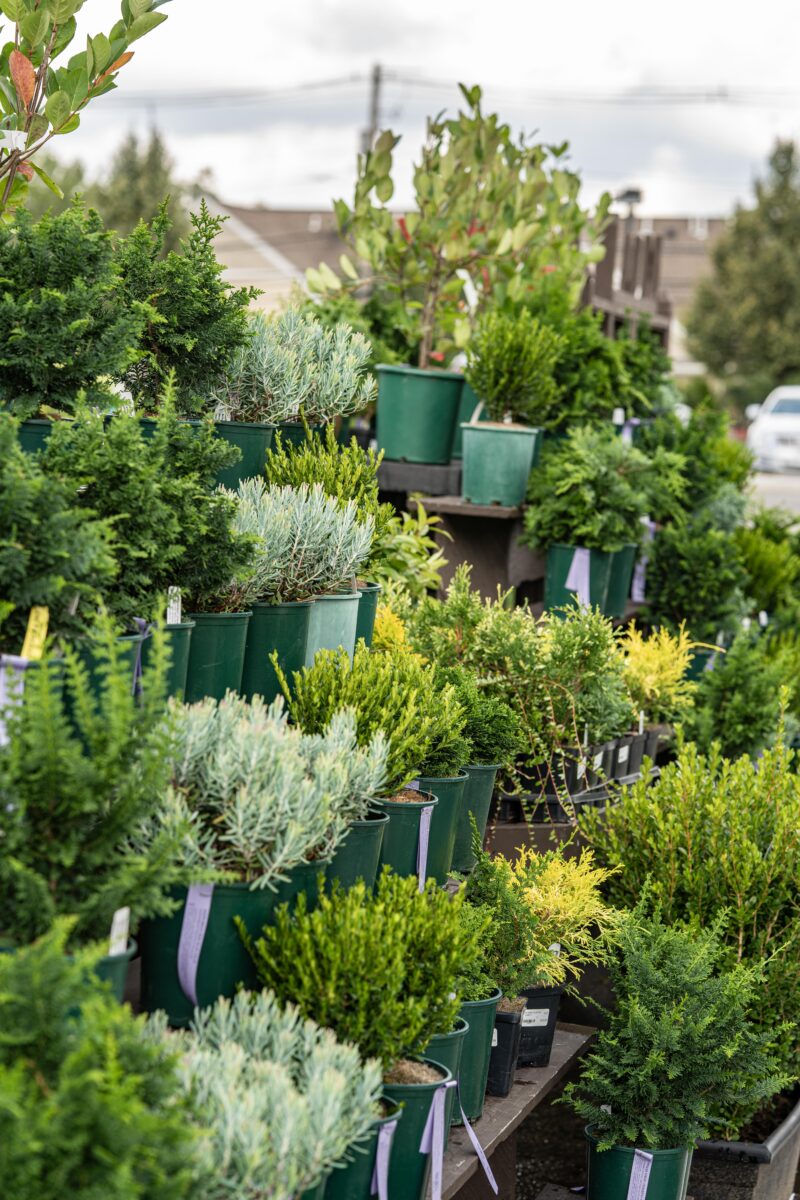
Visit Mahoney’s Garden Centers to explore our selection of miniature evergreens, decorative containers, and seasonal accents. Our team can help you choose plants that look beautiful together during the holidays and have the best chance of thriving in your garden afterward.
Frequently Asked Questions About Holiday Mini Conifer Containers
Can miniature conifers survive winter outdoors in pots?
Yes, many cold-hardy conifers can survive winter in containers, but their roots need additional protection. Insulating pots and placing them in sheltered locations can help reduce damage from freezing temperatures and drying winds.
Do miniature conifers stay small forever?
Not necessarily. Some are naturally dwarf or slow-growing selections, while others are simply young plants. Always check the mature height and spread before choosing a permanent planting location.
Should I bring my holiday conifer container indoors during freezing weather?
Generally, hardy conifers are better kept outdoors or in a cool, protected environment. Warm indoor temperatures can disrupt their winter dormancy. During extreme cold, an unheated garage or similarly sheltered location may help protect the roots.
When can I plant my miniature conifers in the garden?
Spring is an excellent time to transplant them, once the ground has thawed and the soil is workable. Be sure to select planting locations appropriate for each species’ mature size, sunlight needs, and soil preferences.
Why are the needles on my mini conifer turning brown?
Browning can result from winter desiccation, root damage, inadequate watering, or other environmental stresses. Check soil moisture and wait for spring growth before deciding whether damaged branches should be removed.
Amanda Rose Newton, Ph.D., is a horticulturist, entomologist, educator, and garden writer with a passion for helping people better understand the plants and insects in their own backyards. She is a Board Certified Entomologist and FNGLA Certified Horticulturist with extensive experience in horticulture education, plant and pest diagnostics, integrated pest management, and sustainable gardening.
Amanda Rose has taught horticulture, entomology, and biology at the college level and has worked with gardeners, growers, and agricultural professionals in the United States and internationally. She is also the author of several books on biology, insects, and the connections between people and the natural world. Her writing combines science with practical, approachable advice to help gardeners understand not just what to do in the garden, but why it works.