
Categories

Cyclamen: What, Why, Wow!

by Amanda Rose Newton, Ph.D.

When the days grow shorter and temperatures begin to drop, cyclamen bring a welcome burst of color to the season. With their butterfly-like flowers, beautifully patterned foliage, and preference for cooler conditions, these charming plants have long been favorites for brightening homes during fall and winter.

But cyclamen are getting a makeover! Plant breeders have introduced some remarkable new varieties with unusual flower shapes, unexpected colors, and even fragrance. From blue-violet blooms to flowers that look almost nothing like traditional cyclamen, there’s a whole new generation worth discovering.

What Makes Cyclamen So Special?

Most cyclamen sold as flowering houseplants are varieties of Cyclamen persicum, a species native to the Mediterranean region. Unlike many familiar houseplants, cyclamen are adapted to a seasonal cycle of cool, moist winters and warm, dry summers.

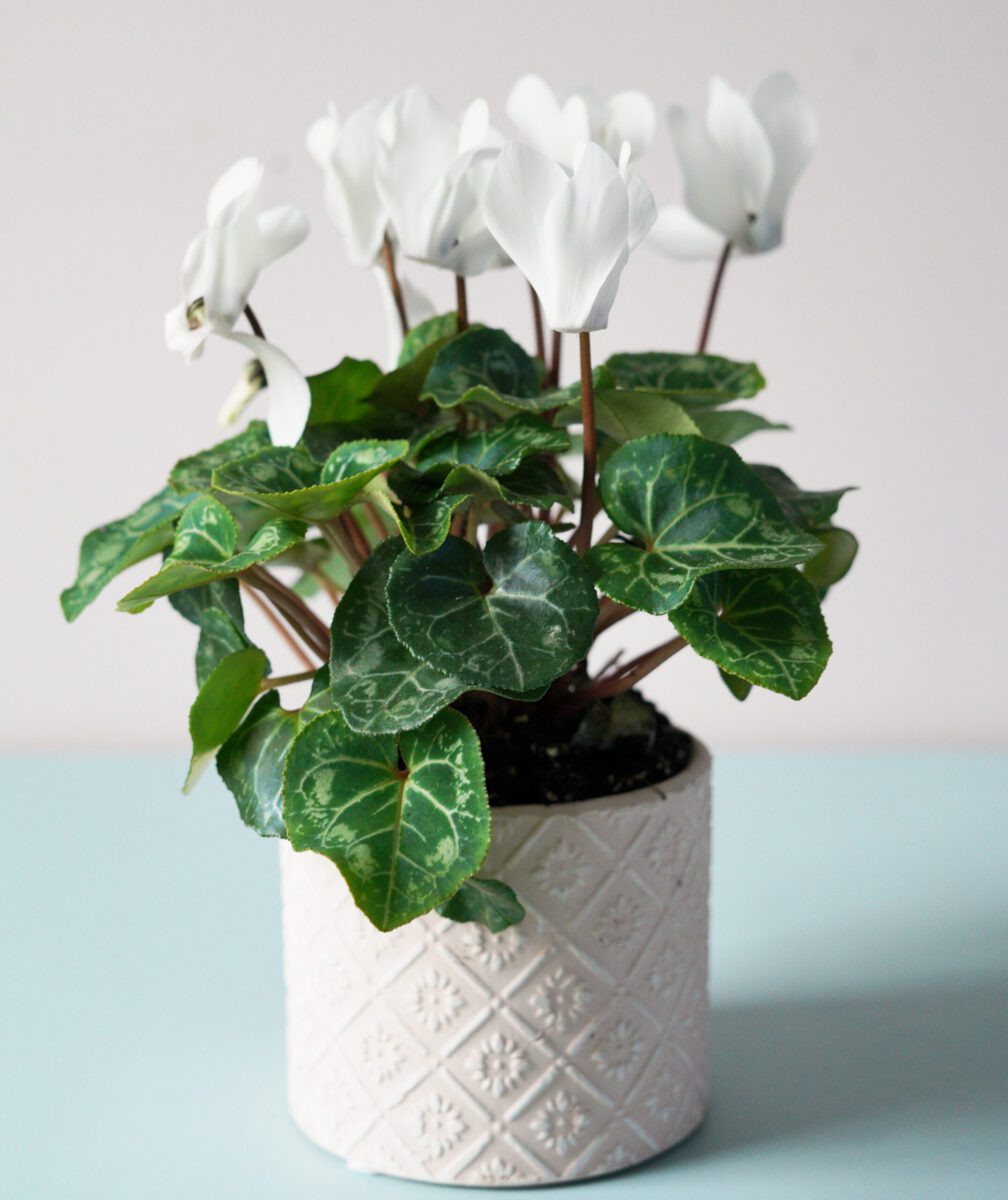
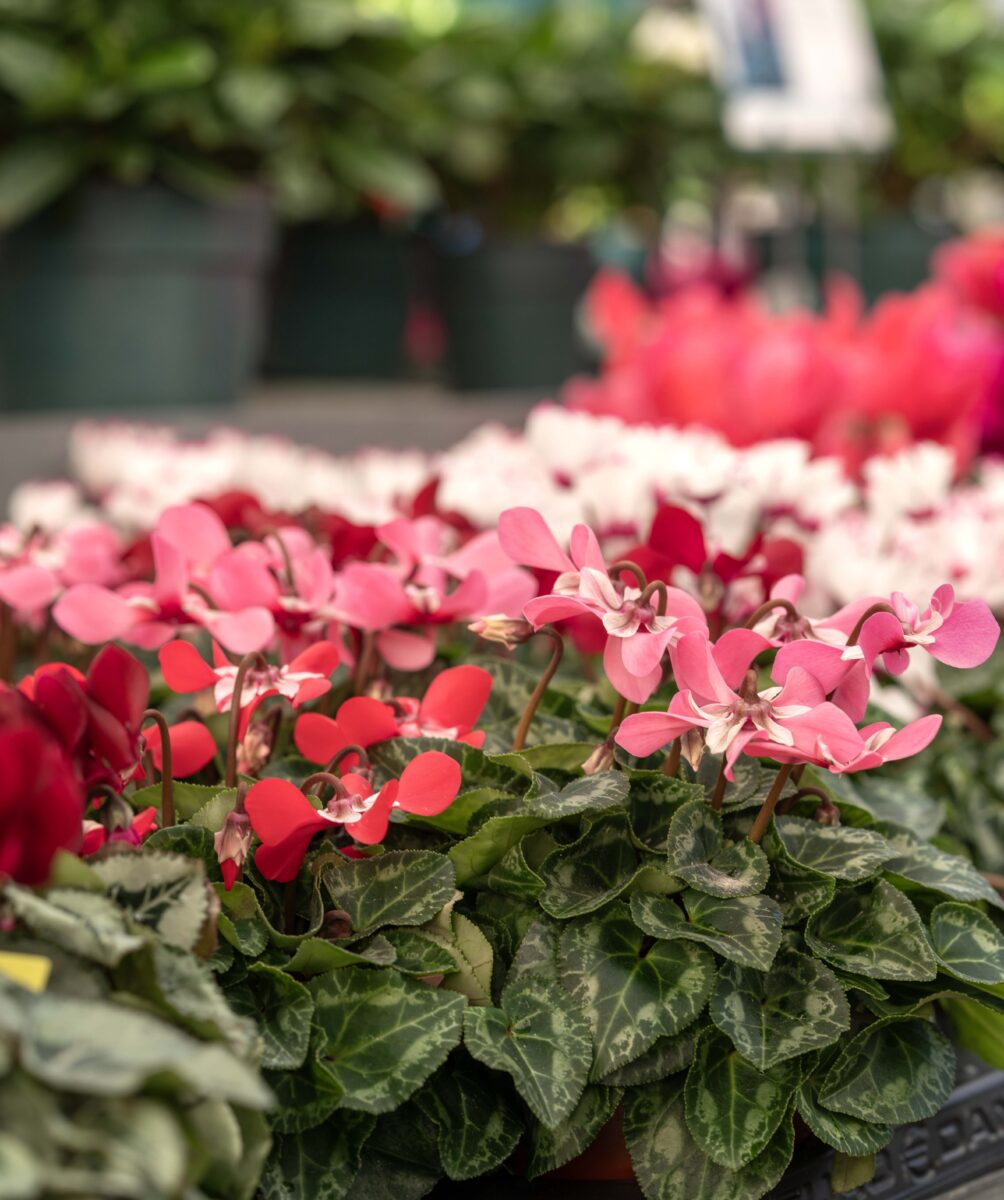
Their flowers are particularly distinctive. Traditional cyclamen have five petals that sweep backward, creating a shape often compared to butterflies in flight. The blooms rise above a compact mound of heart-shaped leaves, frequently decorated with intricate silver or pale green patterns.

Cyclamen also grow from a tuber, a specialized underground stem that stores energy and allows the plant to survive periods of dormancy. This adaptation helps explain their unusual growing cycle and why they thrive when many other flowering plants are slowing down.

Why Do Cyclamen Thrive in Cooler Weather?

Cyclamen are at their best when temperatures are cool, making them wonderful seasonal plants for New England homes.

While many flowering houseplants prefer warmth, cyclamen perform best at temperatures around 50–65°F. Cooler conditions help extend the life of their flowers, which can provide color for weeks or even months.

Their compact size makes them especially versatile. A cyclamen can brighten a windowsill, decorate a holiday table, or add seasonal color to a protected porch during mild weather.

Although some varieties have been bred for improved outdoor performance, florist’s cyclamen are not reliably hardy through Massachusetts winters. They are best enjoyed indoors or in containers that can be brought inside before freezing temperatures arrive.

special 4 cyclamen

What's New in the World of Cyclamen?

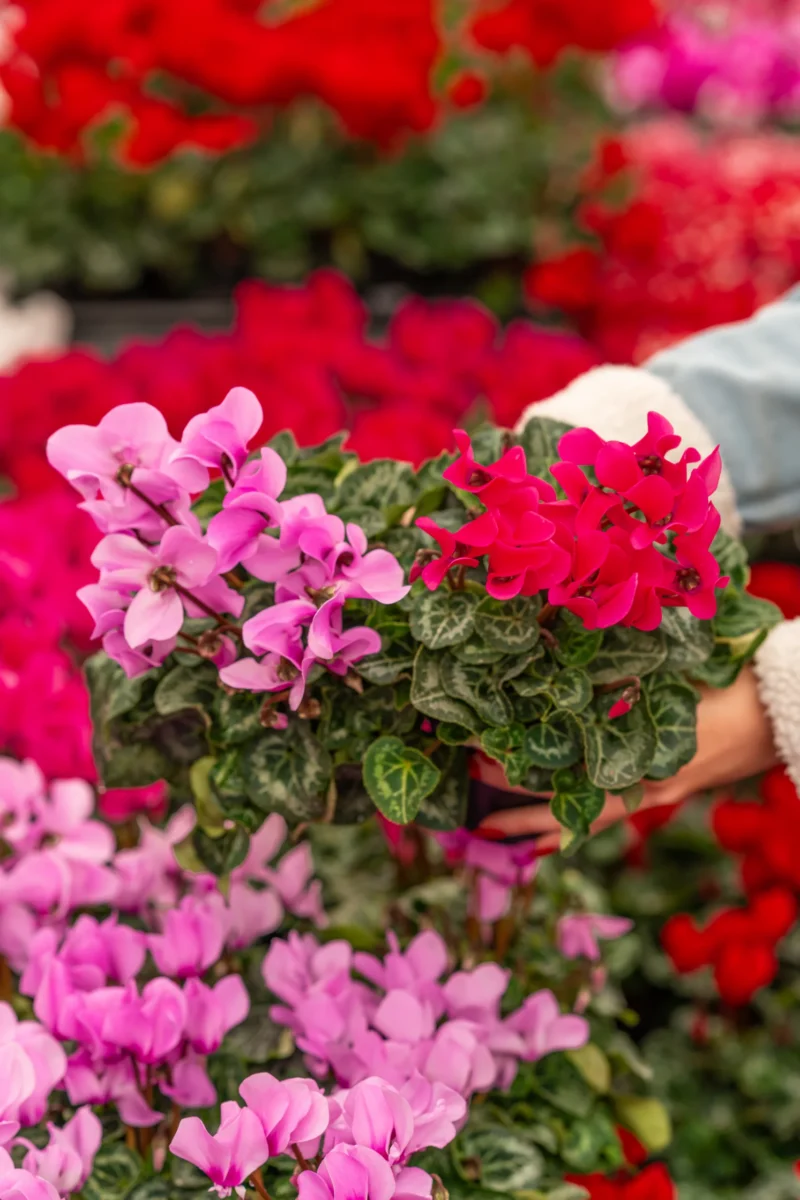
If you remember cyclamen primarily as red, pink, or white flowering plants, today’s varieties might surprise you. Modern plant breeding has introduced unusual colors, new flower shapes, and even fragrance, transforming the appearance of these familiar winter favorites.

Here are five exciting varieties that show just how much cyclamen have changed:

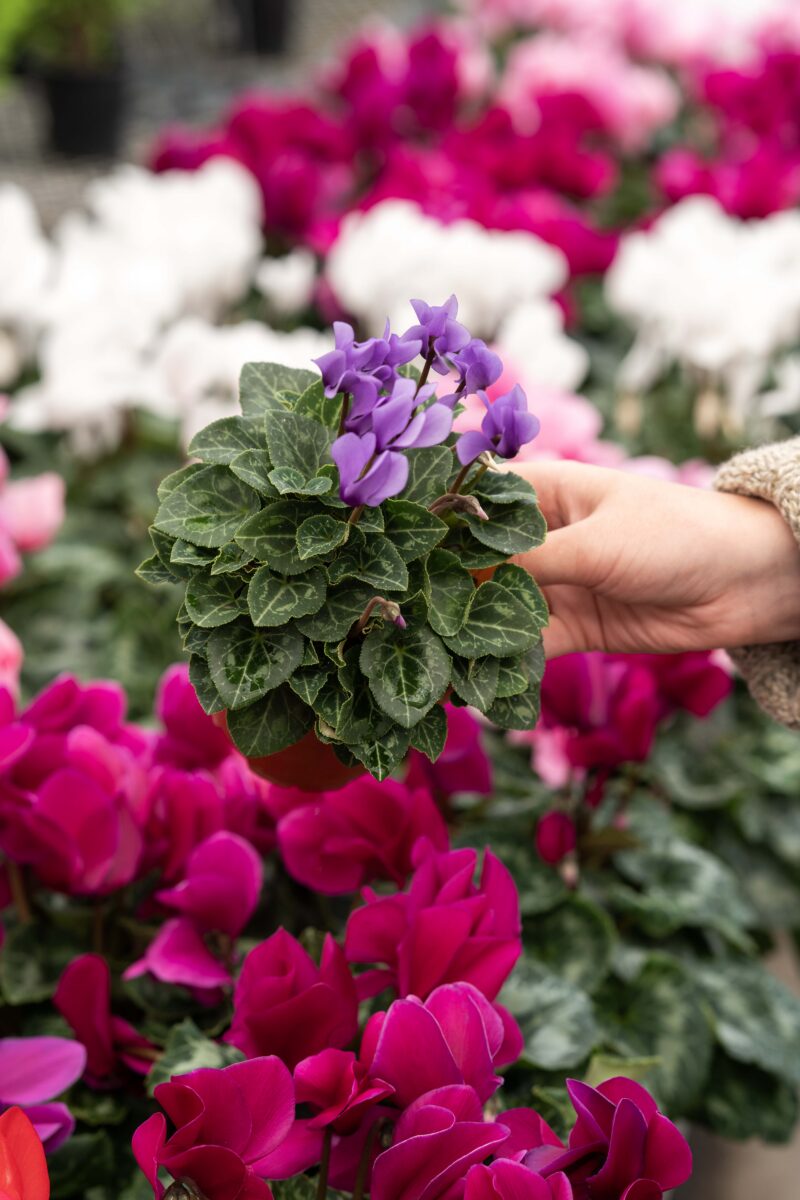
Blue Dragon: Blue flowers are relatively uncommon in the plant world, making Blue Dragon an exciting development in cyclamen breeding. Part of Schoneveld Breeding’s Dragon series, it produces striking blue-violet flowers that stand apart from the traditional pinks and reds. While not quite a true sky blue, the color is a remarkable achievement.

Indiaka: Known for its dramatic two-toned flowers, Indiaka features bold colors contrasted with bright white portions of the petals. Depending on the selection, flowers may combine white with shades of pink, purple, red, or salmon. The result is an almost painted appearance that makes these cyclamen especially eye-catching.


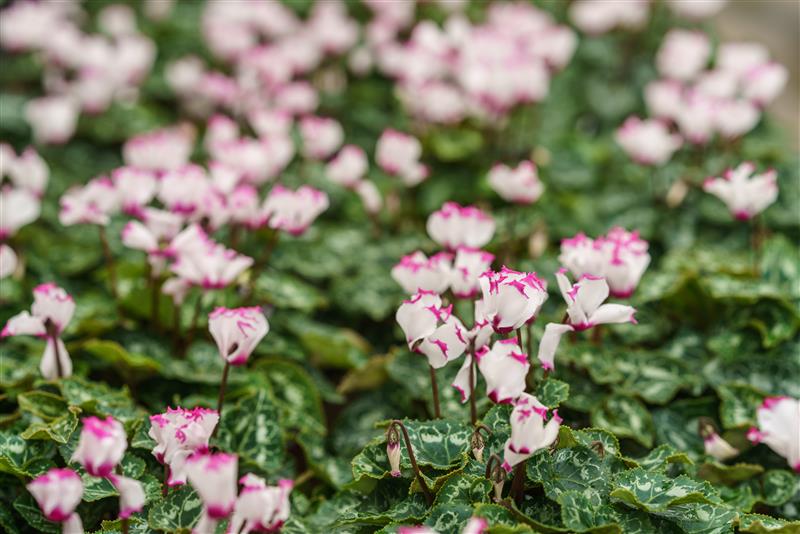
Absolu de Morel: Most modern florist’s cyclamen have little noticeable fragrance, but Absolu brings scent back into the picture. Developed by French breeder Morel, this variety combines fragrant flowers with the distinctive Victoria flower form, featuring elegant white petals, contrasting magenta markings, and decorative edges.

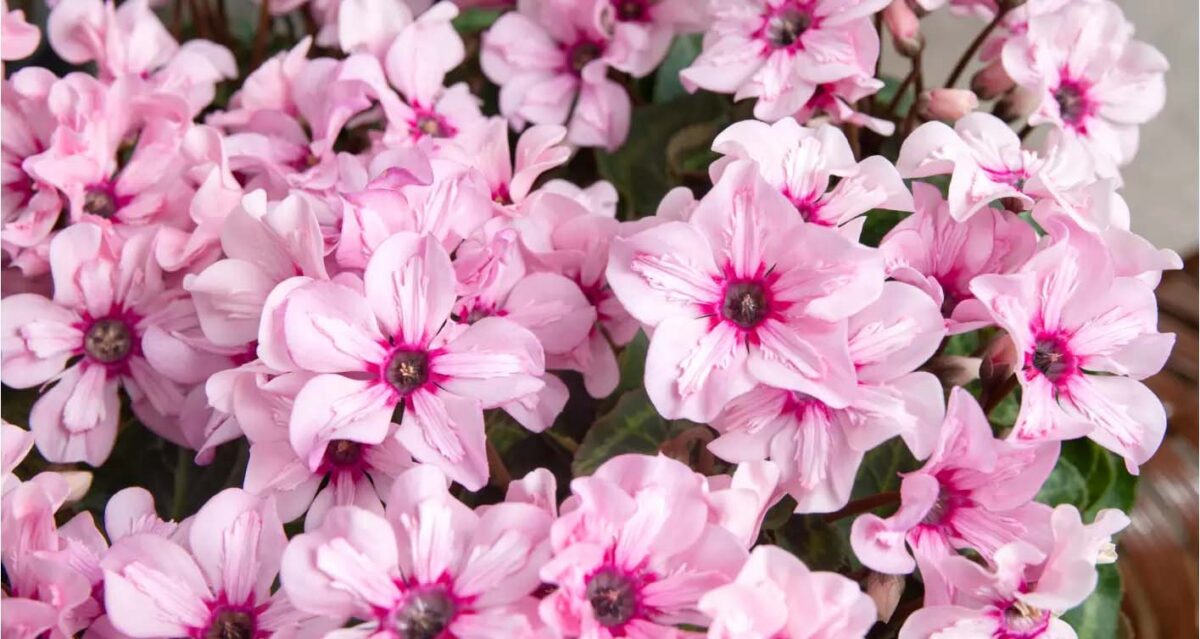
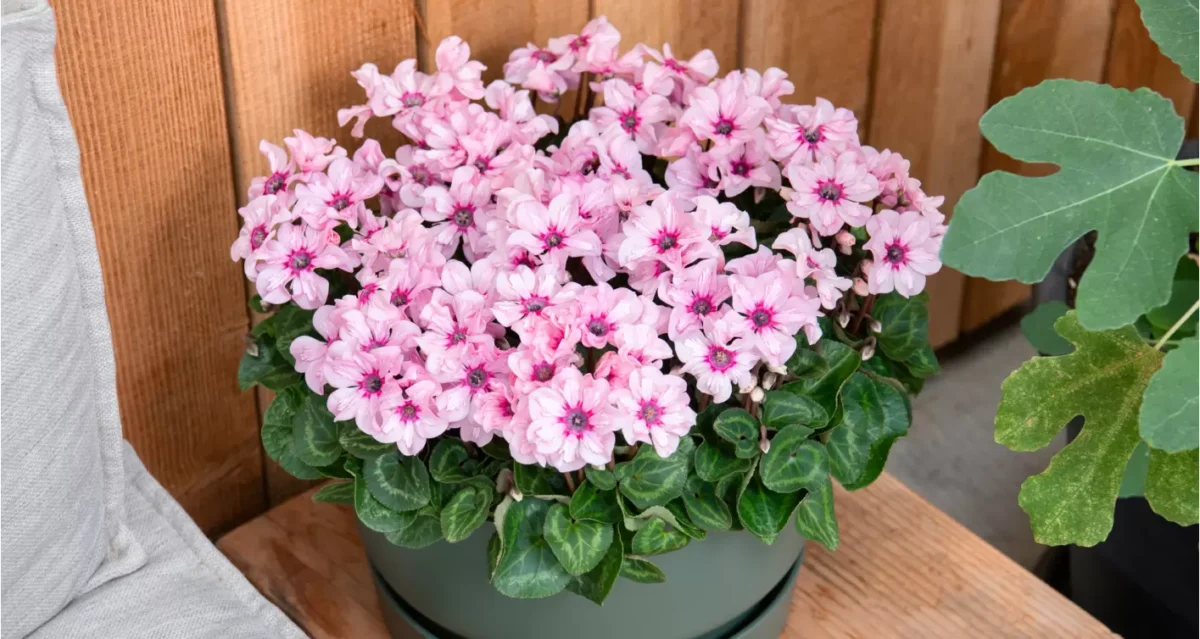
Illusia: Perhaps one of the most unusual cyclamen introductions, Illusia turns the traditional flower form on its head. Instead of petals sweeping backward, its flowers face upward, with open centers and delicate fringed details. Developed by Schoneveld Breeding, Illusia received a Best Flowering Houseplant award at the 2024 UK National Plant Show.


Petit Moulin: This variety stands out for its unusual double flowers and exceptional longevity. Rather than the traditional five-petaled appearance, Petit Moulin produces fuller, ruffled blooms. Breeder Morel reports that individual flowers can last more than 100 days under favorable growing conditions, making this compact variety especially appealing for long-lasting seasonal displays.

These varieties demonstrate how plant breeding can introduce entirely new characteristics into familiar plants. Whether it’s an unexpected color, a different flower structure, or the return of fragrance, there’s much more to cyclamen than the traditional holiday varieties.

How Do You Care for These Unusual Cyclamen?

Despite their extraordinary flowers, these novelty cyclamen have much the same basic needs as traditional florist’s cyclamen. They prefer cool temperatures, bright indirect light, and soil that stays lightly moist without becoming waterlogged.

One of the biggest challenges in New England homes is temperature. Cyclamen are happiest around 50–65°F, so a cool windowsill away from heating vents can help extend their flowering season.

Watering is equally important. Cyclamen grow from tubers, and excess moisture around the crown can encourage rot. Watering from below is often a good approach, provided the pot is allowed to drain afterward.

Why Give Cyclamen a Try This Season?

Cyclamen have always been appealing winter-flowering plants, but modern breeding has made them more diverse and exciting than ever.

Whether you’re drawn to Blue Dragon’s unusual color, Illusia’s surprising flower shape, Absolu’s fragrance, Indiaka’s bold patterns, or Petit Moulin’s long-lasting double blooms, there’s plenty to discover.

Visit your favorite Mahoney’s to explore our seasonal selection of cyclamen and find a variety that brings something special to your home this fall and winter.

Frequently Asked Questions About Novelty Cyclamen

Are novelty cyclamen harder to grow than traditional cyclamen?

Not necessarily! Although their flowers may look dramatically different, most novelty cyclamen have the same general growing requirements.

Are Blue Dragon cyclamen actually blue?

Blue Dragon produces flowers with unusual blue-violet coloration. Although the flowers aren’t a pure sky blue, their distinctive shade represents an exciting achievement in cyclamen breeding.

Do all cyclamen have a fragrance?

No. Although some cyclamen species are naturally fragrant, many florist’s cyclamen have little noticeable scent. Varieties such as Absolu de Morel have been specifically selected for their fragrance.

What makes Illusia different from traditional cyclamen?

Traditional cyclamen have petals that sweep backward, while Illusia produces unusual upward-facing flowers. This gives the plant an entirely different appearance, with blooms that seem to open toward the viewer.

Can novelty cyclamen be planted outdoors in Massachusetts?

Florist’s cyclamen, including these novelty varieties, are not reliably hardy through Massachusetts winters. They can be enjoyed outdoors during mild fall weather but should be brought inside before freezing temperatures arrive.