How Early Soil Prep Improves Compost and Organic Fertilizer Results

Why Should You Prep Your Soil Before Planting?

If you’re eager to get planting, it’s tempting to jump right in, but taking a little time to prep your soil first can make all the difference. Incorporating organic fertilizers and compost early in the season gives your soil a head start, helping it come alive before your plants even go in.


Think of it this way: healthy soil isn’t just “dirt”—it’s a living ecosystem.

soil

What Is the Soil Microbiome and Why Does It Matter?

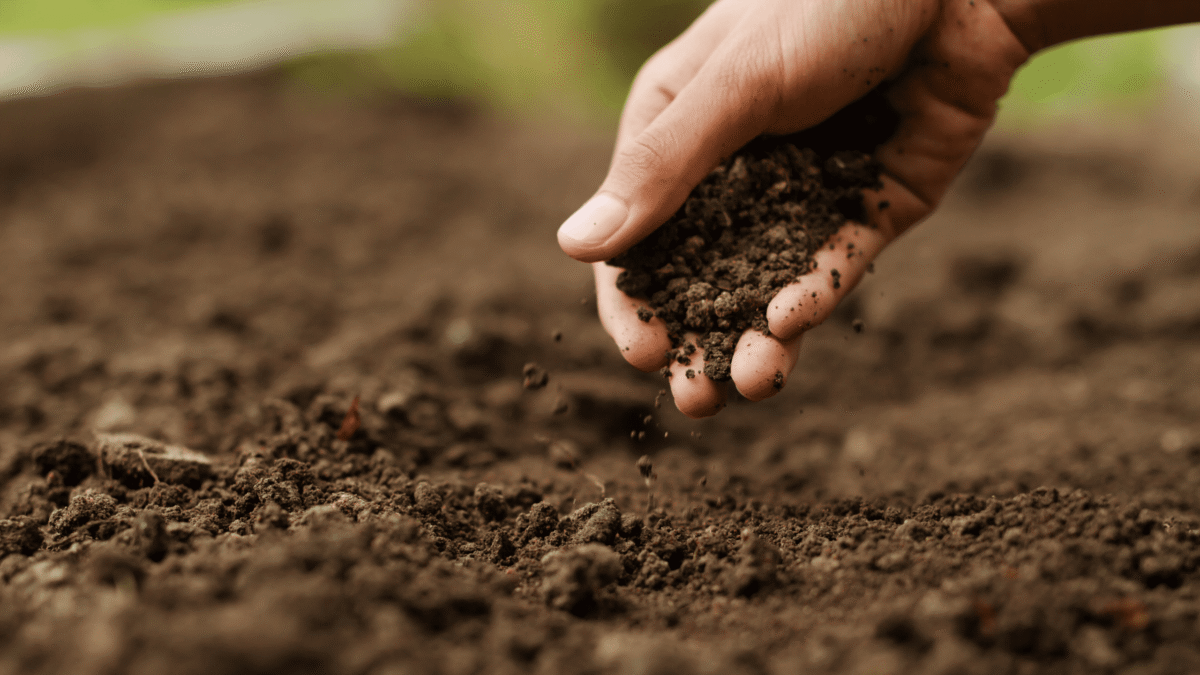
Beneath the surface, your soil is full of beneficial bacteria, fungi, earthworms, and other microorganisms. Together, they form what’s often called the soil microbiome.

These tiny helpers:

  • Break down organic matter into nutrients plants can use
  • Improve soil structure so roots grow more easily
  • Help retain moisture while still allowing proper drainage
  • Support plant health by suppressing certain diseases

But here’s the key: they need time to wake up and get to work.

Why Should You Add Organic Fertilizer Before Planting?

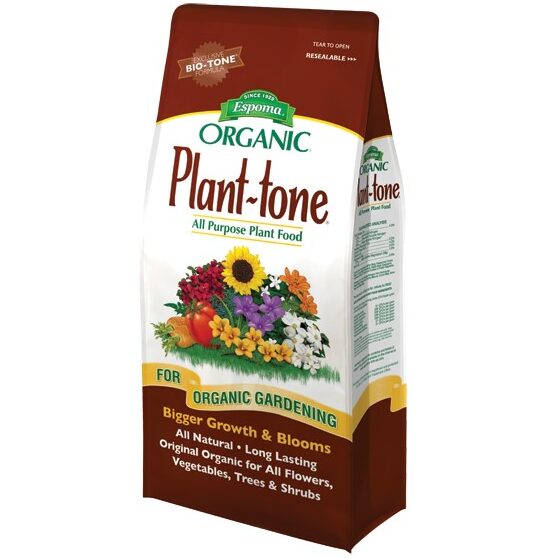
Plant-tone Fertilizer
Unlike synthetic fertilizers that deliver nutrients almost instantly, organic options like compost or Espoma favorites (Holly-tone, Plant-tone, Tomato-tone) work more slowly—and that’s a good thing. Organic fertilizers depend on soil microbes to:
  • Break them down
  • Convert nutrients into plant-available forms
  • Release those nutrients gradually over time
By working them into your soil early—before planting—you give this entire process a head start.   More resilient plants
Healthy soil biology supports stronger root systems and better stress tolerance throughout the season.
What Are the Benefits of Tilling in Compost Early?

Taking the time to till in compost and organic fertilizers early pays off in several key ways:

  • Stronger plant starts
    Plants grow in soil that is already nutrient-rich and biologically active.
  • Better nutrient availability
    Nutrients are available when roots need them, instead of becoming available later.
  • Improved soil texture
    Early incorporation helps loosen compacted soil and create a crumbly structure that supports healthy root growth.

How Do You Prepare Soil with Compost and Organic Fertilizer?

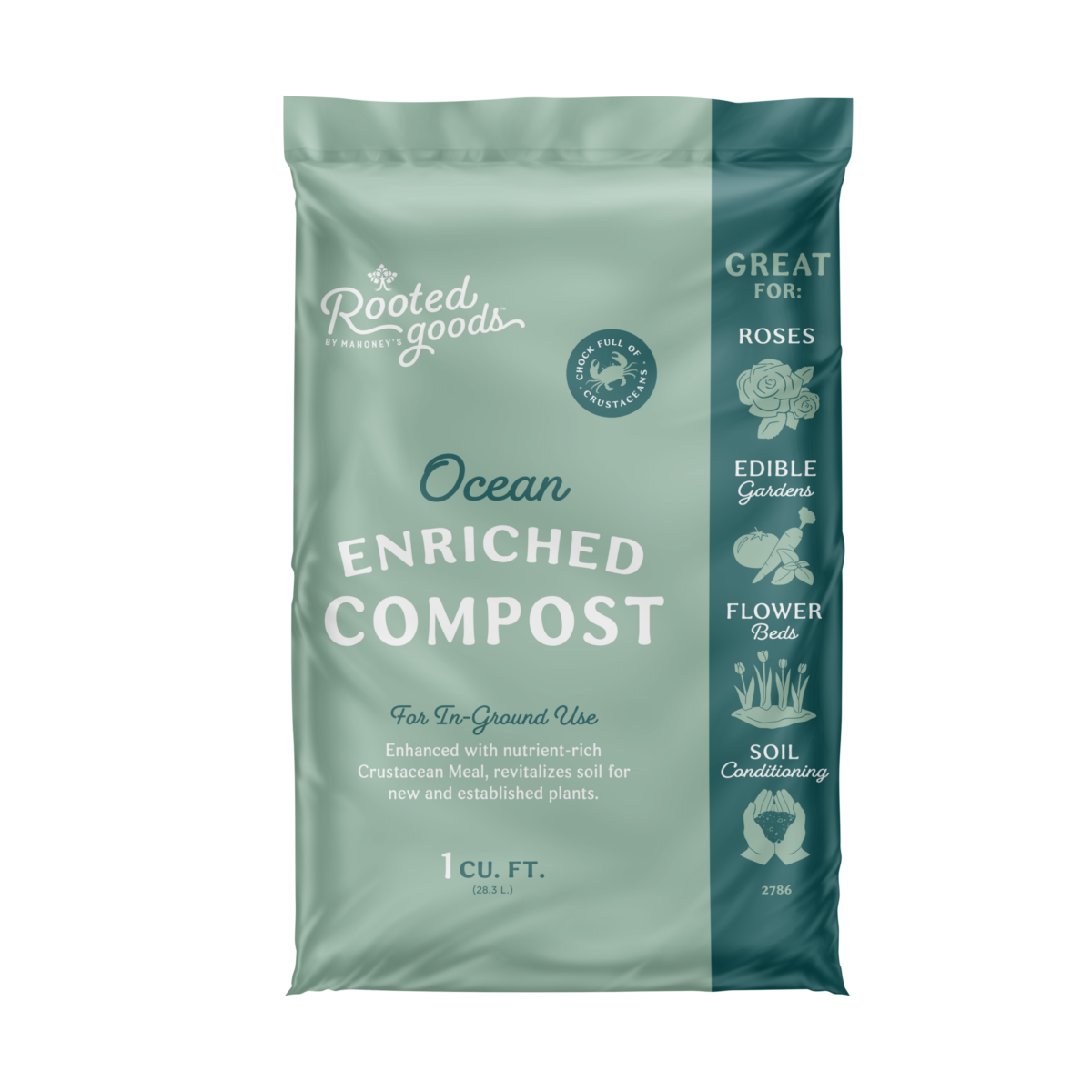
Ocean Enriched Compost

You don’t need anything complicated—just a little time and the right approach:

  • Start when soil is workable
    Avoid soil that is too wet (which can cause compaction) or frozen.
  • Add compost generously
    Work a few inches into the top 6–8 inches of soil for a solid baseline.
  • Incorporate organic fertilizer
    Mix in products like Holly-tone, Plant-tone, or Tomato-tone based on what you plan to grow.
  • Let it rest before planting
    Even one to two weeks allows microbes to begin breaking everything down.

Tackling a bigger project? We offer by-the-yard delivery of loam and compost—or grab convenient bagged options in-store for smaller jobs.

FAQ

Why is early soil preparation important before planting?

Early soil preparation gives compost and organic fertilizers time to break down and become plant-available. This helps create nutrient-rich, biologically active soil before plants are added, leading to stronger growth from the start.

How do organic fertilizers work differently from synthetic fertilizers?

Organic fertilizers release nutrients slowly because they rely on soil microbes to break them down. In contrast, synthetic fertilizers provide nutrients quickly but do not improve long-term soil health.

What is the soil microbiome and why does it matter?

The soil microbiome is made up of beneficial bacteria, fungi, and other organisms that help break down organic matter, improve soil structure, and support plant health. These microbes need time to activate, which is why early soil prep is important.

How early should I add compost and organic fertilizer to my soil?

It’s best to incorporate compost and organic fertilizer at least one to two weeks before planting. This gives soil microbes time to begin breaking down materials and releasing nutrients for your plants.

What are the benefits of adding compost early?

Adding compost early improves soil structure, increases nutrient availability, and supports stronger root development. It also helps create a more resilient soil environment that supports plant health throughout the growing season.