
Bonsai are one of the most rewarding plants you can grow. Their miniature size, sculptural beauty, and centuries-old tradition make them fascinating additions to any home or garden. But one of the biggest misconceptions about bonsai is that they all belong indoors.
In reality, whether a bonsai should live inside or outside depends entirely on the type of tree. Understanding the difference between tropical and hardy bonsai is one of the most important steps to keeping your tree healthy for years to come.
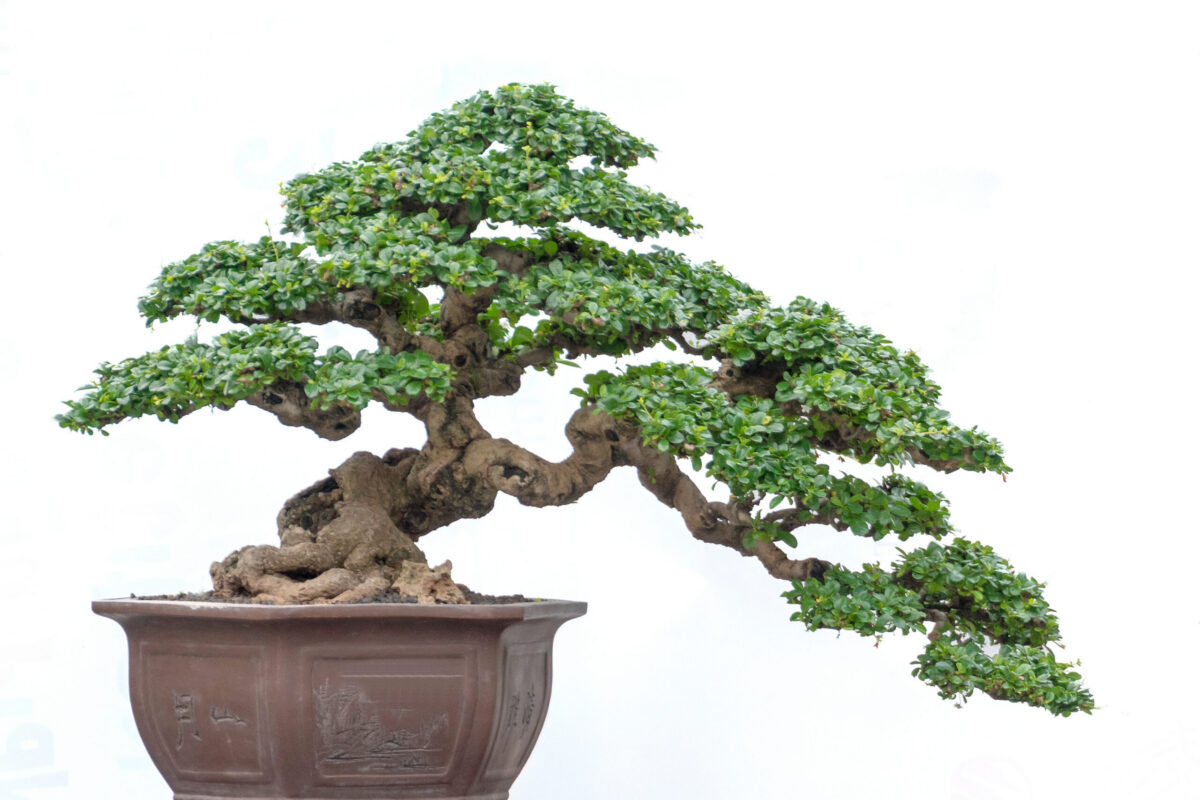
whats the difference between indoor and outdoor bonsai?
The biggest difference isn’t the pot or the way the tree is trained—it’s the species itself.
Indoor bonsai are typically tropical or subtropical plants that cannot tolerate freezing temperatures. They thrive in the warm, stable conditions found inside our homes.
Outdoor bonsai are hardy trees that naturally experience all four seasons. They actually need the changing temperatures, including a period of winter dormancy, in order to remain healthy.
Think of it this way: the bonsai isn’t a special type of plant. It’s simply a tree that has been carefully grown and trained in miniature form. Its care requirements are still based on the species of tree it is.
which bonsai trees can be grown indoors?
Indoor bonsai are excellent choices for bright windowsills, sunrooms, and other areas with plenty of natural light. While they enjoy warm temperatures year-round, they still appreciate good air circulation and consistent care.
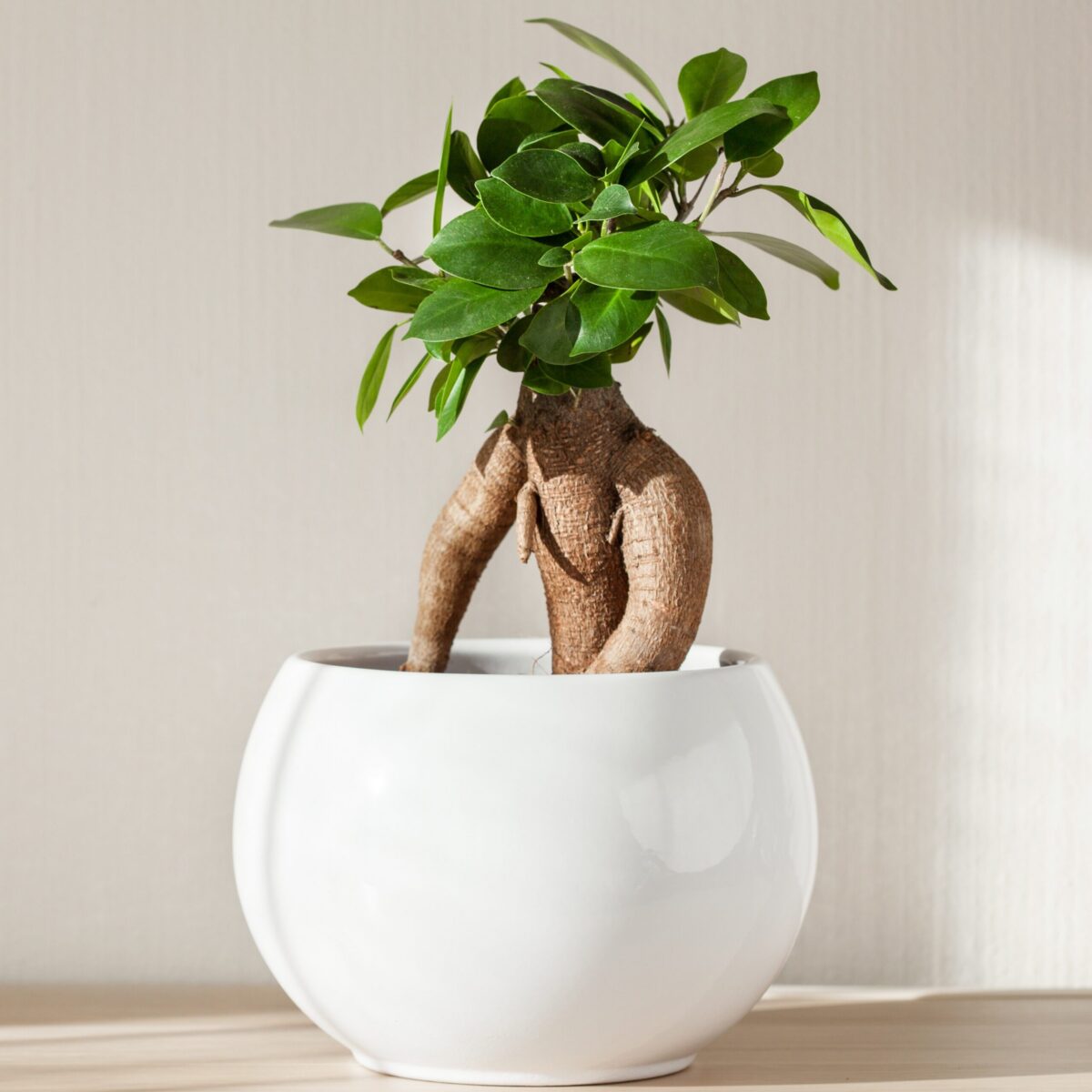
Some popular indoor bonsai include:
- Ficus
- Fukien Tea
- Hawaiian Umbrella Tree (Schefflera)
- Jade (Portulacaria afra or Crassula)
- Brush Cherry
- Carmona
Indoor bonsai typically prefer temperatures above 60°F and bright, indirect to direct sunlight depending on the species. Because indoor air can be quite dry—especially during winter—keeping up with proper watering is especially important.
which bonsai trees should be grown outdoors?
Outdoor bonsai are often the species people picture when they think of traditional bonsai. These trees change with the seasons, producing fresh spring growth, lush summer foliage, brilliant fall color, and resting through winter dormancy.
Popular outdoor bonsai include:
- Japanese Maple
- Juniper
- Pine
- Spruce
- Elm
- Larch
- Crabapple
- Azalea
These trees should remain outdoors for the vast majority of the year. Although many people are tempted to bring them inside during winter, doing so can actually weaken or even kill the tree over time by preventing its natural dormancy cycle.
During severe New England winters, outdoor bonsai may need some protection from harsh winds or extreme cold, but they should still remain in a cool outdoor environment rather than being moved into a heated home.
can an indoor bonsai live outside during the summer?
Yes! Most tropical bonsai benefit from spending the summer outdoors once nighttime temperatures consistently stay above about 55°F.
Fresh air, natural sunlight, and increased humidity often encourage stronger growth than indoor conditions alone. Just be sure to introduce the tree gradually to brighter light over the course of a week or two to avoid sunburn.
Before temperatures begin dropping in early fall, bring your tropical bonsai back indoors.
can an outdoor bonsai be kept indoors?
Hardy outdoor bonsai should not be kept indoors year-round, even during a New England winter. These trees need a cold winter dormancy period to stay healthy. Bringing them into a heated home can interrupt that natural cycle and cause the tree to weaken over time.
That said, outdoor bonsai do need extra winter protection in cold climates. Because they grow in shallow pots, their roots are much more exposed than the roots of a tree planted in the ground. The goal is not to keep the tree warm, but to protect the root system from extreme cold, harsh winds, and repeated freeze-thaw cycles.
In New England, many hardy bonsai can be overwintered in a protected, unheated space such as an unheated garage, shed, cold frame, or bulkhead. Another option is to heel the pot into the ground or surround it with mulch, leaves, or wood chips to help insulate the roots. The tree should stay cold and dormant, but not be left fully exposed in a shallow pot through the harshest winter weather.
A hardy bonsai can be displayed indoors for a day or two for a special occasion, but it should return to its outdoor or protected winter location afterward. If you want a bonsai that can live indoors through the winter, choose a tropical species instead.
how much light does a bonsai need?
Nearly all bonsai appreciate lots of light.
Indoor bonsai generally perform best in the brightest window available, ideally one with several hours of direct or very bright indirect sunlight each day. South- or west-facing windows are often the best choice.
Outdoor bonsai should be placed according to the needs of their species. While many enjoy full sun, others—such as Japanese maples—benefit from some afternoon shade during periods of intense summer heat.
If a bonsai isn’t receiving enough light, you may notice long, weak growth, larger-than-normal leaves, or fading foliage.
how often should you water a bonsai?

There isn’t a one-size-fits-all watering schedule for bonsai.
Because bonsai grow in relatively small containers, they often dry out faster than larger potted plants. Temperature, sunlight, humidity, wind, soil type, pot size, and tree species all affect how quickly the soil dries.
Rather than watering on a calendar, check the soil daily. When the surface begins to feel slightly dry, water thoroughly until water drains freely from the bottom of the pot.
Avoid letting the soil remain completely dry for extended periods, but also avoid keeping it constantly saturated.
when should you repot a bonsai?
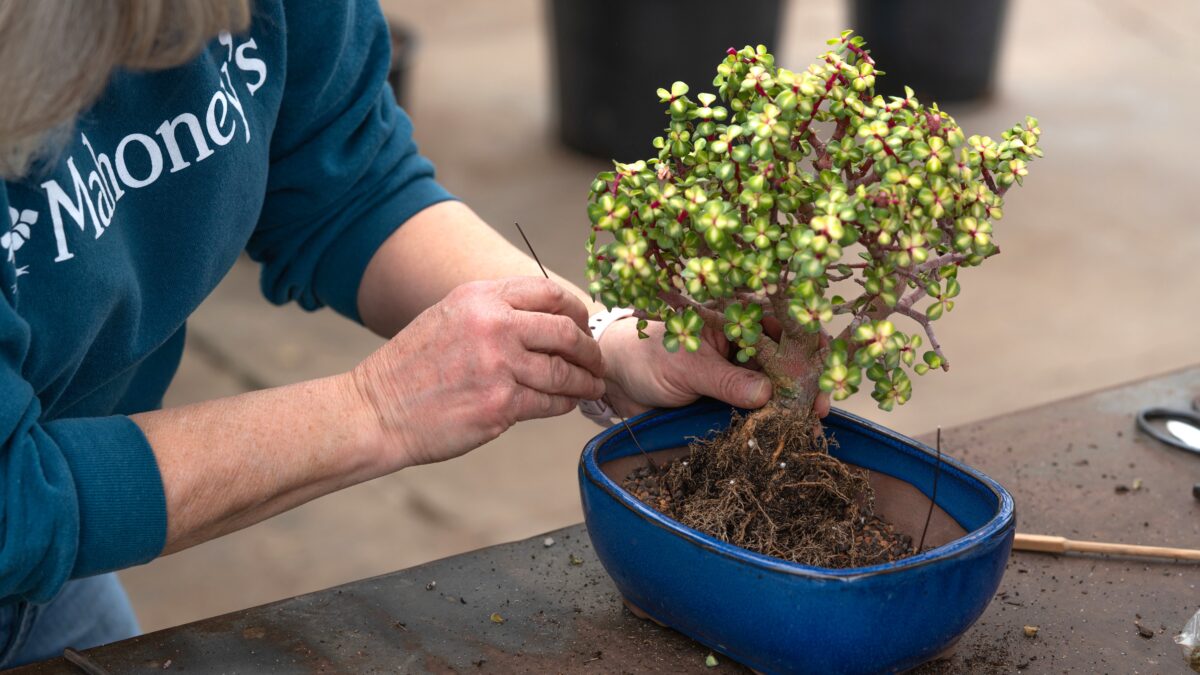
As bonsai mature, their roots eventually fill the pot, making repotting an important part of long-term care. Repotting helps refresh the soil, encourages healthy root growth, and provides space for continued development.
If you’d like to learn when and how to repot your bonsai, be sure to check out our Bonsai Repotting Guide for step-by-step (with photos!) instructions.
which bonsai is best for beginners?
If you’re just getting started, a tropical Ficus bonsai is one of the easiest choices. Ficus are forgiving, adaptable to indoor conditions, and recover well from occasional beginner mistakes.
For gardeners interested in growing bonsai outdoors, Juniper is another excellent beginner-friendly option thanks to its hardiness and classic bonsai appearance.
No matter which type you choose, success comes from matching the right tree to the right environment.
Larger selection in-stores
Choosing between an indoor and outdoor bonsai starts with understanding the tree’s natural habitat. Tropical species make wonderful houseplants, while hardy species belong outdoors where they can experience the changing seasons they depend on.
Once you know what your bonsai needs, caring for it becomes much more intuitive—and incredibly rewarding. Whether you’re purchasing your very first bonsai or adding another tree to your collection, selecting the right type for your space is the first step toward years of healthy growth.
If you’re interested in starting your bonsai journey or expanding your collection, stop by your local Mahoney’s Garden Center. Our team can help you choose the right bonsai for your home or garden and answer any questions you have about keeping it healthy for years to come.
.