Shade-Loving Perennials for New England Gardens

If you’ve ever looked at a shady corner of your yard and wondered what will actually grow there, you’re not alone. While sunny flower beds often get much of the attention, shade gardens can be just as colorful, textured, and interesting throughout the growing season.

Whether you’re gardening beneath mature trees, along the north side of your home, or in a woodland setting, plenty of perennials thrive in lower light. By combining plants with different foliage colors, bloom times, and textures, you can create a landscape that offers beauty from spring through fall.

what type of shade do you have?

Before choosing plants, it’s helpful to understand the kind of shade your garden gets.

Partial Shade

  • Approximately 3–6 hours of morning sun or filtered light each day
  • Ideal for many flowering shade perennials

Full Shade

  • Less than 3 hours of direct sunlight
  • Common beneath mature trees or on the north side of buildings
  • Often best suited for foliage-focused plants


Many shade-loving perennials perform best in partial shade but will also tolerate full shade, especially in New England where summer temperatures are generally less intense than in warmer parts of the country.  For even more inspiration, browse our complete list of shade-loving perennials, organized by part shade, deep shade, and dry shade to help you find the best plants for your garden.

why plant a shade garden?

Shade gardens offer a completely different look than sunny flower beds. Instead of relying solely on flowers, they showcase interesting foliage, contrasting textures, and subtle color combinations that remain attractive long after blooms have faded. 

Many shade perennials are also relatively low maintenance once established and often require less frequent watering than plants growing in full sun. They’re an excellent solution for those difficult areas where grass struggles to grow. 

which perennials grow best in shade?

One of the best parts of designing a shade garden is the incredible variety of plants available. Mixing bold foliage with colorful blooms creates a landscape that stays interesting throughout the season. 

bold foliage plants

Hostas 

Hostas are the foundation of many shade gardens, offering hundreds of varieties with blue, green, chartreuse, and variegated foliage in sizes ranging from miniature edging plants to dramatic focal points. Their lavender or white summer flowers also attract pollinators. 

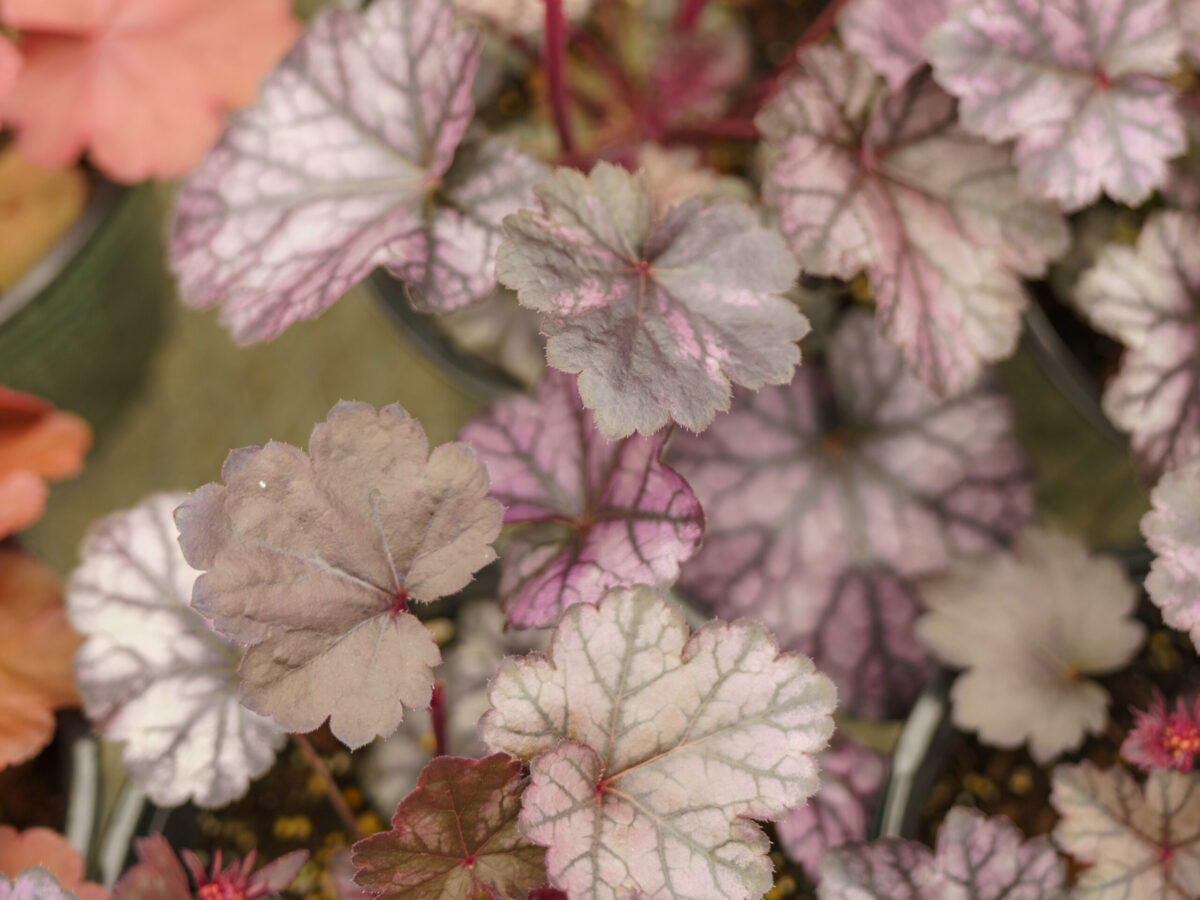
Heuchera

Heuchera, commonly known as Coral Bells, add season-long color with foliage in shades of burgundy, purple, amber, peach, silver, lime green, and nearly black. Delicate flower stalks appear in late spring and early summer, attracting hummingbirds and pollinators. 

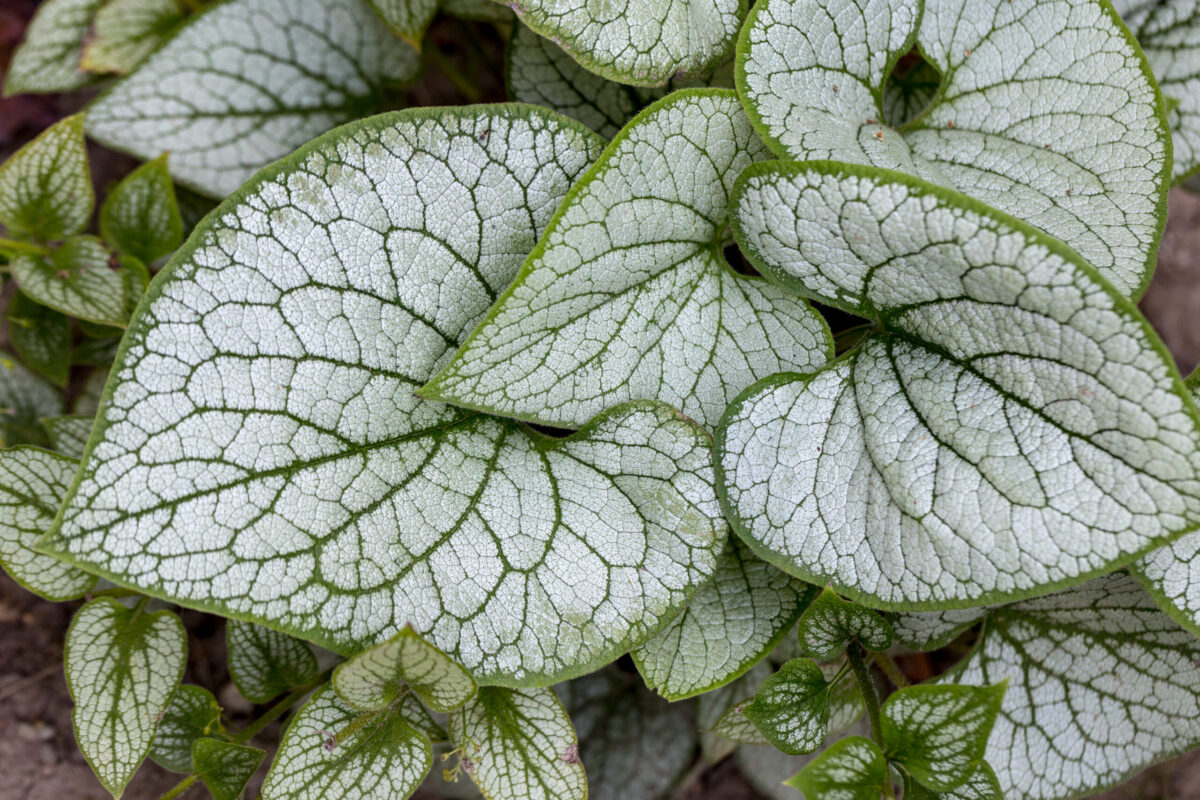
Brunnera

Brunnera, sometimes called Siberian Bugloss, brighten darker corners with heart-shaped silver foliage and clusters of tiny blue flowers in spring that resemble forget-me-nots. 

shade plants that flower

Astilbe

Astilbe produce feathery flower plumes in shades of pink, red, lavender, and white from early to midsummer. Its fern-like foliage adds texture throughout the growing season and thrives in consistently moist soil. 

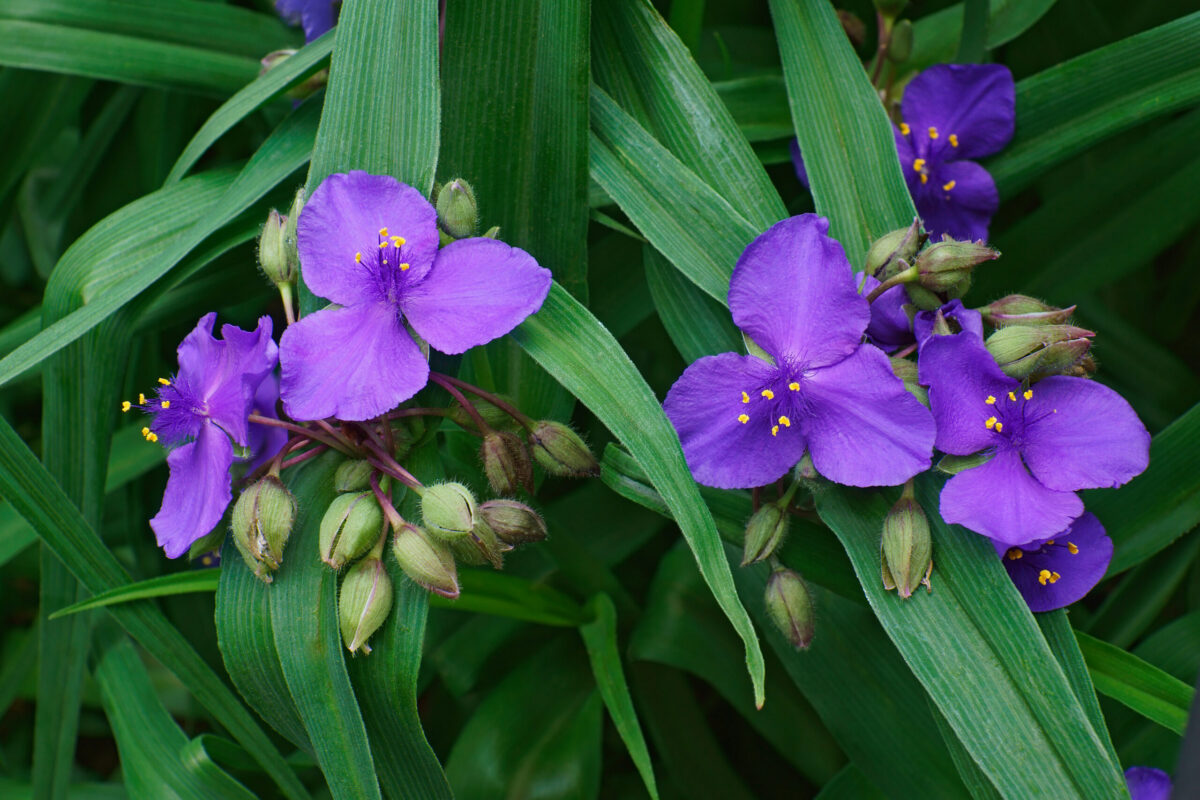
Tradescantia

Tradescantia, also known as Spiderwort, offer blue, purple, pink, or white flowers from late spring into summer. While each bloom lasts only a day, plants continue producing fresh flowers for weeks. 

Tiarella

Tiarella

Tiarella, or Foamflower, is a native woodland perennial with airy white or blush-pink flower spikes in spring and decorative foliage that continues to add interest long after flowering. 

ground covers and woodland fillers

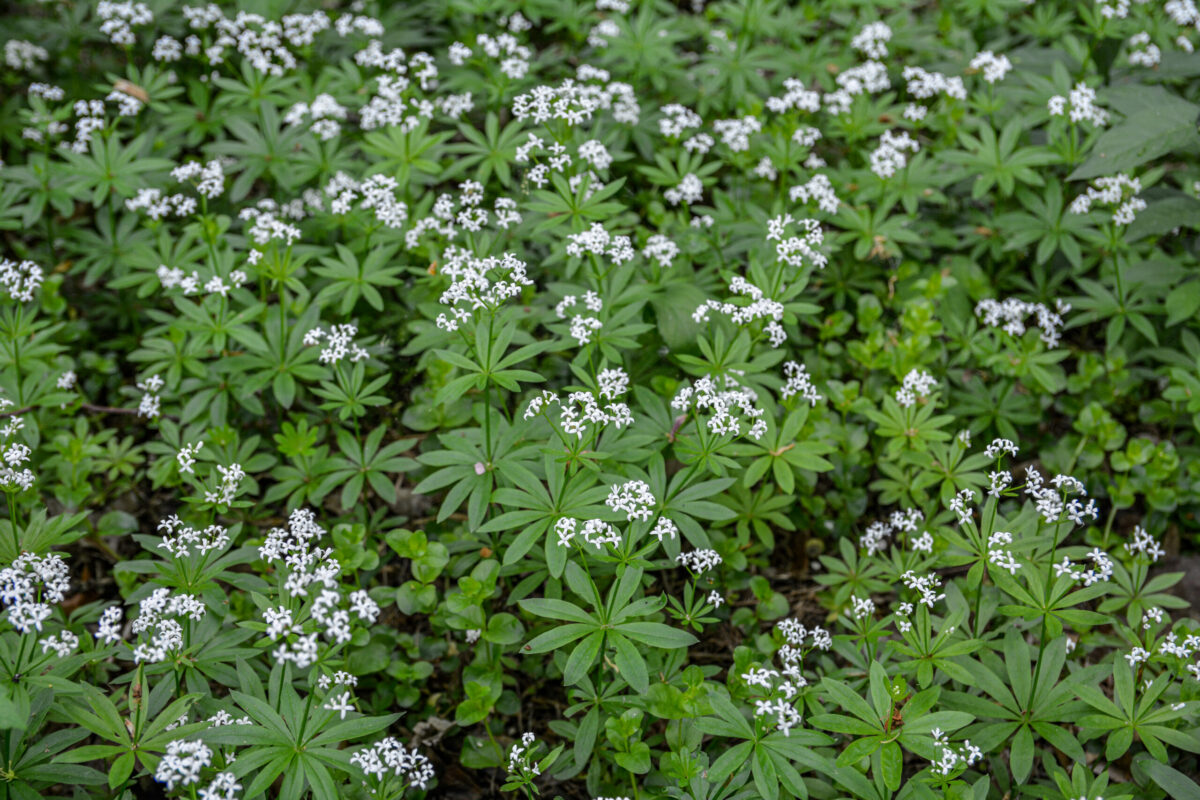
Galium

Galium (Sweet Woodruff) forms a lush carpet of bright green foliage topped with tiny white flowers in spring. It slowly spreads beneath trees and shrubs, helping suppress weeds while adding a natural woodland look. 

Violas

Violas provide cheerful early-season color and are perfect for edging pathways, filling small spaces, or naturalizing throughout woodland gardens. Many perennial and self-seeding varieties return year after year. 

Most of these perennials prefer partial shade, well-drained soil, and consistent moisture while becoming established. Astilbe, BrunneraGalium, and Tiarella especially appreciate evenly moist soil during the growing season. 

how do you design a shade garden?

The most successful shade gardens combine plants with varying heights, textures, and foliage colors. 

A simple planting plan might look like this: 

Back of the garden 

  • Hostas 
  • Astilbe 

Middle layer 

  • Brunnera 
  • Heuchera 
  • Tradescantia 

Front of the bed 

  • Galium 
  • Tiarella 
  • Violas 

This combination provides bold leaves, delicate flowers, and layered textures that remain attractive from spring through fall. 

how do you care for shade perennials?

Fortunately, most shade perennials are relatively easy to maintain. 

For the healthiest plants: 

  • Improve your soil with compost before planting. 
  • Water regularly during the first growing season. 
  • Apply mulch to help retain moisture and suppress weeds. 
  • Divide overcrowded perennials every few years to maintain vigor. 
  • Remove spent flower stalks as desired to keep plants looking tidy. 

bring your shade garden to life

With the right mix of Hostas, Astilbe, Heuchera, Brunnera, Tiarella, Galium, Tradescantia, and Violas, even the shadiest corner of your landscape can become a beautiful garden filled with color and texture. 

Visit your local Mahoney’s Garden Center to explore our selection of shade-loving perennials and let our knowledgeable team help you find the perfect plants for your New England garden.