
Winter may have settled in, but January is a surprisingly productive month for Massachusetts gardeners. While the ground is frozen and daylight is short, this quieter stretch is perfect for assessing your tools, planning your crops, and caring for the plants already in your landscape. A little preparation now sets the stage for a smoother, more successful spring.

Check on Newly Planted Trees and Shrubs
Cold, windy weather can cause winter burn, especially on broadleaf evergreens. During mild spells—when temperatures rise above freezing—give newer plantings a deep drink. Winter watering helps replace moisture lost to dry air and protects root systems until spring. This is also a good time to reapply anti-desiccant if needed.
Clean, Sharpen, and Oil Your Tools
Pruners, loppers, shovels, and hand tools benefit from annual TLC. A sharp edge makes cleaner cuts and reduces plant stress. Removing rust, tightening bolts, and lightly oiling metal parts will extend the life of your tools and give you a fresh start for the season.

Review Your Garden Layout and Last Frost Date
Massachusetts’ average last frost date ranges from late April to early May depending on your location. Knowing yours helps you plan when to sow cool-season veggies, start seeds indoors, or move tender plants outside. Now is a great time to sketch out planting ideas or adjust beds for sunlight and traffic flow.
Order Vegetable Seeds Early
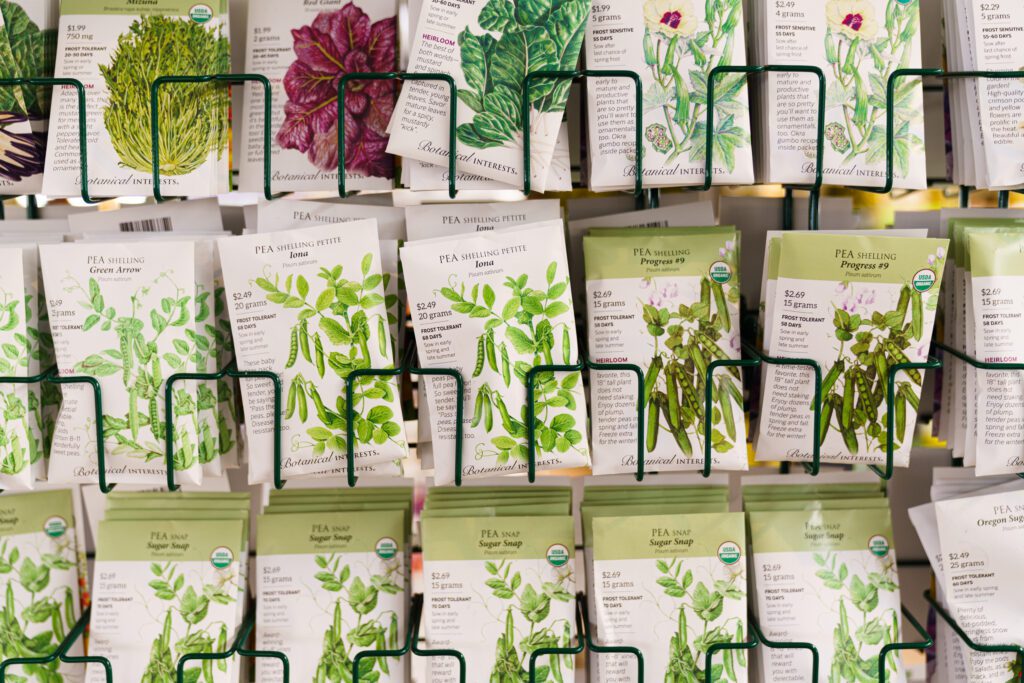
Popular varieties go quickly, and January is prime time to order seeds for the coming year. Whether you’re dreaming of early lettuces or planning your tomato lineup, shopping now ensures you get the varieties you want and gives you time to organize your seed-starting schedule.
Check on Compost Piles
Even in winter, decomposition continues—just more slowly. If your compost isn’t frozen solid, turn it to add oxygen and help break down fall leaves and kitchen scraps. If it is frozen, simply pile on more browns and greens; it will come back to life when temperatures rise.
Inspect Houseplants for Pests and Water Needs
Dry indoor heat can stress houseplants. Check for signs of aphids, mealybugs, or scale, and water thoroughly when the top few inches of soil are dry. Rotate pots to encourage even growth as they stretch toward winter light.
Ready to start planning for spring? Visit Mahoney’s for seeds, tools, and friendly advice to kick off your gardening year.