
There’s something about lavender that instantly makes a garden feel relaxing. Maybe it’s the soothing fragrance, the silvery foliage, or the way pollinators flock to it all summer long. From cottage gardens and herb planters to sunny walkways and patio pots, lavender has become a favorite for New England gardeners looking for beauty, fragrance, and versatility all in one plant.
But not all are created equal—especially in our climate. If you’ve ever wondered why one lavender returns year after year while another struggles after winter, the answer usually comes down to whether it’s considered hardy or non-hardy in New England.
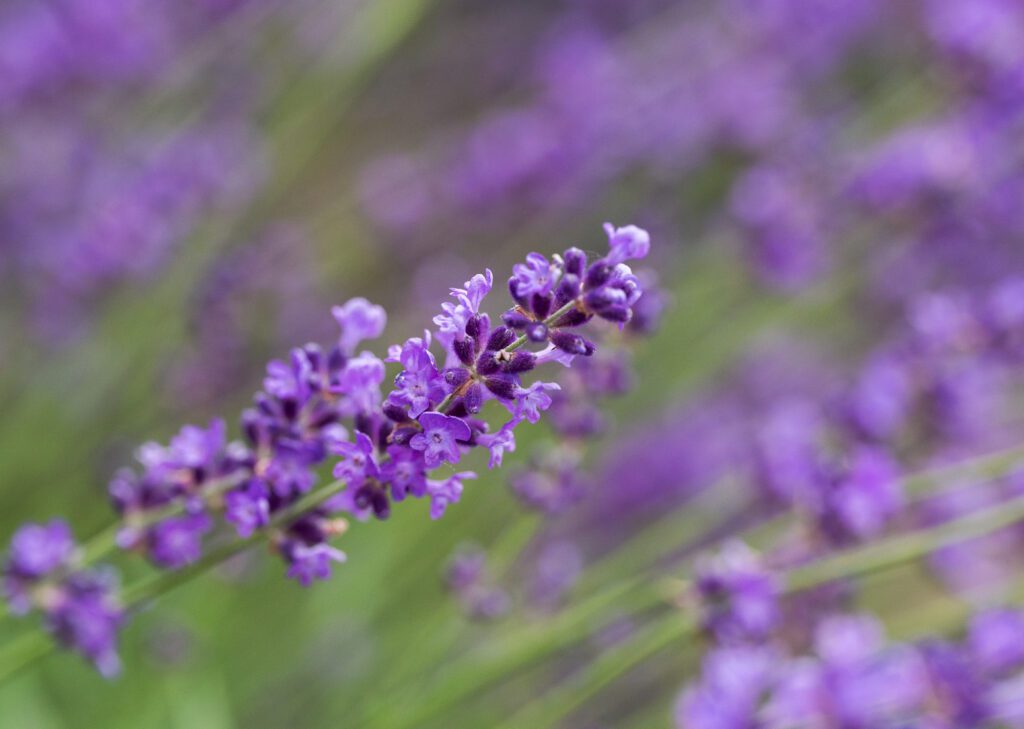
Hardy vs. Non-Hardy Lavender: What’s the Difference?
Hardy Lavender
Hardy lavenders are varieties that can survive New England winters when planted in the ground with proper drainage and full sun. These are the best choices if you want a long-term perennial planting.
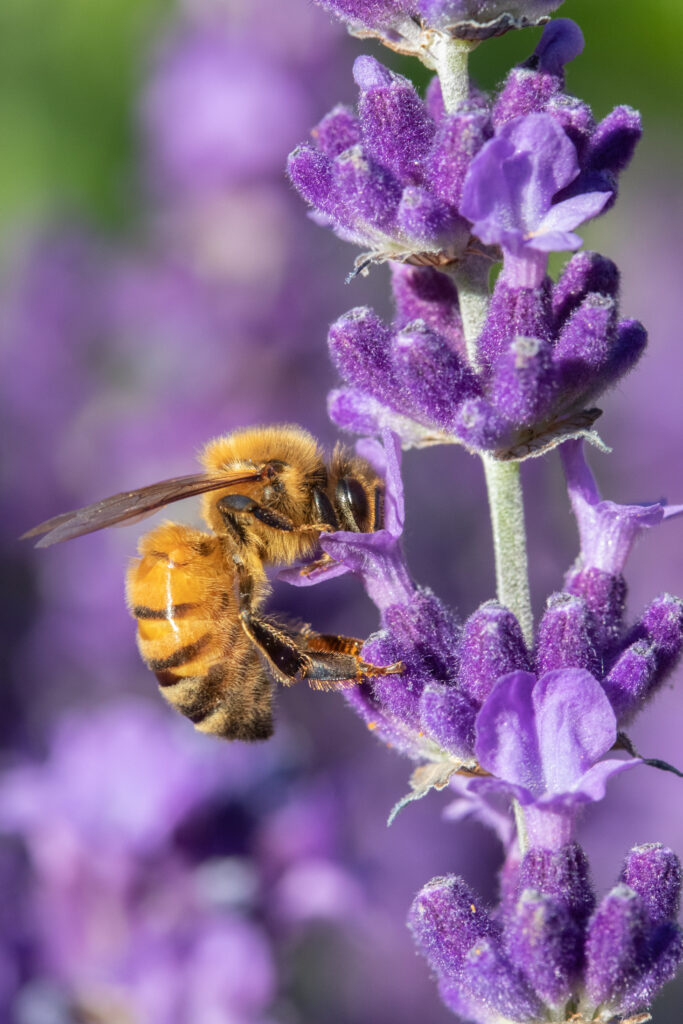
The most common hardy types include:
- English (Lavandula angustifolia)
- Munstead
- Hidcote
- Phenomenal
These varieties are known for:
- Excellent cold tolerance
- Compact, shrubby growth
- Strong fragrance
- Pollinator appeal
- Returning year after year in the right conditions
In New England, hardy lavender is best planted in:
- Full sun
- Well-draining soil
- Areas with good air circulation
- Raised beds or slopes if drainage is poor
Non-Hardy Lavender
Non-hardy lavender varieties are typically grown as annuals or seasonal patio plants in New England. While beautiful and often larger or more dramatic, they generally cannot survive our cold, wet winters outdoors.
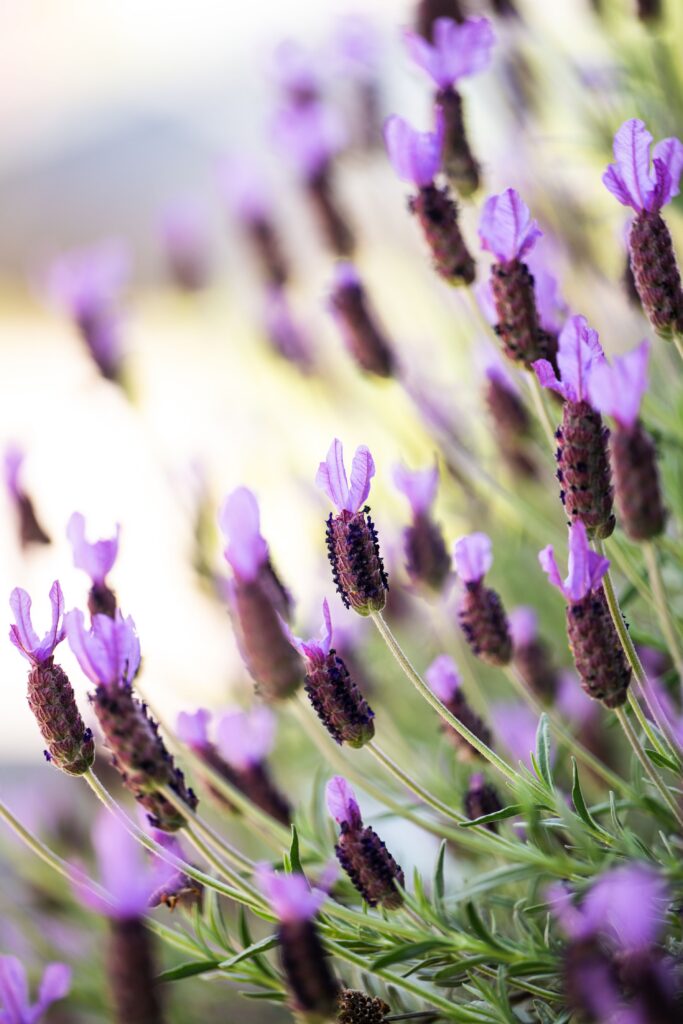
Common non-hardy types include:
- Spanish (Lavandula stoechas)
- French (Lavandula dentata)
- Specialty decorative lavenders
These varieties often feature:
- Unique flower shapes
- Longer bloom periods
- More dramatic foliage or color
- A softer, less cold-tolerant growth habit
Non-hardy lavender is perfect for:
- Patio pots
- Mixed containers
- Seasonal porch décor
- Sunny outdoor dining spaces
Some gardeners try overwintering non-hardy lavender indoors, but many simply enjoy them as seasonal plants.
Why Do Gardeners Love Lavender?
Its more than just a pretty plant. It’s incredibly functional in the garden and around the home.
Pollinator Friendly
Bees, butterflies, and other beneficial pollinators absolutely love lavender blooms. Planting it near vegetable gardens or flowering beds can help attract pollinators throughout the growing season.
Fragrant Foliage & Flowers
Its calming scent is one of its biggest draws. The fragrance becomes even stronger on warm sunny days and can make patios, pathways, and seating areas feel like a relaxing retreat.
Drought Tolerant
Once established, lavender prefers drier conditions and generally needs less watering than many summer annuals or perennials.
Deer & Rabbit Resistant
While no plant is completely foolproof, lavender’s fragrant oils and textured foliage tend to make it less appealing to deer and rabbits.
Great for Cutting & Drying
It can be harvested fresh or dried for:
- Bouquets
- Wreaths
- Sachets
- Homemade crafts
- Culinary uses
- Relaxing indoor arrangements
How Do You Care for Lavender?
The biggest secret to growing healthy lavender in New England is simple: don’t over-love it.
Lavender prefers conditions that are:
- Sunny
- Dry
- Well-drained
- Slightly lean rather than overly rich
Sunlight
It thrives in full sun and should receive at least 6–8 hours of direct sunlight daily.
Watering
Newly planted lavender should be watered regularly while establishing. Once mature, lavender prefers to dry slightly between waterings.
Avoid constantly wet soil, especially during winter.
Soil
Drainage is everything. Lavender struggles in heavy clay or soggy areas.
If your soil holds moisture:
- Amend with compost and grit
- Plant in raised beds
- Consider growing lavender in pots instead
Fertilizer
It generally does not need heavy feeding. Too much fertilizer can actually reduce fragrance and create floppy growth.
Pruning
Light pruning helps plants stay compact and encourages fresh growth.
- Remove spent flowers during the season if desired
- In spring, lightly shape the plant once new growth appears
- Avoid cutting deeply into old woody stems
How Do You Grow Lavender in Containers?
Lavender does beautifully in pots, especially non-hardy varieties. Containers also help improve drainage in areas with heavier soil.
For the best success:
- Use a pot with drainage holes
- Choose a high-quality potting mix
- Let soil dry slightly between waterings
- Place containers in full sun
Hardy varieties in pots can be more vulnerable to winter damage than plants in the ground because roots are exposed to colder temperatures. Some gardeners move containers to a sheltered area for winter protection, though overwintering success can vary depending on weather conditions.
What Are Common Lavender Problems?
Winter Damage
Cold temperatures alone usually aren’t the issue—winter wetness is often the bigger problem. Poor drainage combined with freezing temperatures can lead to root rot.
Floppy Growth
Lavender that becomes stretched or floppy is often:
- Not getting enough sun
- Overwatered
- Overfertilized
Woody Centers
Older plants naturally become woodier over time. Regular light pruning can help maintain shape and encourage fuller growth.
What Are Some Companion Plants for Lavender?
Lavender pairs beautifully with other sun-loving plants such as:
The silver foliage and purple blooms blend especially well in cottage gardens, pollinator gardens, and Mediterranean-inspired landscapes.
Whether you’re planting a hardy lavender that returns each year or adding a non-hardy variety to your patio containers for the season, lavender brings fragrance, texture, and pollinator-friendly beauty to sunny spaces all summer long.
Stop into your local Mahoney’s to explore our selection of varieties and find the perfect fit for your garden, patio, or containers this season.