
January 19, 2026
Understanding Salt Damage: How to Protect Plants Along Walkways & Driveways
Winter in New England brings snow, ice, and—inevitably—salt. De-icing products are important for keeping walkways and driveways safe, preventing slips, falls and injuries. But for our plant friends who don’t have to worry about walking around, ingredients in these safety products can take a toll. If you’ve ever noticed browning foliage, weak growth, or plants struggling near paved areas in spring, salt damage may be the culprit. The good news? With a little planning and care, you can reduce damage now and help plants recover later.
What Is Salt Damage, and Why Does It Affect Plants?
Salt damage happens when sodium and chloride from de-icing products build up in the soil or splash onto plant tissues. These salts interfere with a plant’s ability to absorb water, even when moisture is present, leading to dehydration and stress.
Salt can also:
- Burn foliage and buds on contact
- Disrupt soil structure and root health
- Accumulate over winter, causing delayed spring problems
Plants closest to roads, driveways, sidewalks, and parking areas are the most vulnerable—especially those downhill where salty runoff collects.
What Are the Signs of Salt Damage in Spring?
Salt injury often shows up once plants start growing again. Keep an eye out for:
- Brown or scorched leaf edges
- Stunted or uneven growth
- Delayed leaf-out on trees and shrubs
- Dieback on the side facing pavement
Because these symptoms can resemble drought stress or winter burn, salt damage is often overlooked—but location is a key clue.
 How Do I Protect Trees and Shrubs From Salt Damage?
Prevention is the best defense, especially for high-traffic areas.
Smart de-icing choices
- Use ice melt sparingly—more isn’t better
- Sweep up excess salt after storms
- Choose plant- and pet-friendlier ice melt blends when possible
Physical protection
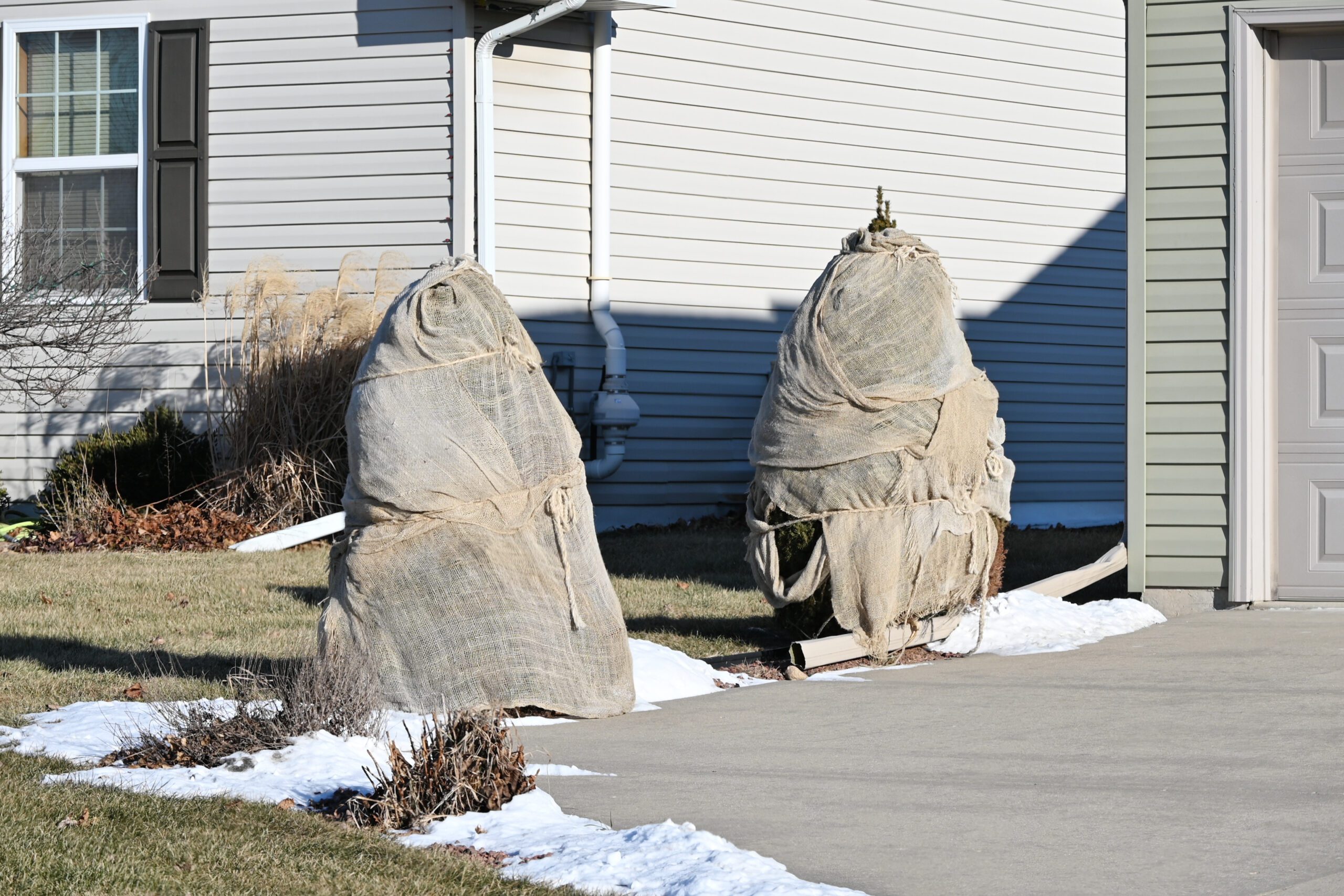
- Install burlap barriers or snow fencing to block salt spray
- Create planting buffers with mulch or stone edging
- Redirect plowed snow away from garden beds when possible
What Are Some Salt-Tolerant Shrubs for Driveways and Walkways?
If you’re planting near paved surfaces, choosing salt-tolerant plants can make a big difference. Some reliable options for New England landscapes include:
- Inkberry holly (Ilex glabra)
- Juniper
- Panicle hydrangea (Hydrangea paniculata)
- Rugosa rose
- Red twig dogwood (Cornus sericea)
- Spirea
These plants are more resilient to salt spray and soil buildup, making them great choices for foundation plantings and roadside beds.
 What Helps Soil Recover From Winter Salt Damage?
Winter salt can leave soil compacted and stressed, making it harder for water and nutrients to reach plant roots. While gypsum is often mentioned as a soil amendment for salt-affected areas, it works slowly and can take several months to show results.
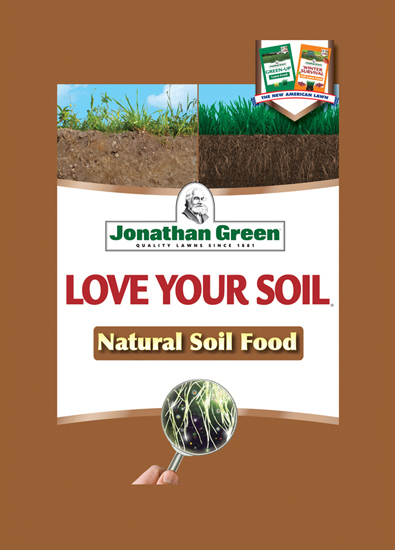
A more immediate solution is Love Your Soil, which begins improving soil health as soon as it’s applied. It helps loosen compacted soil, improves water movement through the root zone, and supports beneficial soil biology that encourages stronger root recovery right away.
For spring recovery and ongoing soil health, focusing on products that actively improve soil structure and function from day one can make a noticeable difference—especially in areas repeatedly exposed to winter salt.
How Can I Help Plants Recover From Salt Damage?
Once winter is behind us, a few steps can help stressed plants bounce back:
- Deeply water affected areas to flush excess salts
- Prune out dead or damaged branches once growth resumes
- Apply Love Your Soil if salt buildup is suspected
- Add fresh mulch to improve moisture retention
- Avoid heavy fertilizing until plants show healthy new growth
Patience is key—some plants may take time to recover.
When Should I Ask for Help?
If you’re unsure whether salt is the issue—or you’re planning new plantings near walkways—expert advice can save time and frustration. The right plant choices and products can make all the difference for long-term success.
Stop by your local Mahoney’s Garden Center to talk with our knowledgeable team about salt-tolerant plants, gypsum, and spring recovery solutions—we’re always happy to help you protect your landscape and set it up for a healthy growing season.