
August 3, 2025
Why Your Sprinkler Isn’t Enough: Better Watering Techniques for New Plants
We get it—sprinklers and irrigation systems seem like the ultimate summer shortcut. Just set it and forget it, right? But when it comes to keeping your newly planted trees, shrubs, and perennials healthy and thriving, that approach often falls short—literally.
If you’ve ever wondered why your plants still look wilted even though your sprinkler has been running, you’re not alone. Let’s break down why hand watering is the gold standard, and how you can make sure your plants get the deep, consistent drink they need to establish strong roots.
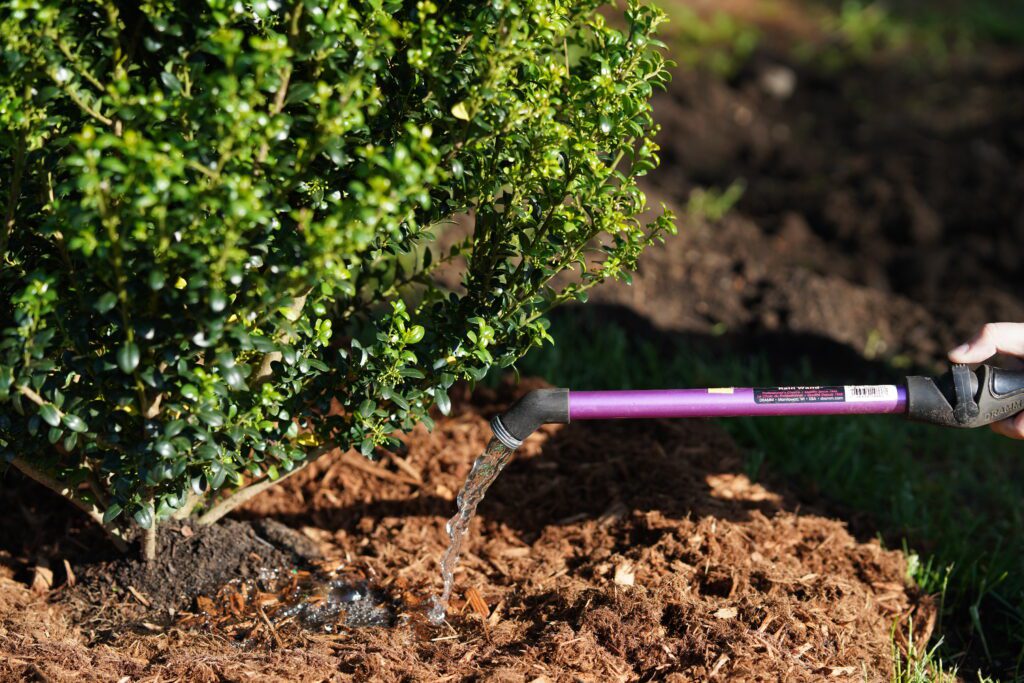
A slow trickle ensures root ball has time to absorb water.
Why Sprinklers Fall Short
Think of a sprinkler like a summer rain shower—refreshing from the top, but not always quenching down below. A clever visual test we’ve seen: place a shallow plastic container or small Tupperware dish at the base of a plant, then run your sprinkler for a typical session. You’ll likely be surprised at just how little water collects. If there’s barely enough to wet the bottom of the container, imagine how much is actually reaching the plant’s root ball!
Or picture it this way: if you were standing outside in the rain, mouth open, thirsty—how long would it take before you felt satisfied? Probably much longer than you’d think. Your plants feel the same way.
Sprinklers tend to:
- Water too broadly (much ends up on mulch, sidewalks, or leaves, and water on leaves can lead to leaf burn)
- Not run long enough to penetrate deeply
- Miss specific spots (especially around new plantings with limited root zones)
Why Hand Watering Works Best
New plants don’t have sprawling root systems yet. Their roots are still concentrated near the original root ball, which means they need water delivered directly to that area—and deeply.
The best way to do this? A good old-fashioned hose.
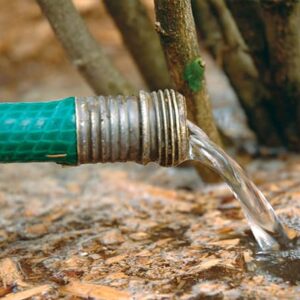
Use the hose with no nozzle or set to a gentle trickle and aim it right at the base of your plant. Soak the area thoroughly so the water sinks down to where the roots are growing, not just the surface.
 How Often Should You Water?
For newly planted trees, shrubs, or perennials during the summer months:
- Every single day.*
- 2–5 minutes per plant, depending on size:
-
- Smaller perennials and shrubs: 2 minutes
- Medium shrubs: 3–4 minutes
- Larger shrubs and trees: up to 5 minutes or more
-
A slow and steady soak is key—rushing this step won’t give the roots time to absorb the water they need. And while mulch can help retain moisture, it won’t solve the problem of under-watering at the root level.
*Some plants are susceptible to root rot. Rhododendron, Mountain Laurel, Andromeda should only be watered if the top two inches of soil are dry. Prolonged damp soil is the perfect breeding ground for fungus.
What About Soaker Hoses and Drip Systems?
Soaker hoses and drip irrigation can work if they’re set up properly and monitored regularly. But like sprinklers, they can be inconsistent—especially when stretched across uneven ground or used with different plant sizes. Until your plants are fully established (usually after their first full growing season), we recommend sticking with hand watering to make sure each plant gets the care it needs.
Know the Signs of Underwatering
Even with the best intentions, it’s easy to under-do it. Keep an eye out for:
- Drooping or curled leaves
- Dry or powdery soil when you dig a few inches down
- Plants that perk up quickly after watering (a classic sign they were too dry)
Remember: by the time a plant looks thirsty, it’s already been struggling.
Watering by hand may take a little extra time—but think of it as a daily check-in with your garden. It’s a chance to spot pests, catch problems early, and truly connect with your plants. And in the long run, nothing helps a plant get established better than consistent, deep watering.
If you’d like to learn more about the science behind watering and root growth, check out our companion blog here: The Importance of Water »
Your plants will thank you—with blooms, growth, and resilience for seasons to come.