
Ficus trees are some of the most beloved houseplants out there—and for good reason! They’re bold, beautiful, and bring a touch of the tropics to any space. With so many types to choose from, each with its own vibe, there’s a ficus out there for every plant parent, whether you’re just starting your indoor jungle or looking to add a statement piece to your collection.
Let’s explore some of the most popular ficus varieties and how to keep them happy and thriving!
 Ficus Lyrata (Fiddle Leaf Fig)
Big, violin-shaped leaves and a dramatic flair—Ficus lyrata is the interior design darling of the plant world. It can grow into a tall tree or be kept smaller as a bushier plant.
Care Tips:
- Light: Loves bright, indirect light. Near a sunny window is perfect!
- Water: Water when the top 2 inches of soil feel dry. Avoid soggy soil.
- Humidity: Appreciates higher humidity—consider using a humidifier.
- Pro Tip: Rotate it weekly for even growth and dust the leaves so they can soak up all that glorious light.
 Ficus Elastica (Rubber Plant)
With thick, glossy leaves that come in rich shades of green, burgundy, or even variegated cream and pink, this one’s a real showstopper. Plus, it’s a bit more forgiving than the fiddle leaf.
Care Tips:
- Light: Bright, indirect light—can tolerate some shade too.
- Water: Let the top inch or two dry out between waterings.
- Bonus Tip: Wipe leaves with a damp cloth to keep them shiny and healthy.
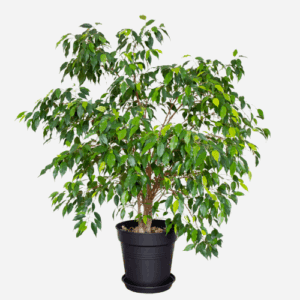 Ficus Benjamina (Weeping Fig)
This classic ficus has small, arching branches with lots of delicate leaves. It’s often shaped into small indoor trees or topiaries, perfect for adding structure to a room.
Care Tips:
- Light: Bright, indirect light. Sudden changes in light can cause leaf drop.
- Water: Keep soil slightly moist but not wet.
- Heads-Up: It can be sensitive to drafts and moving around too much—find it a good home and let it settle in.
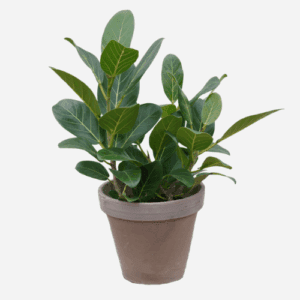 Ficus Audrey (Ficus benghalensis)
A gentler cousin to the fiddle leaf, Audrey has soft, velvety leaves and a more laid-back personality. It grows tall and tree-like with the right support.
Care Tips:
- Light: Loves bright, indirect light.
- Water: Let soil dry a bit between waterings. Not too wet, not too dry.
- Why We Love It: Easier to care for than Lyrata but just as stunning!
- Bonus Tip: Ficus Audrey loves stability—once you find a bright spot it likes, try not to move it around too much. This will help prevent leaf drop and stress.

Ficus Altissima
This beauty sports bold, lime-green leaves with bright yellow veins. It looks tropical and sun-kissed all year round!
Care Tips:
- Light: Bright light helps those vibrant colors pop.
- Water: Allow the top half of the soil to dry before watering.
- Fun Fact: It’s a great alternative to variegated rubber plants if you want a splash of color.
Ficus in All Shapes & Sizes
One of the coolest things about ficus trees is their versatility! You’ll find them as:
- Bushy floor plants for cozy corners
- Tall statement trees to anchor a room
- Braided trunks or topiaries for a sculptural look
- Tabletop plants for smaller spaces
With some pruning and training, you can shape your ficus however you like!
Ficus TLC: Extra Tips for Happy Plants
- Repot every 1-2 years or when roots peek out from the bottom.
- Feed during the growing season (spring and summer) with a balanced liquid fertilizer every 4-6 weeks.
- Wipe leaves occasionally to remove dust and help them breathe.
- Leaf drop? Don’t panic! Ficus can be drama queens when they move or when seasons change. Give them time to adjust.
Whether you go bold with a fiddle leaf fig, funky with an Altissima, or classic with a weeping fig, there’s a ficus out there for you. These leafy friends bring structure, style, and some serious green goodness into your space. Come visit us at any of our 7 locations, and we’ll help you find the perfect one for you!
Ficus Guide FAQs
Are Ficus plants hard to grow indoors?
Most Ficus varieties are easy to grow with the right light and watering routine. They prefer bright, indirect light and soil that dries slightly between waterings.
How much light does a Ficus plant need?
Place Ficus in bright, indirect sunlight near an east- or south-facing window. Avoid direct midday sun, which can scorch the leaves.
How often should I water my Ficus?
Water when the top 1–2 inches of soil feel dry. Ensure the pot has drainage holes to prevent root rot.
Why is my Ficus losing leaves?
Leaf drop often happens from sudden changes in light, temperature, or watering. Keep conditions stable and avoid moving the plant frequently.
When should I repot a Ficus?
Repot every one to two years, or when roots are circling the pot. Use fresh, well-draining potting mix.