March 24, 2025
March 24, 2025
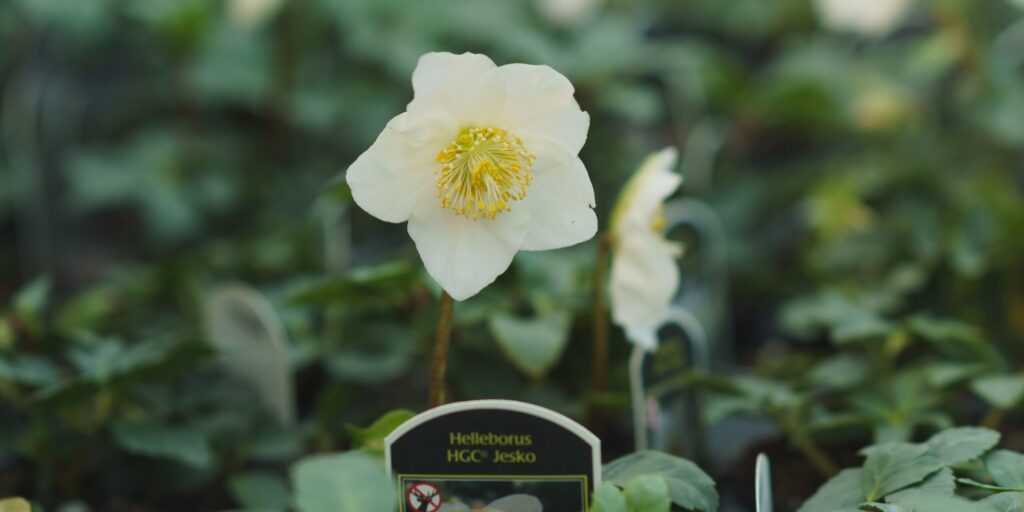
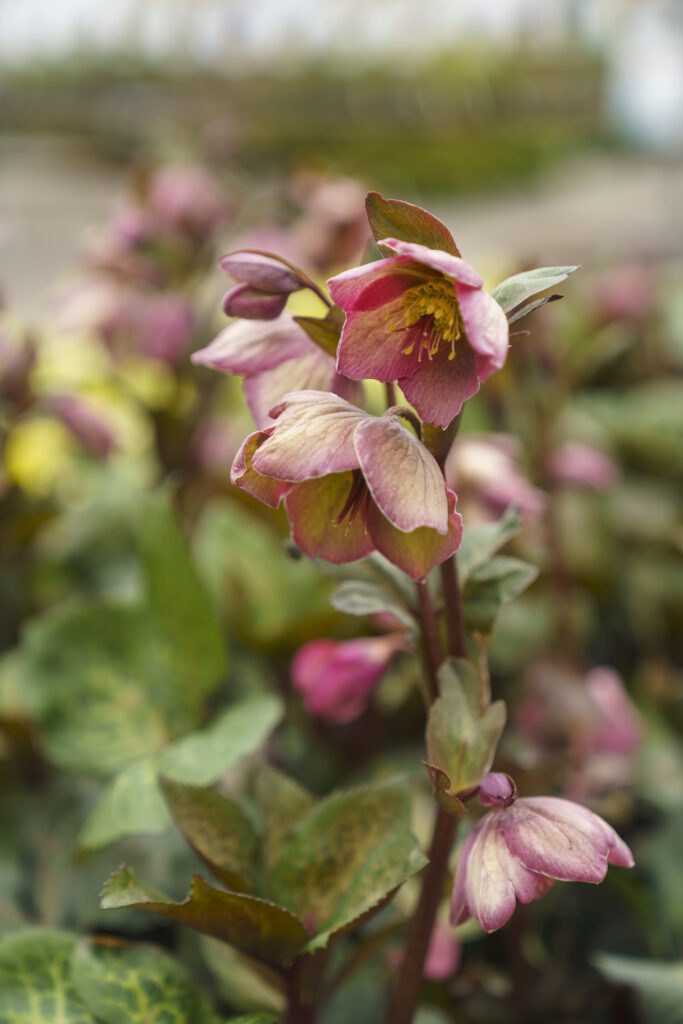
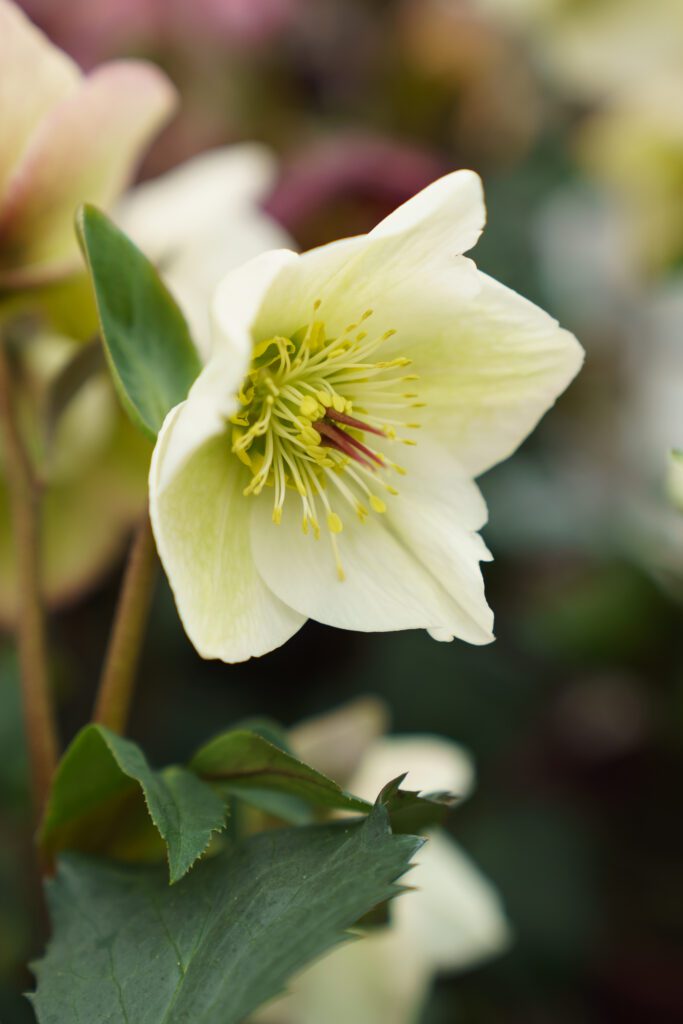
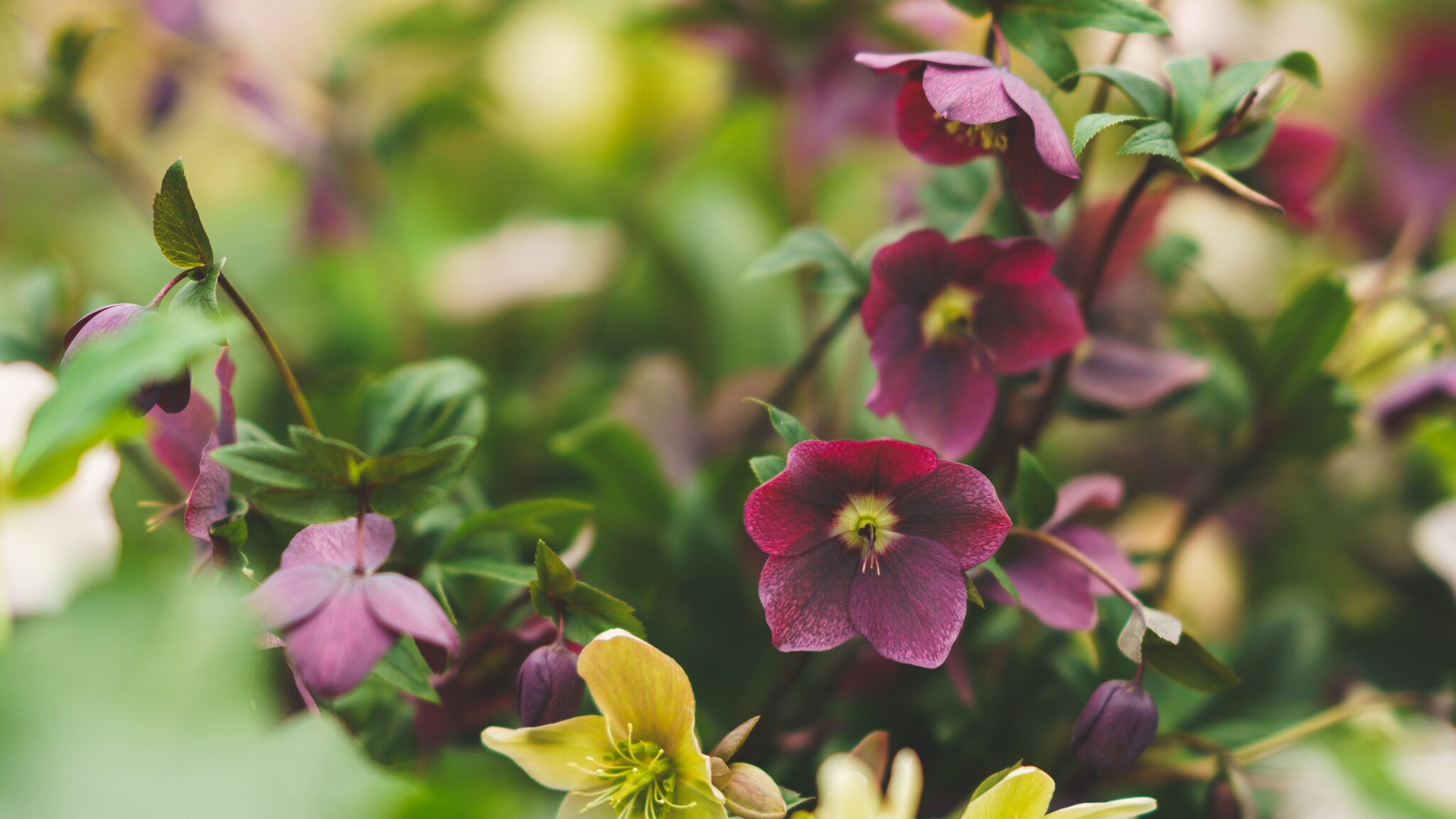
As winter loosens its grip and the garden begins to stir, one of the earliest signs of spring emerges—hellebores. These elegant perennials, often called Lenten roses or Christmas roses, are among the first to bloom, sometimes even pushing through the snow to herald the new season. With their nodding, cup-shaped flowers and evergreen foliage, hellebores bring a touch of color and resilience to the garden just when we need it most.
Hellebores are treasured for their early bloom time, low maintenance, and incredible cold tolerance. Unlike many perennials that wait for the warmth of late spring, hellebores start flowering in late winter and continue well into early spring. This makes them an invaluable source of early-season nectar for pollinators emerging after winter dormancy.
But beyond their timing, hellebores also offer:
Hellebores come in a stunning array of colors, from soft pastels to deep, dramatic hues. Some of the most popular varieties include:
Hellebores are incredibly easy to grow, provided they have the right conditions:
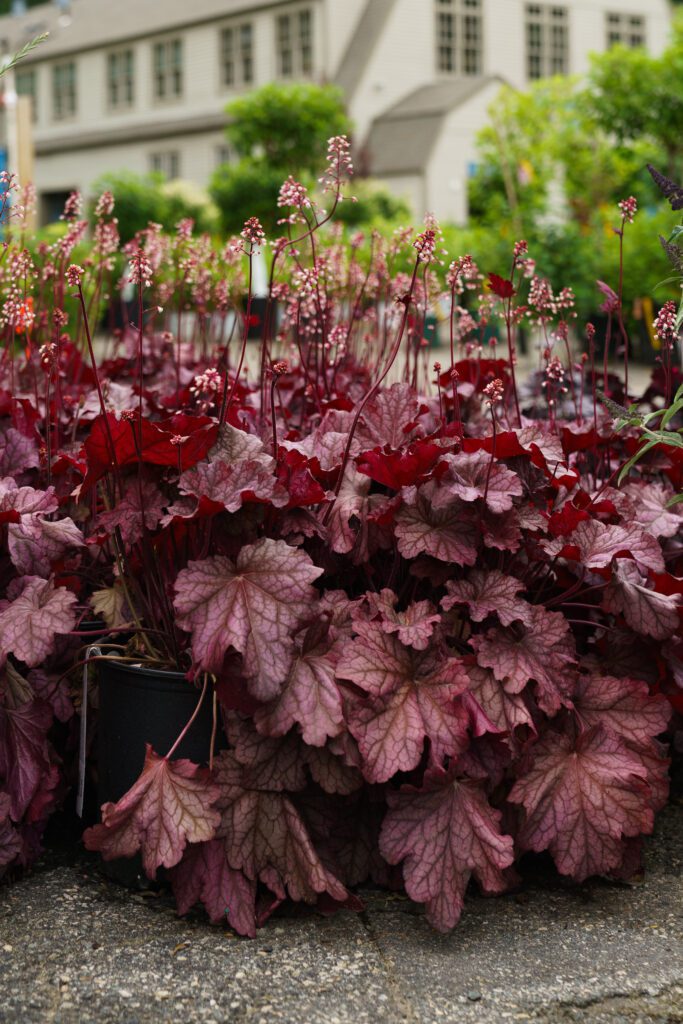
Hellebores pair beautifully with other early bloomers and shade-loving plants. Consider planting them alongside:
Whether tucked under trees, nestled in a shaded border, or planted in a container by the doorstep, hellebores bring an early splash of beauty that few other perennials can match. Their hardy nature, stunning flowers, and ability to thrive in challenging conditions make them an essential addition to any spring garden.
Looking for hellebores to bring early color to your landscape? Visit any of our 7 locations to explore our selection of these harbingers of spring!

Hellebores are early-blooming perennial plants that often flower in late winter or early spring, sometimes even through snow. They are called harbingers of spring because they are among the first plants to signal the season’s arrival.
Hellebores typically bloom from late winter into early spring. Their flowers can last for several weeks and often remain attractive as they fade into soft green tones.
Hellebores grow best in partial to full shade with well-draining, organic-rich soil. They are ideal for woodland gardens, shaded borders, and planting under trees.
Yes, hellebores are low-maintenance plants. They require consistent moisture when establishing, minimal pruning, and thrive in shaded areas with little ongoing effort.
Hellebores are naturally resistant to deer and rabbits, making them a good choice for gardens where wildlife browsing is a concern. They also provide early nectar for pollinators emerging in spring.