Growing Strawberries in New England: Sweet Success Starts Now

There’s nothing quite like picking your own fresh strawberries—warm from the sun, perfectly ripe, and bursting with flavor. The good news? Strawberries are surprisingly easy to grow in New England, whether you have a full garden or just a sunny patio.

Let’s dig into how to get started and set yourself up for a delicious harvest.
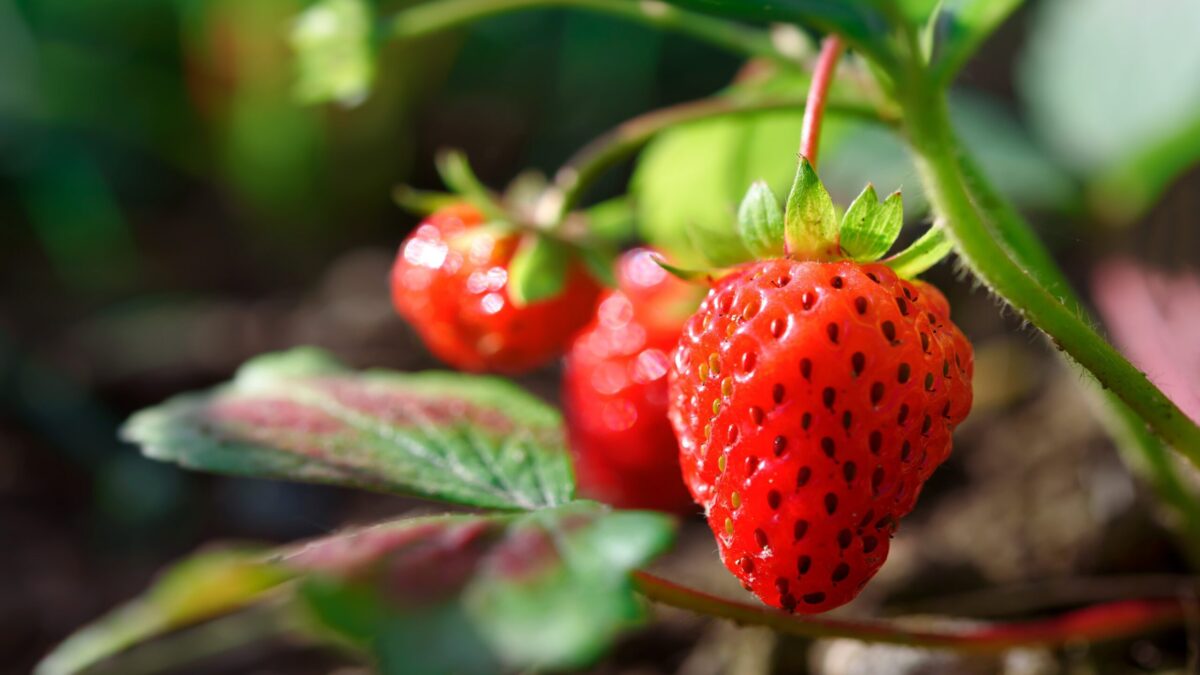
Growing strawberries

Can You Grow Strawberries in New England?

Absolutely! Strawberries are well-suited to New England’s climate and are considered hardy perennials. Once established, they’ll come back year after year with proper care.

You can grow them:

  • In the ground (great for larger harvests)
  • In raised beds (excellent drainage and easy access)
  • In pots and planters (perfect for patios, decks, and small spaces)

Should You Grow Strawberries in the Ground or in Planters?

Both options work well—it just depends on your space and goals.

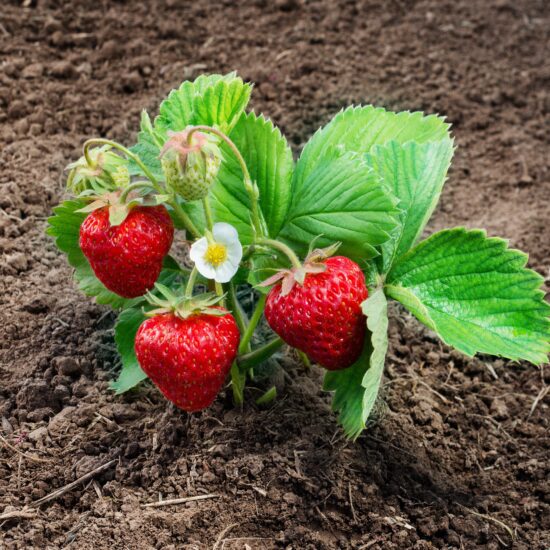
Strawberries in the ground

Growing Strawberries in the Ground

If you have the room, planting strawberries directly in the garden is a great choice. They’ll spread over time by sending out runners, creating a fuller patch each year.

Best for:

  • Bigger harvests
  • Long-term planting
  • Garden beds with good drainage

Tip: Choose a sunny spot and amend your soil with compost before planting. Strawberries prefer slightly acidic, well-drained soil.

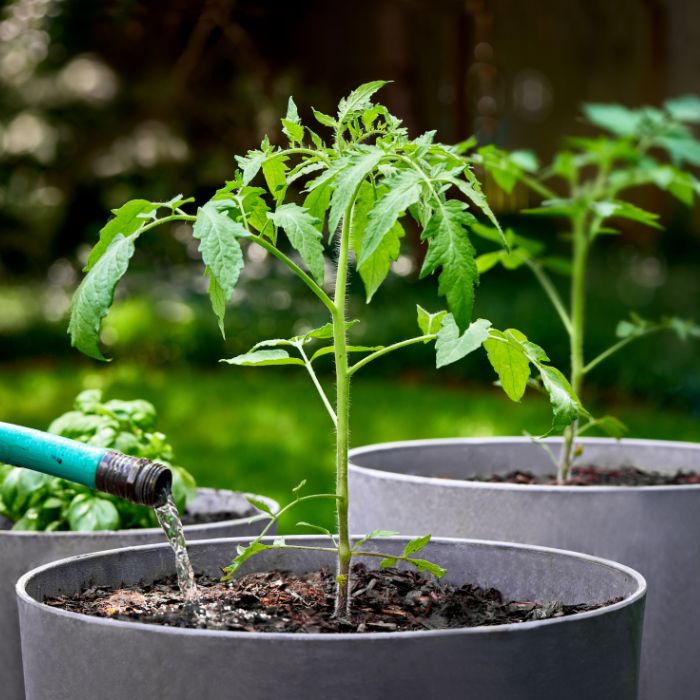
Growing strawberries in a planter

Growing Strawberries in the Pots and Planters

If you have the room, planting strawberries directly in the garden is a great choice. They’ll spread over time by sending out runners, creating a fuller patch each year.

Best for:

  • Bigger harvests
  • Long-term planting
  • Garden beds with good drainage

Tip: Choose a sunny spot and amend your soil with compost before planting. Strawberries prefer slightly acidic, well-drained soil.

When Is the Best Time to Plant Strawberries?

In New England, early spring is the perfect time to plant strawberries—once the ground has thawed and can be worked.

Planting early gives your strawberries time to establish strong roots before the heat of summer arrives.

What Are the Different Types of Strawberries?

Not all strawberries grow the same way! Here’s a quick breakdown:

    • June-bearing: Produce one large harvest in early summer
    • Everbearing: Produce two to three smaller harvests throughout the season
    • Day-neutral: Produce fruit consistently from spring through fall

Strawberry Varieties to Try

Strawberry varieties

We carry a great selection of strawberries, each with its own strengths:

  • Allstar – A reliable June-bearing variety known for large, sweet berries and excellent disease resistance
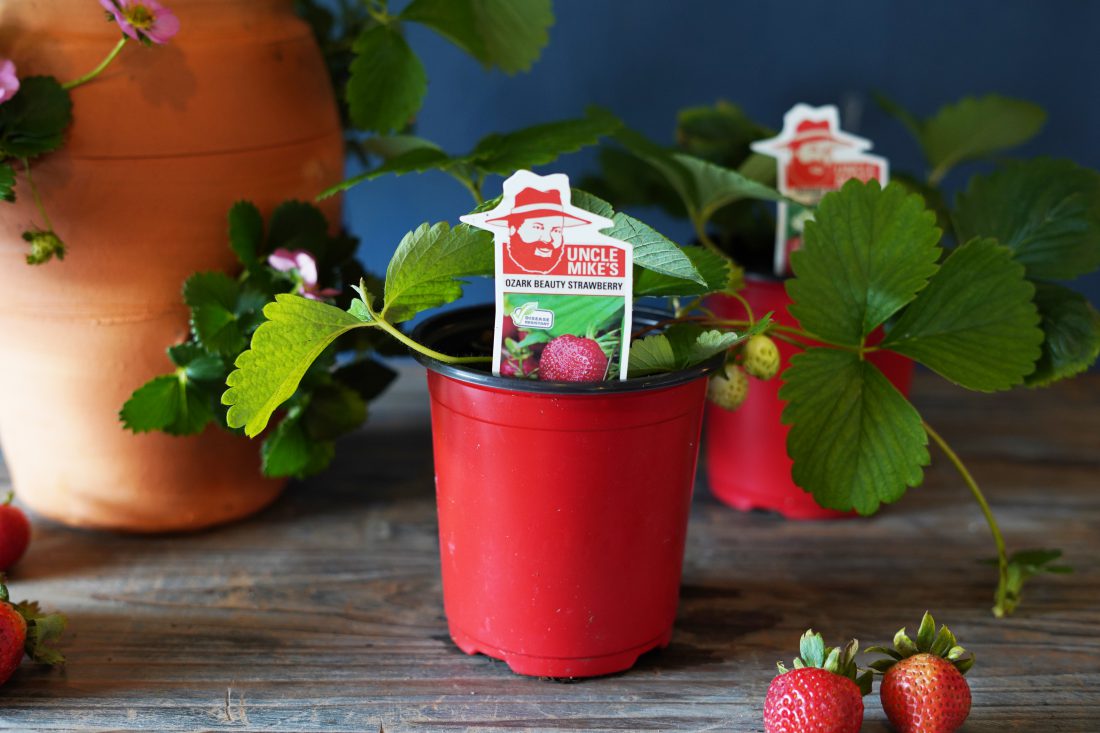
  • Ozark Beauty – A popular everbearing type that produces fruit throughout the season
  • Quinault – Another everbearing favorite, great for continuous harvesting and perfect for containers
  • Delizz – A compact, day-neutral variety ideal for pots and small spaces, with impressive flavor
  • Montana – Known for its beautiful flowers and ornamental appeal, making it a standout in containers

How Do You Plant Strawberries?

Getting started is simple:

  1. Choose a sunny location (at least 6–8 hours of sun per day)
  2. Plant at the right depth—keep the crown (where the leaves meet the roots) right at soil level
  3. Space properly—about 12–18 inches apart in the ground; in containers, allow about 6–8 inches between plants
  4. Water well after planting to help roots settle in

How Do You Care for Strawberry Plants?

Strawberries are relatively low-maintenance, but a little care goes a long way.

  • Water regularly – Keep soil consistently moist, especially in containers
  • Mulch – Helps retain moisture and keeps berries clean
  • Fertilize – Use a balanced fertilizer or compost
    to support growth
  • Watch for runners – In the ground, let them spread; in containers, trim them to focus energy on fruit

Will Strawberries Come Back Every Year?

Yes! Strawberries are perennial in New England. With a little winter protection (like a layer of mulch), they’ll come back stronger each year. Container-grown strawberries can also overwinter—just move pots to a sheltered location or insulate them to protect the roots. That said, overwintering success in pots can be less predictable, especially with harsh winds and temperature swings. For best results, place containers in a protected area or consider replanting each spring if needed.

Ready to Grow Your Own Strawberries?

Whether you’re planting a full garden bed or a few pots on your patio, strawberries are one of the most rewarding crops you can grow. With just a bit of sun and care, you’ll be enjoying homegrown berries in no time. Stop by and check out our selection of strawberry plants—we’re happy to help you pick the perfect variety and get you growing!

FAQ

Can you grow strawberries successfully in New England?

Yes, strawberries grow very well in New England. They are hardy perennials that come back each year with proper care, making them a reliable and rewarding crop for home gardeners.

Is it better to grow strawberries in the ground or in containers?

Both options work well. Growing in the ground is best for larger harvests and long-term planting, while containers are ideal for patios, small spaces, and easier maintenance.

When is the best time to plant strawberries in New England?

The best time to plant strawberries is early spring, once the soil has thawed and can be worked. Planting early helps roots establish before summer heat arrives.

What are the different types of strawberries and how do they produce fruit?

There are three main types of strawberries, and each produces fruit differently. June-bearing varieties produce one large harvest in early summer. Everbearing strawberries produce fruit in two to three waves throughout the growing season.

Do strawberry plants come back every year?

Yes, strawberry plants are perennial and return each year in New England. Adding winter protection like mulch helps them survive cold weather and produce stronger growth the following season.