Hellebores: Harbingers of Spring

As winter loosens its grip and the garden begins to stir, one of the earliest signs of spring emerges—hellebores. These elegant perennials, often called Lenten roses or Christmas roses, are among the first to bloom, sometimes even pushing through the snow to herald the new season. With their nodding, cup-shaped flowers and evergreen foliage, hellebores bring a touch of color and resilience to the garden just when we need it most.

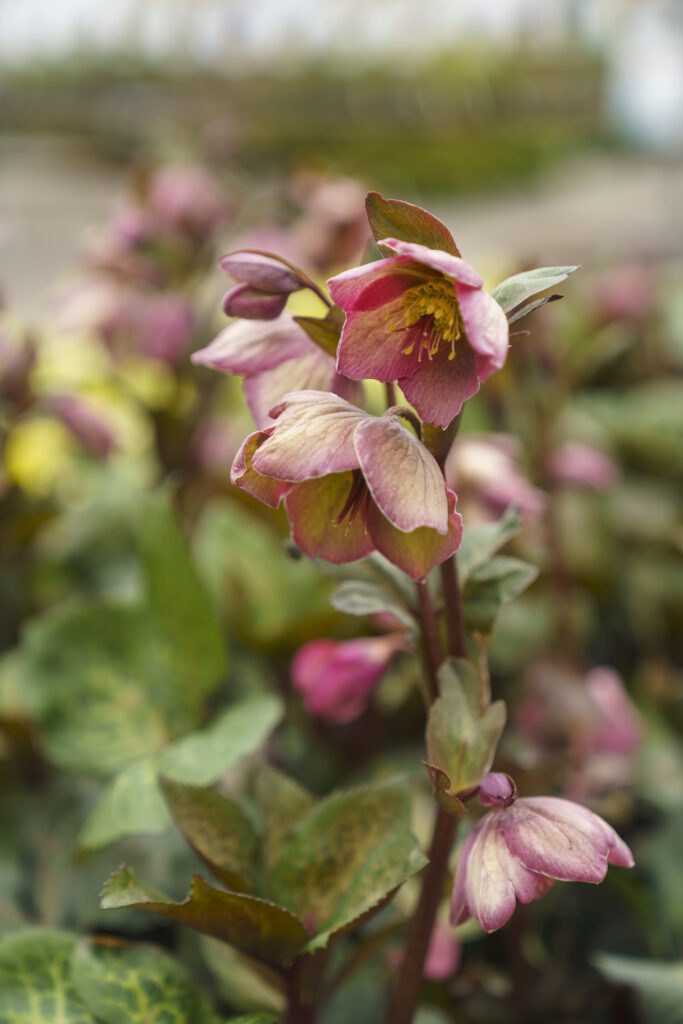
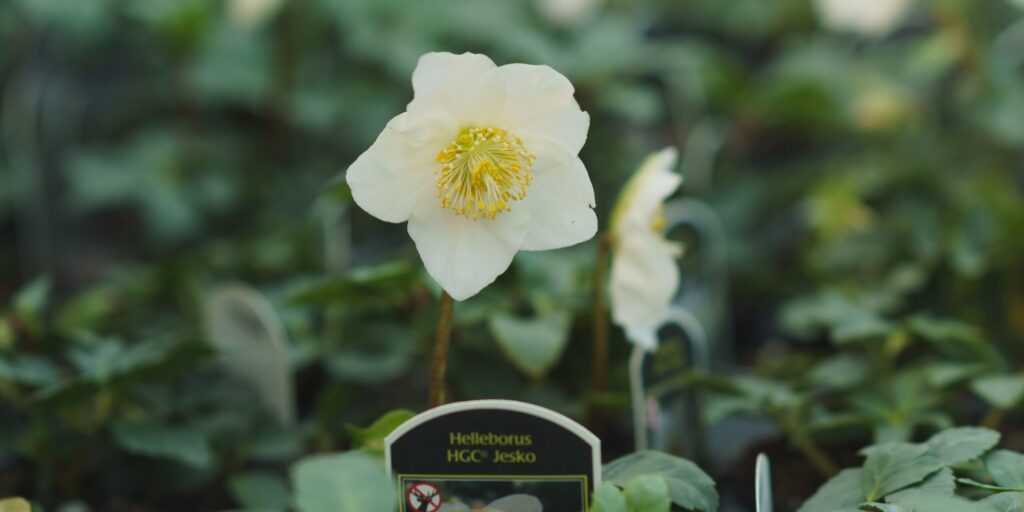
Hellebore Flower

Why Hellebores Are Spring's Best Kept Secret

Hellebores are treasured for their early bloom time, low maintenance, and incredible cold tolerance. Unlike many perennials that wait for the warmth of late spring, hellebores start flowering in late winter and continue well into early spring. This makes them an invaluable source of early-season nectar for pollinators emerging after winter dormancy.

But beyond their timing, hellebores also offer:

  • Long-lasting blooms: Their flowers can persist for weeks, fading to soft green tones that remain attractive well into summer.
  • Deer and rabbit resistance: Unlike many early bloomers, hellebores are naturally unappealing to hungry wildlife.
  • Shade tolerance: These plants thrive in dappled shade, making them perfect for woodland gardens, under trees, or alongside other early bloomers like snowdrops and crocuses
Lantern Rose
Helleborus orientalis (Lenten Rose)

Varieties to Consider

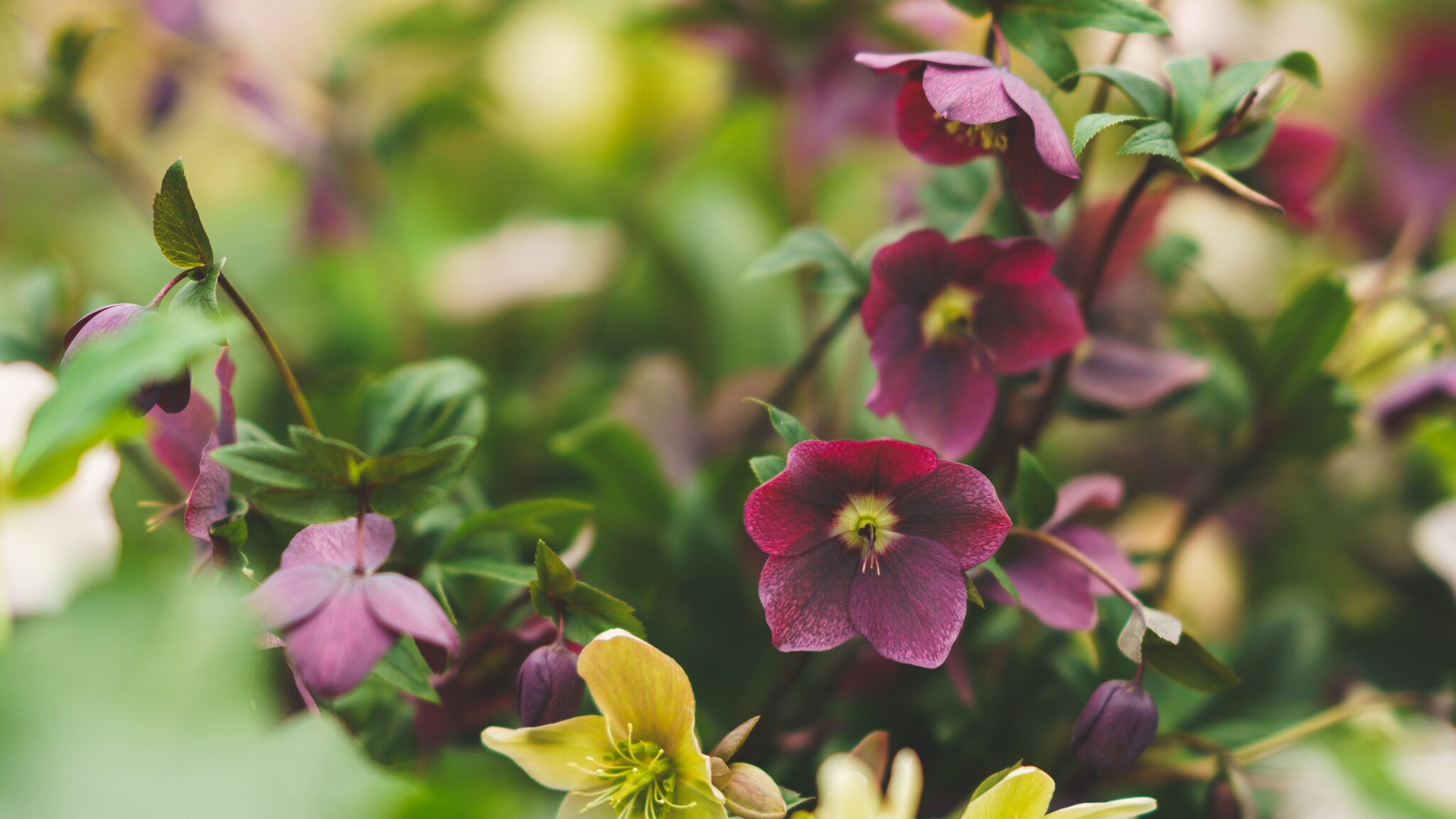
Hellebores come in a stunning array of colors, from soft pastels to deep, dramatic hues. Some of the most popular varieties include:

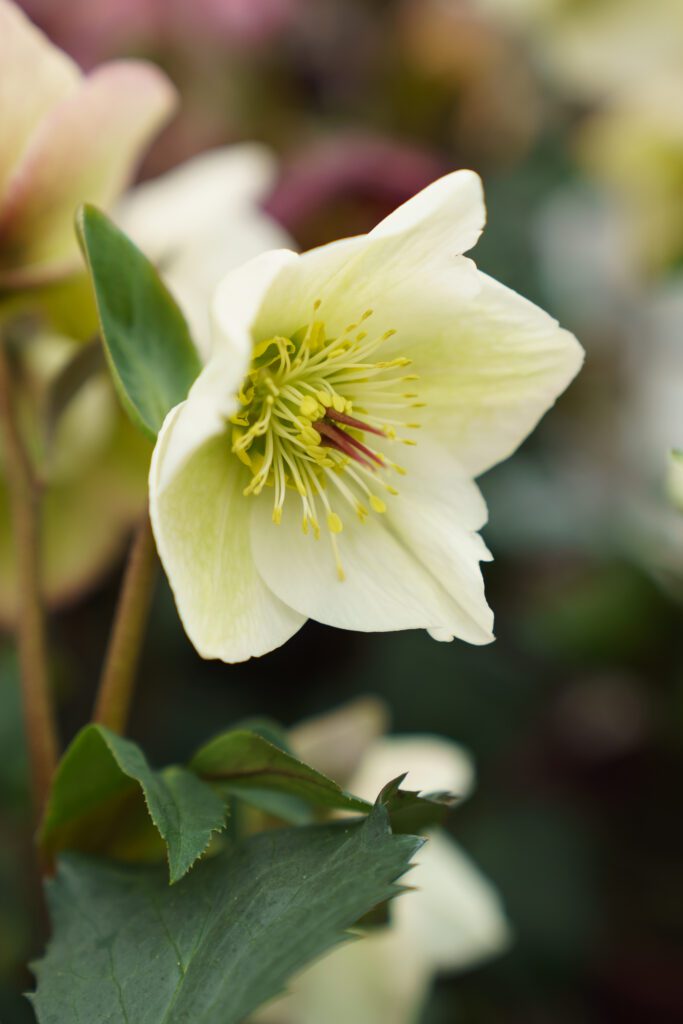
  • Helleborus niger (Christmas Rose) – One of the earliest bloomers, with pure white flowers that can appear as early as late December in milder climates.
  • Helleborus orientalis (Lenten Rose) – The most commonly grown hellebore, available in a wide range of colors including pink, purple, yellow, and speckled varieties.
  • Helleborus foetidus (Stinking Hellebore) – Don’t let the name fool you! This variety boasts striking, deeply cut foliage and lime-green flowers that add a unique touch to the garden.
Hellebore Frostkiss
Hellebor Frostkiss

Growing and Caring for Hellebores

Hellebores are incredibly easy to grow, provided they have the right conditions:

  • Light: Partial to full shade is ideal, though they can tolerate morning sun.
  • Soil: Well-draining, rich in organic matter, and slightly alkaline soil will keep them happy.
  • Water: Hellebores prefer consistent moisture, but once established, they are quite drought tolerant.
  • Pruning: In late winter or early spring, remove old or damaged leaves to make way for fresh growth and showcase the flowers.
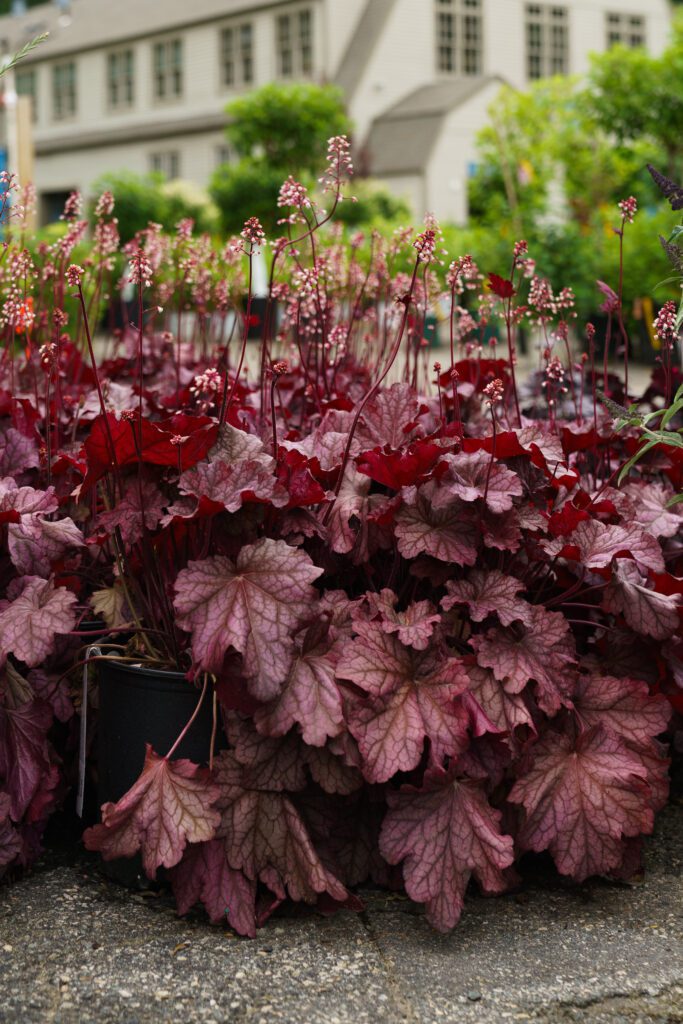
Heuchera

Companion Planting with Hellebores

Hellebores pair beautifully with other early bloomers and shade-loving plants. Consider planting them alongside:

  • Snowdrops and crocuses for a woodland-inspired spring display.
  • Ferns and hostas for a season-long textural contrast.
  • Heuchera and pulmonaria for a mix of color and foliage interest.

A Spring Essential for Every Garden

Whether tucked under trees, nestled in a shaded border, or planted in a container by the doorstep, hellebores bring an early splash of beauty that few other perennials can match. Their hardy nature, stunning flowers, and ability to thrive in challenging conditions make them an essential addition to any spring garden.

Looking for hellebores to bring early color to your landscape? Visit any of our 7 locations to explore our selection of these harbingers of spring!

FAQ

What are hellebores and why are they called harbingers of spring?

Hellebores are early-blooming perennial plants that often flower in late winter or early spring, sometimes even through snow. They are called harbingers of spring because they are among the first plants to signal the season’s arrival.

When do hellebores bloom?

Hellebores typically bloom from late winter into early spring. Their flowers can last for several weeks and often remain attractive as they fade into soft green tones.

Where do hellebores grow best?

Hellebores grow best in partial to full shade with well-draining, organic-rich soil. They are ideal for woodland gardens, shaded borders, and planting under trees.

Are hellebores easy to care for?

Yes, hellebores are low-maintenance plants. They require consistent moisture when establishing, minimal pruning, and thrive in shaded areas with little ongoing effort.

Do hellebores attract or resist wildlife?

Hellebores are naturally resistant to deer and rabbits, making them a good choice for gardens where wildlife browsing is a concern. They also provide early nectar for pollinators emerging in spring.