
The past few summers in New England have been tough on landscapes. Long stretches of high heat, intense sun, humidity, and inconsistent rainfall have stressed even mature trees and shrubs. Newly planted material can struggle even more, especially if it’s relying only on sprinkler systems or occasional rain showers.
The good news? A few simple practices can make a huge difference in helping your plants stay healthy, hydrated, and resilient through summer heat waves.
Why Are Trees & Shrubs Struggling More During Summer?
Heat stress happens when plants lose moisture faster than they can absorb it through their roots. During stretches of high temperatures and humidity, plants work overtime just to stay hydrated and cool themselves.
Symptoms of heat stress can include:
- Wilting leaves
- Browning or crispy edges
- Yellowing foliage
- Dropping leaves prematurely
- Sunscald or burned foliage
- Slowed growth
- Branch dieback
And while newly planted trees and shrubs are especially vulnerable, established plants are not immune. Even large, mature shrubs and trees can suffer during prolonged periods of heat and drought stress.
Do Newly Planted Trees & Shrubs Need Extra Water?
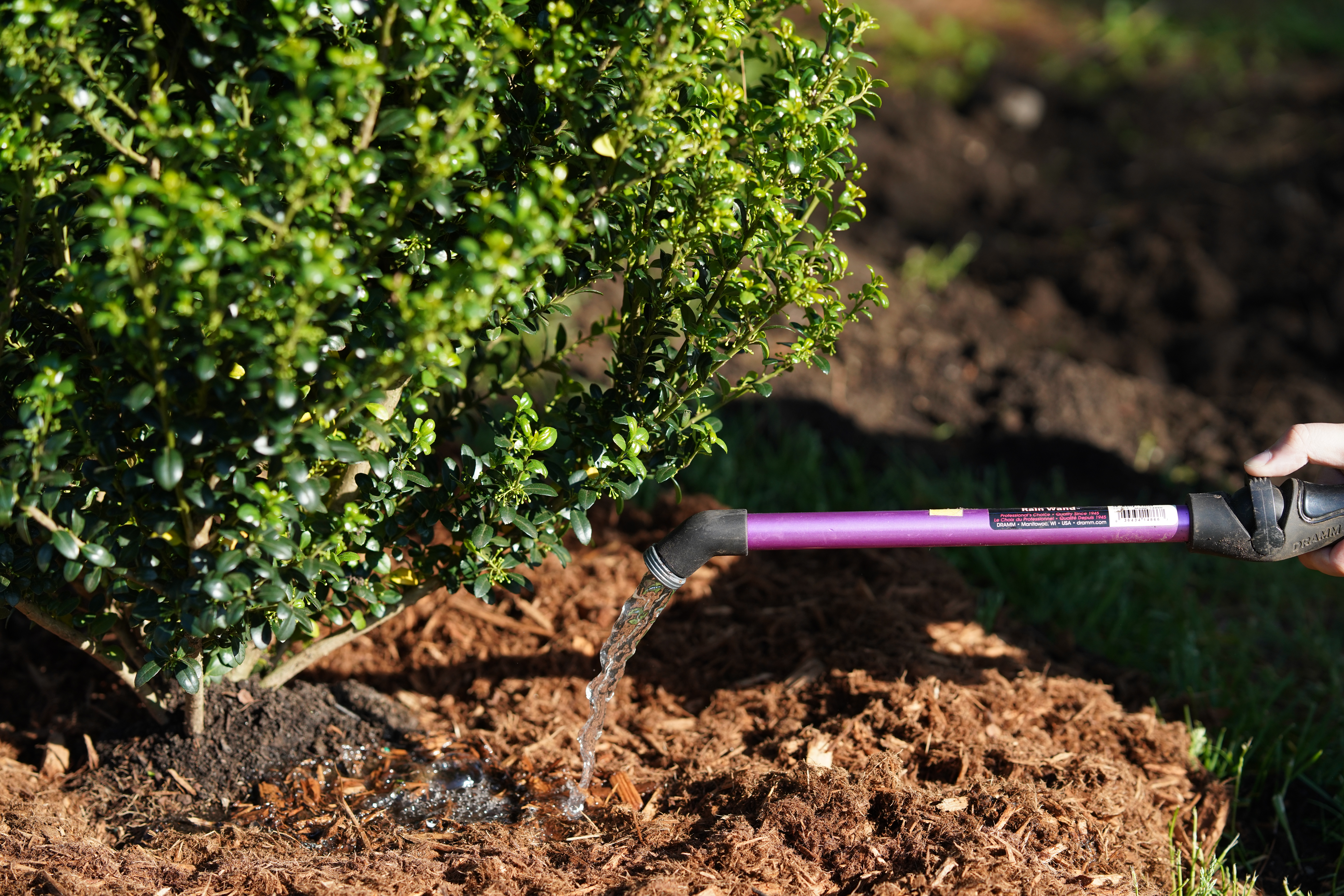
Absolutely. Newly planted trees and shrubs should always be hand watered during hot weather, even if you have an irrigation system.
Freshly planted roots are still settling into the surrounding soil and simply cannot pull moisture from a wide area yet. They rely heavily on consistent, deep watering while they establish.
One of the biggest mistakes people make is assuming a sprinkler system is providing enough water. In many cases, it’s only wetting the surface of the soil while the root ball underneath remains dry.
Things to keep in mind:
- New trees and shrubs may need deep watering several times a week during extreme heat
- Smaller shrubs dry out faster than large trees
- Plants in sandy or fast-draining soil dry out more quickly
- Windy conditions increase moisture loss dramatically
Check out our watering guide for newly planted trees and shrubs here (on page 2)!
Why Shouldn’t Trees & Shrubs Be Watered with Sprinklers?
Sprinklers are great for lawns, but they’re not the best way to water trees and shrubs.
We often explain it this way: If you were thirsty and stood outside in the rain with your mouth open, how long would it take to actually quench your thirst? That’s similar to what happens with sprinkler watering. A lot of the water lands on leaves instead of soaking deeply into the root zone where plants actually need it.
Overhead watering can also:
- Encourage fungal disease
- Increase mildew issues
- Waste water through evaporation
- Leave roots shallow and dependent on surface moisture
- Potentially scorch foliage during intense heat and sun
Instead, focus on deep root watering.
What’s the Best Way to Water Trees & Shrubs in Summer?
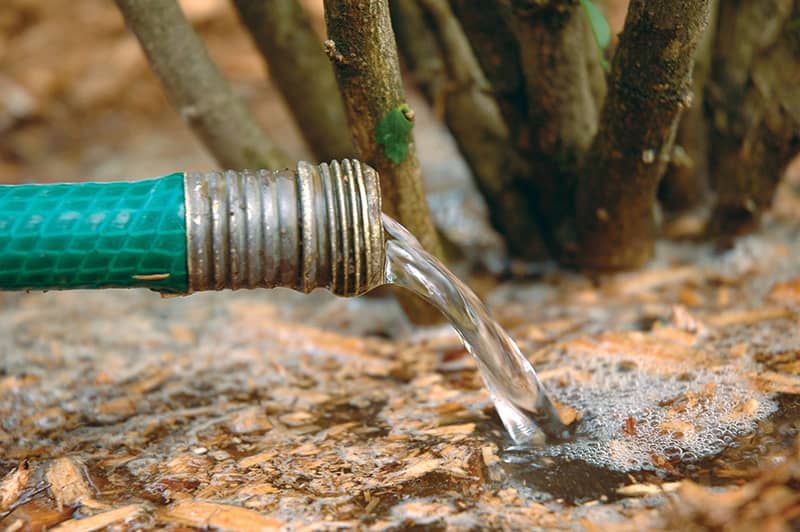
Slow, deep watering is the goal.
Here are some of the best methods:
- Hand watering with a hose at the base of the plant
- Using a watering wand or slow trickle hose
- Letting a hose gently run near the root zone for 15–30 minutes
- Using drip irrigation or soaker hoses
Water should soak deeply into the soil, encouraging roots to grow downward where moisture remains more stable.
Quick, shallow watering often creates weak surface roots that dry out quickly during heat waves.
Should You Water Every Day During a Heat Wave?
Not necessarily.
Deep watering less frequently is usually far better than shallow daily watering. The goal is to thoroughly saturate the root zone and then allow oxygen back into the soil between waterings.
However, during stretches of extreme heat, newly planted material may still require more frequent attention.
The best thing you can do is check the soil yourself:
- Dig a few inches down near the root ball
- If the soil feels dry several inches below the surface, it’s time to water
- If it still feels cool and moist, you can likely wait
Can Mulch Help Protect Trees & Shrubs?
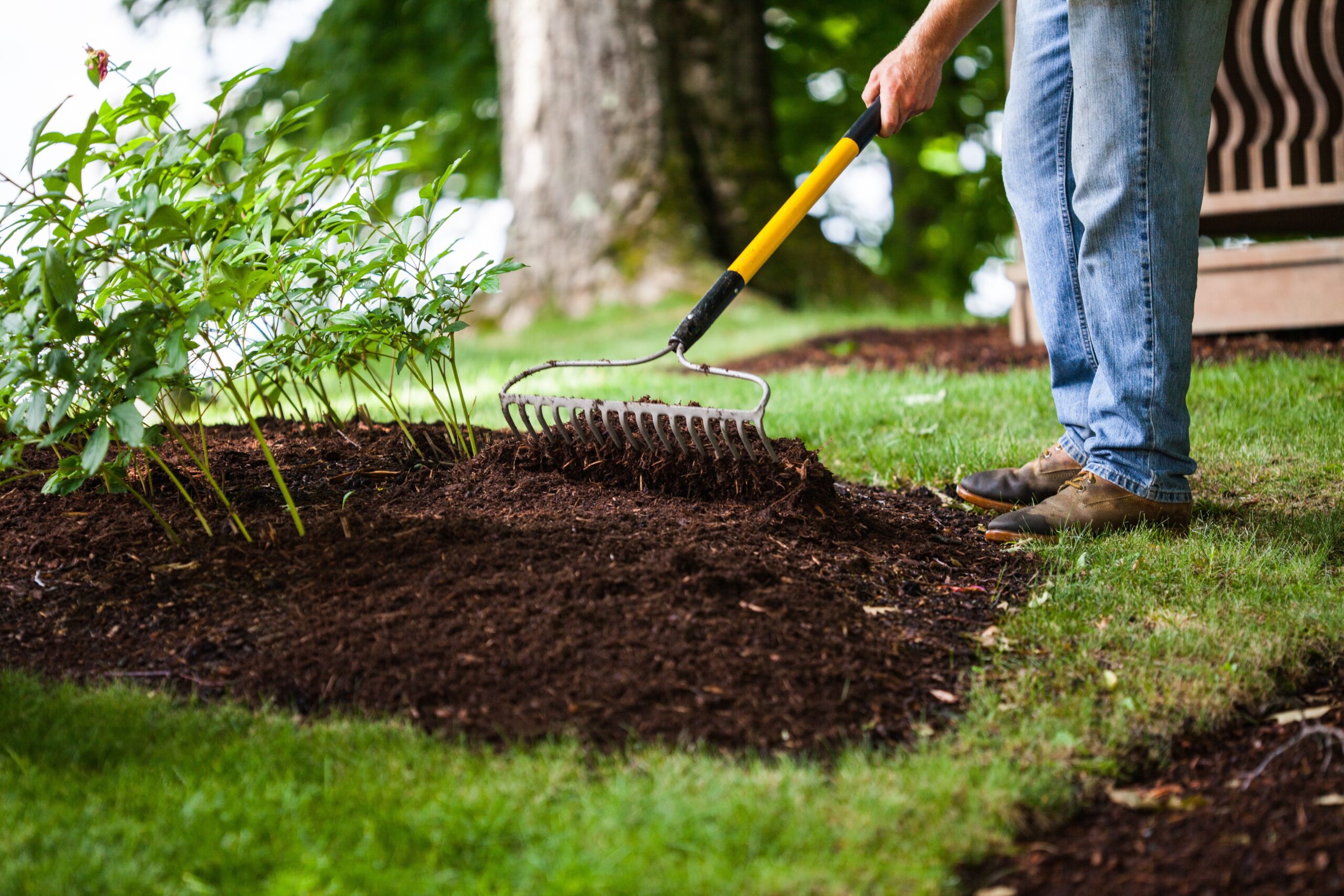
Absolutely. Mulch is one of the best defenses against summer stress.
A proper layer of mulch helps:
- Keep soil cooler
- Retain moisture
- Reduce evaporation
- Prevent temperature swings
- Suppress weeds that compete for water
Aim for about 2–3 inches of mulch around trees and shrubs, but avoid piling mulch directly against trunks or stems. “Mulch volcanoes” can trap moisture against bark and lead to rot or pest problems. You can find best mulch practices in our planting guide!
You can order mulch in bulk or by the bag! Need help figuring out how much you need? Check out our soil and mulch calculator!
Can Fertilizers & Supplements Help Plants Handle Heat?
 Yes — but summer is not the time for heavy feeding that pushes lots of tender new growth.
Instead, focus on gentle support products designed to help plants stay healthy during stress.
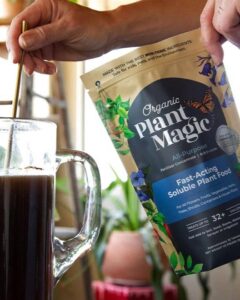
One great option is Organic Plant Magic, which helps support root health, microbial activity, and overall plant vigor. Products like this can help trees and shrubs better tolerate environmental stress by improving soil biology and nutrient availability without forcing excessive growth.
Healthy roots are the key to helping plants withstand difficult weather.
Should You Prune Trees & Shrubs During Extreme Heat?
Avoid heavy pruning during periods of intense heat whenever possible.
Pruning encourages new growth, and tender new foliage is especially vulnerable to sun scorch and drought stress.
Removing too much foliage can also reduce the plant’s natural ability to shade and cool itself.
Instead:
- Remove only dead or damaged branches during heat waves
- Save major pruning for cooler weather when possible.
What Else Helps Trees & Shrubs Through Summer Stress?
A few additional tips can make a big difference:
- Avoid Planting During Extreme Heat: If possible, wait for cooler stretches of weather before planting large trees and shrubs.
- Water Early in the Morning: Morning watering allows moisture to soak in before the hottest part of the day and reduces evaporation.
- Watch Container Shrubs Closely: Plants in decorative pots dry out much faster than plants in the ground.
- Don’t Rely on Rainfall Totals Alone: A quick thunderstorm may barely wet the soil beneath dense shrubs or tree canopies.
- Be Patient with Heat Stress: Some plants may look rough during extreme weather but recover beautifully once temperatures moderate.
Final Thoughts: Healthy Roots Make Resilient Plants
The biggest key to helping trees and shrubs survive New England summers is supporting healthy, deep root systems. Proper watering, mulch, and gentle plant support products can make an enormous difference during stretches of heat and humidity.
And remember: even established plants may need extra help during prolonged hot weather.
If you have questions about watering, mulch, plant stress, or summer care, stop by your local Mahoney’s Garden Center. Our team is always happy to help you troubleshoot problems, recommend products, and keep your landscape looking its best all season long.