Categories

Perennial Herbs to Plant in the Fall

herb garden

When you think about fall planting, herbs might not be the first thing that comes to mind. But fall can be a great time to add perennial herbs to the garden. The soil is still warm, the days are getting cooler, and newly planted herbs have time to begin establishing roots without the stress of summer heat.

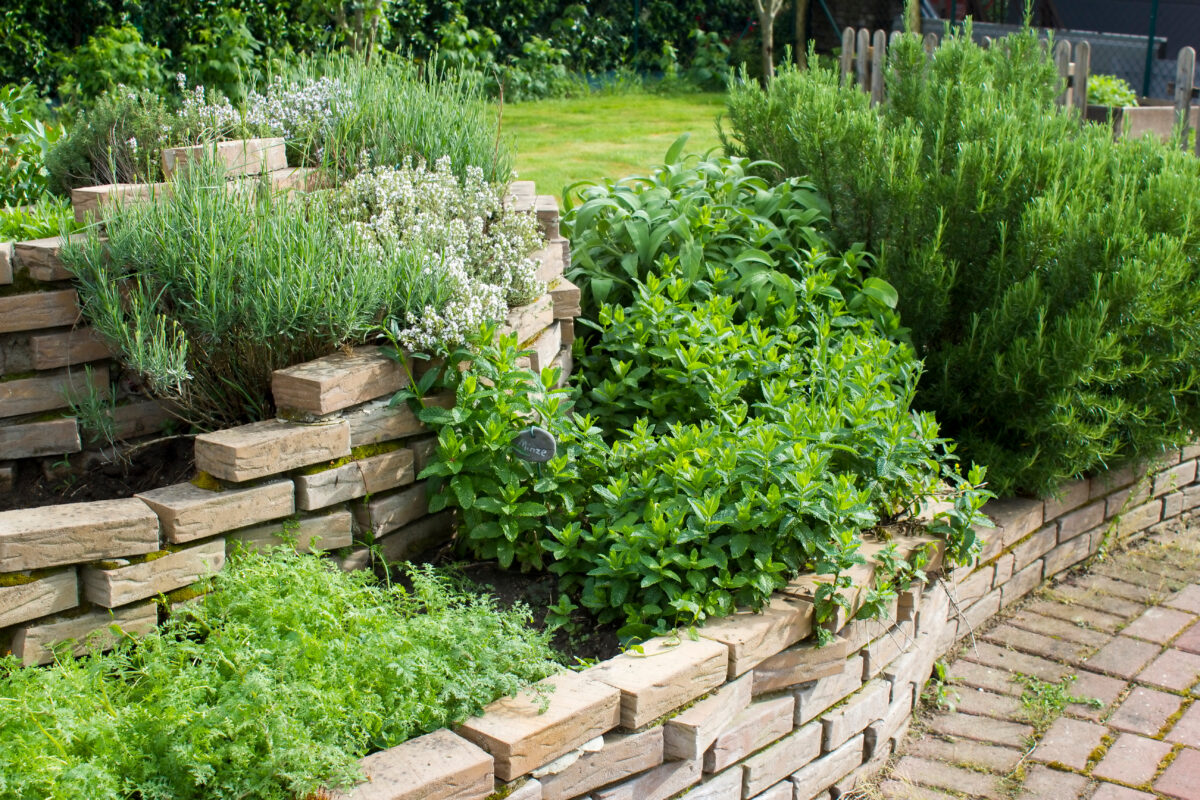
Unlike annual herbs such as basil and dill, perennial herbs can return year after year when they’re planted in the right conditions and are hardy for your garden. Plant them near the kitchen for easy harvesting, tuck them into perennial beds, or create a dedicated herb garden you’ll be able to enjoy for seasons to come.

Here are some perennial herbs to consider planting this fall.

catnip perennial herbs

Catnip

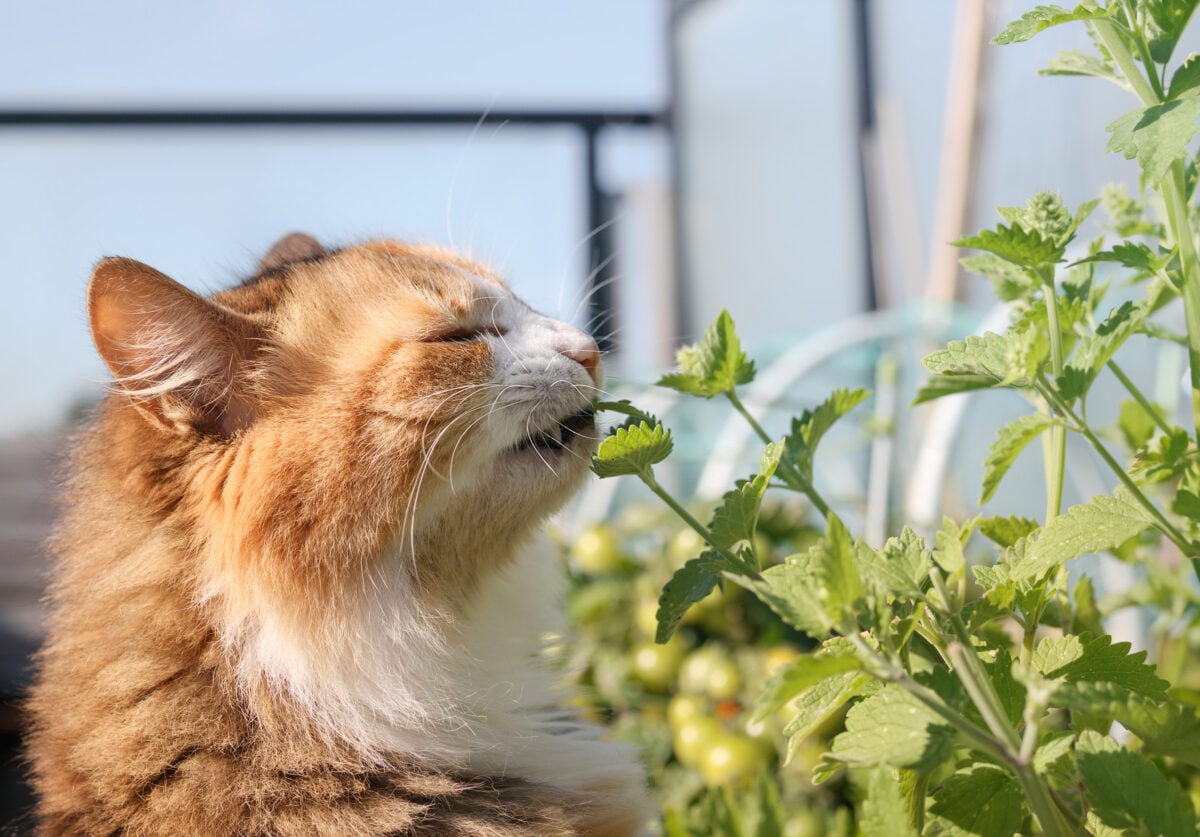
Catnip isn’t just for cats! This hardy member of the mint family produces aromatic foliage and small flowers that can attract pollinators to the garden. Give it a sunny location with well-drained soil. Like many members of the mint family, catnip can spread, so give it some room or grow it where its growth will be easy to manage.

chives

Chives

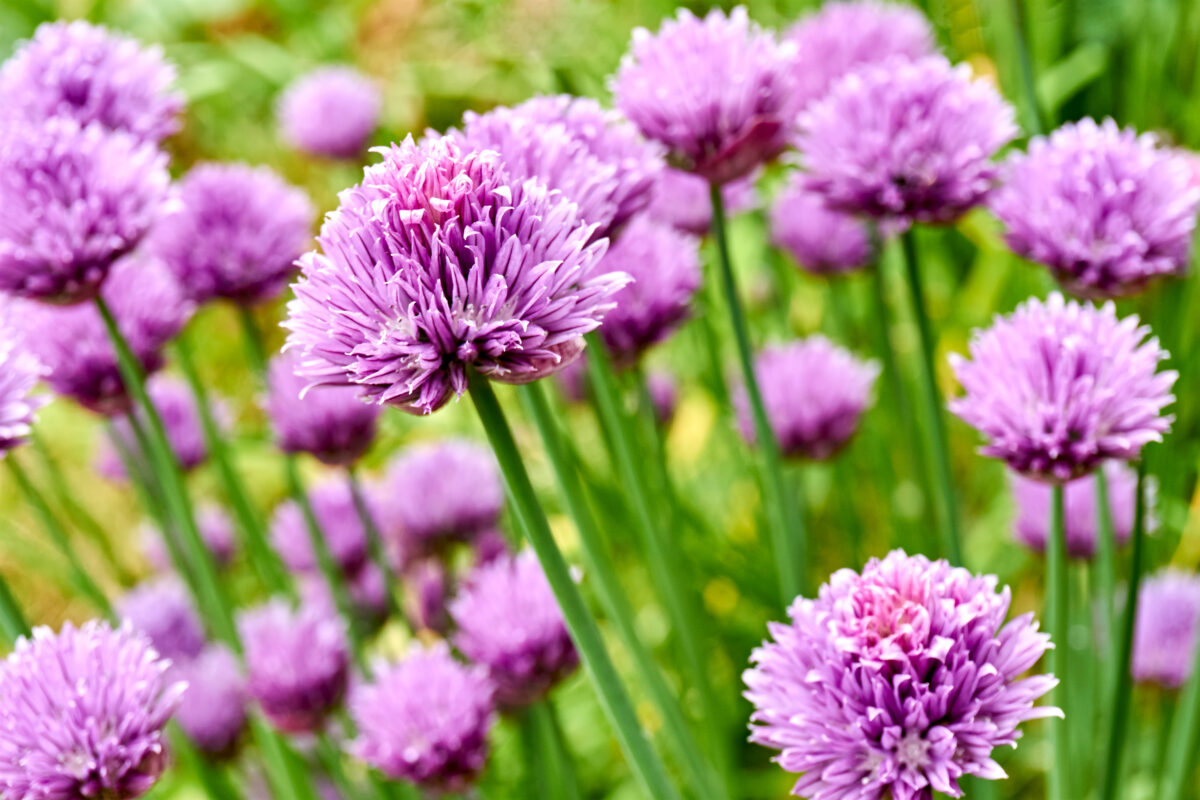
Chives are one of the easiest perennial herbs to grow. Their slender leaves have a mild onion flavor that’s useful in everything from eggs and potatoes to soups and salads. In spring, established plants also produce round purple flowers that are edible and attractive to pollinators.

Chives grow best in sun and well-drained soil, although they can tolerate some light shade. Once established, clumps will gradually increase in size and can be divided every few years.

Lavandula angustifolia perennial herbs

English Lavender

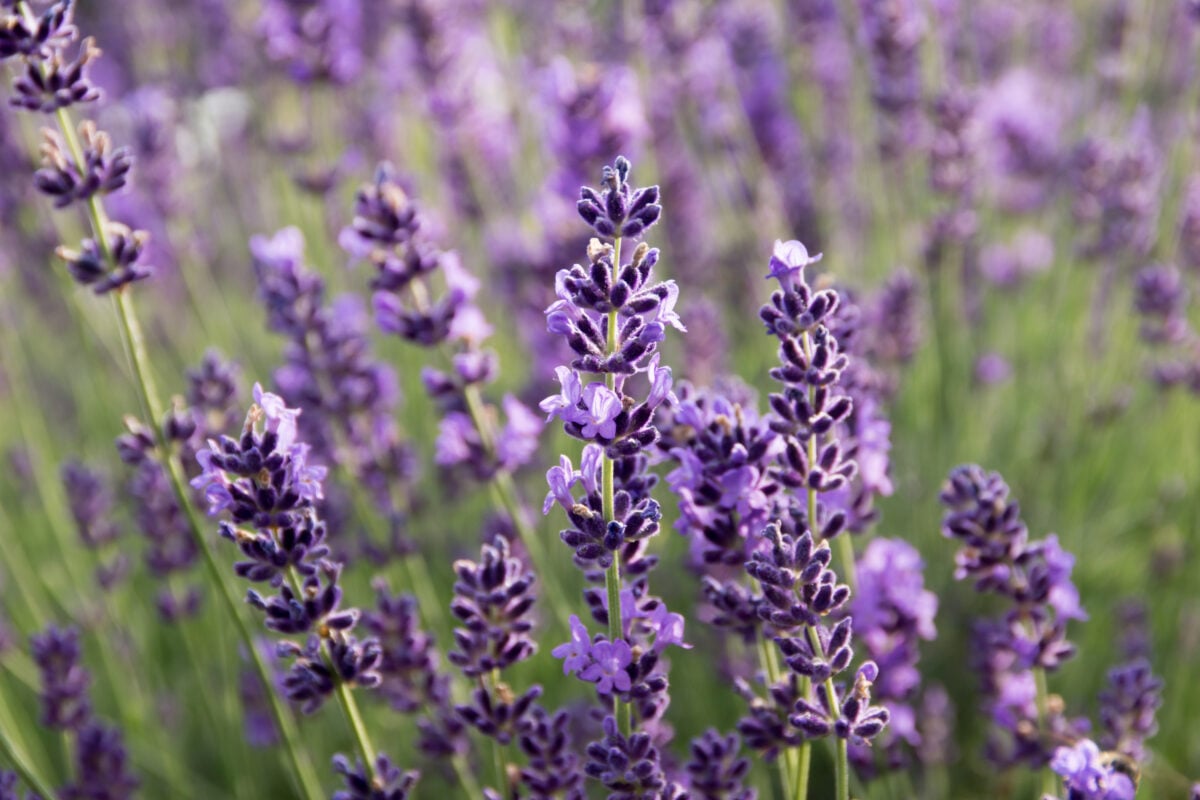
English lavender (Lavandula angustifolia) combines fragrant foliage and flowers with plenty of ornamental value. Plant it in full sun and, most importantly, give it excellent drainage. Lavender does not like sitting in wet soil, particularly during the winter.

Hardiness can vary by variety, so choose an English lavender suited to your growing zone. A protected location with good air circulation and well-drained soil will give it the best chance of returning successfully.  Check out this blog for more info on growing lavender in New England!

lemon balm perennial herbs

Lemon Balm

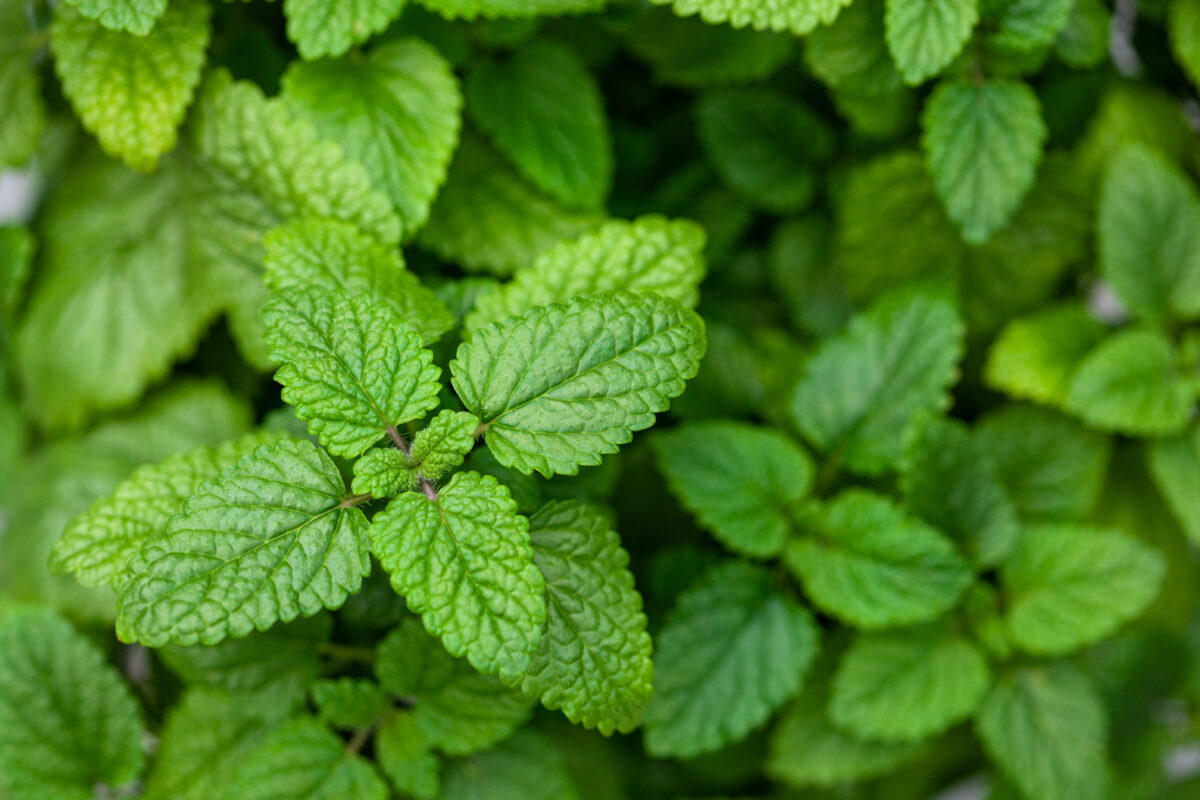
With bright green leaves and a fresh lemony fragrance, lemon balm is an easy addition to an herb garden. The leaves can be used fresh in teas, drinks and recipes, and the flowers are also visited by pollinators.

Lemon balm is a member of the mint family and can spread readily once it’s happy. Regular harvesting can help keep plants full and manageable, or it can be grown in a container if you’d prefer to limit its spread.

mint perennial herb

Mint

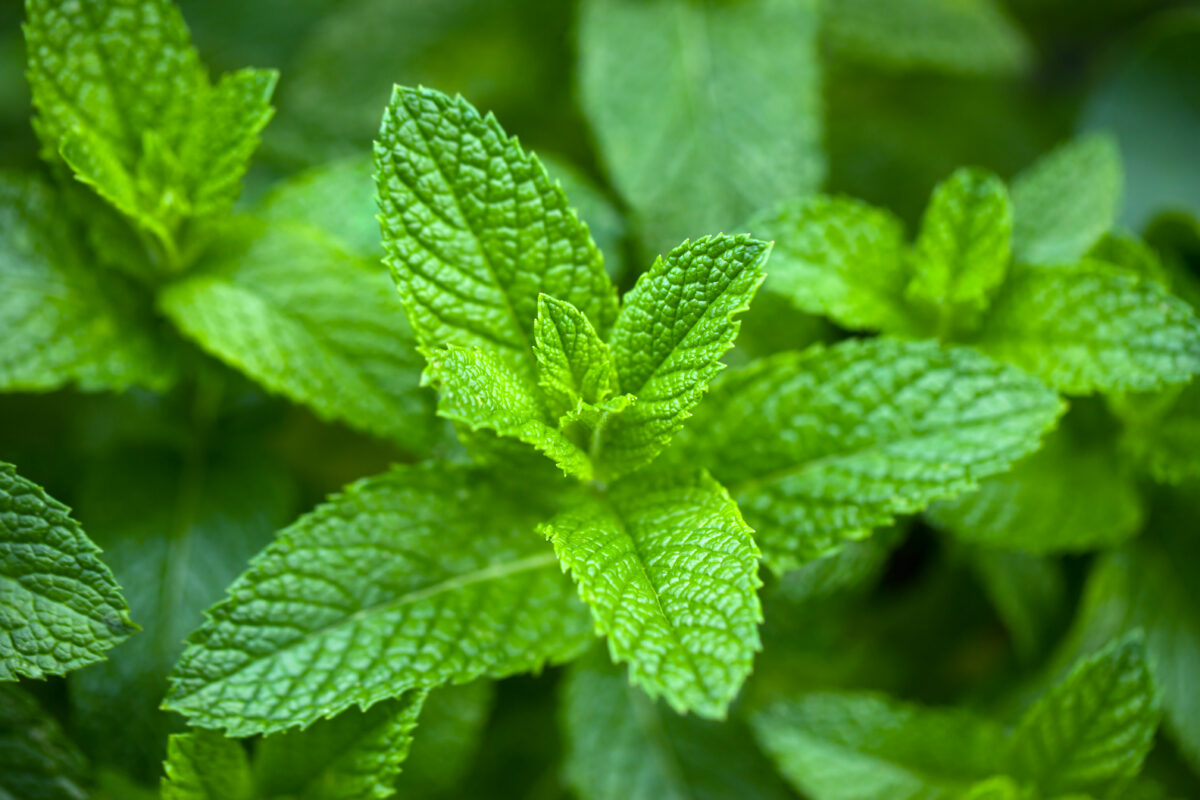
Peppermint, spearmint and other perennial mints are vigorous, dependable herbs that can return year after year. Their fresh leaves are useful for tea, drinks, desserts, salads and plenty of other recipes.

The same vigorous growth that makes mint easy to grow can also make it a little too successful in a garden bed. Consider planting mint in a container to keep its spreading roots contained. Mint can tolerate some partial shade and prefers soil that doesn’t dry out excessively.

oregano perennial herbs

Oregano

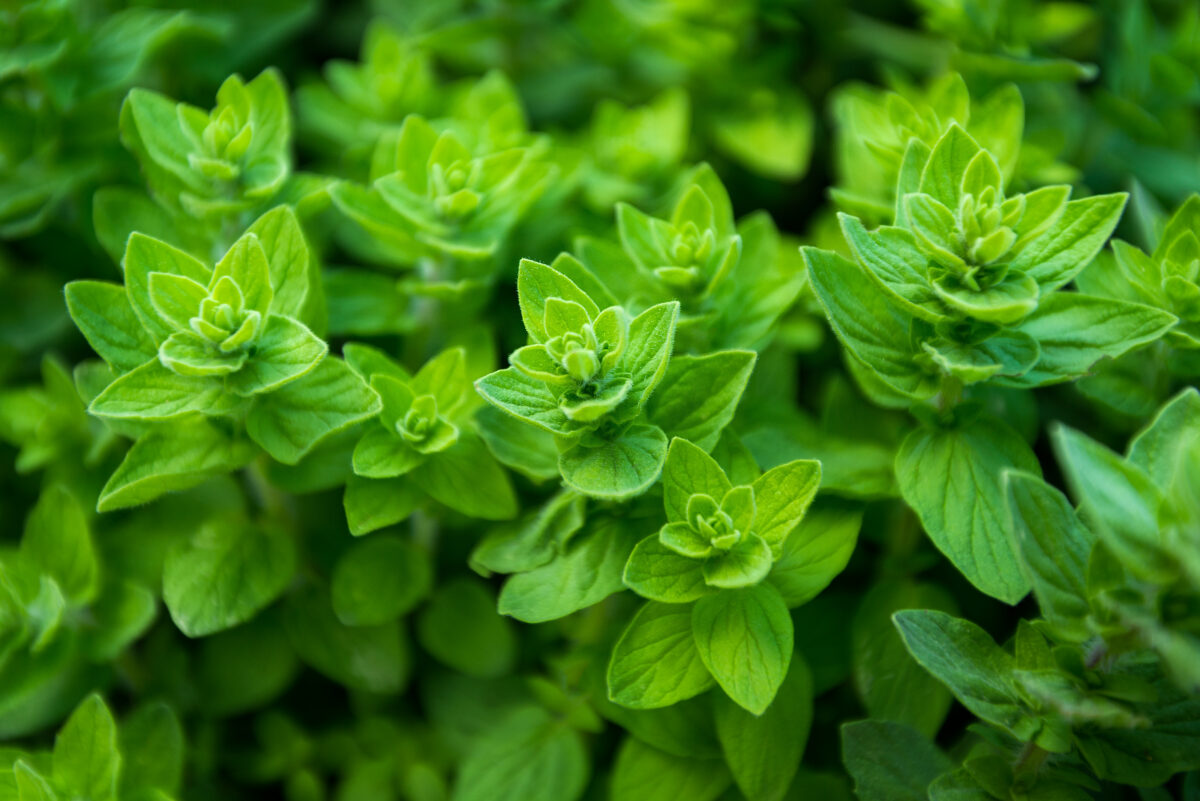
Oregano is a kitchen-garden staple and a great choice for a sunny, well-drained spot. Once established, it requires relatively little care and can provide plenty of flavorful leaves for cooking.

Different species and varieties can vary in hardiness, so check the variety you’re planting. Harvesting stems regularly during the growing season helps keep the plant compact and encourages fresh growth.

Sage

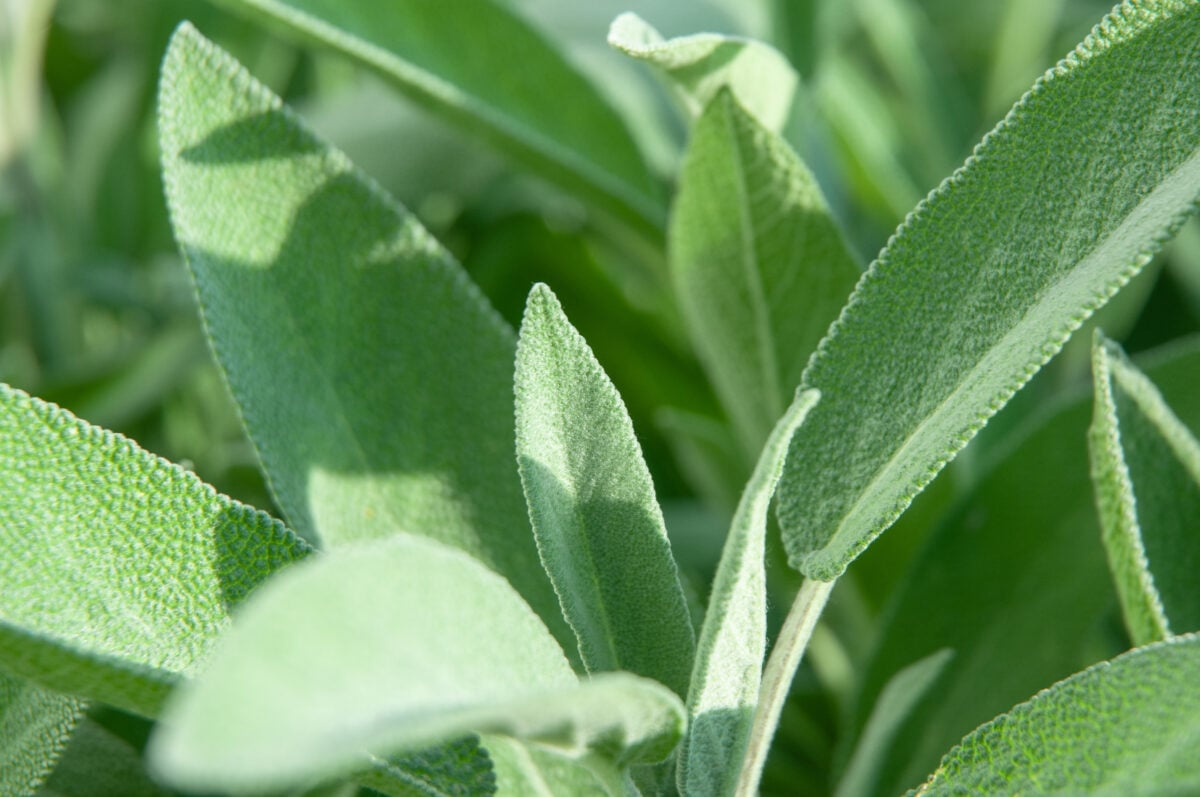
Common culinary sage (Salvia officinalis) is a woody perennial with fragrant, gray-green leaves and a strong, earthy flavor. It’s a natural fit for a fall herb garden—especially with Thanksgiving cooking around the corner.

Plant sage in full sun and well-drained soil. Good drainage becomes particularly important during the winter months. Once established, avoid cutting heavily into old woody growth; lighter pruning helps maintain a full, attractive plant.

Tarragon

Tarragon brings a distinctive, slightly anise-like flavor to the kitchen and pairs especially well with chicken, fish, vegetables and sauces. French tarragon is especially prized for culinary use.

Give tarragon plenty of sun and well-drained soil. It doesn’t appreciate wet winter conditions, so avoid low areas where water tends to collect.

thyme perennial herbs

Thyme

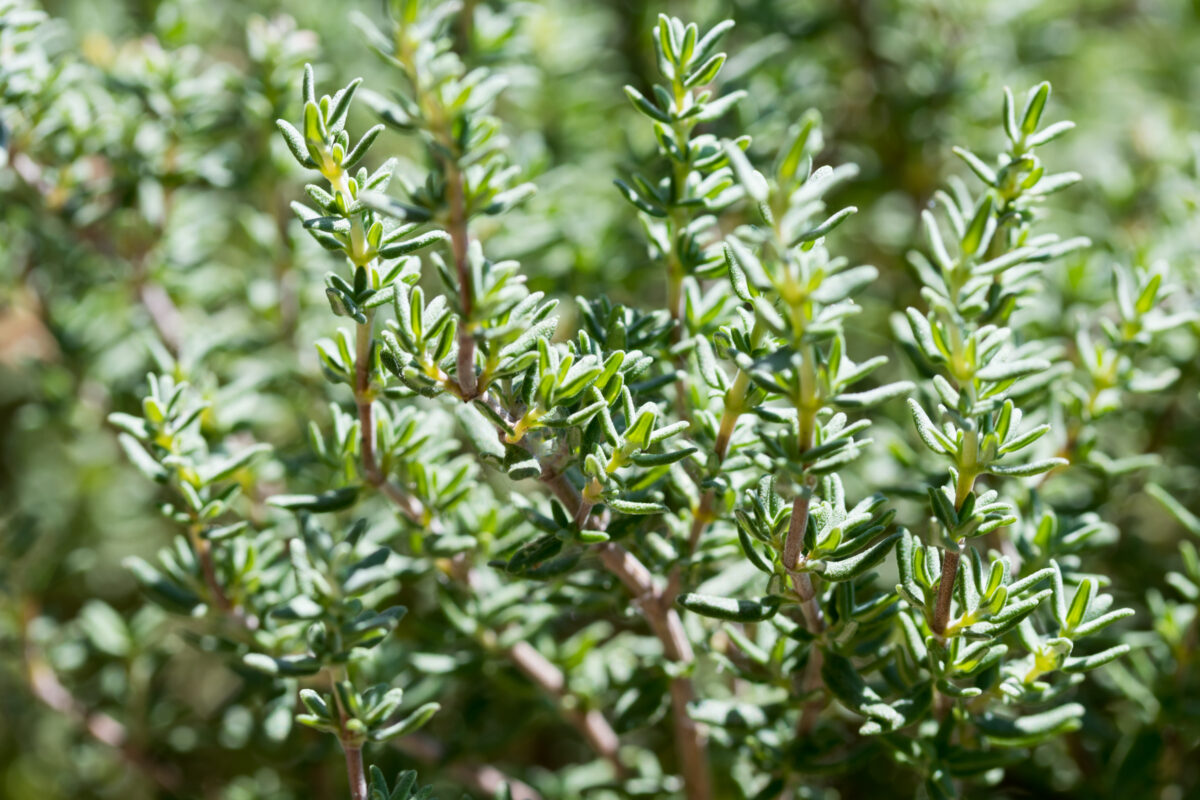
Thyme is a compact perennial herb that’s right at home along the edge of an herb garden, tucked between stones or grown in a container. Culinary varieties offer small, aromatic leaves that can be harvested fresh throughout the growing season.

Thyme prefers full sun and excellent drainage. Like lavender and sage, it generally handles leaner, drier conditions better than constantly wet soil. Hardiness varies among the many species and varieties of thyme, so choose one appropriate for your garden.

winter savory perennial herbs

Winter Savory

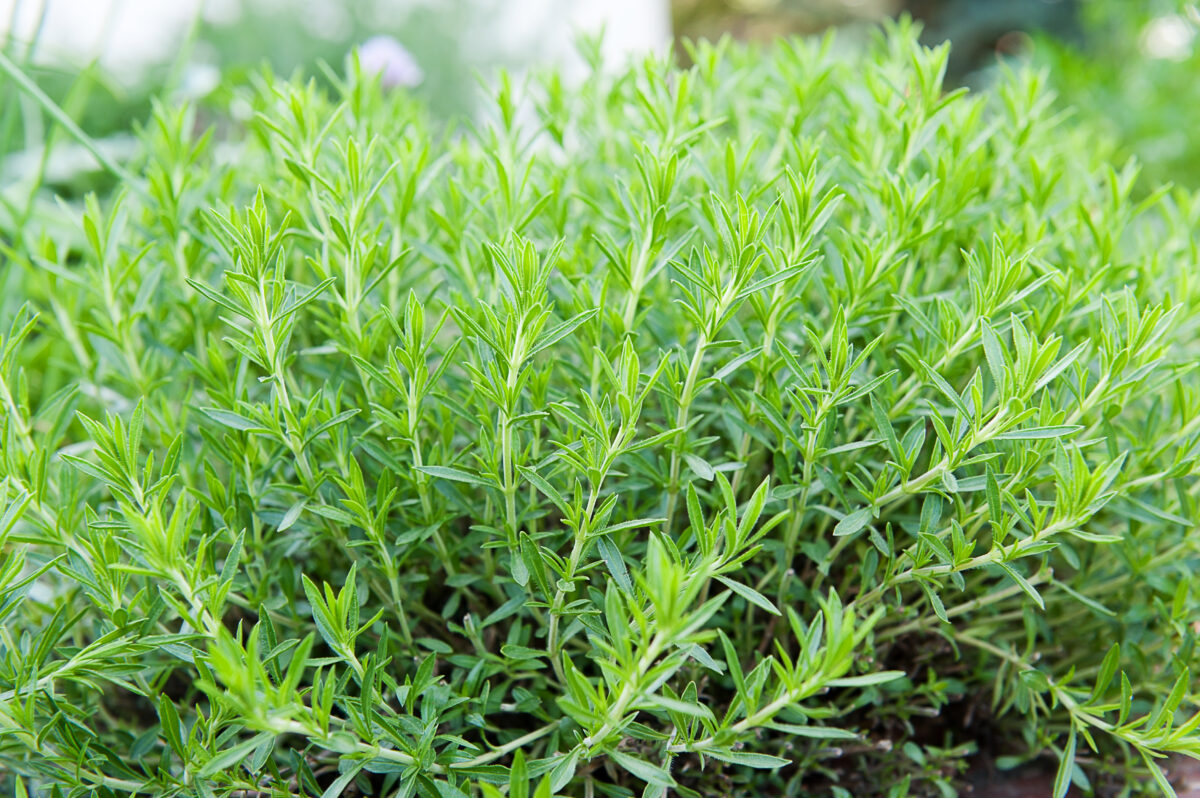
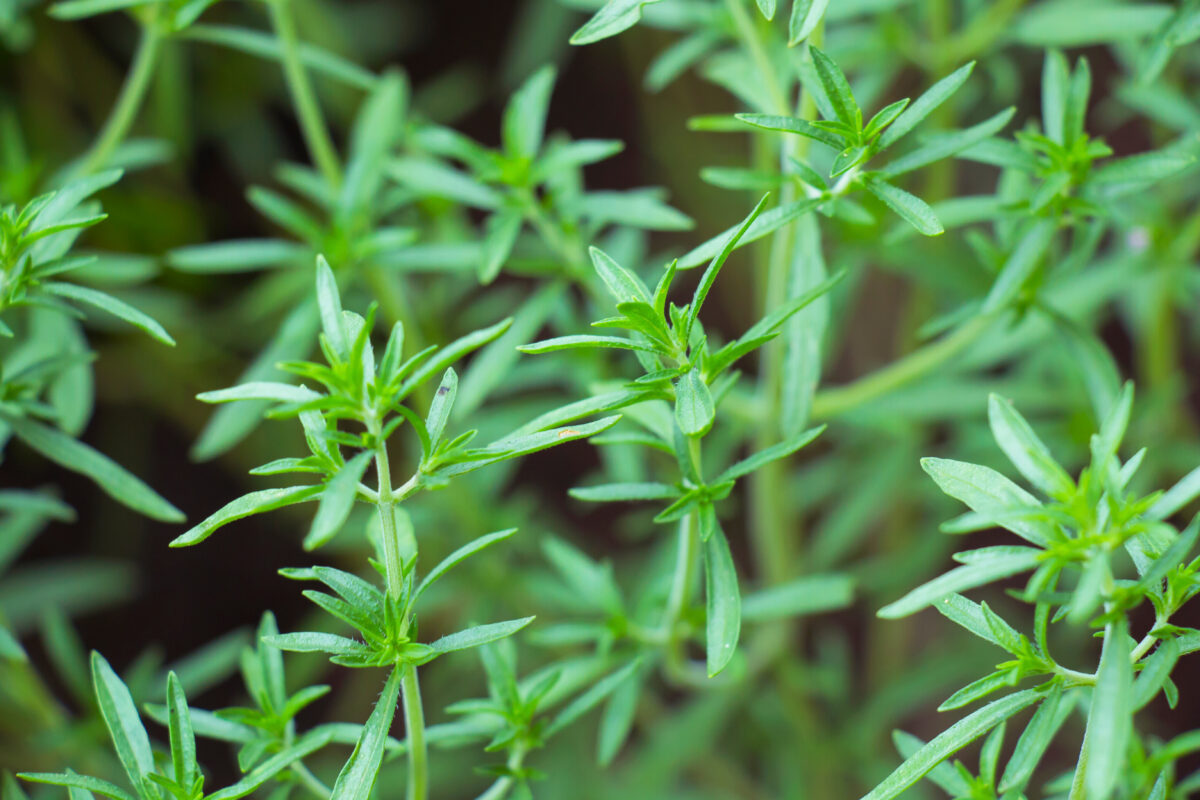
Less familiar than some of the herbs on this list, winter savory deserves a spot in more herb gardens. Unlike annual summer savory, winter savory is a perennial. Its small leaves have a peppery, savory flavor that works well with beans, meats, soups and roasted vegetables.

Plant it in full sun and well-drained soil. Its compact, shrubby habit also makes it an attractive addition to the front of an herb bed or sunny perennial garden.

Tips for Planting Perennial Herbs in Fall

Fall-planted herbs need a little time to establish before winter, so don’t wait until the ground is beginning to freeze. Plant while the soil is still workable and temperatures are relatively mild.

Choose the location carefully before planting. Many Mediterranean herbs—including lavender, oregano, sage, thyme and winter savory—perform best with plenty of sun and excellent drainage. Mint, lemon balm and chives can tolerate somewhat moister conditions.

Water newly planted herbs thoroughly and continue checking the soil through the fall. Cooler weather means plants may need water less frequently than they would in summer, but their roots shouldn’t be allowed to dry out while they’re becoming established.

Once cold weather settles in, a light layer of mulch can help moderate soil temperatures. Keep mulch away from the crowns and stems of plants, particularly herbs that are sensitive to excess moisture.

And remember: perennial doesn’t automatically mean winter-hardy everywhere. Always check the hardiness of the particular species or variety you’re planting and choose one suited to your growing zone.
Keep Your Fall Garden Growing

Perennial herbs are only one way to keep planting as summer winds down. Fall is also the season for cool-weather vegetables and herbs that can provide another round of fresh harvests before winter.

Ready to grow even more? Check out our Guide to Planting Cold Crops in the Fall for cold-tolerant vegetables and herbs to add to your fall garden. If you have any questions, feel free to ask our greenhouse staff at any of our 7 locations, and they’ll get you sorted!

A little planting now can mean fresh herbs next spring—and an herb garden that gets better with each growing season.