
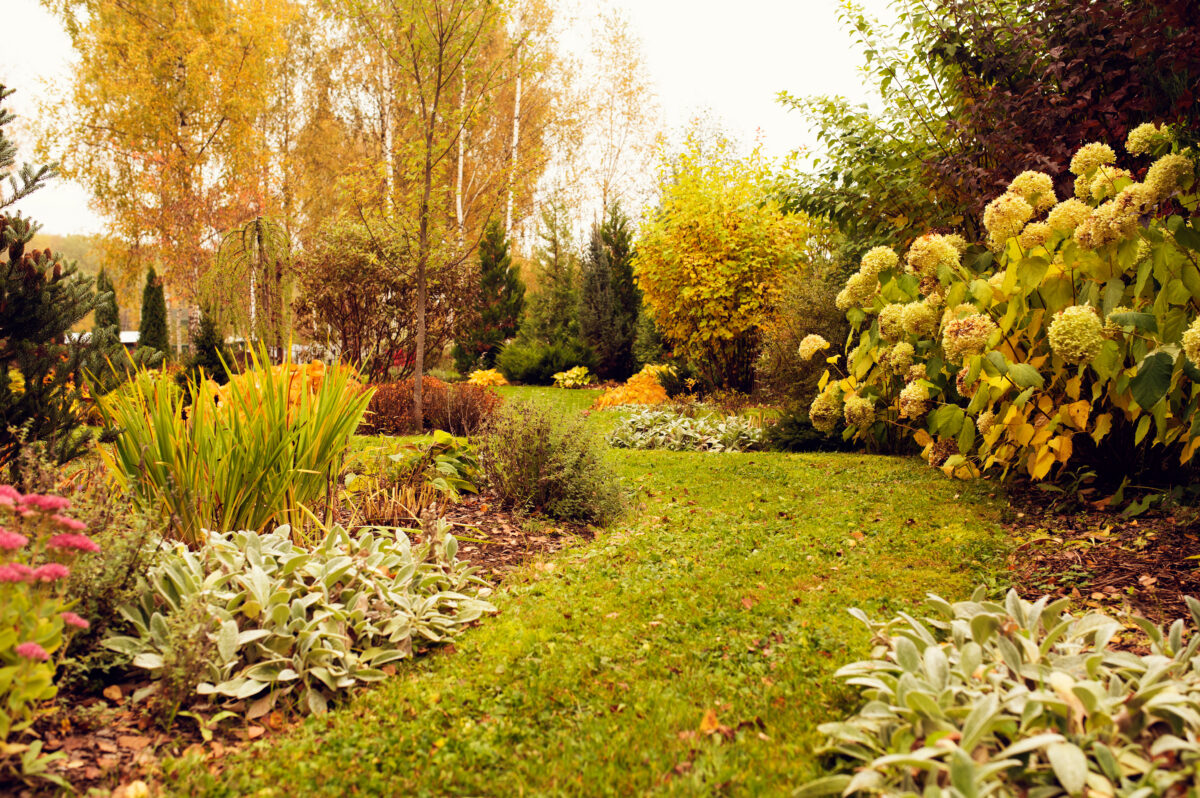
October may feel like the garden is starting to wind down, but there’s still plenty worth doing before winter settles in. This is a great time to walk through the landscape, clean up problem areas, protect vulnerable plants, and make a few preparations that can pay off next spring.
From keeping newly planted trees and shrubs watered to getting ahead of hungry deer, Uncle Mike has a few things to keep on your October garden checklist.
what should you clean up in the garden this fall?
October and November are great times to take a close look around the garden for damaged, diseased, or dead branches and plant material.
Remove diseased leaves and debris from garden beds, and rake affected leaves from the lawn so diseases have fewer places to overwinter. Healthy plant debris can be treated differently. Leaving some leaves and stems in garden beds — or gathering them into a designated area of the yard — can provide valuable winter habitat for beneficial insects.
When it comes to pruning, keep things light. It’s fine to remove branches that are dead, damaged, or diseased, but save heavier pruning for late winter or early spring while plants are dormant. Pruning too aggressively in fall can encourage tender new growth just as plants should be preparing for winter.
Uncle Mike’s Tip: Think cleanup, not a complete garden overhaul. Remove material that could cause problems, but don’t feel like every bed needs to be perfectly bare before winter.
should you still be watering trees and shrubs?
Yes! One of the most important fall tasks is continuing to water newly planted trees, shrubs, and perennials right up until the ground freezes.
Plants continue to rely on moisture even as temperatures cool, and going into winter well hydrated can make a big difference — particularly for evergreens, which continue losing moisture through their foliage during winter.
This is especially important during a dry fall. Plants that enter winter already moisture-stressed are more vulnerable to winter burn and other cold-weather damage.
how can you protect plants from winter damage?
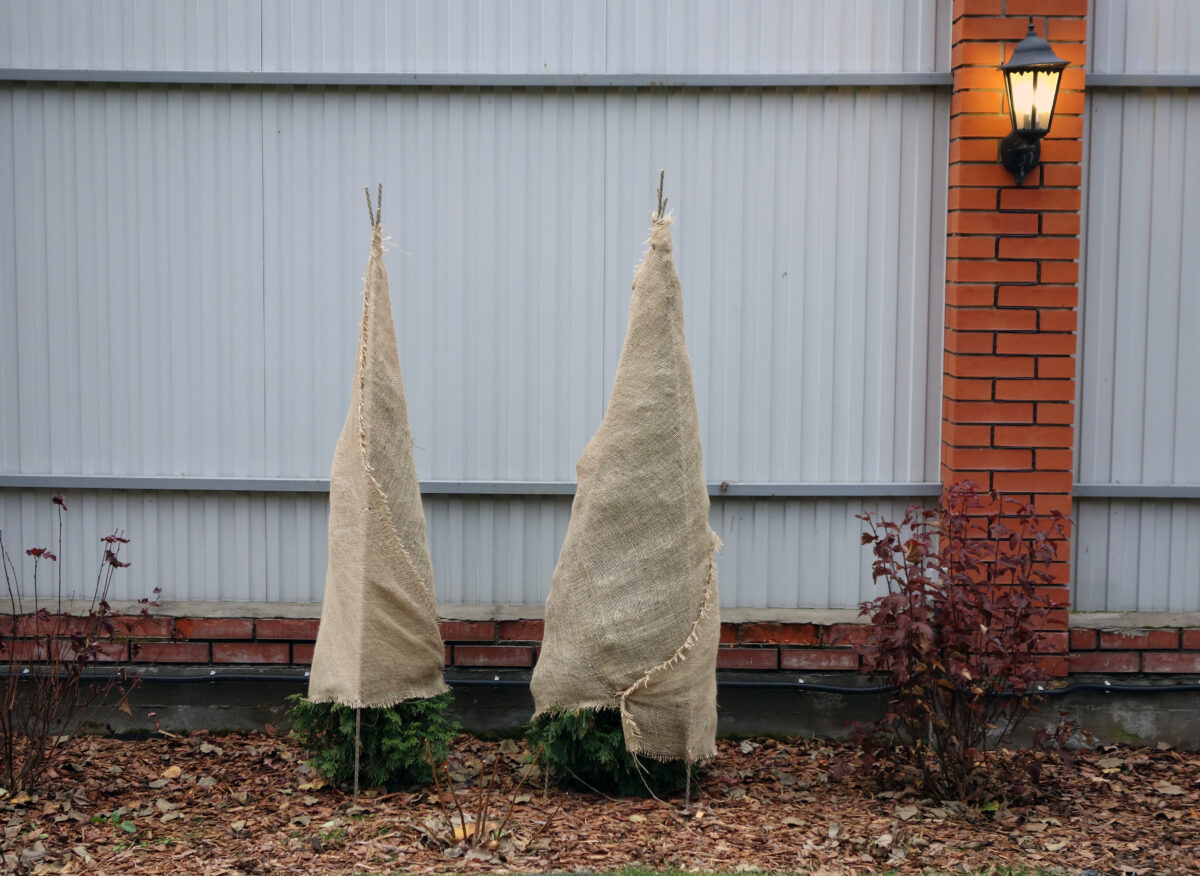
Late October into November is a good time to begin protecting trees and shrubs from both winter weather and hungry animals.
Vinyl tree guards can help protect main trunks, while galvanized metal mesh or poultry netting can be placed around individual plants or groups of plants. This becomes especially important once snow accumulates. Rabbits standing on top of the snow can suddenly reach branches and bark that would normally be well above them — and when winter food is scarce, they may feed on plants they would otherwise leave alone.
Burlap is another useful winter tool, particularly for tall or narrow evergreens such as arborvitae, hollies, and junipers. It can help shield plants from drying winter winds and heavy snow.
Uncle Mike’s Tip: Don’t wait until there’s snow on the ground to start protecting your plants. Getting barriers in place during late fall makes the job much easier.
when should you apply wilt stop?
Fall is also an ideal time to consider an anti-desiccant such as Wilt Stop, particularly for broadleaf evergreens including hollies, boxwoods, and rhododendrons.
Apply Wilt Stop before the first heavy frost or before temperatures begin staying consistently below freezing, typically around early November in our area. The coating helps slow moisture loss from foliage during winter, when frozen ground can make it difficult for plants to replace the water they lose.
This can be especially helpful following dry growing conditions. Drought-stressed plants combined with cold, windy winter weather can lead to significant winter burn and permanent foliage damage.
Wilt Stop can also be used on holiday greens and Christmas trees to help reduce drying and premature needle drop.
when should you apply deer and animal repellents?
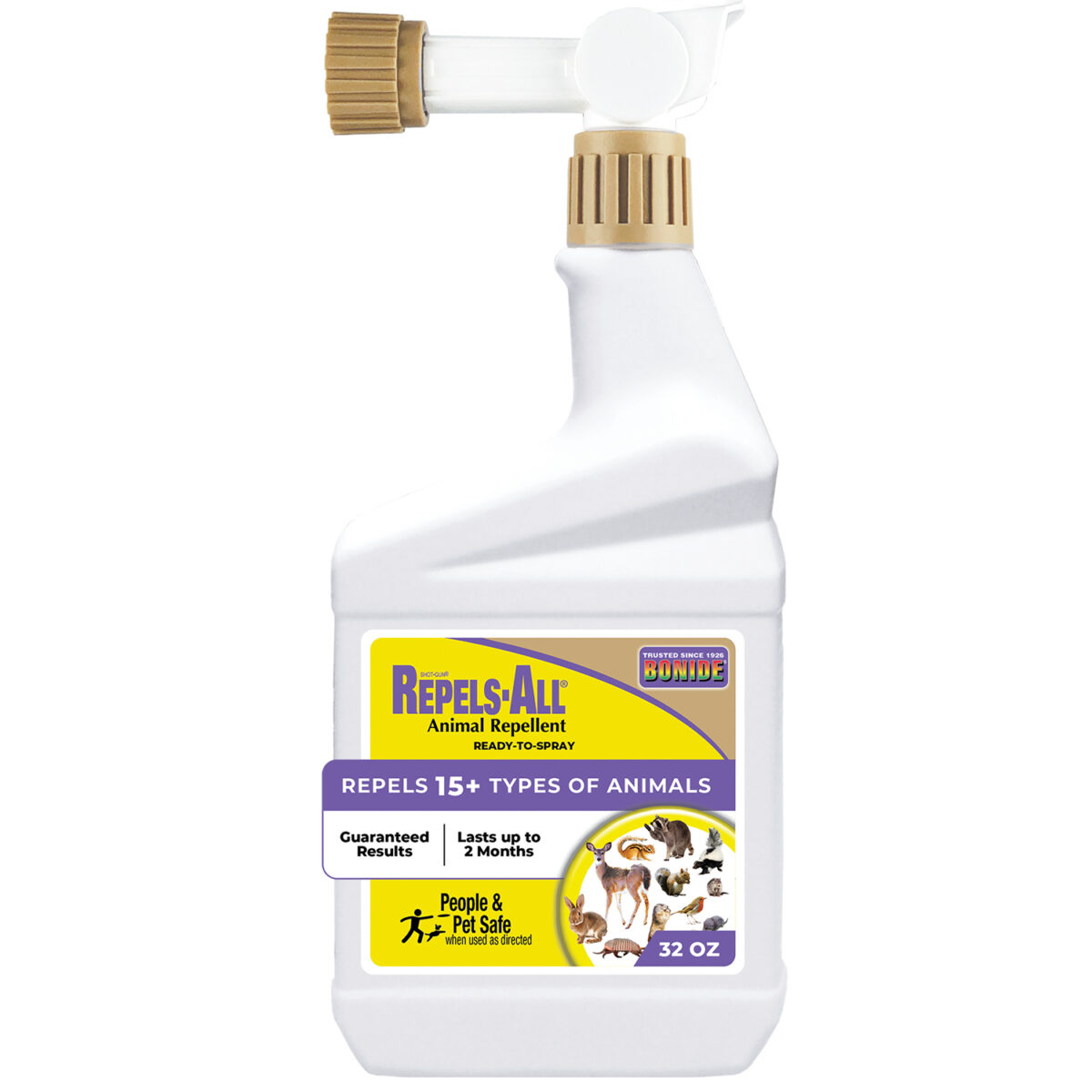
Don’t put the repellents away just because the growing season is ending.
Some of the heaviest deer browsing happens in late fall and winter, when natural food sources become harder to find. Snow cover can make the problem even worse, pushing deer closer to home landscapes in search of something to eat.
As Uncle Mike puts it, a hungry deer is twice as bold as a regular deer.
A fall application of animal repellent can provide protection for several months, depending on the product, and many formulations do not need to be reapplied after every rainfall. Be sure to follow the individual product directions and apply during suitable above-freezing weather.
For particularly vulnerable plants, combining repellents with physical protection such as netting or fencing can provide an extra layer of defense.
is fall a good time to fertilize trees and shrubs?
Fall can be a good time to feed trees and shrubs, but Uncle Mike recommends keeping it organic and slow-release.
Highly soluble fertilizers can make nutrients available very quickly, which isn’t necessarily what you want as plants are preparing for dormancy. Organic fertilizers take time to break down in the soil and gradually become available to the plant, making fall a useful time to apply them.
Fall is also a good opportunity to support plants that have been stressed during the growing season. Products such as Plant Magic and other biological fertilizers can help support soil health by introducing or feeding beneficial microorganisms, including mycorrhizae and beneficial bacteria.
These organisms contribute to a healthy rhizosphere — the area of soil immediately surrounding plant roots — and can help plants make better use of water and nutrients while coping with environmental stress.
Or, as Uncle Mike points out, it can help reduce stress for the plant, anyway. It doesn’t work on people.
should you stock up on mulch and compost in fall?
Don’t overlook bagged goods just because planting season is slowing down.
Fall is a great time to pick up compost and mulch, whether you plan to use them now or want to have them ready when spring arrives. Mahoney’s Rooted Goods soils and mulches are specially blended for New England to help plants thrive.
Compost can be worked into garden beds in fall, giving organic matter time to integrate into the soil over winter and letting you get a head start on spring preparation. You can also simply stock up now so your compost is ready as soon as the ground thaws.
Mulch can be useful for protecting plant roots from dramatic temperature fluctuations as winter approaches, particularly around newly planted material.
Uncle Mike’s Tip: Mike likes to pick up compost in the fall so it’s already waiting for him at the first spring thaw. Sometimes the easiest way to get ahead next season is to prepare now.
what should you being doing in the garden this october?
Before winter arrives, focus on a few priorities:
- Remove diseased leaves, branches, and plant debris.
- Leave some healthy garden debris for overwintering beneficial insects where appropriate.
- Limit fall pruning to dead, damaged, or diseased growth.
- Continue watering new plantings until the ground freezes.
- Protect vulnerable plants with burlap, tree guards, or metal mesh.
- Apply animal repellents before winter browsing begins.
- Consider Wilt Stop for broadleaf evergreens and other winter-sensitive plants.
- Feed trees and shrubs with an appropriate organic fertilizer.
- Add compost to garden beds or stock up for spring.
- Have mulch ready for winter root protection where needed.
October is less about putting the garden to bed all at once and more about helping plants make a healthy transition into winter. A little cleanup, protection, and preparation now can prevent problems during the colder months — and make your spring garden checklist that much easier.
Stop by your local Mahoney’s Garden Center for Wilt Stop, burlap, tree guards, animal repellents, poultry netting and metal mesh, organic fertilizers, compost, mulch, and everything else you need to prepare your garden for the season ahead.