
You’ve probably heard us say that fall is for planting, and September is one of the best months to put that advice into action. Cooler days put less stress on many plants, while the soil is still warm enough to encourage root growth. Those same conditions also make September an excellent month for lawn repair—and it’s finally time to start getting those spring-blooming bulbs into the ground.
This month, Uncle Mike is sharing his tips for dividing and transplanting established plants, giving tired lawns a fresh start, preparing grass for winter, and planting now for plenty of spring color.
Is September a Good Time to Divide and Transplant Perennials?
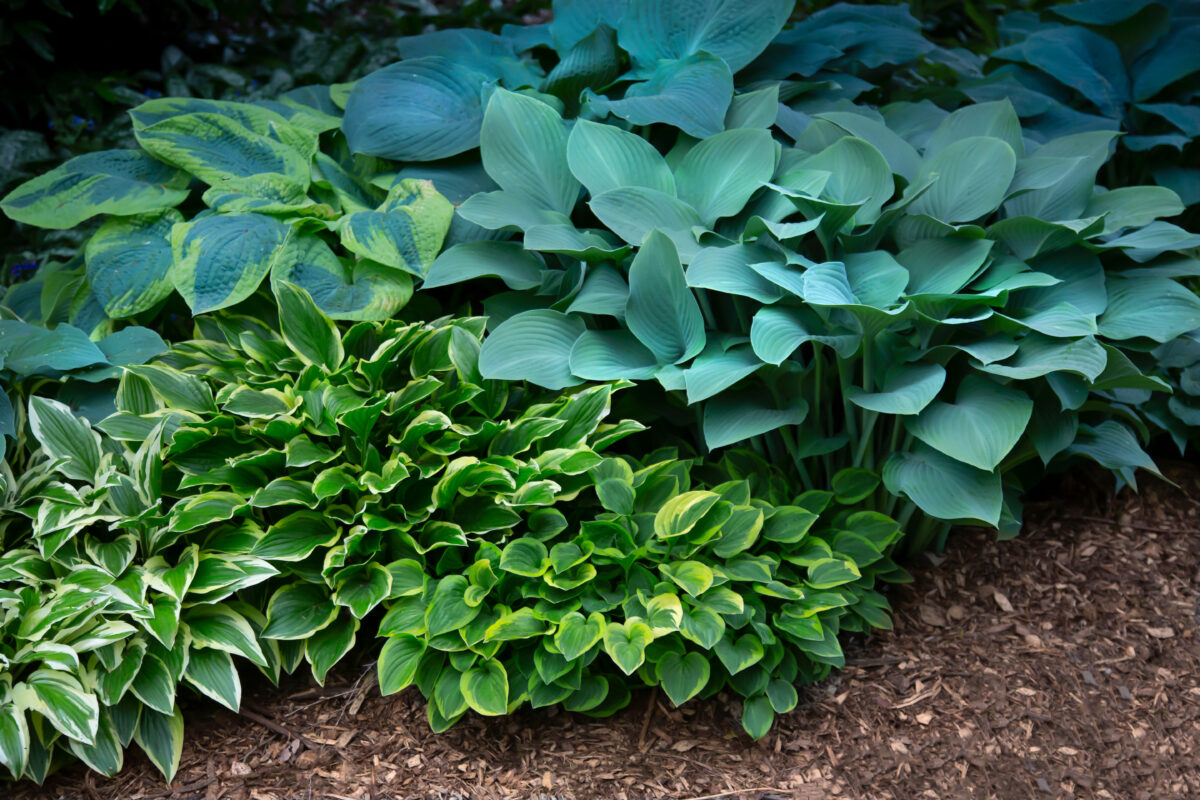
For many perennials, yes! As temperatures begin to cool, September can be an excellent time to divide established plants that have become crowded or outgrown their space.
Iris, daylilies, hostas, astilbe, and garden phlox are among the perennials that can benefit from periodic division. Dividing overcrowded plants can improve vigor, reduce competition, and give you one of gardening’s best bonuses: more plants for free. Replant the divisions elsewhere in your garden or share them with friends and family.
Peonies can also be divided in fall, although they generally don’t require regular division to remain healthy. If you do need to move or divide one, early fall is an excellent opportunity.
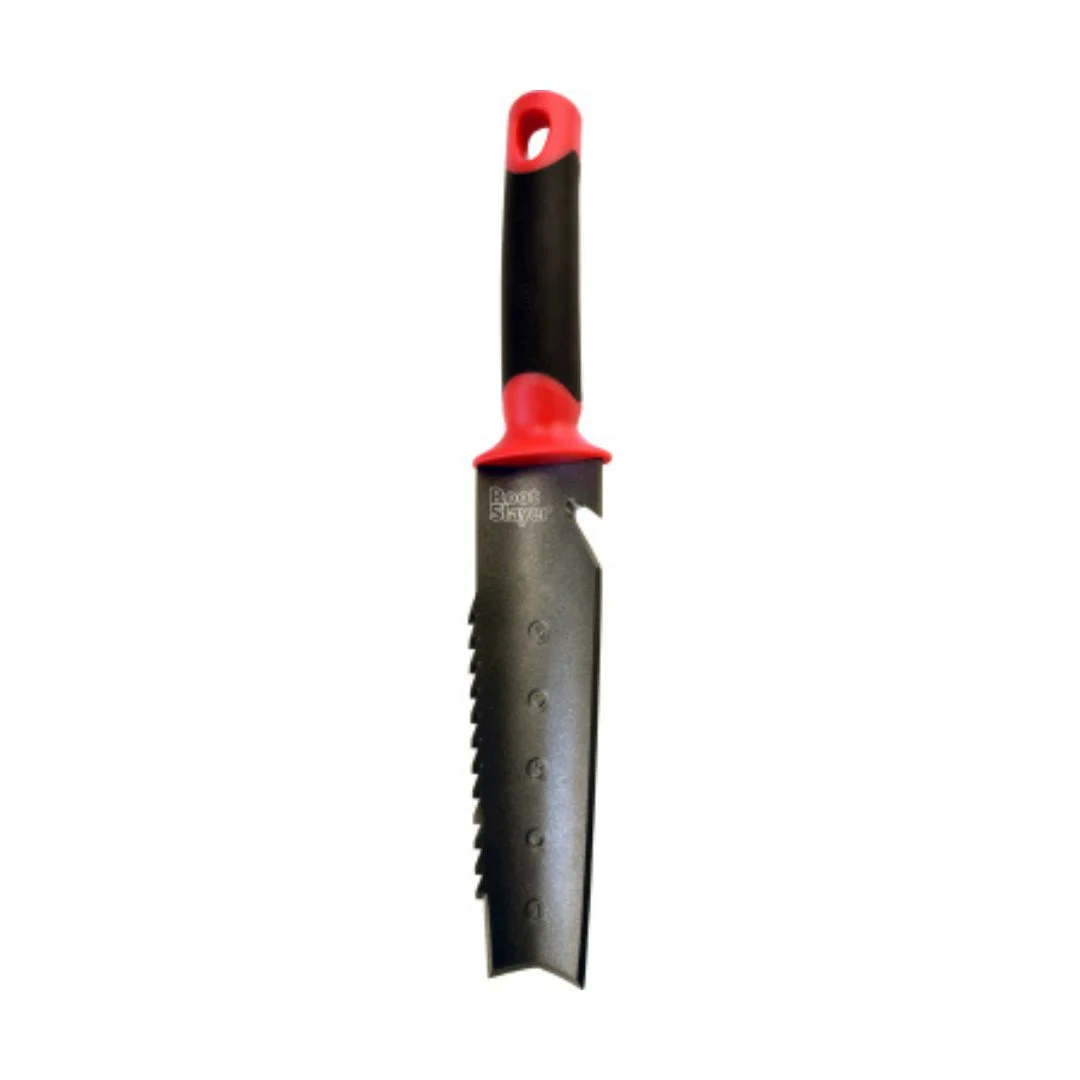
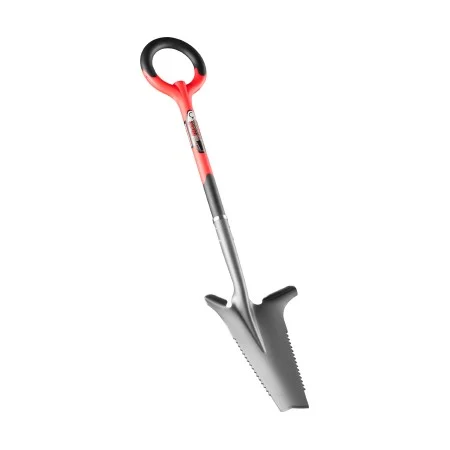
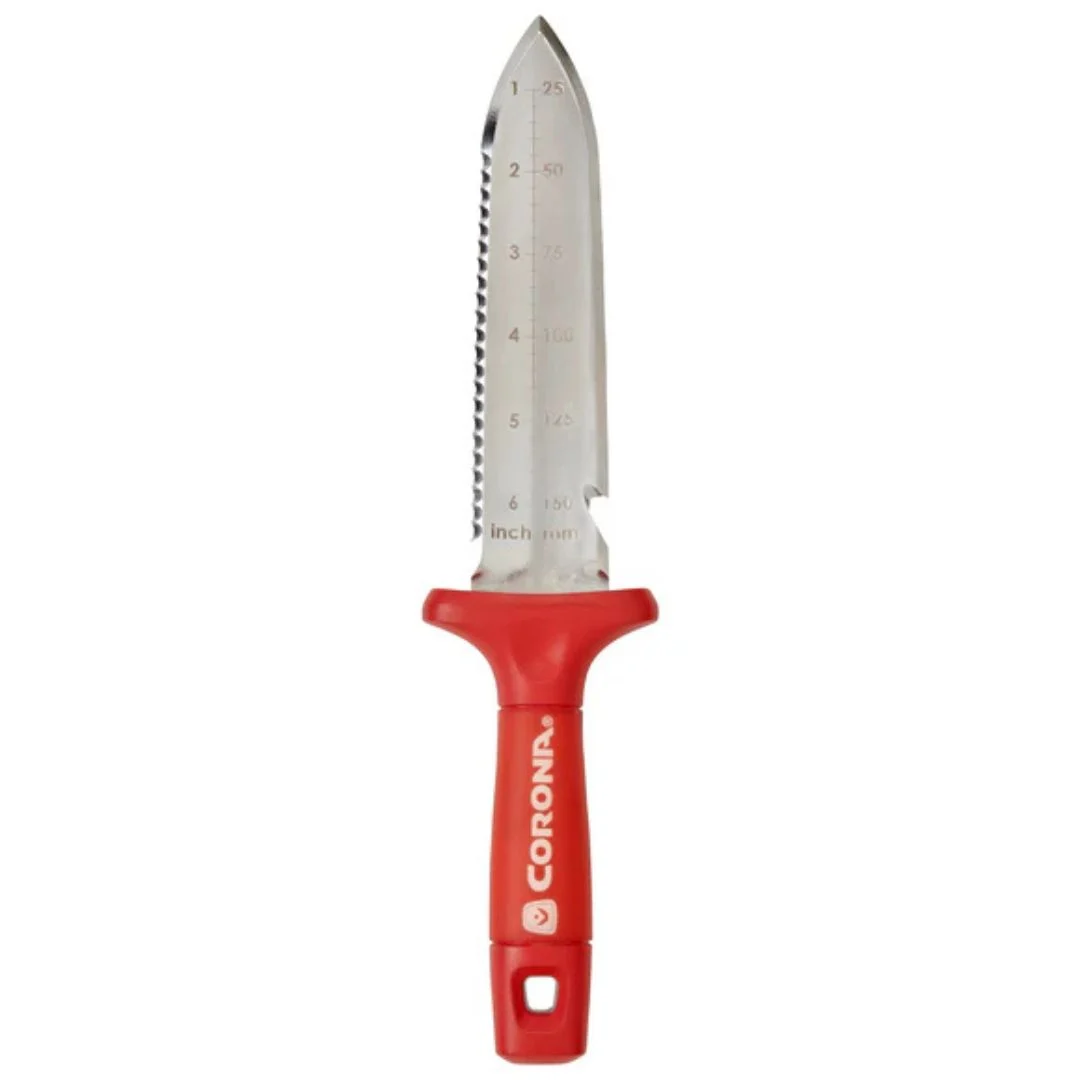
A good digging tool makes the job much easier. The Root Slayer Shovel is designed to cut through tough roots while digging, while the Root Slayer Knife and Hori Hori Garden Knife are handy for more precise work around root systems and smaller plants.
When replanting, amend the planting area as appropriate with a quality compost or planting blend and mix Espoma Bio-tone Starter Plus into the soil according to the label directions to support new root establishment. Water everything thoroughly after planting, and a 2–3″ layer of mulch can help conserve moisture and moderate soil temperatures. Just remember to keep mulch away from plant crowns and trunks.
Uncle Mike’s Tip: Water plants thoroughly before you plan to divide or move them, and give them another deep watering once they’re replanted. Uncle Mike also likes adding Organic Plant Magic when watering newly transplanted plants to support establishment.
Can You Transplant Trees and Shrubs in September?
Cooler fall weather can make transplanting many established trees and shrubs less stressful than attempting the same job during the heat of summer. However, the best timing depends on what you’re moving.
Many deciduous trees are better moved once they’re heading toward dormancy and beginning to drop their leaves. Maples are a good example of a tree Uncle Mike recommends waiting on until later in the season. Stone fruits and certain other plants may be better candidates for spring transplanting.
Large, established specimens can also be challenging to move successfully because preserving enough of their root system becomes increasingly difficult as they mature.
Uncle Mike’s Tip: Don’t assume September is the right transplanting time for every plant. If you’re unsure about a particular tree, shrub, or perennial, give us a call or stop by your local Mahoney’s and our team can help you determine the best timing.
Why Is September Such a Good Time to Seed Your Lawn?
Fall isn’t just for planting trees and shrubs—fall is for planting grass seed, too!
Late August through September offers some of the best conditions of the year for establishing cool-season lawns in New England. The soil is still warm, air temperatures are becoming more comfortable, and there tends to be less competition from newly germinating annual weeds than there is in spring.
The key is not to wait too long. Grass needs enough time to germinate and establish before winter, so think August and September rather than November and December when planning major seeding projects.
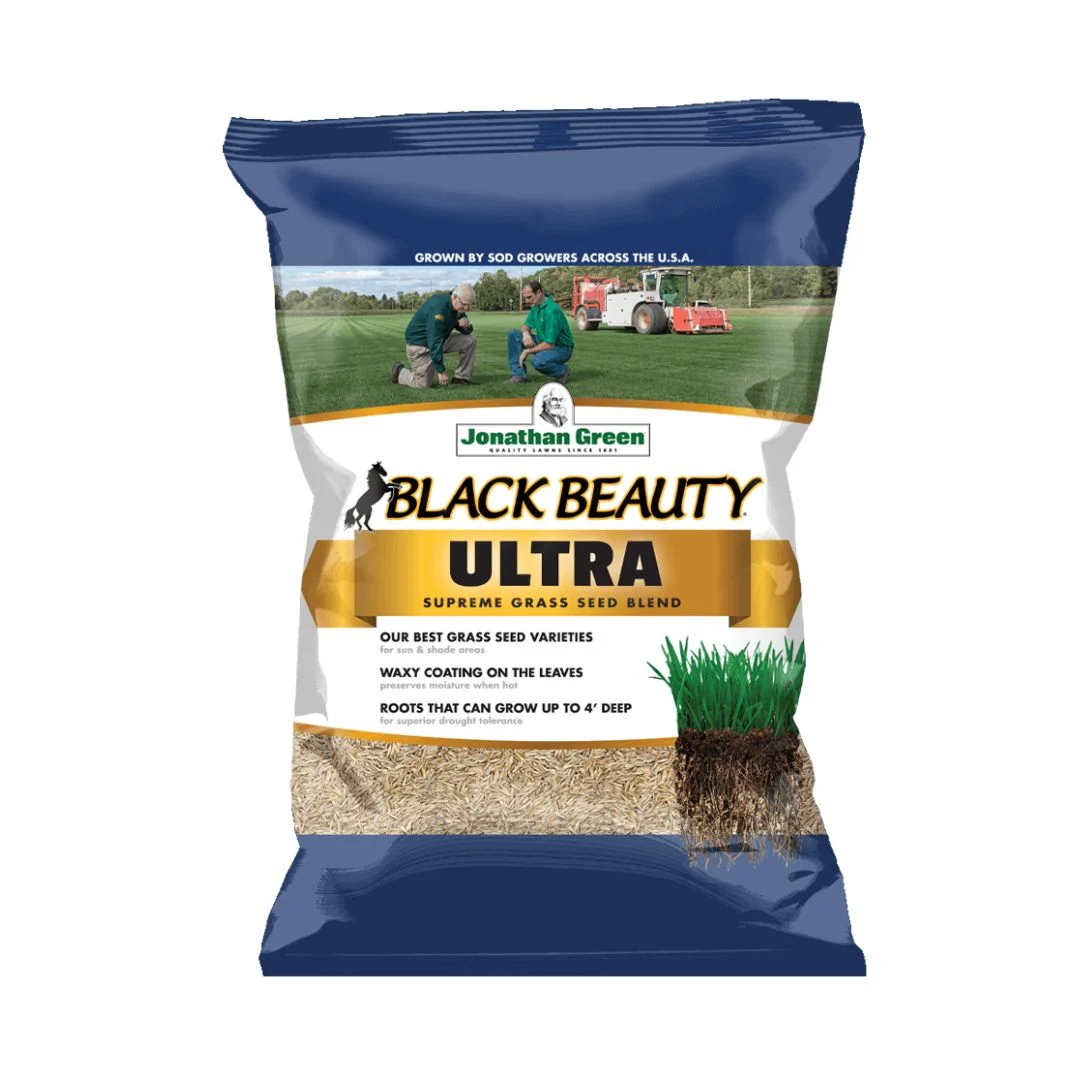
The Jonathan Green Black Beauty line offers options for establishing new lawns, overseeding thin turf, and repairing bare areas. Pair your seed with an appropriate starter fertilizer to provide young grass with the nutrients it needs during establishment.
And once you’ve seeded, don’t let the surface dry out. New grass seed requires consistent moisture while germinating and establishing.
Should You Dethatch or Core Aerate Before Overseeding?
It depends on what your lawn needs.
A thick layer of thatch can interfere with water, nutrients, and seed reaching the soil. If excessive thatch has accumulated, dethatching before overseeding can improve seed-to-soil contact.
Compacted lawns, meanwhile, can benefit from core aeration. Removing small plugs of soil helps relieve compaction and allows air, water, and nutrients to move more readily into the root zone. It’s particularly useful for lawns with heavy foot traffic or dense, compacted soil.
September’s growing conditions make it a great time to combine aeration with overseeding because grass seed can fall into the openings created during aeration and make good contact with the soil.

Jonathan Green Love Your Soil is another option for improving challenging soil conditions. Used as part of an ongoing lawn-care program, it helps improve compacted soil naturally and may reduce how frequently your lawn needs mechanical aeration.
Uncle Mike’s Tip: Don’t dethatch simply because it’s September. Check the lawn first. Aeration addresses compacted soil, while dethatching addresses an excessive thatch layer—they’re two different problems with two different solutions.
When Should You Apply Fall Lawn Fertilizer?
Once you’ve repaired and overseeded the lawn, the next step is helping it prepare for the colder months ahead.
From around mid-September into early November, Uncle Mike recommends a fall lawn fertilizer such as Jonathan Green Winter Survival or Espoma Organic Turf-Tone Winterizer, following the individual product’s application directions and timing.
Fall feeding is less about forcing lots of lush top growth and more about supporting the lawn as it recovers from summer stress and prepares for winter. A properly formulated fall fertilizer provides nutrients that support root development, stress tolerance, and overall plant health so your lawn has a strong foundation going into spring.
These fertilizers can also fit into the care of newly seeded lawns, but always check the product label and coordinate applications with any starter fertilizer you’ve already used to avoid unnecessary overfeeding.
Uncle Mike’s Tip: More fertilizer isn’t better. Follow the label rates and choose a fertilizer formulated for the season rather than trying to force rapid green growth as your lawn approaches dormancy.
When Should You Plant Spring-Blooming Bulbs?
Here’s something that surprises new gardeners every year: if you want tulips, daffodils, crocuses, and hyacinths in spring, you need to plant them in fall.
Spring-flowering bulbs require a period of cold temperatures before they can put on their spring show. Planting in fall gives them that necessary winter chilling period while allowing roots to begin establishing underground.
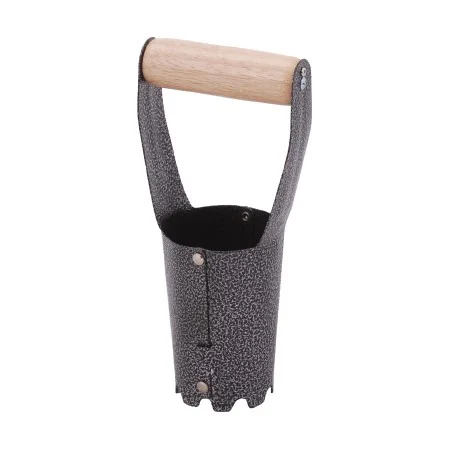
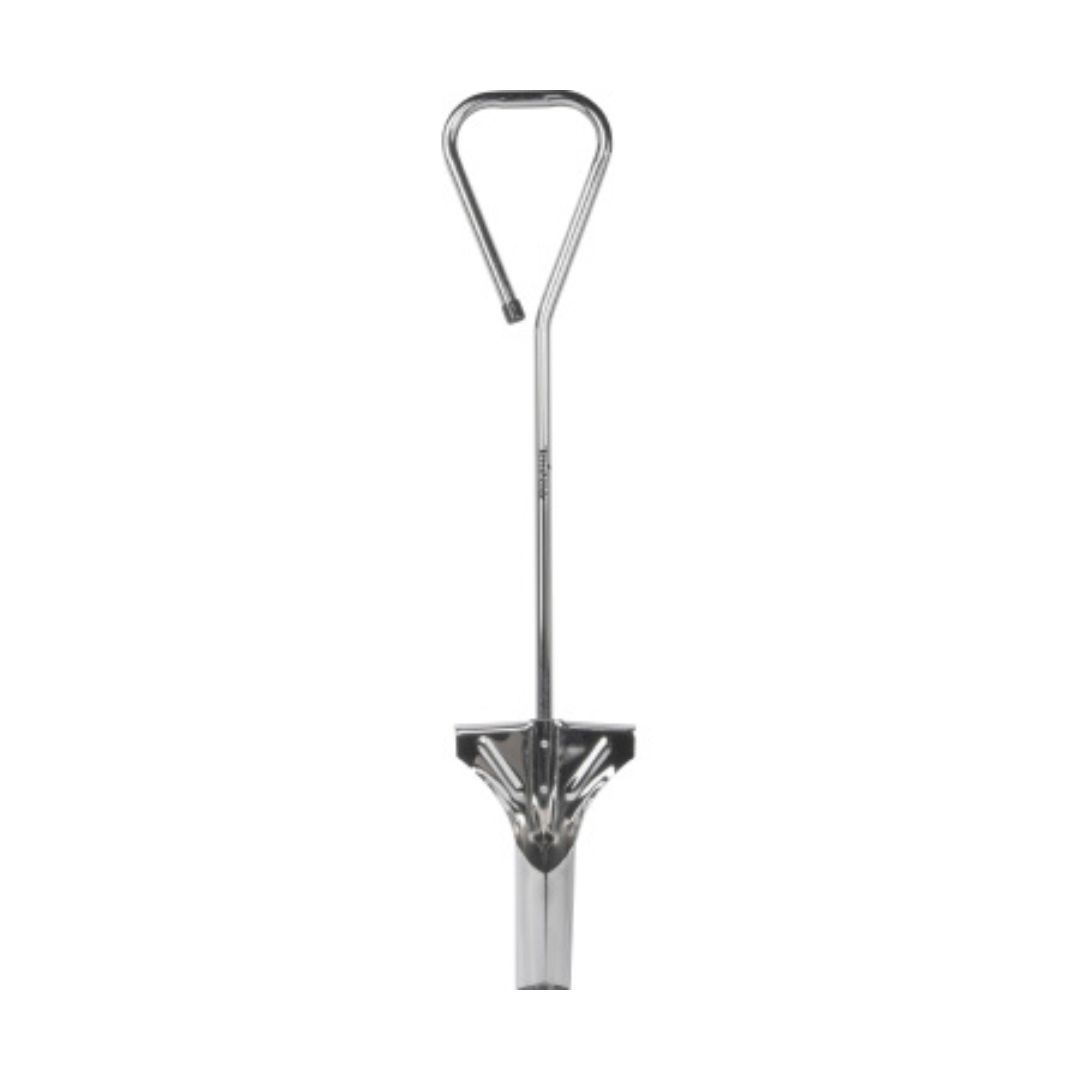
A long-handled or short-handled bulb planter can make planting large quantities much easier, especially when you’re trying to achieve a big display. Espoma Bulb-tone can also be incorporated according to its label directions when planting bulbs.
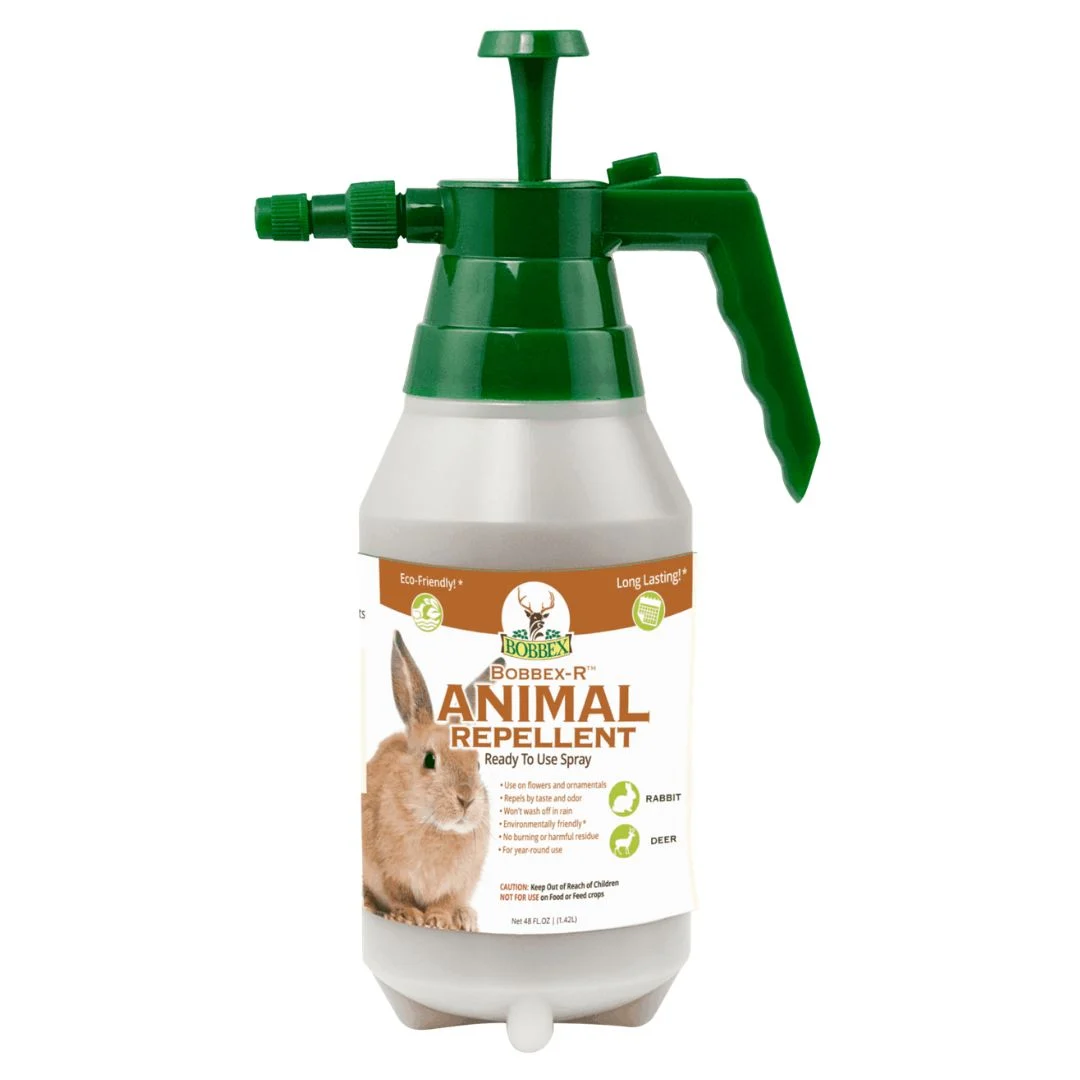
Of course, we’re not the only ones interested in bulbs. Squirrels and other animals sometimes dig up newly planted bulbs, so a little protection can save you some frustration.

Products such as Bonide Repels-All and Bobbex can help discourage animal activity when used according to their labels. You can also create a physical barrier with hardware cloth or chicken wire positioned appropriately over the planting area to discourage digging.
And while tulips are particularly attractive to some wildlife, daffodils are generally avoided by deer and rodents, making them a great option where animal pressure is a recurring problem.
Uncle Mike’s Tip: Get the kids involved! Planting bulbs doesn’t offer instant gratification, but that’s part of what makes it so much fun. Mark where you planted them this fall and watch together as all that hidden work turns into color next spring.
What Should You Be Doing in the Garden This September?
September is one of those months when a little effort can pay off for a long time. Divide overcrowded perennials, relocate appropriate trees and shrubs, renovate thin or compacted lawns, prepare your turf for winter, and get your spring-flowering bulbs planted while conditions are favorable.
Most importantly, don’t put fall projects off until it’s almost winter. Plants need time to establish roots, and grass seed needs time to germinate and grow. Taking advantage of September’s warm soil and increasingly cooler weather gives your plants and lawn a head start before winter arrives.
Stop by your local Mahoney’s Garden Center to shop Uncle Mike’s September picks, from transplanting tools and soil amendments to grass seed, fall lawn care, and spring-blooming bulbs. And if you’re unsure when to divide, transplant, seed, or fertilize something in your own yard, ask our team—we’re always happy to help you get the timing right.