
When most people think about pollinators, honey bees and butterflies are usually the first to come to mind. While they certainly deserve the attention, they’re only part of the story. Nature has assembled an entire team of pollinators, many of which work quietly behind the scenes without much recognition.
From nighttime visitors to insects that are often misunderstood, these unexpected pollinators play an important role in helping flowers, trees, fruits, and vegetables produce seeds and fruit. The more diverse your garden is, the more likely you are to attract these helpful creatures.
Let’s meet a few of the pollinators that deserve a little more appreciation.
Moths: The Night Shift
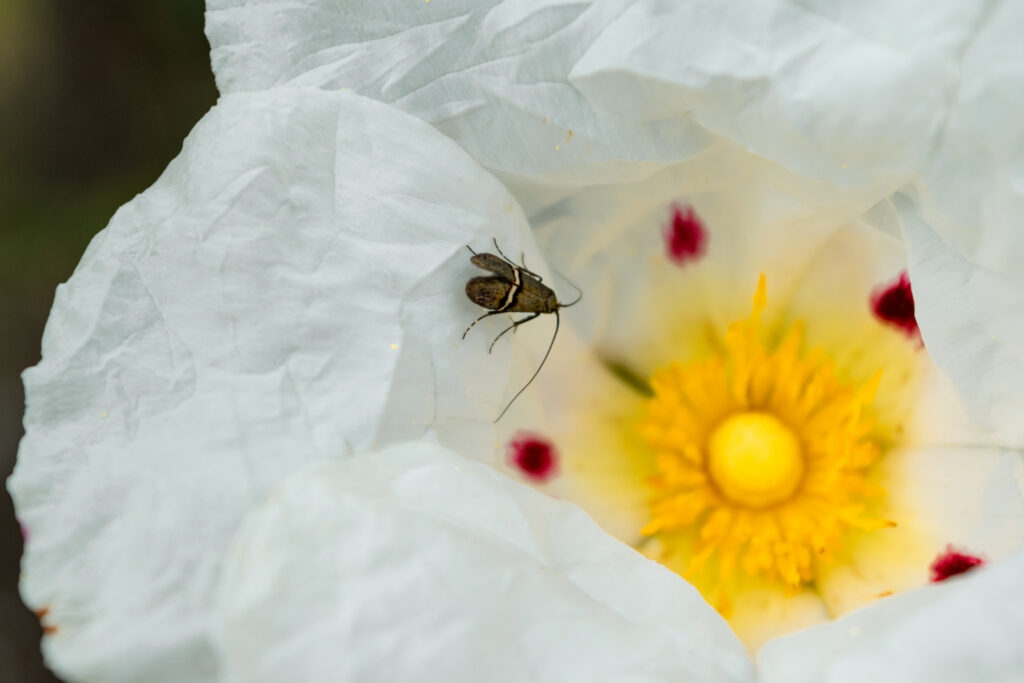
When the sun goes down, moths take over where butterflies leave off. Many flowering plants, especially those with pale-colored, fragrant blooms, rely on moths that visit after dark.
As moths feed on nectar, pollen sticks to their fuzzy bodies and is carried from flower to flower, just like bees do during the day. Some plants have even evolved to bloom or release stronger fragrances at night specifically to attract moths.
If you enjoy evening blooms like moonflowers or nicotiana, chances are you’ve already hosted a few of these nighttime pollinators.
Beetles: Nature’s Original Pollinators
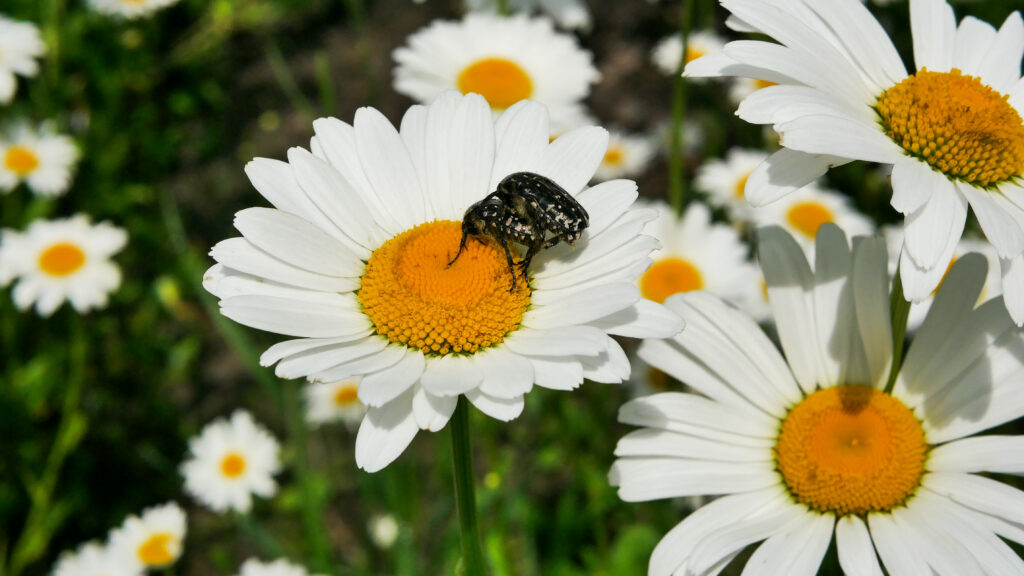
Beetles have actually been pollinating plants for millions of years—long before bees became the pollination superstars we know today.
Unlike bees, beetles tend to crawl through flowers rather than hovering above them. As they search for pollen, nectar, or even flower parts to eat, they unintentionally move pollen between blooms.
You’ll often find beetles visiting large, open flowers like magnolias, peonies, and water lilies, making them valuable members of the pollinator community.
Flies: More Helpful Than You Think

Flies may not have the best reputation, but many species are excellent pollinators. Hoverflies, in particular, are some of the most beneficial insects you can have in the garden.
Often mistaken for small bees or wasps because of their yellow and black coloring, hoverflies visit flowers for nectar and pollen while their larvae help control common garden pests like aphids.
Cool, cloudy weather doesn’t bother them nearly as much as it does bees, making flies especially valuable when pollination conditions aren’t ideal.
Wasps: Pollinators and Pest Patrol
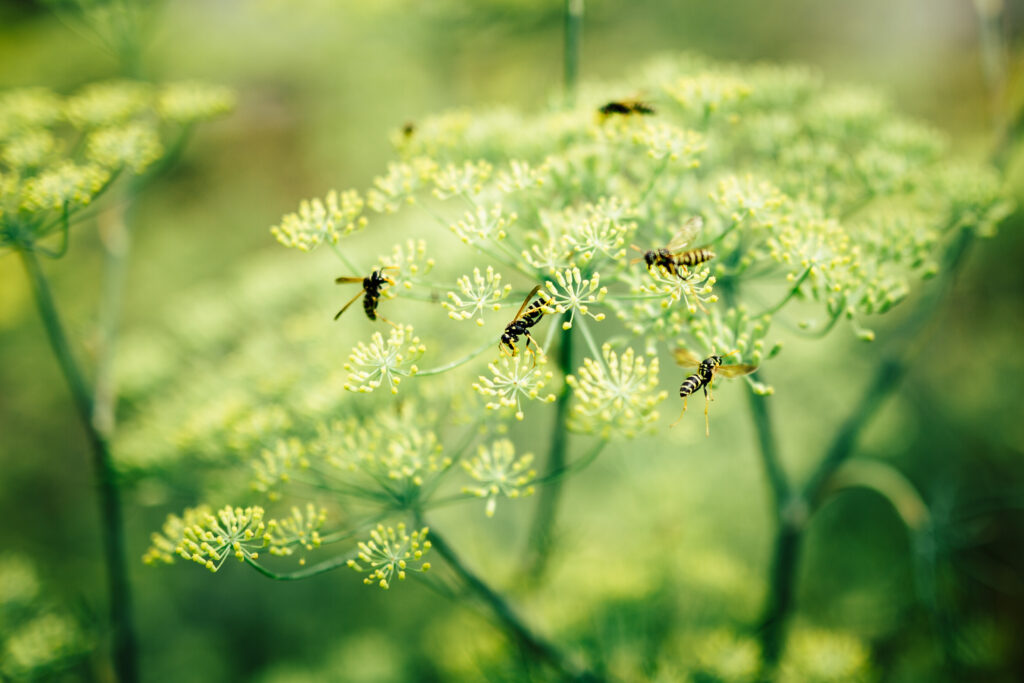
Wasps are often known for keeping garden pests under control, but many species also spend time visiting flowers for nectar.
As they move from bloom to bloom, they transfer pollen just like other pollinators. While they may not carry as much pollen as fuzzy bees, their contributions add up over the course of a growing season.
The next time you spot a wasp on a flower, remember it’s doing more than just taking a break—it’s helping your garden thrive.
Ants: Small Helpers with a Small Role

Ants aren’t considered major pollinators, but they can still contribute.
Because ants spend most of their time walking from flower to flower, they occasionally move pollen as they forage for nectar. Their impact is generally much smaller than bees or butterflies, and some plant species aren’t well suited to ant pollination.
Even so, they’re another reminder that healthy gardens benefit from a wide variety of insects, each playing its own part.
What About Bats?

While bats aren’t pollinating flowers here in New England, they’re incredibly important pollinators in many parts of the world.
In deserts and tropical regions, nectar-feeding bats pollinate plants that bloom at night, including agave, dragon fruit, bananas, mangoes, and many species of cacti. Without bats, some of these plants would struggle to reproduce.
Even though our local bats primarily eat insects instead of nectar, they’re still welcome visitors because they help reduce mosquito and garden pest populations.
How You Can Support All Pollinators
The best pollinator gardens aren’t designed for just one species—they provide food and habitat for many different kinds of beneficial wildlife.
A few simple ways to help include:
- Plant a wide variety of flowers with different bloom shapes and bloom times.
- Include native plants whenever possible.
- Leave some flowers standing rather than deadheading every bloom immediately.
- Avoid broad-spectrum pesticides whenever you can.
- Add evening-blooming flowers to support nighttime pollinators like moths.
- Provide a shallow water source with stones where insects can safely land.
The more diversity your garden offers, the more pollinators you’ll welcome.
Every Pollinator Counts
Bees and butterflies may be the celebrities of the pollinator world, but they’re supported by an incredible cast of lesser-known helpers. Moths, beetles, flies, wasps, ants, and even bats all contribute to healthy ecosystems in their own unique ways.
The next time you see one of these often-overlooked visitors in your garden, take a closer look—you may be watching one of nature’s most important workers in action.
Stop by your local Mahoney’s Garden Center to explore pollinator-friendly plants and discover how you can create a garden that welcomes every member of nature’s pollinator team.