
If you’ve ever walked outside to admire your garden only to discover that something has already had breakfast before you did, you’re not alone. Deer and rabbits are a common challenge for gardeners throughout New England, especially in spring when fresh growth is tender and irresistible.
The good news? While no plant is completely deer- or rabbit-proof, many are far less appealing than others. By choosing plants with fragrant foliage, fuzzy leaves, strong textures, or aromatic oils, you can create a beautiful landscape that wildlife is much more likely to leave alone.
Whether you’re planting a sunny perennial border, refreshing your foundation beds, or filling containers with colorful annuals, here are some excellent deer and rabbit resistant choices for New England gardens.
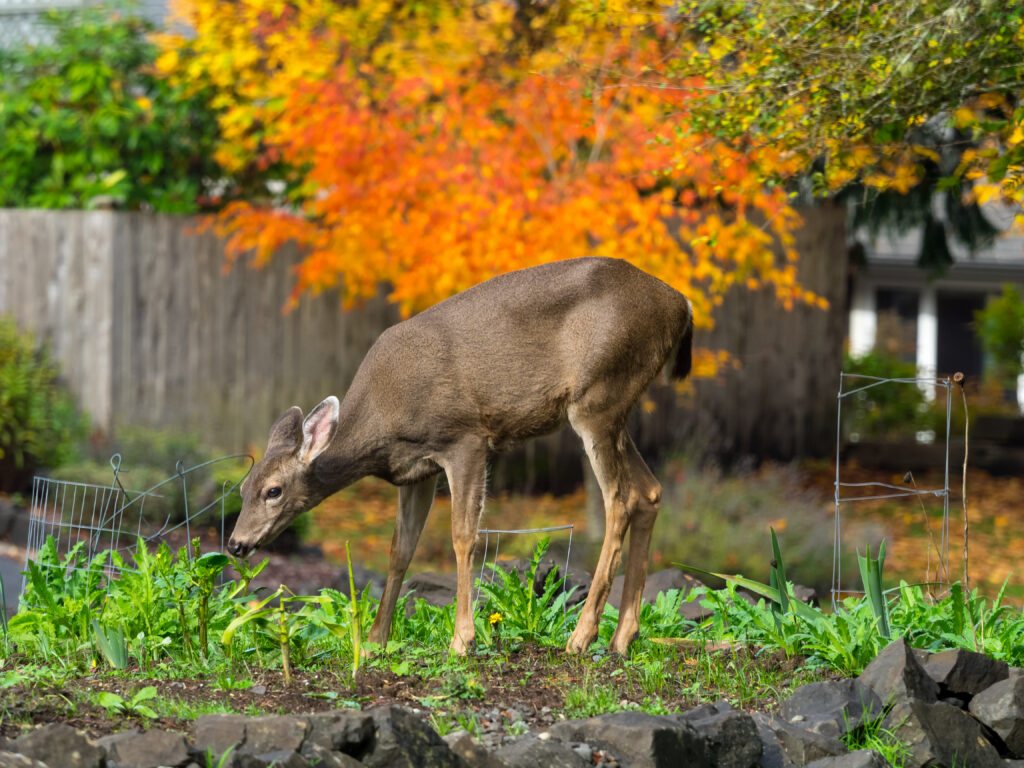
First Things First: No Plant Is Completely Deer-or-Rabbit-Proof
Before we dive into plant recommendations, it’s important to set realistic expectations.
A hungry deer or rabbit doesn’t always follow the rules.
During droughts, harsh winters, or in areas with especially high deer populations, deer may sample plants they would normally ignore. Rabbits can be equally opportunistic, particularly when food is scarce.
Think of these plants as deer and rabbit resistant—not deer and rabbit immune.
The goal is to make your garden less attractive than the one next door.
Deer & Rabbit Resistant Perennials
Perennials are the backbone of many New England gardens, and fortunately, quite a few beautiful varieties are naturally less appealing to browsing wildlife.
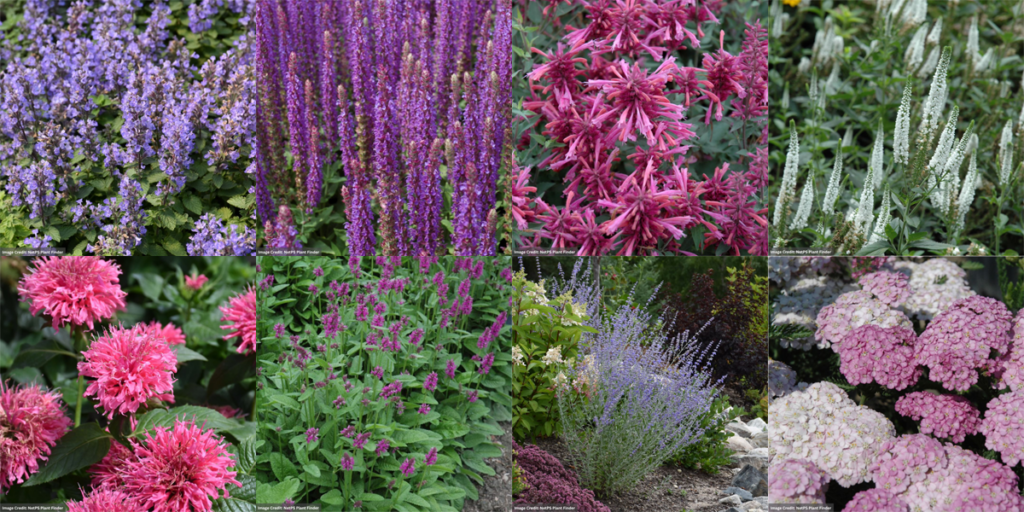
Nepeta (Catmint)
Nepeta has soft lavender-blue flowers bloom for months, attracting bees and butterflies while fragrant foliage helps discourage deer and rabbits. It’s drought tolerant once established and looks beautiful spilling over walls and pathways.
Salvia
One of the best-performing summer perennials, salvia produces colorful flower spikes that pollinators adore. Its aromatic foliage makes it one of the most dependable deer-resistant choices.
Agastache (Hyssop)
With fragrant foliage and long-lasting blooms, agastache thrives in sunny gardens while drawing hummingbirds, butterflies, and bees all season long.
Veronica (Speedwell)
Veronica’s tall flower spikes add vertical interest to borders while being less attractive to browsing animals than many traditional cottage garden plants.
Monarda (Bee Balm)
Monarda’s mint-scented foliage helps deter deer while the vibrant blooms become magnets for hummingbirds and native pollinators.
Brunerra (Siberian Bugloss)
A wonderful choice for shade gardens, brunnera is prized for its heart-shaped foliage and delicate blue flowers that resemble forget-me-nots in spring. Its textured leaves are typically ignored by deer and rabbits, making it an excellent option for brightening woodland gardens, shaded borders, and underplantings.
Stachys monieri (Betony)
Betony is an underused perennial that offers spikes of rosy-purple flowers above attractive foliage. Its coarse texture and lightly fuzzy leaves make it less appealing to rabbits.
Russian Sage
If you’re looking for something that handles heat and dry summers beautifully, Russian sage is hard to beat. Silvery, aromatic foliage paired with airy lavender blooms creates months of color.
Yarrow (Achillea)
Yarrow’s flat flower clusters bloom throughout summer in shades of yellow, white, pink, and red. Deer generally avoid its aromatic foliage, while pollinators flock to the flowers.
Deer & Rabbit Resistant Trees & Shrubs
Woody plants represent a larger investment, so choosing varieties that are less likely to become wildlife snacks can save a lot of frustration.
Boxwood
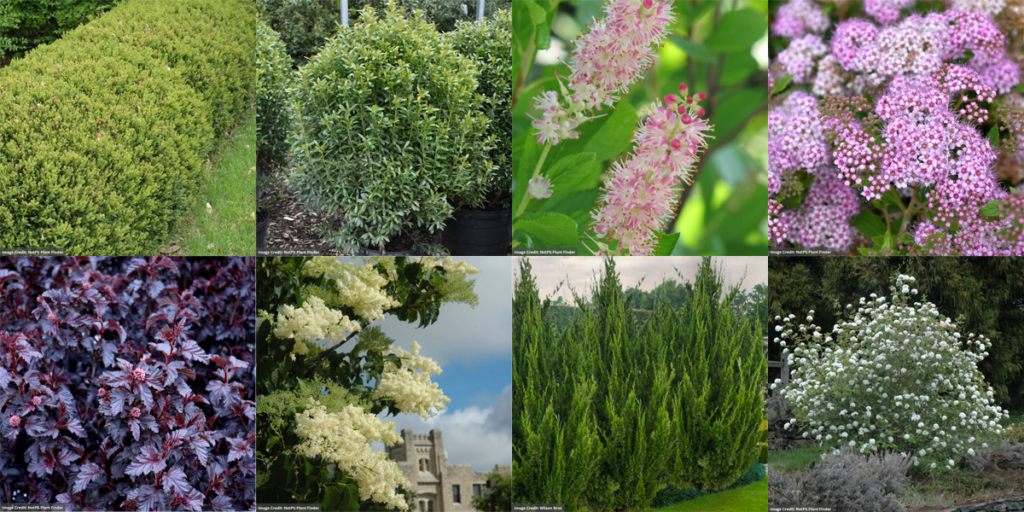
Boxwood is a classic evergreen for foundation plantings and formal gardens. Its dense foliage is generally avoided by both deer and rabbits.
Inkberry Holly
Inkberry Holly is a wonderful native evergreen alternative to boxwood that offers year-round structure while providing habitat for birds.
Summersweet (Clethra)
One of New England’s best native shrubs, summersweet produces incredibly fragrant white or pink flowers in mid to late summer. Deer usually leave it alone, while pollinators absolutely love it.
Spirea
Spirea is reliable, easy-care shrubs with colorful foliage and abundant spring or summer flowers. Many gardeners find them to be one of the more dependable deer-resistant landscape shrubs.
Lilac
The fragrant blooms are beloved by people—but thankfully not by deer. Established lilacs are often one of the more reliable flowering shrubs in deer-prone areas.
Eastern Red Cedar
Eastern Red Cedars are an excellent native evergreen that provides year-round interest while offering shelter for birds. The aromatic foliage helps discourage browsing.
Viburnum
Beautiful spring flowers, attractive foliage, and colorful berries make select viburnums a favorite for multi-season interest. Deer tend to avoid varieties such as Koreanspice, Doublefile, Leatherleaf, Prague, and Burkwood Viburnum, making them excellent choices for foundation plantings, mixed borders, or hedges.
Deer & Rabbit Resistant Annuals
Annuals deliver nonstop color from spring through frost, and several popular varieties are naturally less appealing to wildlife.
Ageratum
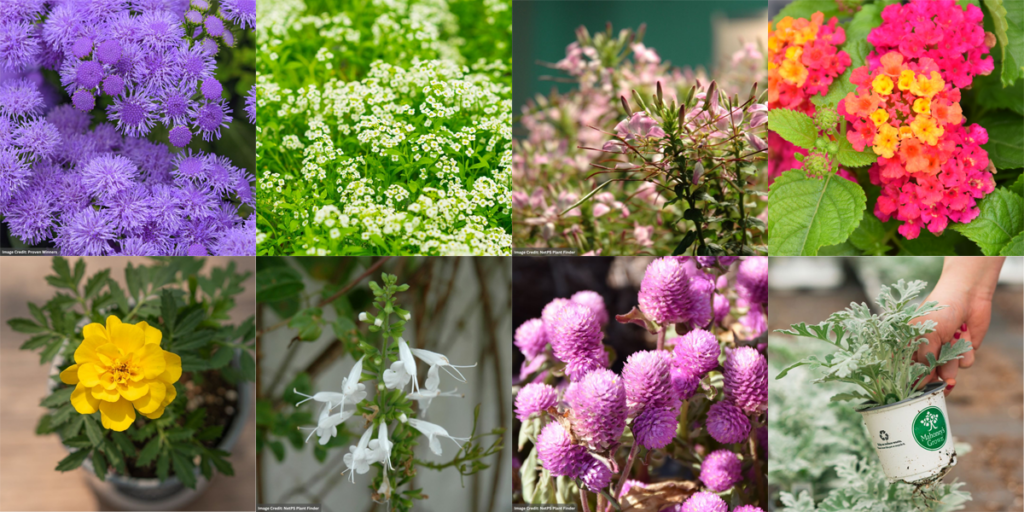
Ageratum’s soft blue, purple, or white flowers bloom continuously while attracting pollinators.
Alyssum
Alyssum has sweetly fragrant flowers that create beautiful borders and container accents. Pollinators love them, but rabbits generally don’t.
Cleome (Spider Flower)
Tall, airy flowers add dramatic height to beds and containers. Deer usually avoid Cleome’s prickly stems and distinctive scent.
Lantana
One of the best heat-loving annuals available. Lantana has bright clusters of flowers that bloom continuously while attracting butterflies throughout summer.
Marigolds
Although not completely deer-proof everywhere, many gardeners report excellent success with Marigolds thanks to their pungent foliage.
Salvia
Annual salvias provide season-long blooms in brilliant reds, blues, purples, and whites while remaining one of the better choices for deer-prone landscapes.
Gomphrena
Also known as globe amaranth, these cheerful blooms tolerate heat beautifully and make excellent fresh or dried flowers.
Dusty Miller
Dusty Miller’s silvery foliage adds contrast to containers and flower beds, and its fuzzy leaves are typically ignored by rabbits and deer alike.
Other Ways to Reduce Deer & Rabbit Damage
Even resistant plants benefit from a few extra strategies.
- Plant highly fragrant herbs like rosemary, oregano, thyme, and sage throughout the garden.
- Group resistant plants together to create natural barriers around more vulnerable favorites.
- Protect newly planted trees and shrubs with fencing or tree guards during establishment.
- Rotate repellents according to label directions, especially after heavy rain.
- Keep gardens well maintained by removing fallen fruit or other food sources that may attract wildlife.
Build a Beautiful Garden That Wildlife Is More Likely to Skip
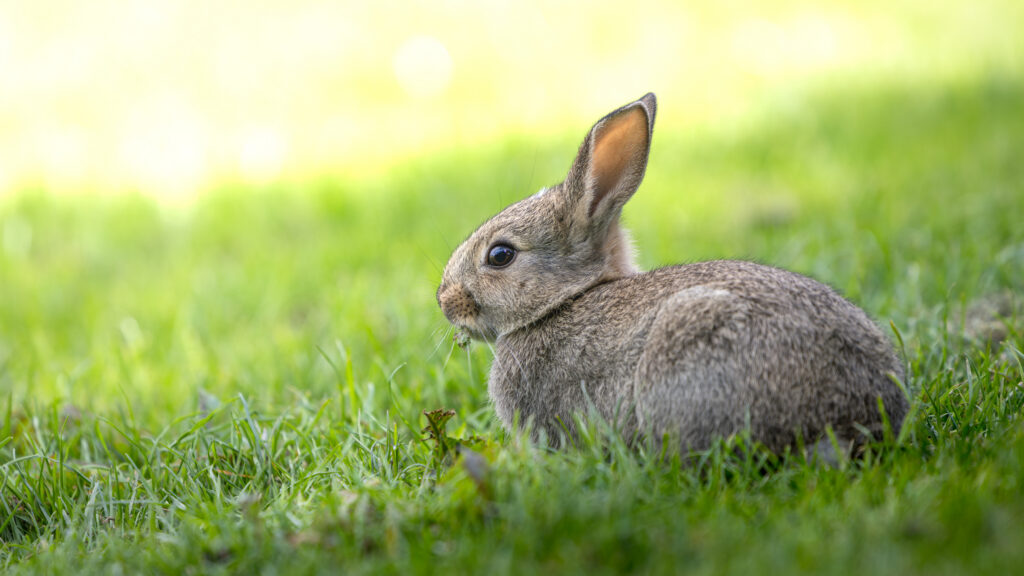
Gardening in New England doesn’t have to become a battle with deer and rabbits. By selecting naturally resistant plants and combining them with good garden practices, you can enjoy vibrant blooms, healthy shrubs, and thriving landscapes with far less browsing damage.
Remember, resistant doesn’t mean immune—but filling your garden with aromatic foliage, textured leaves, and tough, dependable plants can make a noticeable difference throughout the growing season.
Whether you’re planning a brand-new landscape or simply replacing plants that have become favorite snacks, our team is always happy to help you find deer and rabbit resistant options that thrive in New England gardens.
Stop by your local Mahoney’s Garden Center to explore our selection and let us help you build a garden that’s beautiful, resilient, and ready for every season.