February 12, 2026
February 12, 2026
Pests are a common problem for indoor gardeners, and they can turn your once-lush plants into stressed, wilting victims. The good news? Most pests are treatable, and with the right approach, you can clear them out and restore your plants to good health.
Let’s go over some of the most common indoor plant pests, how to identify them, and the best methods for treating and preventing infestations.
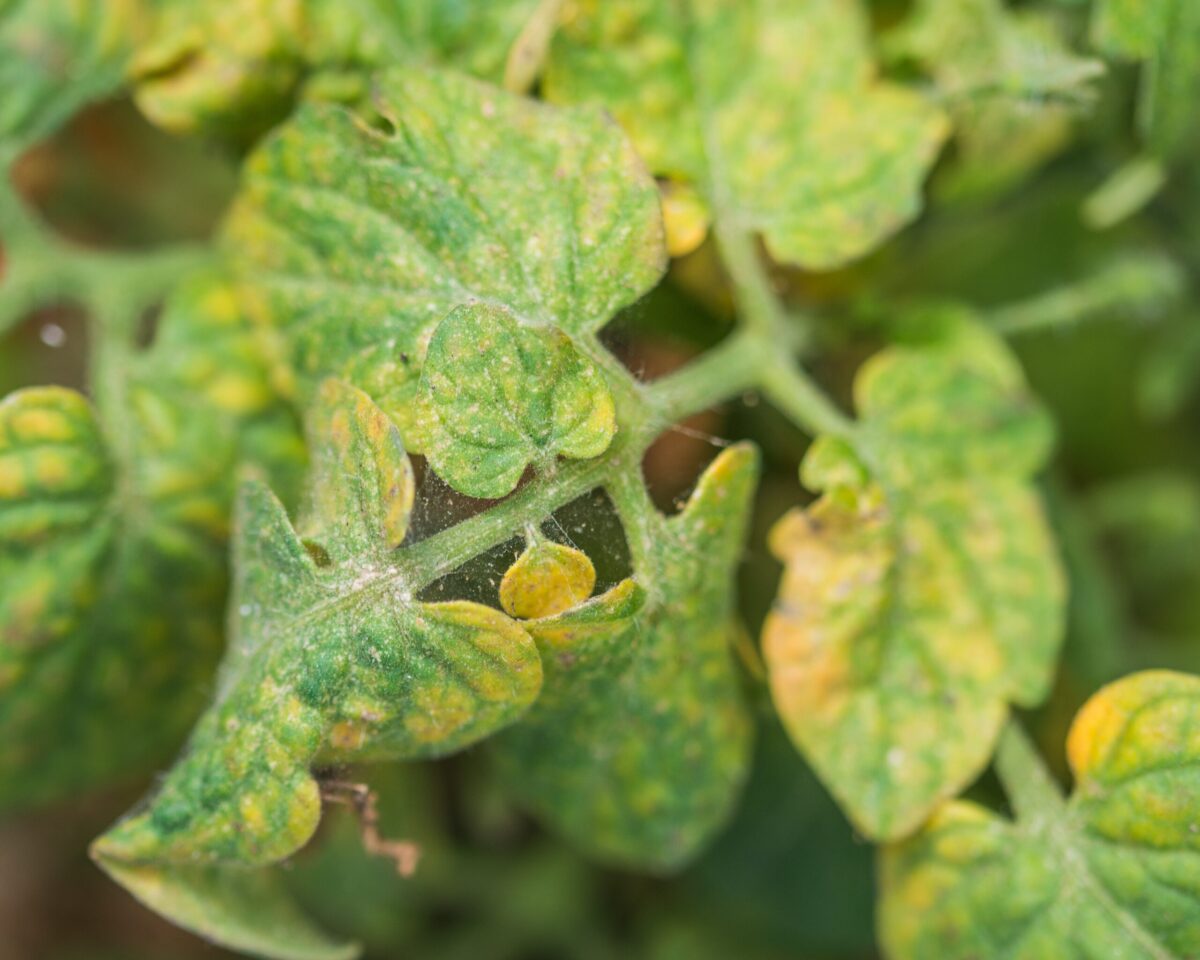
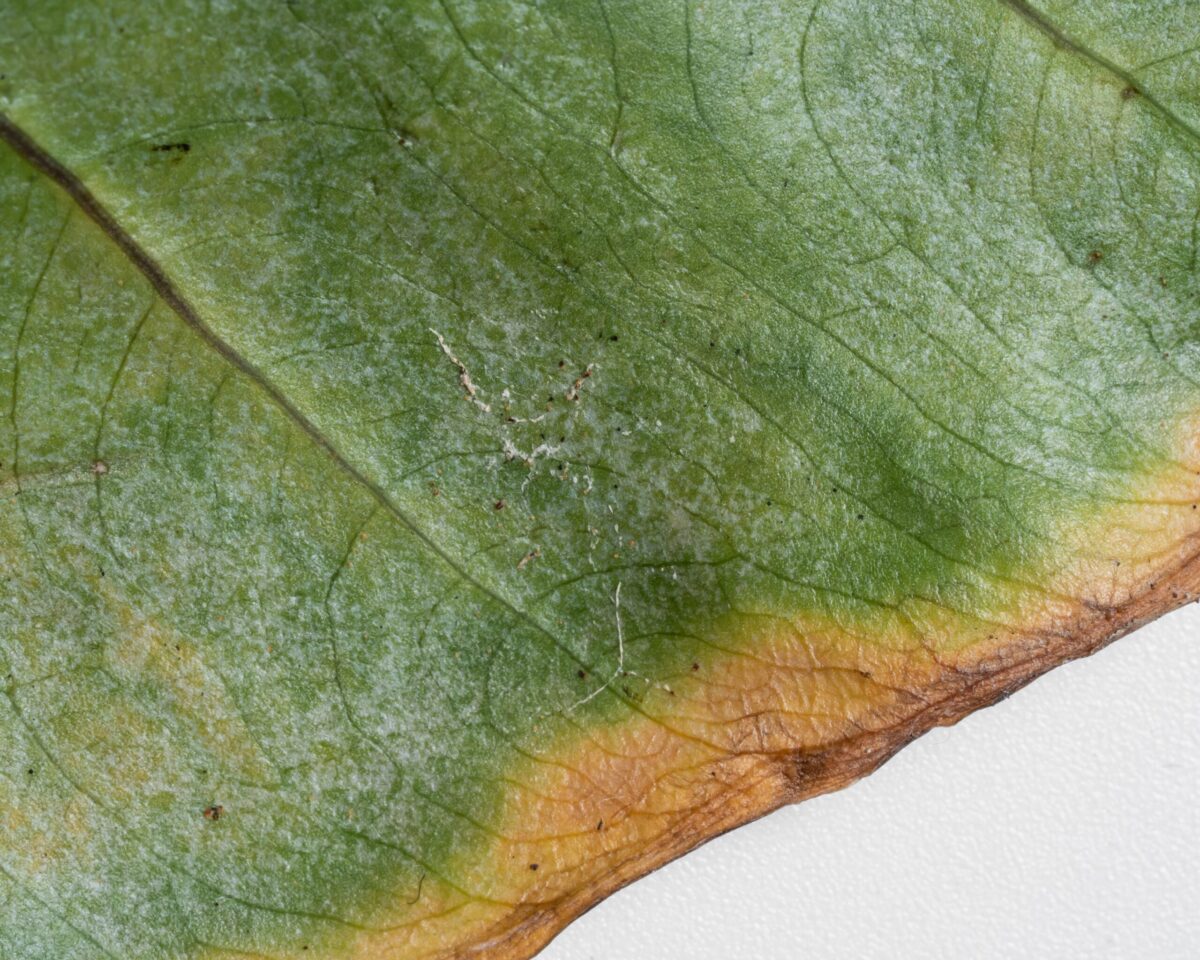
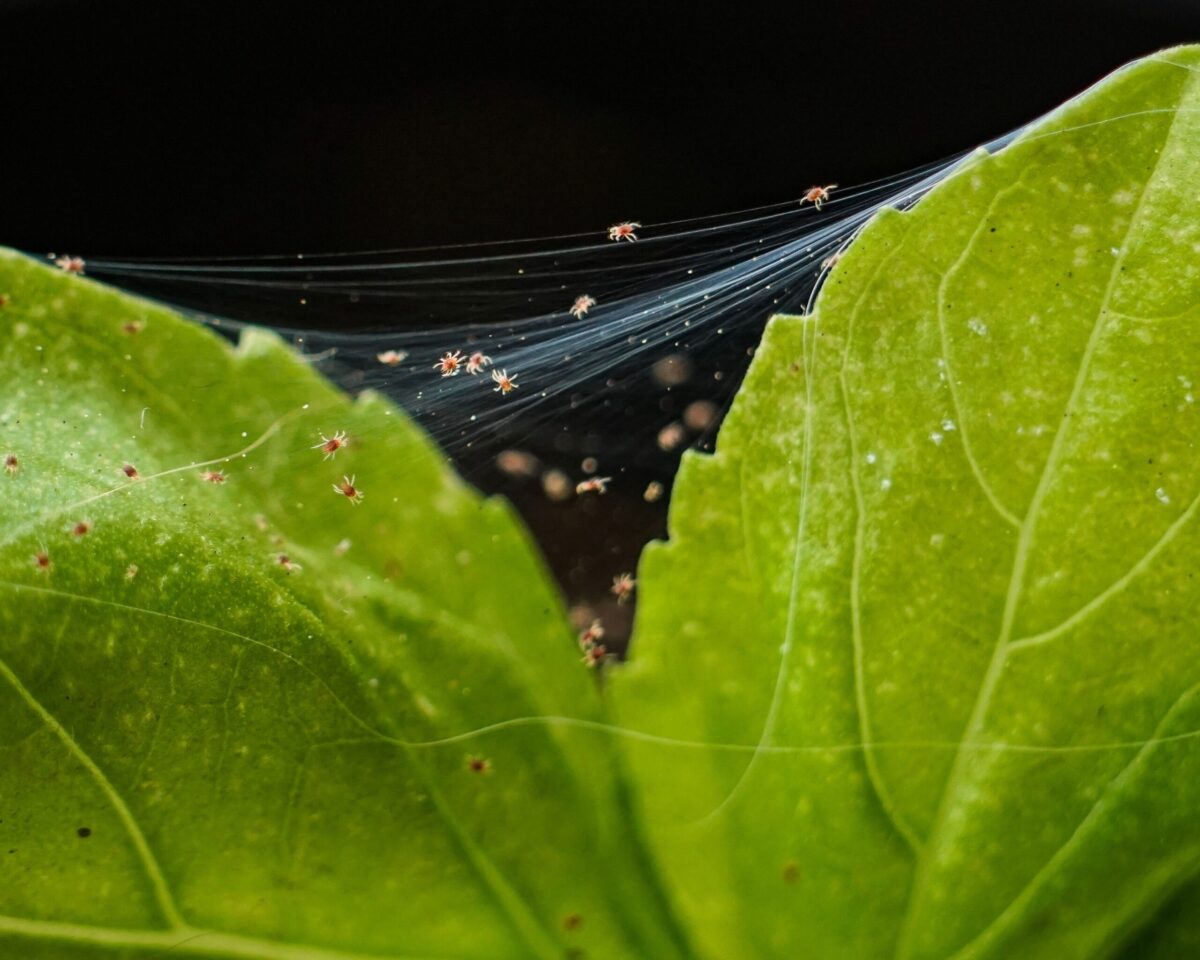
Spider mites are tiny, almost invisible pests that can do a lot of damage if left unchecked. They thrive in dry, warm conditions and tend to hide on the undersides of leaves.
Spider mites hate humidity. Misting your plant or placing a humidifier nearby can create an environment that makes it hard for your plant to thrive.
Mealybugs are small, white, cotton-like pests that feed on plant sap and can multiply quickly if not addressed. They’re often found in the joints of stems or on the undersides of leaves.
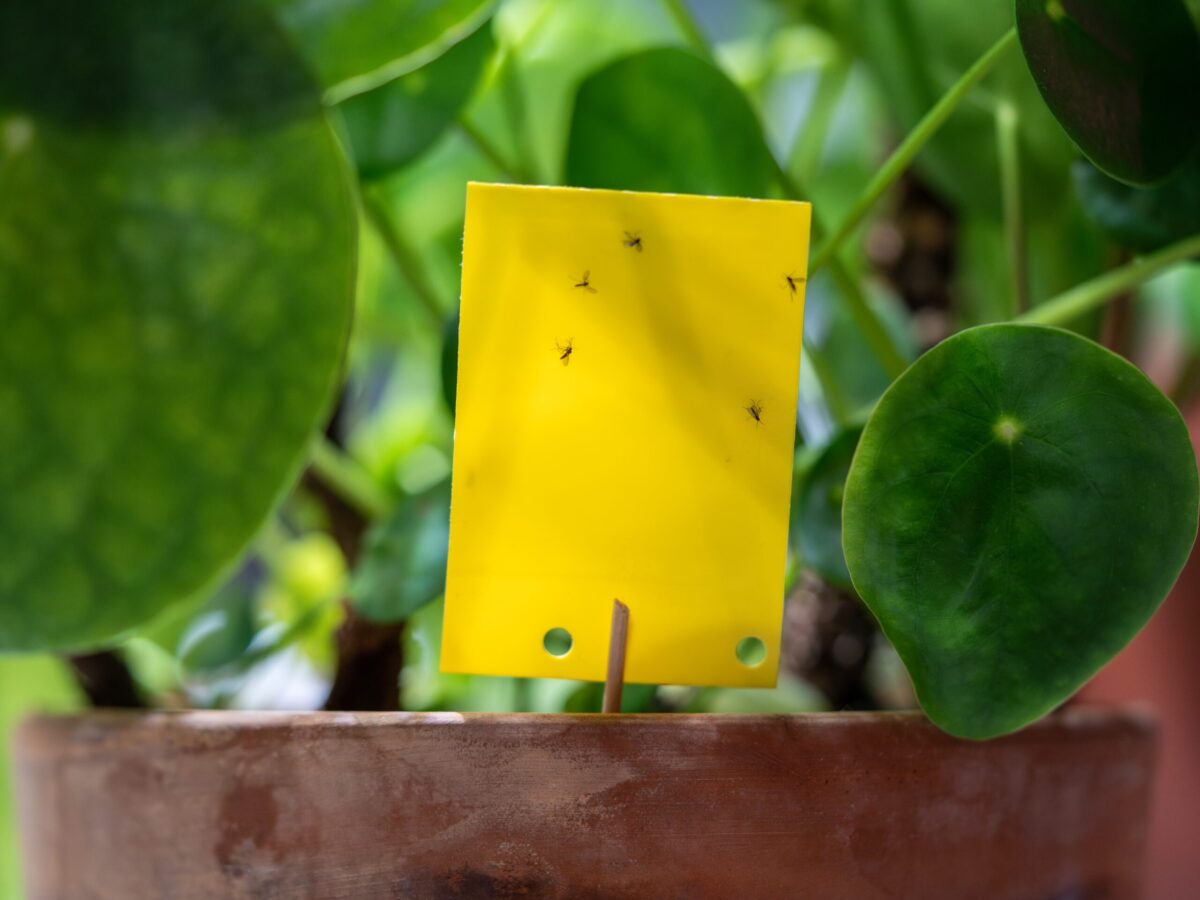
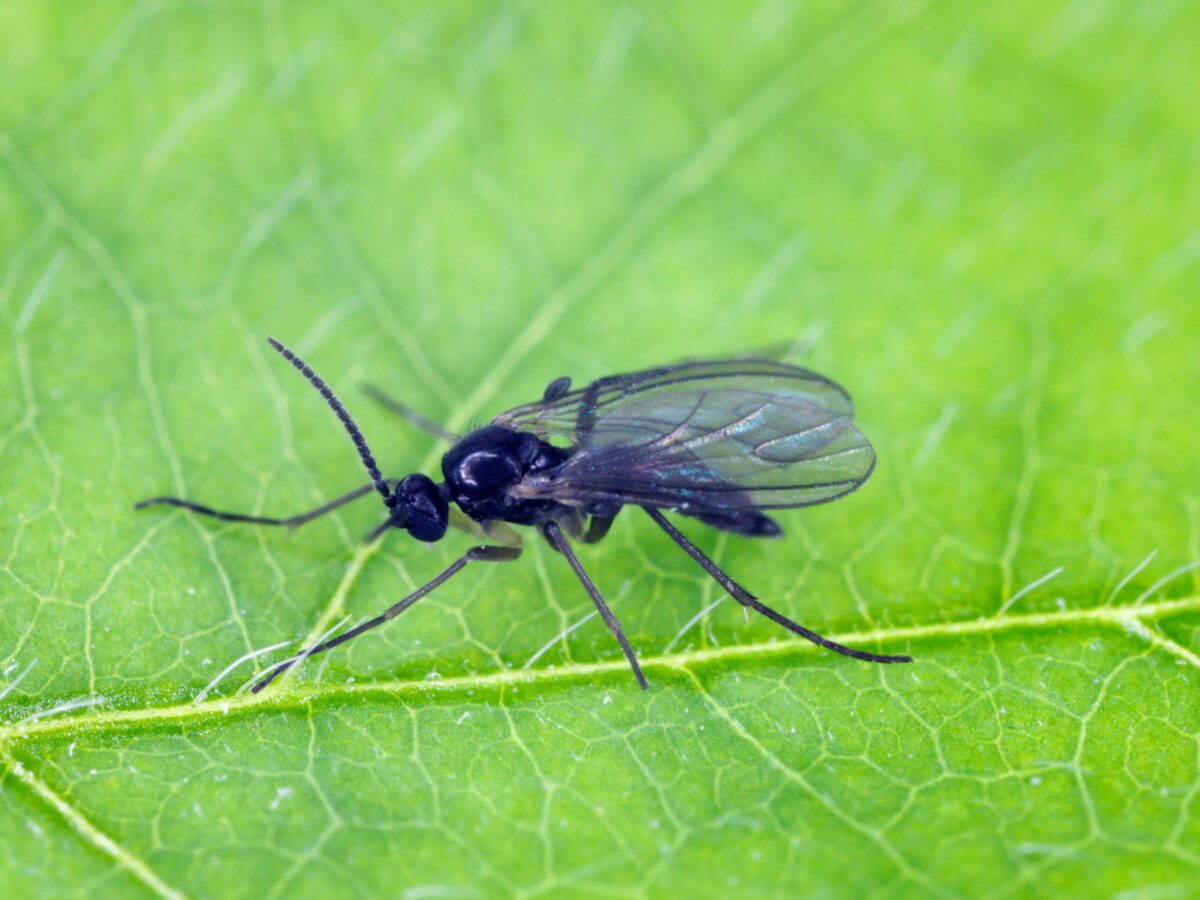
Fungus gnats are tiny black flies that hover around the soil of indoor plants. They’re more of an annoyance than a serious threat to your plant’s health, but their larvae can damage young roots if left unchecked.
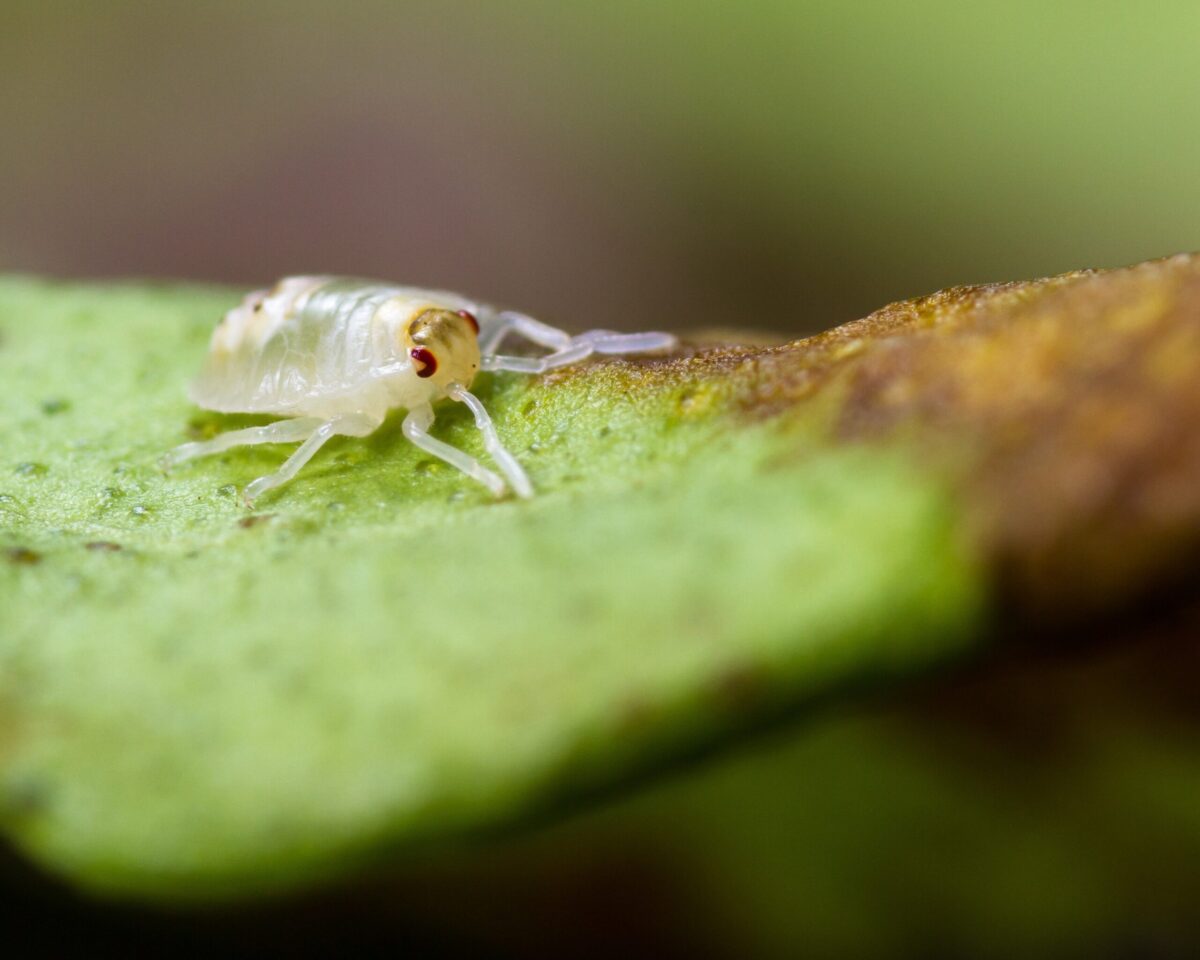
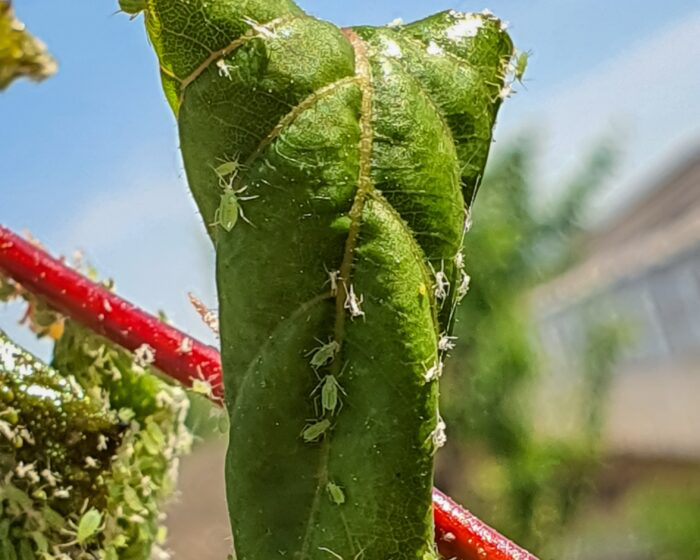
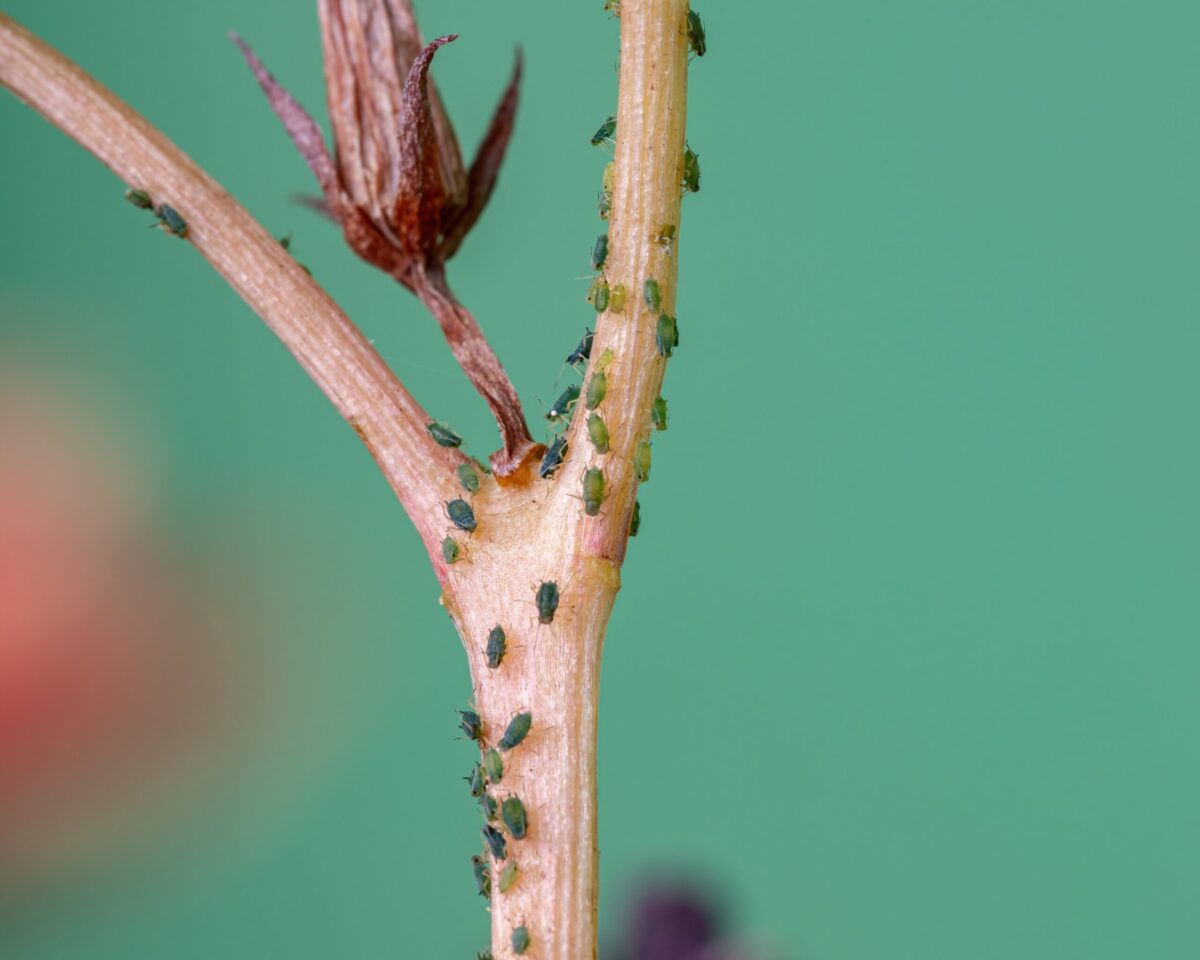
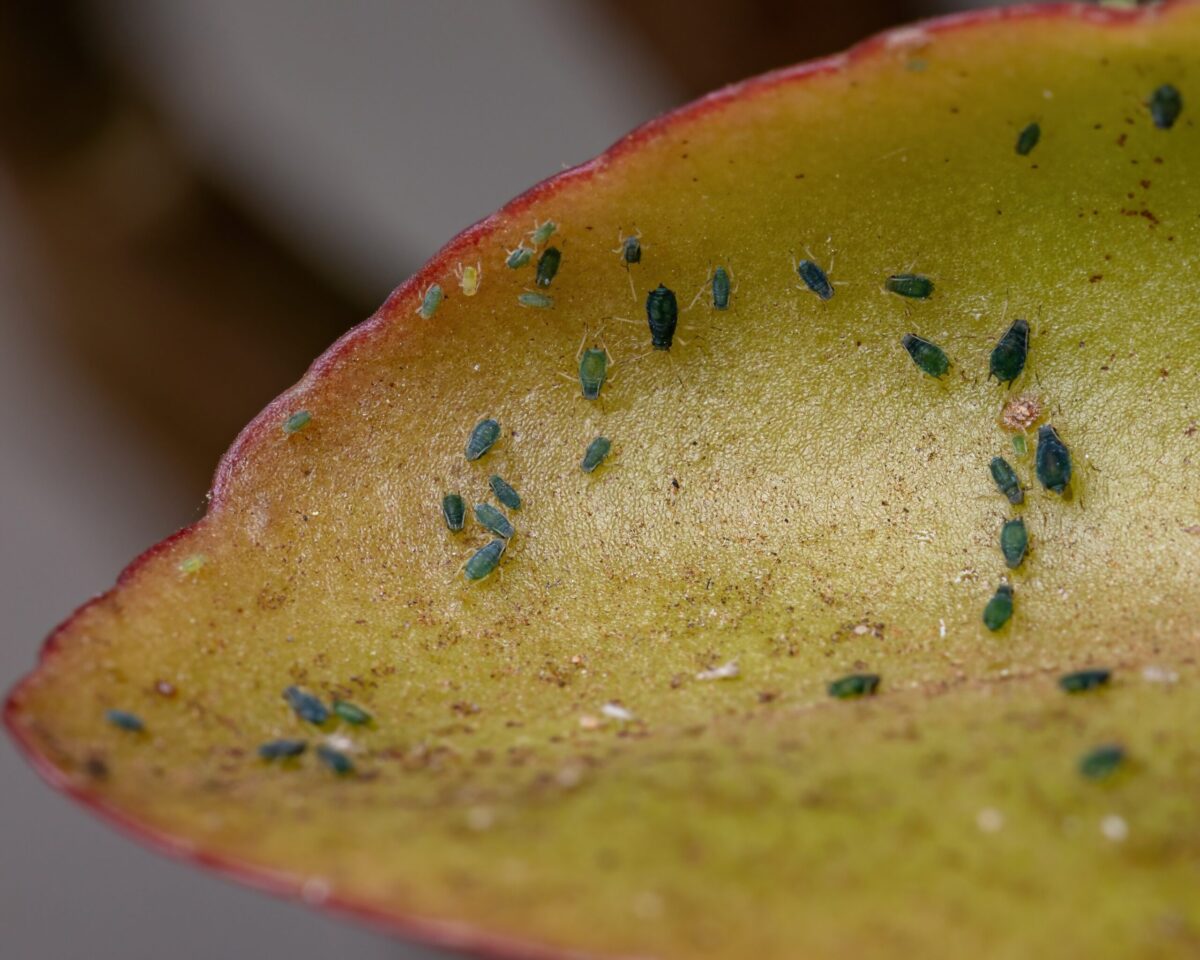
Aphids are small, soft-bodied insects that can be green, black, yellow, or white. They feed on plant sap, usually gathering on new growth or flower buds. Aphids can multiply rapidly, making them tricky to control if not addressed early.
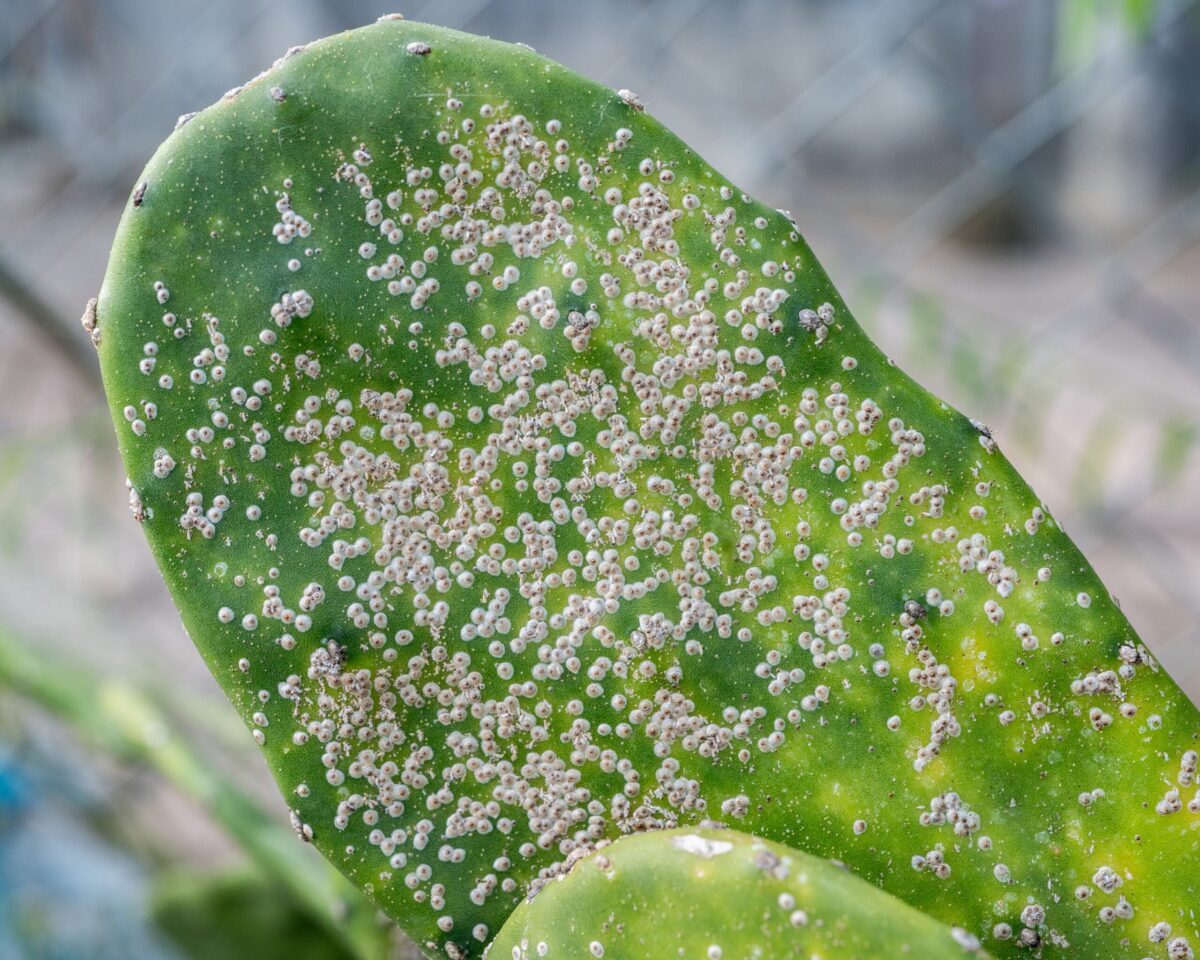
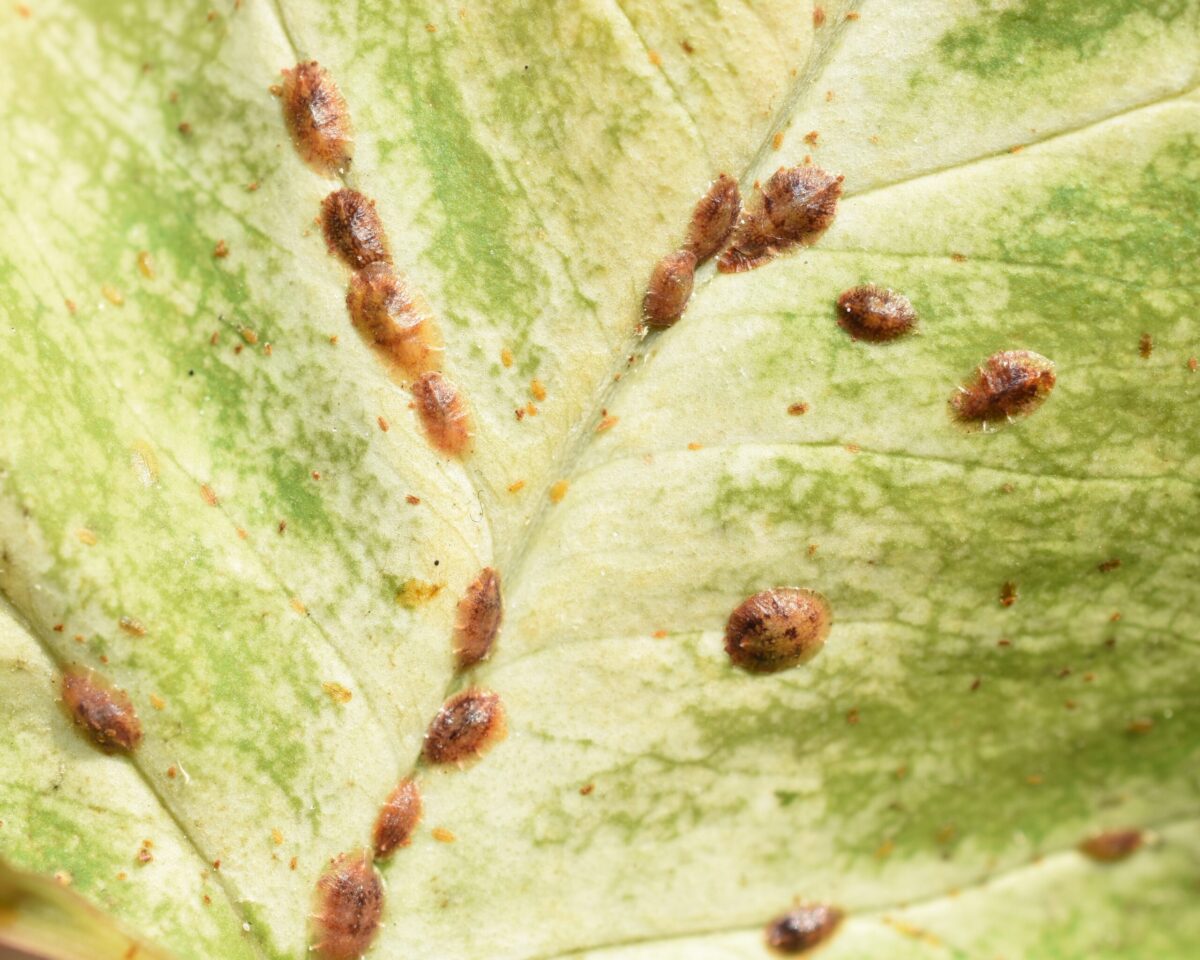
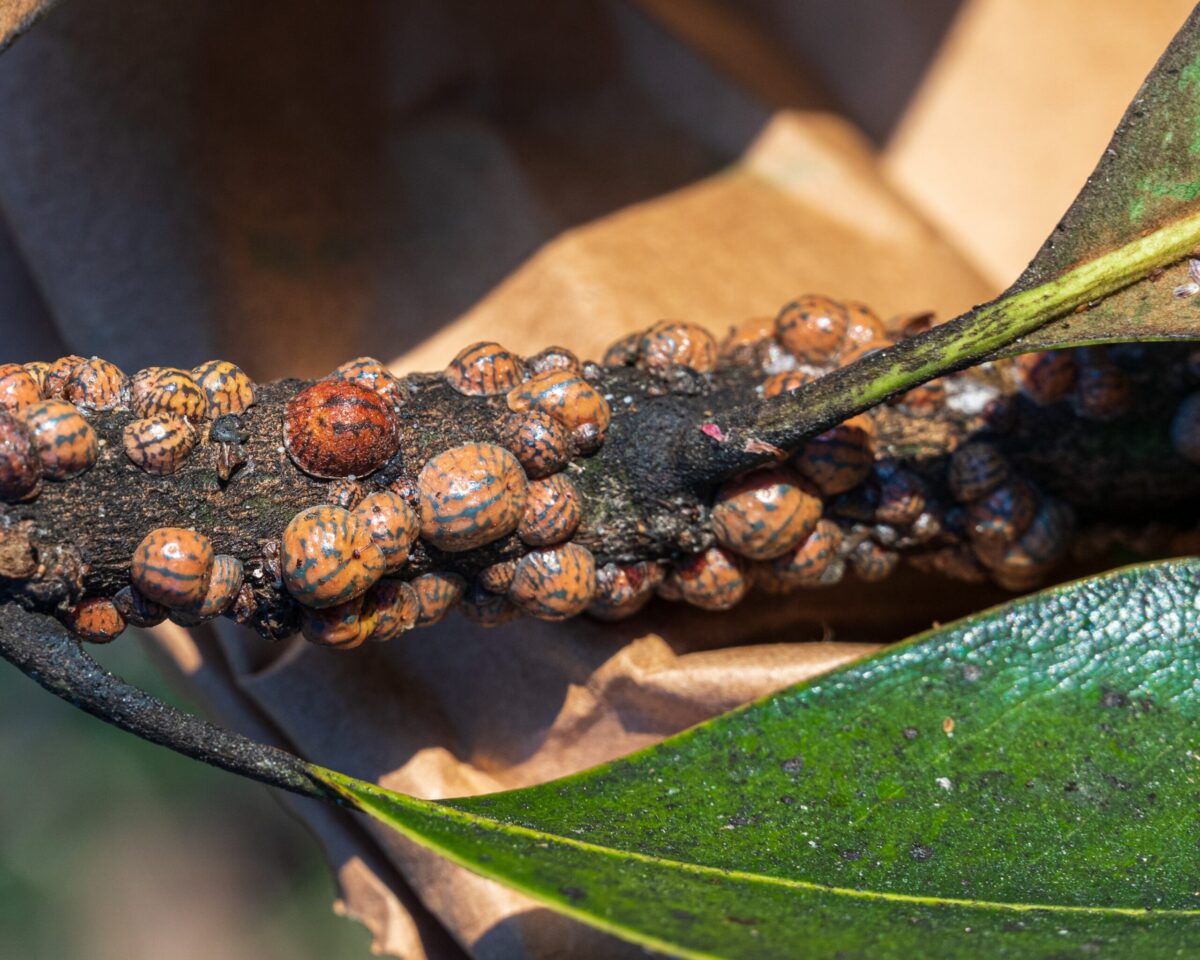
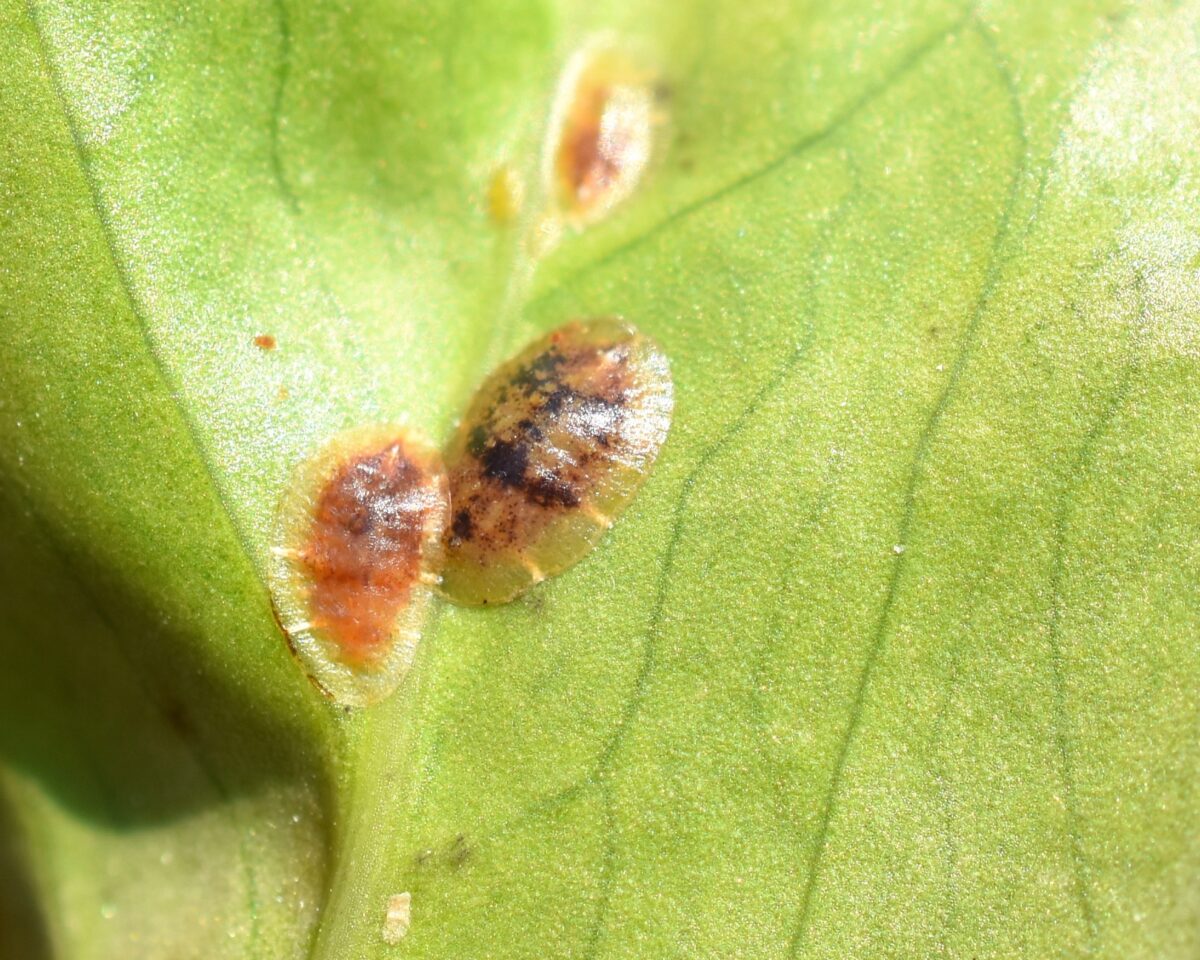
Scale insects are tricky to spot because they look like small, raised bumps on the stems and leaves of your plants. These pests attach themselves to plants and suck out the sap, leaving behind sticky honeydew and weakening the plant over time.
Once you’ve treated an infestation, it’s important to take steps to prevent pests from returning. Here’s how to keep your indoor plants pest-free:
While dealing with pests can be frustrating, most infestations can be managed with the right approach. Whether it’s aphids, spider mites, or scale, catching the problem early and taking quick action will help your plants stay healthy and thriving.
Remember, prevention is the best method—keeping your plants clean, well-watered, and regularly inspected will go a long way in preventing future pest problems.
Need help treating a pest problem?
Visit us at any of our locations for pest control products, insecticidal soaps, and expert advice on keeping your indoor plants pest-free!
The most common indoor plant pests include spider mites, mealybugs, fungus gnats, aphids, and scale insects. Each pest causes different symptoms, such as yellowing leaves, sticky residue, webbing, or tiny flying insects around the soil. Identifying the pest early makes treatment much easier.
Many indoor plant pests can be treated naturally using neem oil, insecticidal soap, rubbing alcohol, or a strong rinse of water. Regularly wiping down leaves, isolating affected plants, and improving airflow can also help stop infestations from spreading.
Fungus gnats are usually caused by consistently moist soil. These pests thrive in damp conditions where they lay eggs and reproduce quickly. Letting the top layer of soil dry out between waterings and using yellow sticky traps can help break their life cycle.
Yes. Many indoor plant pests spread quickly between nearby plants, especially spider mites, mealybugs, and aphids. If you notice signs of pests, isolate the affected plant immediately and inspect nearby plants for early symptoms.
The best way to prevent indoor plant pests is through regular plant care and inspection. Check leaves often, avoid overwatering, clean foliage regularly, and quarantine new plants before placing them near your existing collection. Healthy plants are much less likely to develop serious pest problems.