
Root rot is one of the most dangerous threats to indoor plants, and it’s often mistaken as a problem caused by overwatering alone. But the real culprit is usually a pathogen—fungi like Pythium, Rhizoctonia, or Phytophthora—that thrives in waterlogged conditions. These pathogens attack the plant’s roots, causing them to decay and rot. Once root rot sets in, it can spread quickly if not caught early.
Let’s break down how to spot root rot, what causes it, and the steps you can take to rescue your plant and prevent it from happening again.
What are the Causes of Root Rot?
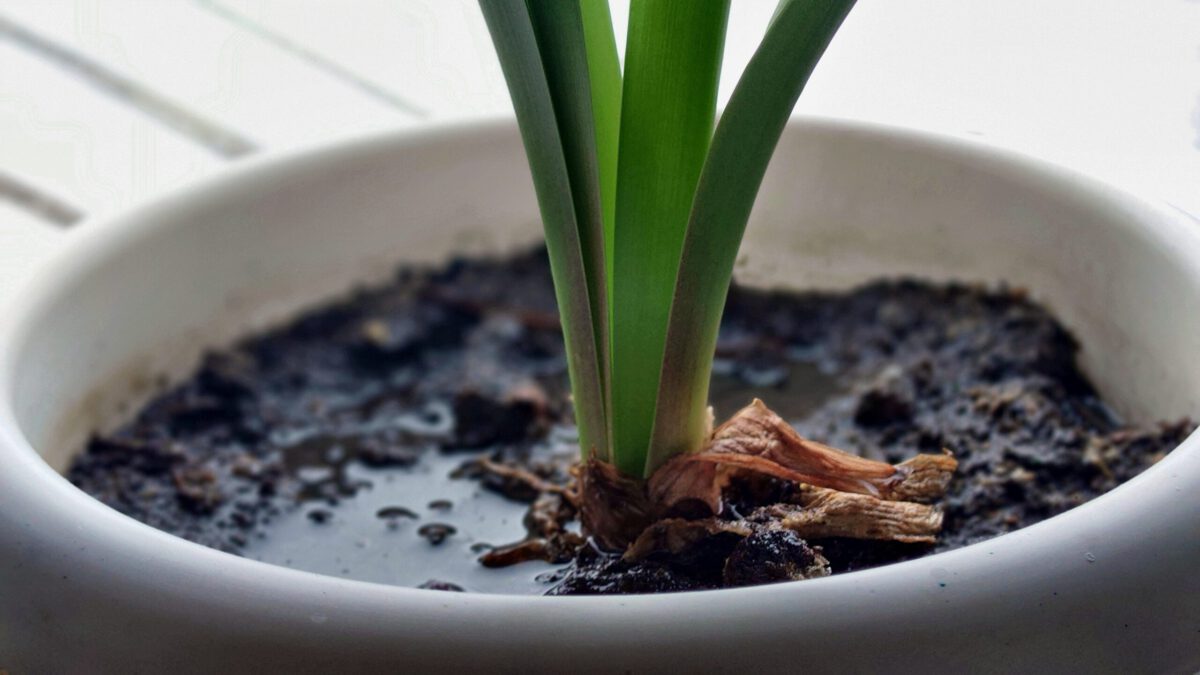
While overwatering creates the conditions for root rot, the actual rot is caused by harmful pathogens that live in the soil. These fungi exist naturally in soil but usually remain dormant. When the soil is too wet for too long, oxygen is pushed out, and the lack of airflow creates a perfect environment for these pathogens to thrive and attack the roots.
In summary, root rot happens when:
- Waterlogged soil deprives the roots of oxygen, making them weak and vulnerable.
- Fungal pathogens (like Pythium and Phytophthora) spread and start to break down the root system.
- Poor drainage or constantly wet soil encourages these pathogens to spread even faster.
Once the roots begin to decay, the plant can no longer take up water or nutrients effectively, and symptoms start to appear in the leaves and stems.
What are the Signs of Root Rot?
Spotting root rot early is key to saving your plant. Keep an eye out for these signs:
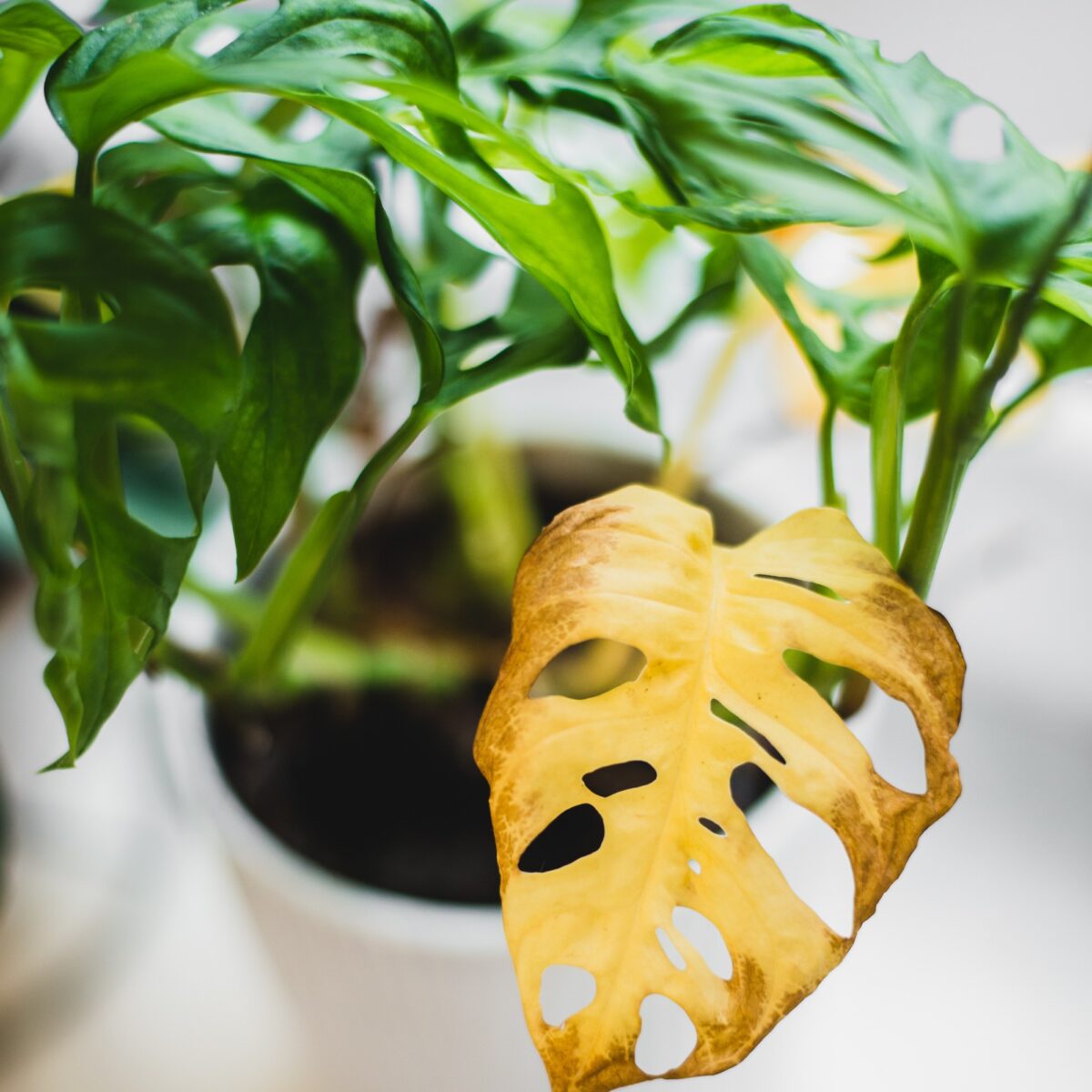
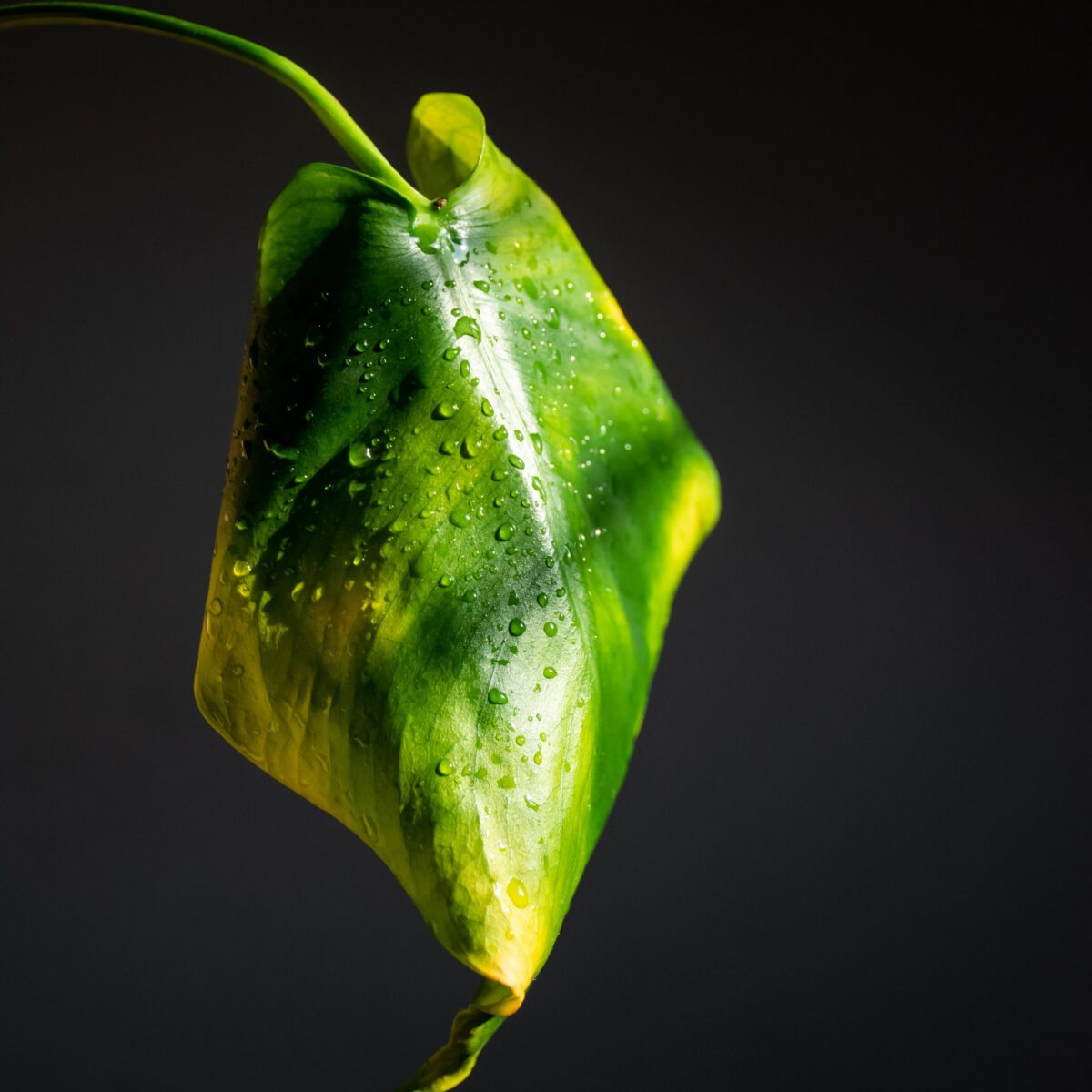
- Yellowing leaves: A common symptom of root rot. When the roots can’t absorb nutrients, the leaves turn yellow, especially the lower ones.
- Wilting, even when the soil is wet: If your plant is wilting but the soil is still moist, it’s a sign that the roots aren’t functioning properly due to rot.
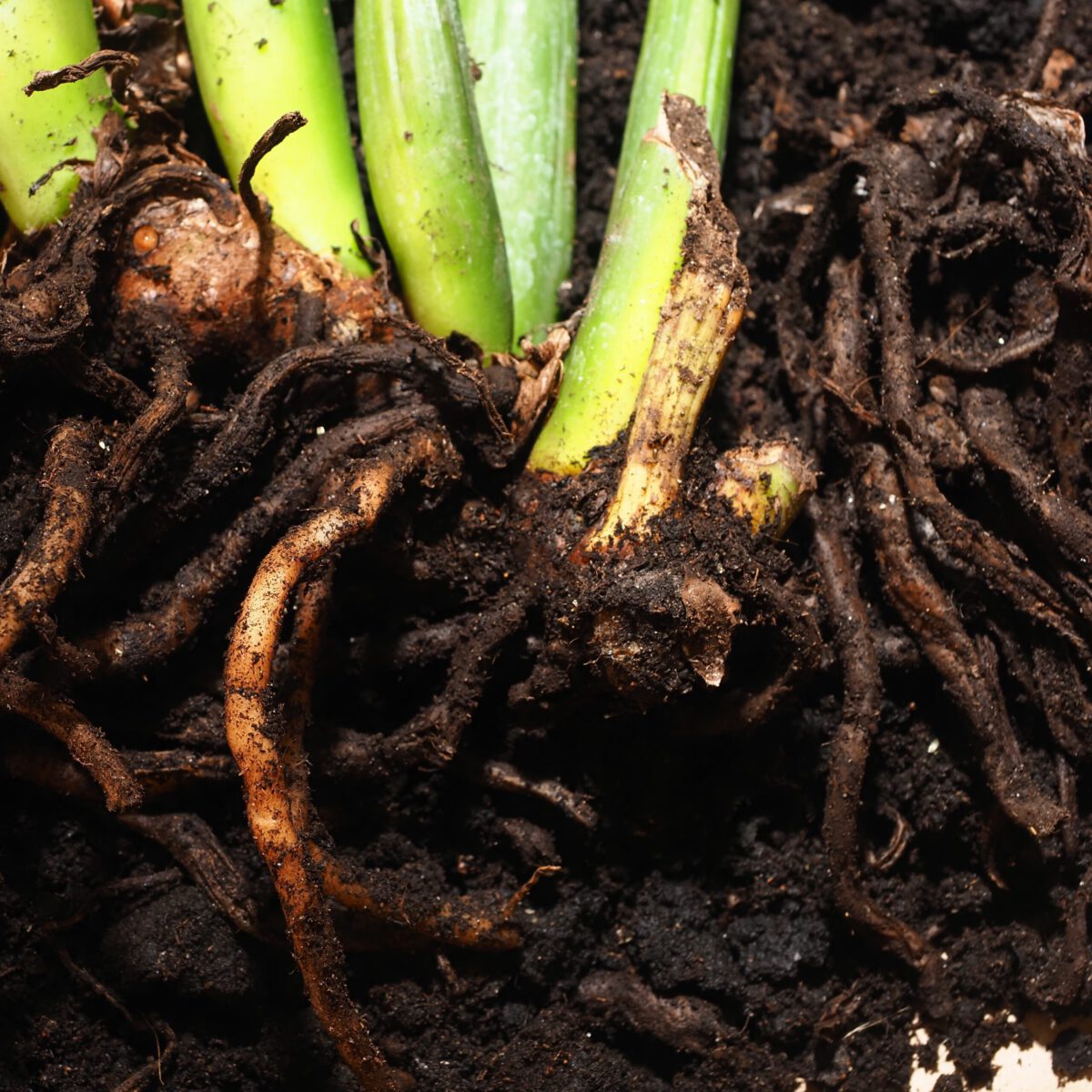
- Mushy, brown, or black roots: Healthy roots are white or light tan and firm. Rotten roots are brown, black, mushy, and may have a bad, musty smell.
- Stunted growth: A plant with root rot may stop growing altogether since it can’t absorb the water and nutrients it needs.
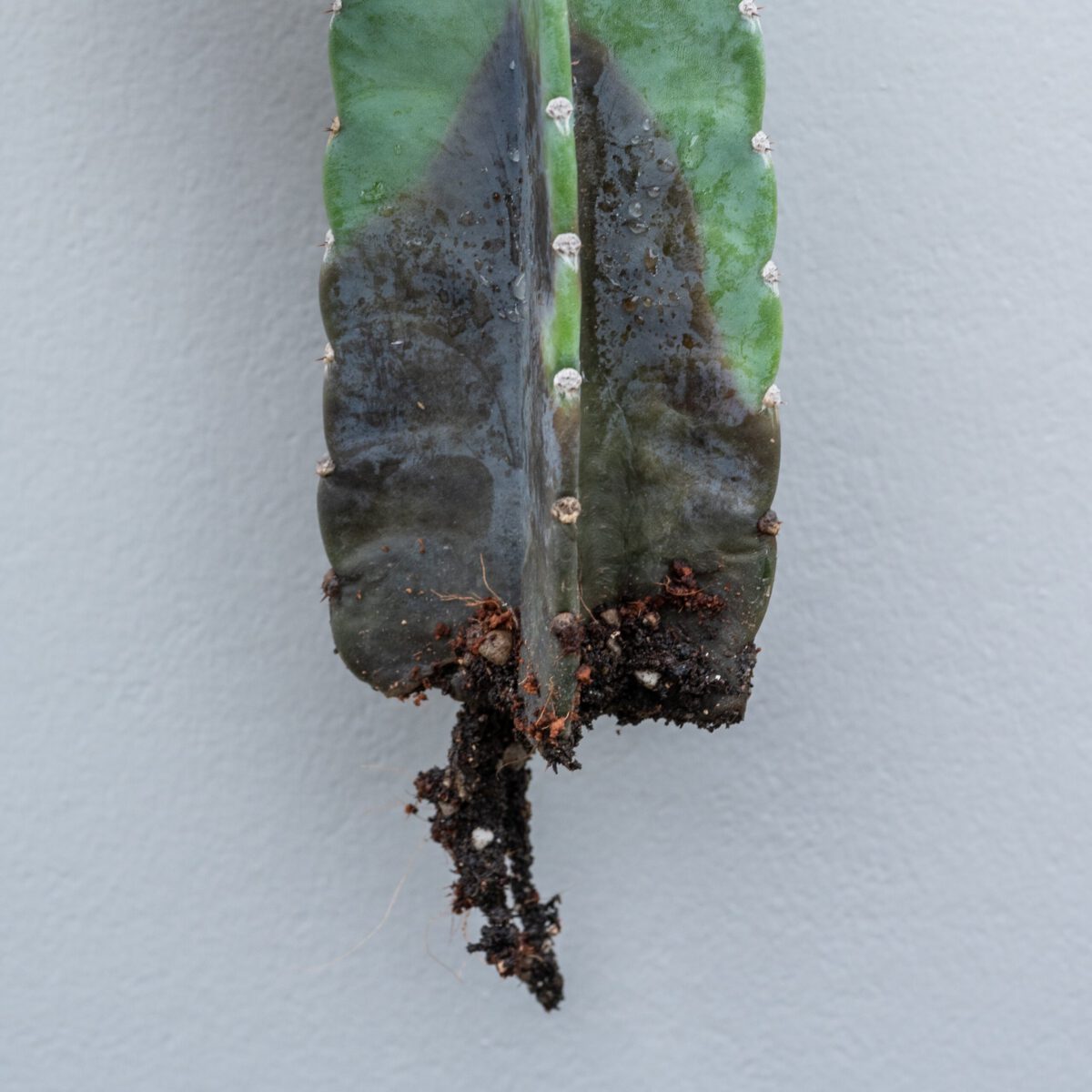
- Soft, mushy stems: The rot can spread from the roots to the base of the plant, causing the stems to feel soft and squishy.
- Foul-smelling soil: A foul odor from the soil is a strong indication of root rot. This smell is caused by decaying organic matter and fungal growth.
Steps to Save a Plant with Root Rot
If you’ve identified root rot, quick action is essential. Here’s how to give your plant the best chance at recovery:
-
Remove the Plant from Its Pot
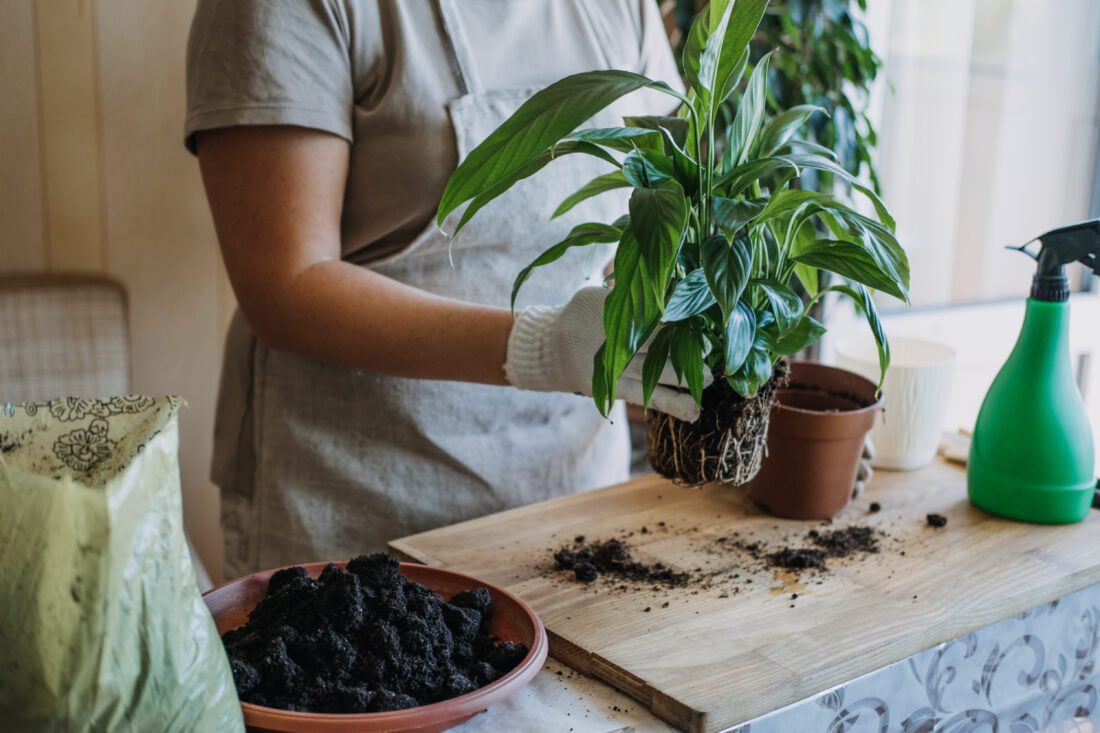
Gently take the plant out of its pot and shake off as much soil as possible. Be careful when handling it since the roots are delicate, especially if they’re rotting. This step is crucial because it allows you to assess how much of the root system has been affected.
-
Inspect and Trim the Roots
Look for healthy, firm roots, which should be white or light tan. Then identify the damaged roots. They’ll be brown, black, slimy, or mushy. Using clean, sterilized scissors or pruning shears, trim away all affected roots. It’s important to remove any trace of rot to prevent it from spreading.
- Tip: Sterilize your cutting tools with rubbing alcohol or boiling water before and after trimming to avoid spreading pathogens.
-
Rinse the Roots
After trimming, rinse the remaining healthy roots under lukewarm water to remove lingering soil and fungal spores. This helps eliminate any remaining pathogens clinging to the roots. You can also apply Revitalize by Bonide, which helps stimulate the plant’s natural immune response to fight off pathogens.
-
Let the Roots Dry
Lay the plant on a clean paper towel or cloth and allow the roots to dry for a few hours. This gives the cut roots time to callous over and helps remove excess moisture that could encourage further fungal growth.
-
Repot in Fresh, Well-Draining Soil
Once the roots have dried, it’s time to repot your plant properly:
- Choose a clean pot with drainage holes: If you’re reusing the same pot, thoroughly clean and disinfect it first to remove any lingering pathogens. Proper drainage is essential to prevent water from pooling at the bottom.
- Use fresh, well-draining soil: Choose a high-quality potting mix that drains well and won’t stay soggy. You can improve drainage by adding perlite, pumice, or orchid bark. Avoid reusing old soil, since it may still contain fungal spores.
-
Water Sparingly
After repotting, avoid watering immediately. Let the plant sit in its new pot for a few days so the roots can settle and recover. When you begin watering again, do so sparingly. Wait until the top 1–2 inches of soil feel dry before watering. Overwatering at this stage can quickly restart the problem.
-
Place in a Well-Lit Area
While your plant recovers, place it in a bright location with indirect light. Avoid direct sunlight, which can stress the plant further. Proper lighting encourages healthy new growth and supports recovery.
Root rot can be a serious issue, but with quick action and the right steps, it’s possible to save your plant. The key to recovery is recognizing the signs early and addressing the root cause: pathogens in waterlogged soil. By trimming away the affected roots, repotting in fresh soil, and adjusting your watering habits, you can help your plant bounce back and thrive.
Remember, prevention is the best cure. By keeping your plant’s watering schedule in check, using well-draining soil, and ensuring proper airflow, you can avoid root rot in the future.
Need help with soil or pots?
Visit us at any of our 7 locations! We have the right tools and advice to help you rescue your plant and prevent root rot from coming back.
Whether you need new soil, moisture meters, or pots with proper drainage, we’ve got you covered! Happy growing!
FAQ
Can a plant recover from root rot?
Yes, many plants can recover from root rot if the problem is caught early. The key is removing damaged roots, replacing soggy soil with fresh well-draining soil, and correcting watering habits before the healthy roots are affected.
What are the first signs of root rot in plants?
Common signs of root rot include yellowing leaves, wilting despite wet soil, mushy stems, slow growth, and a foul smell coming from the potting soil. Roots may appear brown, black, or soft instead of firm and white.
How do you fix root rot without killing the plant?
Start by removing the plant from its container and trimming away soft or blackened roots with clean scissors. Repot the plant in fresh, well-draining soil and a container with drainage holes. Avoid watering again until the soil begins to dry out.
What causes root rot in indoor and outdoor plants?
Root rot is most often caused by overwatering or poor drainage. When roots sit in overly wet soil for too long, oxygen levels drop and fungi or bacteria can begin attacking the root system.
How can you prevent root rot from happening again?
To prevent root rot, use containers with drainage holes, avoid watering on a fixed schedule, and always check soil moisture before watering. Choosing the right soil mix for your plant type also helps improve drainage and root health.